
Clothing Care Tips: How to Make Your Clothes Last Longer
What Are the Best Clothing Care Tips to Make Clothes Last Longer?
The best clothing care tips are to read care labels, wash garments only when needed, separate loads carefully, use suitable water temperatures, and avoid overloading the machine. Fasten zippers, turn delicate or printed items inside out, and use gentle cycles when appropriate. Air-dry clothing when practical, store garments clean and dry, and repair small problems before they become larger. Rotate frequently worn pieces instead of relying on the same outfit every day. Good clothing care also begins before purchase, because suitable fabric, construction, fit, and maintenance requirements make a garment easier to keep in regular use.
Why Proper Clothing Care Matters
Clothes experience friction, moisture, heat, stretching, sunlight, detergent, and repeated movement. Over time, these factors can affect their color, texture, seams, shape, and overall appearance.
Careful maintenance may help slow this everyday wear. Washing less aggressively, drying at lower heat, and storing garments correctly can reduce unnecessary stress on fibers and construction.
Clothing care also makes a wardrobe easier to manage. When garments stay clean, repaired, and ready to wear, you are less likely to replace them simply because they look neglected or are temporarily unusable.
This is especially helpful when building a smaller, coordinated closet. A practical capsule wardrobe guide can help you choose versatile pieces, while consistent care helps those frequently worn items remain useful for longer.
Read the Care Label Before Washing
The care label is the best starting point for understanding how a garment should be cleaned. It may include instructions about washing temperature, drying method, ironing, bleaching, and professional cleaning.
Check the label before the first wash rather than after a problem appears. Some fabrics tolerate normal machine washing, while others may require a gentle cycle, hand washing, low heat, or specialist care.
When a garment contains several materials, follow the instructions for the most delicate component. Decorative trims, linings, coatings, elastic, and prints may require more careful handling than the main fabric.
If the label is unclear, begin with the gentler option. Cool water, mild detergent, low agitation, and air-drying are often safer than high heat or aggressive washing, although individual garments may vary.
Wash Clothes Only When They Need It
Not every garment needs washing after one wear. Underwear, socks, gym clothes, and items exposed to sweat usually need frequent cleaning, while jackets, jeans, knitwear, and some outer layers may be wearable several times if they remain clean and fresh.
Check for odor, visible dirt, stains, and loss of shape before placing an item in the laundry. Airing clothes between wears may help reduce unnecessary washing.
Hang garments in a ventilated area rather than returning damp or warm clothes directly to the wardrobe. Avoid placing worn clothing on the floor, where it can collect dust, moisture, and wrinkles.
Washing only when needed can reduce friction, fading, stretching, and detergent exposure. It also makes laundry routines more efficient without lowering basic hygiene.
Sort Laundry More Carefully
Sorting clothes helps protect color, fabric, and shape. A single mixed load may contain heavy towels, delicate shirts, dark denim, light cotton, and items with hooks or zippers, all of which behave differently during washing.
Separate laundry by color when dye transfer is a concern. New dark, bright, or strongly colored garments may release color during early washes, so follow their instructions carefully.
Also separate by fabric weight. Heavy jeans, towels, and sweatshirts can rub against lighter garments and delicate knits. Wash lint-producing items separately from clothing that easily attracts lint.
Check pockets, close hooks, fasten zippers, and loosen buttons before washing. Zippers can catch on fabric, while buttoned shirts may experience extra strain around the buttonholes.
Choose the Right Water Temperature and Cycle
Hot water is not necessary for every load. Cooler water may be suitable for many everyday garments and may help reduce fading, shrinking, and fiber stress.
Use warmer settings only when the care label, hygiene needs, or fabric type make them appropriate. Delicates, dark colors, lightweight fabrics, and garments with stretch often benefit from gentler treatment.
Select a cycle that matches the load. A normal cycle may suit durable cotton items, while delicate or low-spin settings may be better for fine fabrics, knitwear, or lightly worn clothing.
Do not overload the washing machine. Clothing needs room to move so water and detergent can circulate. Overloading may lead to poor cleaning, heavy creasing, and increased rubbing between garments.
Use Detergent Correctly
More detergent does not always mean cleaner clothing. Excess detergent may remain in fabric, leave clothes feeling stiff, or require additional rinsing.
Follow the detergent instructions and adjust the amount according to load size, soil level, and water conditions. Mild or fragrance-free products may be preferable for people with sensitive skin or for garments that do not need strong cleaning.
Apply stain products only where needed and test them on an inconspicuous area first. Strong treatments may affect color or texture, especially on delicate or dyed fabrics.
Avoid mixing cleaning products unless their instructions clearly allow it. Different formulas may react unpredictably or damage fabric.
Compare Common Clothing Care Methods
| Care Method | Best Used For | Main Benefit | Beginner Consideration |
|---|---|---|---|
| Normal machine wash | Durable everyday clothing | Convenient and efficient | Sort loads and avoid overfilling the machine |
| Gentle machine cycle | Lightweight, delicate, or stretch fabrics | Reduces agitation and friction | Use a suitable laundry bag when needed |
| Hand washing | Selected knits, delicate items, and embellished garments | Allows controlled handling | Do not twist or wring wet fabric aggressively |
| Air-drying | Many everyday and delicate garments | Reduces exposure to high heat | Support heavy knits so they do not stretch |
| Low-heat tumble drying | Items approved for machine drying | Faster than air-drying | Remove clothes promptly to reduce creasing |
| Professional cleaning | Structured, lined, or specialist garments | Provides fabric-specific care | Follow the label and avoid unnecessary frequent cleaning |
How to Treat Stains Without Damaging Fabric
Acting early may make a stain easier to manage, but aggressive rubbing can push it deeper into the fibers or spread it across the fabric.
Blot liquid stains gently with a clean cloth. Scrape away solid material carefully using a blunt edge rather than pressing it into the garment.
Check the care label before applying water, detergent, or stain remover. Some materials respond poorly to soaking or strong chemicals.
Work from the outer edge of the stain toward the center to reduce spreading. Test any cleaning product on a hidden seam or inside area before using it on a visible section.
Do not place a stained garment in a hot dryer until the mark is gone, because heat may make some stains more difficult to remove.
Dry Clothes With Less Heat and Friction
High dryer heat may affect shrinkage, elasticity, prints, and fabric texture. When the care label allows, use lower heat or air-dry garments that are prone to damage.
Shake clothes gently after washing and reshape them before drying. This can reduce wrinkles and help seams, collars, cuffs, and hems return to their intended position.
Hang shirts, dresses, and lightweight trousers on suitable hangers. Lay heavy knitwear flat so the weight of the water does not pull the shoulders or lengthen the garment.
Avoid leaving clothes in direct sunlight for long periods if fading is a concern. Drying in a shaded, ventilated area may be more suitable for dark or brightly colored items.
If using a dryer, remove garments when they are dry rather than continuing the cycle unnecessarily. Clear the lint filter according to the appliance instructions.
Iron and Steam Clothes Carefully
Heat can improve appearance, but the wrong temperature may scorch fabric, create shine, damage prints, or affect synthetic fibers.
Check the care label and begin with a lower temperature. Increase heat only when the fabric requires it.
Iron delicate, dark, printed, or embellished garments inside out when appropriate. A clean pressing cloth between the iron and the fabric can provide additional protection.
Steam may be useful for removing light wrinkles, but keep the steamer at a suitable distance and avoid directing steam toward your hands or body. Some fabrics can develop water spots or lose structure, so test a small area first.
Store Clothes to Protect Shape and Fabric
Clothes should be clean and fully dry before storage. Moisture, sweat, and food residue can contribute to odor, staining, or fabric damage over time.
Use supportive hangers for jackets, shirts, and dresses. Avoid thin wire hangers for heavy or structured clothing because they may distort the shoulders.
Fold knitwear, sweaters, and heavy garments that could stretch when hung. Do not stack piles so high that items at the bottom become compressed or difficult to access.
Allow space for air circulation and avoid forcing too many clothes into one area. A crowded wardrobe can increase wrinkles and make it harder to notice what you own.
Store seasonal clothing in a clean, dry place. Wash or clean each item before packing it away, and choose containers suited to the fabric and storage environment.
Repair Small Problems Before They Grow
A loose button, small seam opening, minor hem issue, or pulled thread is easier to manage before it becomes a larger problem.
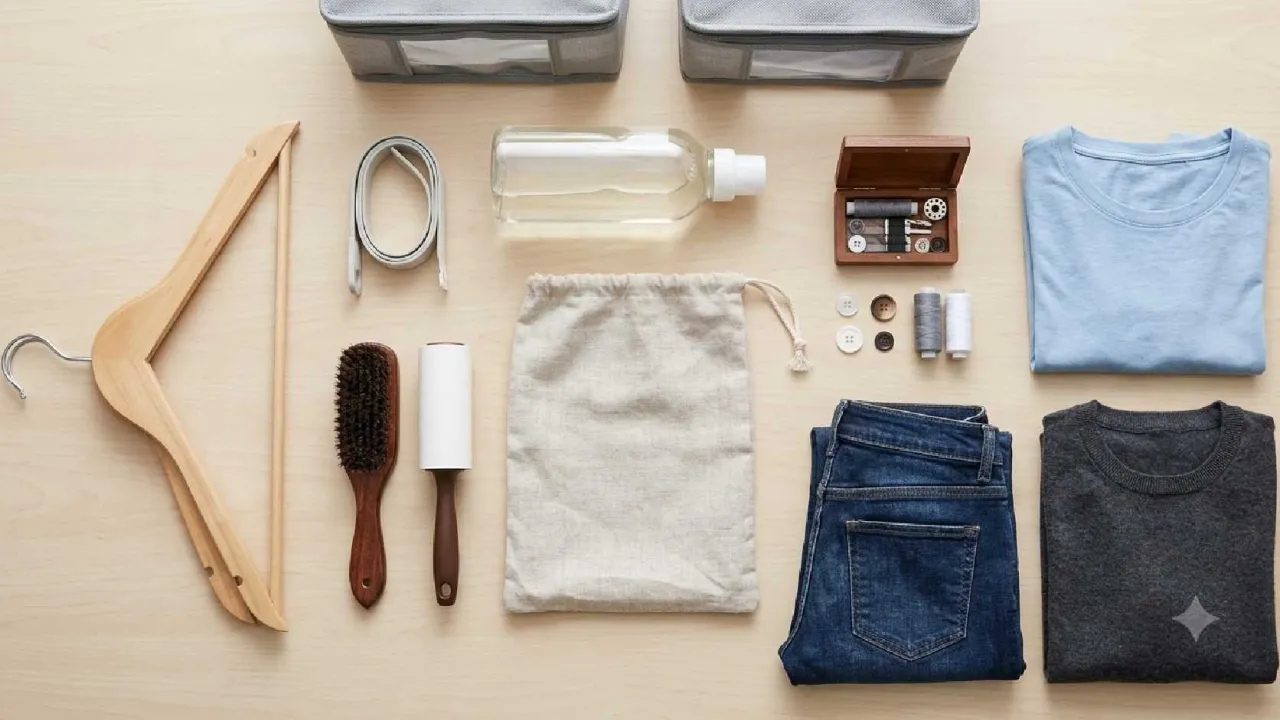
Keep a basic repair kit with matching thread, needles, spare buttons, small scissors, and safety pins. You do not need advanced sewing skills to complete simple repairs.
Trim loose threads carefully rather than pulling them. Secure buttons when they begin to loosen, and repair small seam gaps before wearing or washing the garment again.
More complex repairs, alterations, and fabric damage may be better handled by a skilled tailor or repair specialist. Altering a useful garment can sometimes be more practical than replacing it.
Choose Clothes That Are Easier to Maintain
Clothing care begins while shopping. Before buying, check the fabric, seams, lining, fastenings, stretch recovery, and care label.
A garment that requires specialist cleaning after every wear may not suit someone who needs low-maintenance everyday clothing. Similarly, a fabric that wrinkles easily may be inconvenient for frequent travel.
Use smart shopping tips for buying quality clothes to compare construction, comfort, maintenance, and realistic use rather than judging an item only by price or appearance.
Fit also affects longevity. Clothes that are excessively tight may experience more strain at seams, knees, elbows, waistbands, and fastenings. Understanding how to dress according to your body type can help you identify proportions and garment cuts that feel comfortable without treating shape advice as a strict rule.
Care for Different Fabric Types
Cotton
Cotton is commonly used for everyday clothing, but it may shrink, fade, or wrinkle depending on its construction. Follow temperature instructions and reshape garments before drying.
Denim
Wash denim when needed rather than automatically after every wear. Turn it inside out, use a suitable cycle, and avoid excessive heat if fading or shrinkage is a concern.
Wool and Knitwear
Handle wool and delicate knits gently. Use the recommended cleaning method, avoid sudden temperature changes, and support the garment when wet. Store knitwear folded.
Synthetic Fabrics
Polyester, nylon, and other synthetic materials may dry quickly but can be sensitive to high heat. Use lower drying and ironing temperatures according to the label.
Silk and Delicate Fabrics
Silk and fine fabrics may require hand washing, a delicate cycle, or professional cleaning. Avoid rubbing, wringing, and prolonged exposure to direct sunlight.
Linen
Linen is breathable and commonly wrinkles during normal wear. Wash according to the care label and reshape garments before drying to help maintain their intended fit.
Stretch Fabrics
Garments containing elastic fibers can lose recovery when exposed to repeated high heat. Wash and dry them according to the label, and avoid stretching them while wet.
Take Care of Accessories and Supporting Items
Bags, belts, scarves, hats, and other wardrobe accessories also collect dust, moisture, makeup, and body oils. Clean them according to their materials and store them so they keep their shape.
Empty bags before storage and support structured styles with clean, lightweight filling when appropriate. Roll or loosely fold belts instead of creating sharp bends.
Store scarves clean and dry, and keep jewelry away from fabrics when there is a risk of snagging. An essential fashion accessories guide can help you choose useful pieces that complement several outfits and are practical to maintain.
Common Clothing Care Mistakes to Avoid
- Washing every item after one wear: Some garments can be aired and worn again when they remain clean.
- Ignoring care labels: Fabric and construction may require specific temperatures or methods.
- Overloading the washing machine: Clothes may not clean or rinse properly and can experience more friction.
- Using too much detergent: Excess product may remain in fabric and affect texture.
- Drying everything on high heat: Heat may contribute to shrinkage, fading, or loss of elasticity.
- Rubbing stains aggressively: This may spread the mark or damage the surface.
- Hanging heavy knitwear: The weight can stretch shoulders and lengthen the garment.
- Storing damp clothing: Moisture may lead to odor or fabric damage.
- Pulling loose threads: This can open seams or disturb the weave.
- Delaying small repairs: Minor damage may become harder to correct with continued wear.
Beginner-Friendly Clothing Care Checklist
- Read the care label before the first wash.
- Check whether a garment actually needs cleaning.
- Sort loads by color, weight, and fabric type.
- Empty pockets and close zippers before washing.
- Use a gentle cycle for delicate or lightly worn clothes.
- Measure detergent instead of guessing.
- Treat stains before applying dryer heat.
- Reshape clothing before drying.
- Lay heavy knitwear flat.
- Use lower dryer and iron temperatures when appropriate.
- Store clothes clean and completely dry.
- Use hangers that support the garment’s shape.
- Repair loose buttons and small seams promptly.
- Rotate frequently worn outfits when possible.
- Check maintenance needs before purchasing new clothing.
- Empty the lint filter after using a tumble dryer when recommended by the appliance instructions.
How to Create a Realistic Clothing Care Routine
Choose one regular time each week to inspect laundry, stains, loose buttons, and garments that need special attention. This prevents small tasks from collecting into a difficult workload.
Keep laundry supplies organized and easy to reach. Store delicate bags, stain products, repair tools, and spare buttons in clearly marked places.
Do not try to follow every clothing care tip at once. Begin with the habits that affect your wardrobe most, such as lowering dryer heat, washing less frequently, or repairing small damage.
A manageable routine should match your schedule, storage space, washing facilities, climate, and budget. Consistency matters more than creating a perfect system.
Disclaimer: Clothing care results depend on fabric, dye, construction, age, and previous wear. Always follow the garment label and test cleaning or stain-removal methods on a hidden area when uncertain.
Final Thoughts on Clothing Care Tips
The most useful clothing care tips are simple: wash only when needed, follow care labels, reduce unnecessary heat and friction, treat stains carefully, store clothes correctly, and repair small problems early.
Reminder: Making clothes last longer does not require treating every garment as delicate. Match the level of care to the item, its purpose, and how often you wear it, then choose habits you can maintain consistently.
When clothes are selected thoughtfully and maintained regularly, they are more likely to remain comfortable, presentable, and useful. Start with a few practical changes and adjust your routine as you learn how different fabrics respond.
Frequently Asked Questions
Should I wash new clothes before wearing them?
Washing new clothes may help remove surface residue, loose dye, dust, or handling marks. Follow the care label, especially for delicate, structured, or dry-clean-only garments.
Is air-drying better than using a dryer?
Air-drying reduces exposure to machine heat and may suit many garments. However, the best method depends on the care label, fabric, available space, weather, and personal routine.
How can I stop dark clothes from fading quickly?
Wash dark garments only when needed, turn them inside out, use an appropriate cool setting, choose a suitable detergent, and limit prolonged exposure to strong sunlight.
Can I wear clothes more than once before washing?
Some outer garments can be worn several times when they remain clean, dry, and free from odor. Underwear, socks, gym clothing, and heavily soiled items usually require more frequent washing.
What is the easiest clothing repair for beginners?
Replacing a loose button and closing a small seam opening are practical starting points. Use matching thread, secure the stitches carefully, and seek skilled help for complex damage or valuable garments.
Does expensive clothing always last longer?
Not always. Fabric quality, construction, fit, frequency of wear, and regular care often have a greater effect on longevity than price alone.
Was this article helpful?
Share your feedback — select a reaction.
Are you satisfied with these answers?
If you'd like to ask something else, you can post your question here.
Comments (0)
Comments are reviewed before they appear.
Loading comments…
More Blogs
Complete Guide to Women's Ethnic Fashion: Traditional Outfit Ideas for Every Occasion
Everyday Fashion Tips for Looking Stylish Without Buying New Clothes
Men’s Fashion Guide: Essential Wardrobe Pieces For A Stylish Look
Modern Fashion Trends: Modern Style Ideas and Outfit Tips for Everyday Life