What Are the Best Healthy Dinner Ideas for Weight Loss?
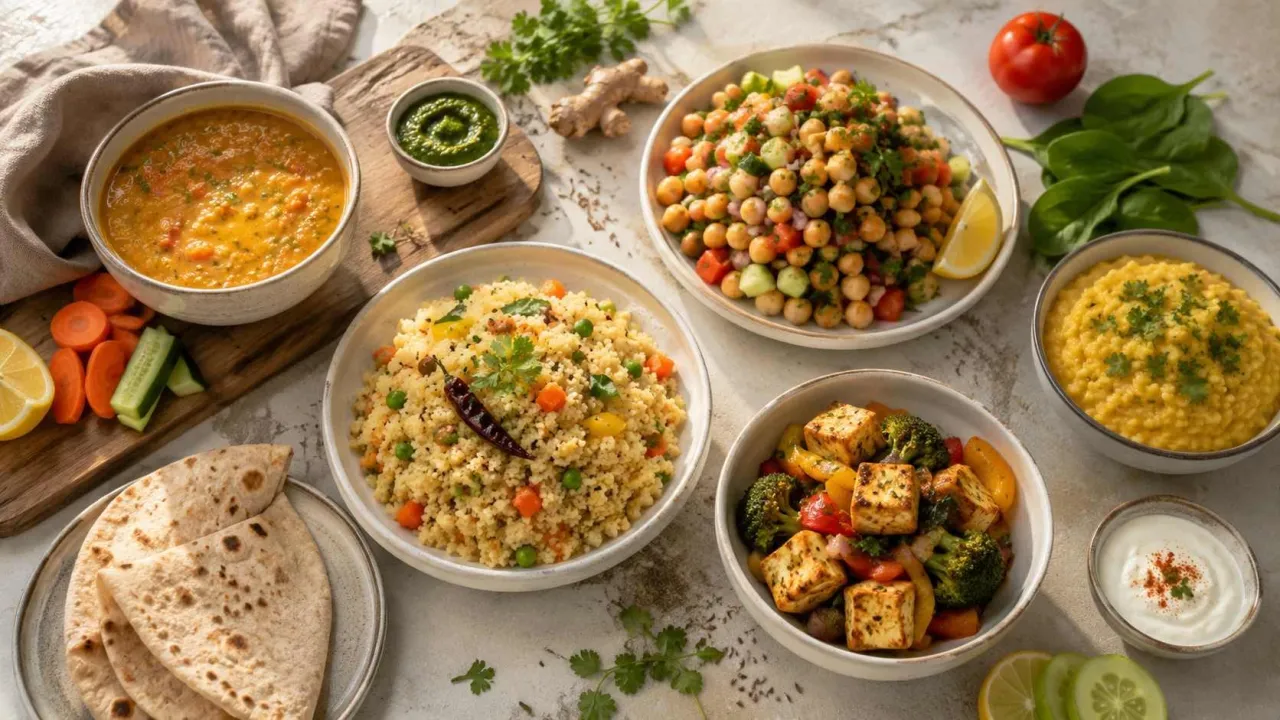
The best healthy dinner ideas for weight loss are meals that feel balanced, filling, and realistic to prepare. A useful dinner usually includes a protein source, plenty of vegetables, a sensible portion of grains or starchy foods, and simple flavors that make the meal enjoyable. Good options include dal with vegetables, paneer or tofu bowls, millet khichdi, grilled chicken or egg meals, chickpea salads, vegetable soups, and rice or roti plates with cooked sabzi. The goal is not to eat very little, but to choose dinners that support a weight-conscious routine while still feeling satisfying.
Why Dinner Choices Matter in a Weight-Conscious Routine
Dinner is often the meal where people feel the most confused. After a long day, it is common to feel tired, hungry, or tempted to order something heavy. A planned dinner can make the evening easier because you already know what to cook or assemble.
Healthy dinner ideas for weight loss are not about strict food rules. They are about choosing meals that are lighter in preparation, balanced in ingredients, and suitable for your appetite. A good dinner should help you feel comfortable, not deprived.
The most practical dinner is one you can repeat without stress. If a meal is too complicated, it may work once but not become part of your routine. Simple meals such as dal, vegetables, curd, eggs, paneer, tofu, millet, rice, roti, soups, and salads can be used in many easy combinations.
If you want to build a balanced routine from morning to night, you can also explore Easy High-Protein Breakfast Recipes for Busy Mornings. A simple breakfast and a planned dinner can make the whole day feel more organized.
What Makes a Dinner Helpful for Weight-Conscious Eating?
A weight-conscious dinner does not need to be very low in calories, completely carb-free, or limited to salads. For most beginners, the better approach is balance. A dinner plate should include enough food to feel satisfied, while avoiding unnecessary heaviness from too much oil, oversized portions, or very rich sauces.
Start by choosing a protein source such as dal, beans, lentils, tofu, paneer, curd, eggs, fish, chicken, or chickpeas. Then add vegetables for freshness, fiber, and volume. Finally, include a measured portion of rice, roti, millet, quinoa, potatoes, or another filling base if it suits your routine.
Flavor matters too. A dinner that tastes plain may leave you looking for extra snacks later. Use herbs, spices, lemon, ginger, cumin, coriander, black pepper, curry leaves, mint, chutney, or yogurt-based dips to make meals enjoyable without making them too heavy.
A Simple Formula for Building Healthy Dinners
A simple dinner formula can remove confusion. Instead of searching for a new recipe every night, use a flexible structure that works with different ingredients.
- Protein: dal, lentils, paneer, tofu, eggs, chicken, fish, chickpeas, beans, curd, or yogurt.
- Vegetables: spinach, lauki, carrot, beans, capsicum, cabbage, cucumber, tomato, pumpkin, cauliflower, or mixed greens.
- Filling base: rice, roti, millet, quinoa, sweet potato, oats, dalia, or a small portion of noodles or pasta.
- Flavor element: chutney, curd dip, lemon juice, roasted cumin, coriander, ginger, garlic, herbs, or mild spices.
This formula can create many meals. Dal with rice and sabzi, tofu with millet and vegetables, paneer with salad and roti, or egg bhurji with cooked vegetables can all fit into a practical dinner routine.
For familiar home-style meals that feel gentle and easy to prepare, Gut-Friendly Indian Recipes Using Everyday Ingredients can offer more simple Indian cooking ideas using regular kitchen staples.
Easy Healthy Dinner Ideas for Weight Loss
The dinner ideas below are beginner-friendly and flexible. You can adjust the ingredients, portion size, and spice level based on your taste, lifestyle, and comfort.
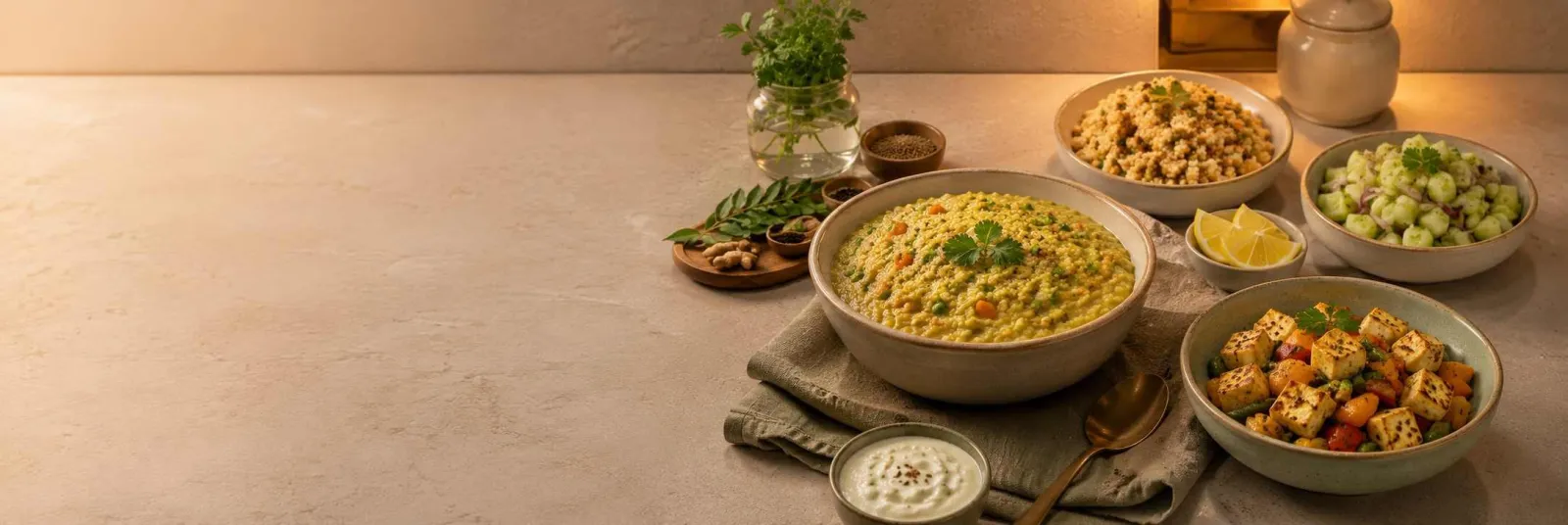
1. Moong Dal Vegetable Khichdi
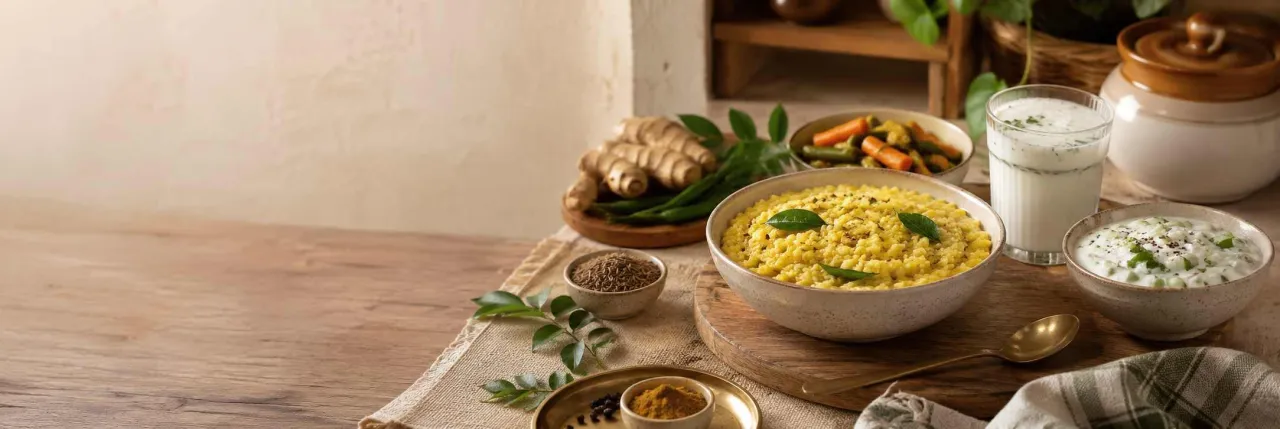
Moong dal vegetable khichdi is a soft, comforting dinner that uses simple ingredients. Cook moong dal with rice or millet, turmeric, cumin, ginger, and vegetables such as carrot, spinach, lauki, pumpkin, or beans. Add enough water to keep the texture soft and easy to eat.
This meal works well when you want something warm and simple. Pair it with curd, cucumber, or a small salad if that suits your preference. Keep the tempering light so the meal does not feel too heavy at night.
2. Paneer or Tofu Vegetable Bowl
A paneer or tofu vegetable bowl is a flexible dinner option. Start with sautéed or grilled paneer or tofu, then add cooked vegetables, cucumber, tomato, herbs, and a small portion of rice, millet, or quinoa. Use lemon juice, pepper, cumin, or a yogurt-based dip for flavor.
This dinner can be made quickly if you already have chopped vegetables or cooked grains ready. It is also easy to adjust for vegetarian or plant-based eating styles.
3. Lentil Soup with Soft Roti
Lentil soup can be made with masoor dal, moong dal, or mixed lentils. Cook the lentils with ginger, cumin, turmeric, tomato, and vegetables until soft. Blend lightly if you prefer a smooth texture, or keep it chunky for a more filling meal.
Serve it with one soft roti, a small portion of rice, or a side of cooked vegetables. This is a useful dinner when you want something warm but not overly rich.
4. Egg and Vegetable Skillet
An egg and vegetable skillet is quick and beginner-friendly. Cook onion, tomato, spinach, capsicum, mushrooms, or beans in a pan with mild spices, then add eggs and cook until set. You can make it like bhurji, an omelette-style dish, or a soft scramble.
Serve it with toast, roti, salad, or a small bowl of curd. If you do not eat eggs, use tofu or paneer in a similar style.
5. Chickpea Salad Dinner Bowl
A chickpea salad bowl can work well for evenings when you do not want a hot dinner. Combine cooked chickpeas with cucumber, tomato, onion, capsicum, coriander, lemon juice, roasted cumin, and a small amount of curd or light dressing.
You can add a small roti, toasted pita, cooked millet, or a few roasted nuts for texture. Keep the dressing separate if you are preparing it in advance.
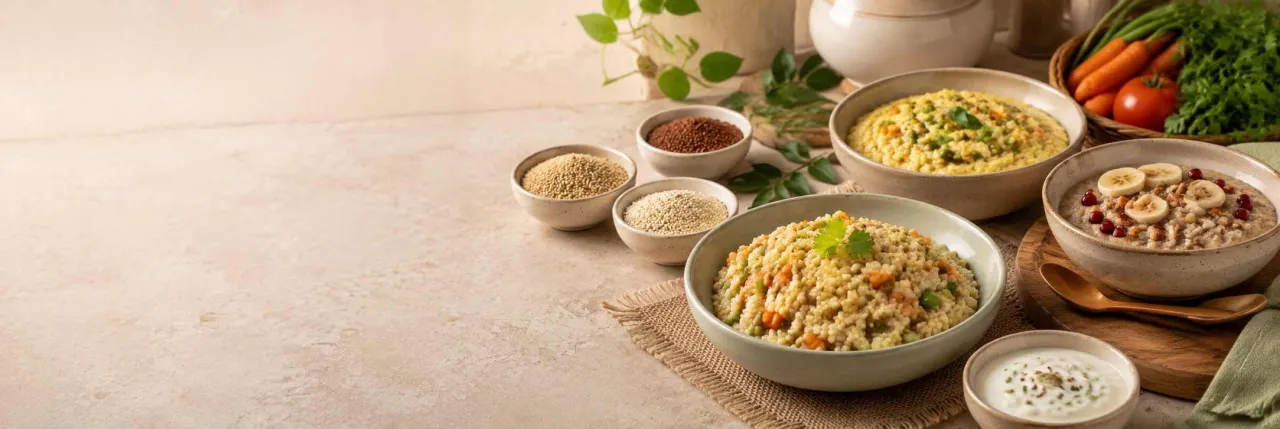
6. Millet Vegetable Upma
Millet vegetable upma can be a light but filling dinner when cooked with enough vegetables and mild spices. Use foxtail millet, little millet, or barnyard millet with mustard seeds, curry leaves, ginger, carrot, peas, beans, and capsicum.
For more millet-based meal options, read Simple Millet Recipes for Weight-Conscious Eating. Millets can add variety to dinner, but portion size and overall balance still matter.
7. Grilled Protein with Cooked Vegetables
A simple grilled protein plate can include paneer, tofu, chicken, fish, or eggs with lightly cooked vegetables. Use mild spices, lemon juice, herbs, and a small amount of oil. Add a small serving of rice, roti, quinoa, or sweet potato if you need a more filling dinner.
This meal is useful when you want a clear, simple plate without many mixed ingredients. It also works well for meal prep because the components can be cooked separately and assembled later.
Healthy Dinner Comparison Table
No single dinner is best for everyone. The right option depends on your cooking time, appetite, food preferences, and routine. Use the comparison table as a practical guide to choose meals that you can prepare and enjoy consistently.
| Dinner Idea | Main Protein Source | Best Pairing | Best For |
|---|---|---|---|
| Moong dal khichdi | Moong dal | Curd, cucumber, cooked vegetables | Comforting light dinner |
| Paneer or tofu bowl | Paneer or tofu | Millet, rice, salad, yogurt dip | Balanced vegetarian meal |
| Lentil soup | Lentils | Soft roti, salad, cooked sabzi | Warm simple dinner |
| Egg vegetable skillet | Eggs | Toast, roti, curd, vegetables | Quick weekday cooking |
| Chickpea salad bowl | Chickpeas | Millet, pita, cucumber, lemon dressing | No-fuss cold dinner |
| Millet vegetable upma | Millet with vegetables | Curd, chutney, dal, salad | Grain variety at dinner |
How to Keep Dinner Light Without Feeling Hungry
Many beginners think a light dinner means eating only soup or salad. That may work for some people, but it may leave others hungry later. A better approach is to make the meal lighter in cooking style while still including enough structure.
Add protein to the meal instead of relying only on vegetables. A vegetable soup with lentils, a salad with chickpeas, or a bowl with tofu and curd usually feels more complete than plain vegetables alone. Protein-rich foods can make dinner feel more satisfying when used in reasonable portions.
Use cooked vegetables generously. They add volume, color, and texture without making the meal feel too heavy. Soft vegetables such as lauki, pumpkin, spinach, carrot, beans, cabbage, and cauliflower can fit well into evening meals.
Also pay attention to flavor. Lemon juice, roasted cumin, ginger, garlic, coriander, mint, curry leaves, pepper, or mild chutney can make simple dinners more enjoyable. A dinner you enjoy is easier to repeat consistently.
Healthy Dinner Ideas for Different Routines
Your dinner choice should match your evening schedule. A person coming home late may need a different dinner than someone who can cook calmly at night. The best plan is the one that fits your routine without creating extra pressure.
For Very Busy Weeknights
Choose meals that need minimal cooking, such as egg bhurji with vegetables, tofu stir-fry, curd rice-style bowls, lentil soup, chickpea salad, or reheated khichdi. Keep chopped vegetables, cooked dal, or cooked grains ready to reduce cooking time.
For Family Dinners
Prepare a mild base dish such as dal, sabzi, khichdi, pulao, or soup. Keep extra chutney, salad, pickle, or spices on the side so each person can adjust flavor. This avoids making one meal too strong for everyone.
For Packed or Late Dinners
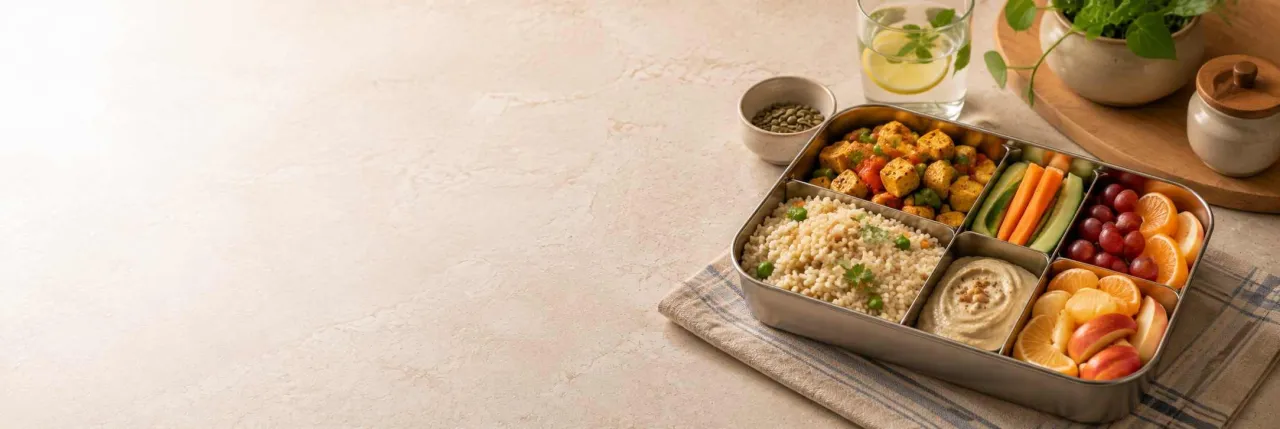
If you need to carry dinner or eat after work, choose meals that store well. Millet bowls, paneer rolls, tofu rice bowls, lentil soup in a sealed container, and chickpea salad can be practical choices. For more ideas on portable balanced meals, explore Healthy lunch box ideas.
Step-by-Step Dinner Meal Prep for Beginners
Meal prep can make dinner easier, especially on weekdays. You do not need to cook complete meals in advance. Preparing small components is often enough.
- Choose two protein options: Cook dal, boil eggs, prepare tofu, paneer, chickpeas, beans, or grilled chicken based on your preference.
- Prepare one grain base: Cook rice, millet, quinoa, dalia, or keep roti dough ready if that suits your routine.
- Chop vegetables: Keep carrot, cucumber, spinach, capsicum, beans, cabbage, or lauki ready for quick cooking.
- Make one simple dip: Prepare curd dip, mint chutney, roasted cumin curd, or lemon dressing.
- Plan three dinner combinations: Use the same ingredients in a bowl, soup, khichdi, wrap, or salad.
For broader weekly planning, Easy Meal Prep Recipes for a Healthy Week can help you organize breakfast, lunch, dinner, and snacks without cooking from scratch every day.
Common Mistakes to Avoid with Healthy Dinners
One common mistake is skipping dinner completely and then feeling very hungry later. This can make it harder to make thoughtful food choices. A simple, balanced dinner is often more practical than avoiding the meal altogether.
Another mistake is removing all carbohydrates. Rice, roti, millet, potatoes, dalia, or quinoa can fit into dinner when portions are sensible and the meal also includes protein and vegetables. The issue is usually oversized portions, not the presence of carbohydrates itself.
Some people make dinner too bland. When food feels boring, it becomes difficult to continue. Use herbs, spices, lemon, curd, chutney, and simple seasonings to make healthy dinners enjoyable.
Relying only on salads can also be a problem for some people. A salad without enough protein or filling ingredients may not feel satisfying. Add chickpeas, paneer, tofu, eggs, beans, lentils, or yogurt-based dressing to make it more complete.
Finally, avoid expecting one dinner recipe to create guaranteed results. Weight-conscious eating depends on the overall pattern of meals, portions, movement, sleep, stress, and individual needs. Dinner is one helpful part of the routine, not the entire solution.
Beginner-Friendly Checklist for Healthy Dinner Ideas
- Choose one main protein source for dinner.
- Add at least one cooked or fresh vegetable.
- Include a sensible portion of rice, roti, millet, quinoa, or another filling base if needed.
- Use simple seasonings to make the meal enjoyable.
- Avoid making dinner very oily, overly rich, or too large for your comfort.
- Keep quick options ready for busy nights.
- Prepare basic ingredients ahead of time when possible.
- Do not skip meals only because you want something lighter.
- Adjust portions based on hunger, activity, and personal routine.
- Repeat meals that work instead of trying a new recipe every night.
Simple Weekly Healthy Dinner Plan
A weekly plan can reduce last-minute confusion. You can repeat meals, swap ingredients, or use leftovers depending on what is available.
- Monday: Moong dal vegetable khichdi with curd.
- Tuesday: Paneer or tofu bowl with vegetables and millet.
- Wednesday: Lentil soup with soft roti and cucumber salad.
- Thursday: Egg or tofu vegetable skillet with toast or roti.
- Friday: Chickpea salad bowl with lemon dressing.
- Saturday: Millet vegetable upma with chutney and curd.
- Sunday: Grilled protein with cooked vegetables and a small grain portion.
This kind of plan is flexible. You can use vegetarian, egg-based, or non-vegetarian protein choices depending on your food preferences. The main idea is to keep dinner balanced, practical, and enjoyable.
How to Choose the Right Dinner for Your Goal and Schedule
Choose your dinner based on how hungry you are, how much time you have, and how your day has been. If lunch was heavy, you may prefer soup, khichdi, or a light bowl. If you had a long and active day, you may need a more filling dinner with dal, roti, vegetables, and curd.
If you are very tired, do not choose a recipe with many steps. Pick a one-pot meal, a quick skillet, or a prepped bowl. If you enjoy cooking at night, you can make a fresh sabzi, dal, and roti plate.
Personal preference matters. A healthy dinner routine should not feel like punishment. It should feel like a practical way to eat better with ingredients you can actually cook and enjoy.
Disclaimer: This article provides general information about healthy dinner ideas and balanced meal planning. These meal suggestions are not a guarantee of weight loss results. Weight changes depend on many individual factors, including overall eating patterns, activity level, lifestyle, health conditions, and personal needs. Consult a qualified healthcare or nutrition professional for personalized advice.
Reminder: Healthy dinners work best when they fit your real life. Choose simple meals, keep portions sensible, include protein and vegetables, and focus on consistency instead of expecting one perfect dinner to change everything.
Final Thoughts on Healthy Dinner Ideas for Weight Loss
Healthy dinner ideas for weight loss are most useful when they are simple, balanced, and repeatable. You do not need complicated recipes or extreme restrictions to create a better evening meal. Dal, vegetables, paneer, tofu, eggs, chickpeas, millet, rice, roti, curd, soups, and salads can all fit into a thoughtful dinner routine.
The best dinner is the one that supports your schedule, appetite, and taste preferences. Build your meal around protein, add vegetables, use a sensible portion of grains or starches, and season it well. With a few reliable recipes and small planning habits, dinner can become easier, lighter, and more consistent.
Frequently Asked Questions
What is a good healthy dinner for weight loss?
A good option is a balanced plate with protein, vegetables, and a sensible portion of grains or starches. Examples include dal with sabzi and roti, tofu bowls, lentil soup, millet khichdi, or chickpea salad.
Should I skip dinner for weight loss?
Skipping dinner is not necessary for everyone and may leave some people overly hungry later. A simple balanced dinner is often more practical than avoiding the meal completely.
Can I eat rice or roti at dinner?
Yes, rice or roti can be included in dinner when the portion suits your needs and the meal also includes protein and vegetables. Balance and portion size matter more than avoiding one food completely.
What are quick healthy dinner ideas for busy nights?
Quick options include egg or tofu bhurji, lentil soup, chickpea salad, millet upma, paneer vegetable bowl, curd rice-style bowl, or reheated khichdi with fresh sides.
How can I make dinner filling but not heavy?
Use protein and vegetables as the base, keep oil moderate, and add a sensible portion of rice, roti, millet, or potatoes if needed. Season the meal well so it feels satisfying.
Was this article helpful?
Share your feedback — select a reaction.
Are you satisfied with these answers?
If you'd like to ask something else, you can post your question here.
Comments (0)
Comments are reviewed before they appear.
Loading comments…
More Blogs
Easy High-Protein Breakfast Recipes for Busy Mornings
Gut-Friendly Indian Recipes Using Everyday Ingredients
Healthy Lunch Box Ideas for Easy Everyday Meals
High-Protein Vegetarian Indian Recipes for Weight-Conscious Eating