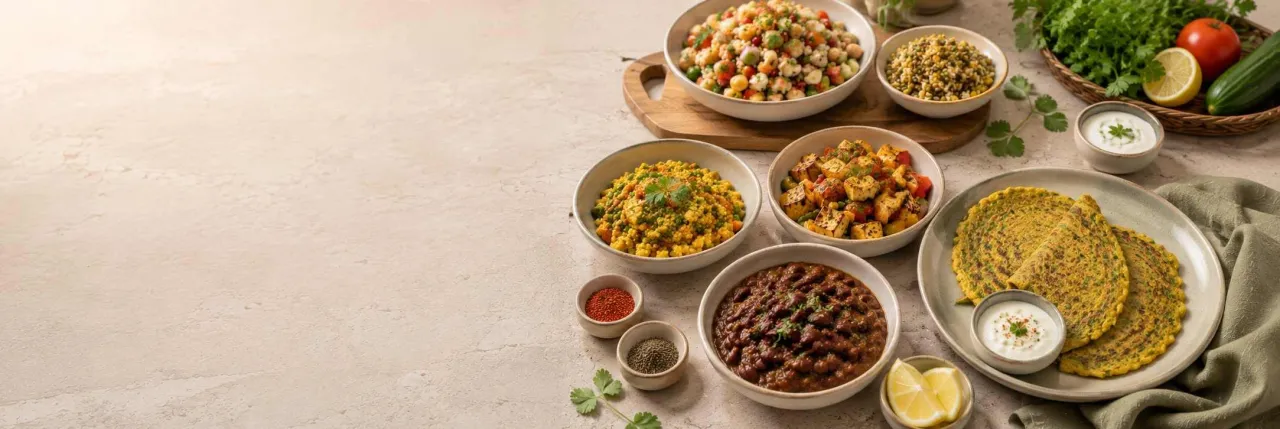
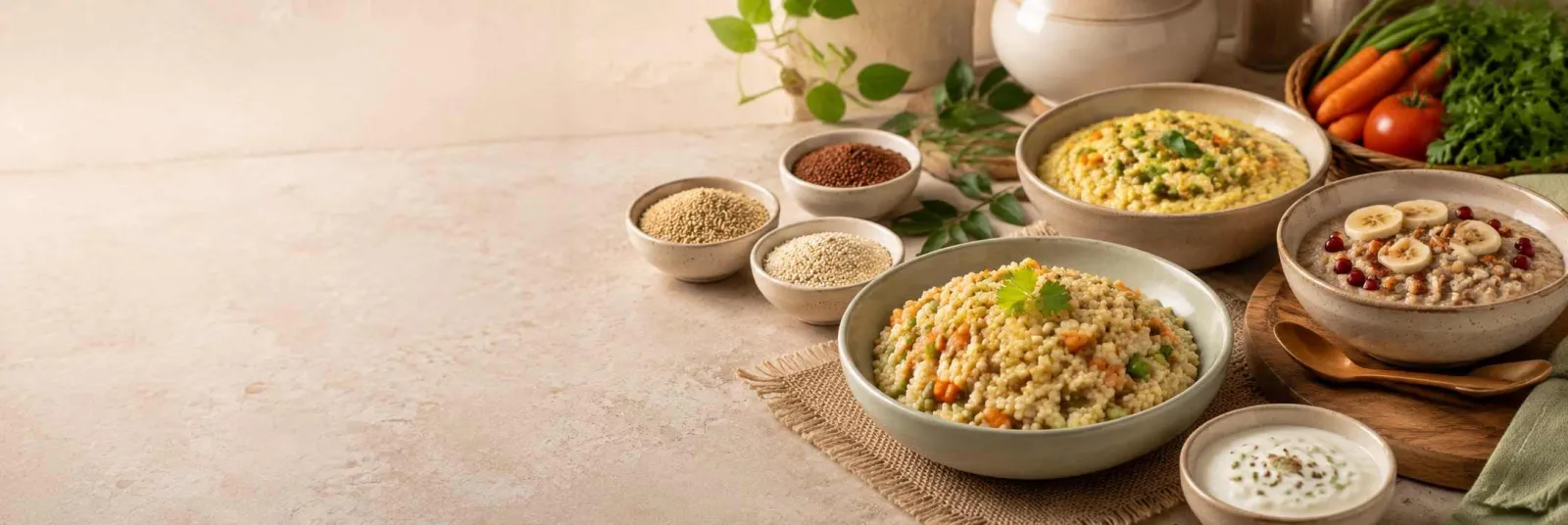
Simple Millet Recipes for Weight-Conscious Eating
What Are the Best Simple Millet Recipes for Weight-Conscious Eating?
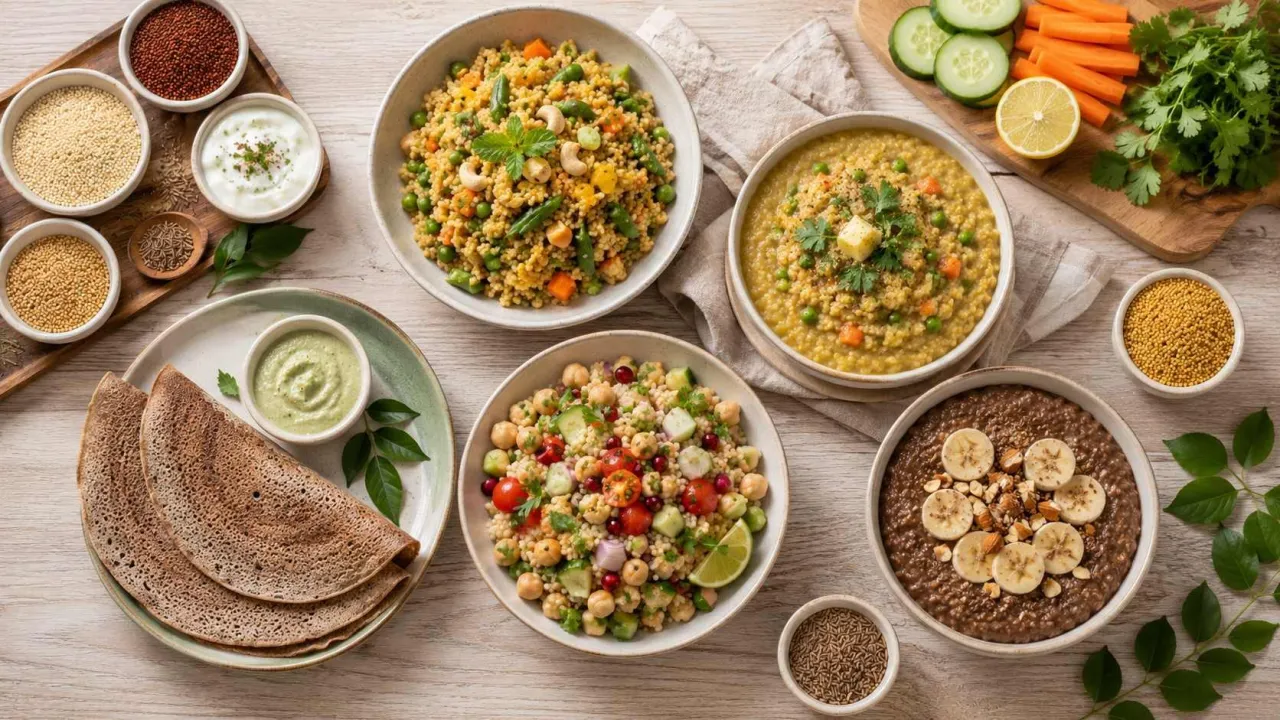
The best simple millet recipes for weight-conscious eating are meals that combine cooked millets with vegetables, protein-rich ingredients, gentle spices, and sensible portions. Good beginner-friendly options include millet upma, millet khichdi, millet curd bowl, millet vegetable pulao, millet dosa, millet salad bowls, and millet porridge. These recipes can support a more balanced eating routine when paired with dal, curd, paneer, tofu, eggs, beans, lentils, or vegetables. The goal is not to replace every grain with millet, but to use millets thoughtfully as part of a varied, practical, and satisfying meal plan.
Why Millets Can Fit Into a Weight-Conscious Eating Routine
Millets are small grains that have been used in many traditional kitchens for years. They can be cooked into soft porridges, fluffy grain bowls, upma, khichdi, dosa batter, roti-style meals, and salads. For beginners, millets are useful because they offer variety beyond regular rice, wheat, pasta, or bread.
Weight-conscious eating does not mean eating less in an extreme way. It usually means being more thoughtful about portion size, meal balance, cooking methods, and everyday choices. Millets can fit into this approach because they work well with vegetables, dal, curd, beans, and simple spices.
The most important point is balance. A millet meal becomes more useful when it includes protein, vegetables, and enough flavor to keep it enjoyable. A large bowl of plain millet without sides may not feel satisfying, while a balanced millet khichdi or millet bowl can feel much more complete.
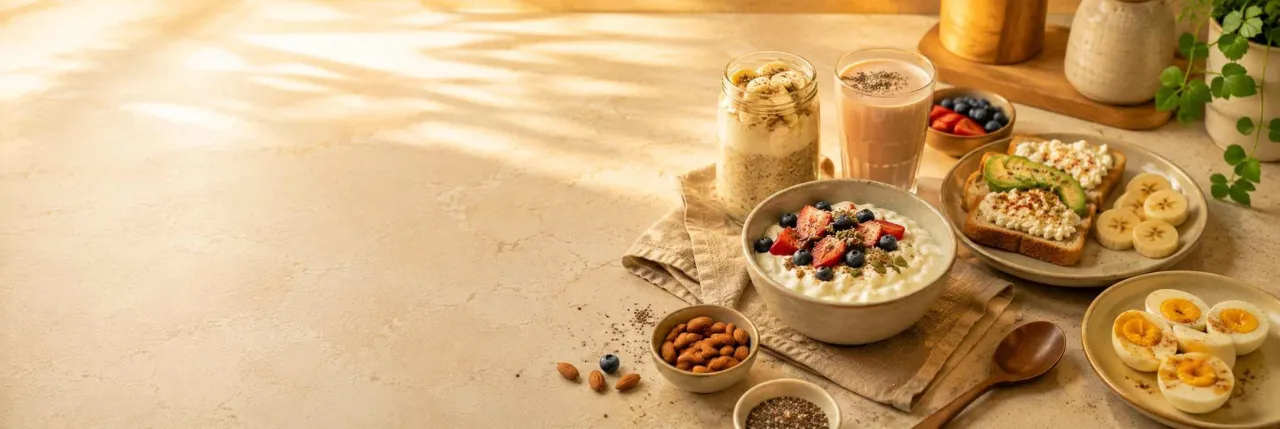
If you are planning your full day of meals, you can pair these ideas with Easy High-Protein Breakfast Recipes for Busy Mornings to build a more organized routine from the first meal of the day.
Different Types of Millets Beginners Can Use
There are several types of millets, and each one has a slightly different texture and cooking style. You do not need to use all of them at once. Start with one or two types, learn how they cook, and then slowly try more options.
| Millet Type | Common Use | Beginner-Friendly Recipe Idea |
|---|---|---|
| Foxtail millet | Upma, pulao, khichdi, bowls | Foxtail millet vegetable upma |
| Little millet | Rice-style meals, pongal, curd bowls | Little millet curd rice-style bowl |
| Barnyard millet | Khichdi, porridge, light meals | Barnyard millet khichdi with moong dal |
| Kodo millet | Grain bowls, pulao, salads | Kodo millet vegetable pulao |
| Pearl millet | Rotis, porridge, khichdi | Bajra vegetable porridge |
| Finger millet | Porridge, dosa, roti, malt-style drinks | Ragi porridge with nuts and fruit |
How to Cook Millets Properly for Better Texture
Many beginners dislike millets because they cook them the same way every time. Some millets need more water, some need soaking, and some taste better when lightly roasted before cooking. The right method depends on the dish you want to make.
For fluffy millet, rinse the grains well and use a measured amount of water. Cook until the grains are soft but separate, then let them rest before fluffing. For khichdi or porridge, use more water and cook longer until the texture becomes soft and comforting.
Soaking can make cooking easier for many millet recipes. Even a short soak may help the grains cook more evenly. If you are new to millets, start with soft recipes like khichdi, upma, or porridge before trying dry salads or rotis.
For readers who prefer simple home-style meals, Gut-Friendly Indian Recipes Using Everyday Ingredients can also help you understand how everyday grains, dal, curd, and spices can be used in practical ways.
Simple Millet Recipes for Weight-Conscious Eating
These recipes are designed to be beginner-friendly. You can adjust spices, vegetables, and portion size based on your taste, appetite, and routine.
1. Millet Vegetable Upma
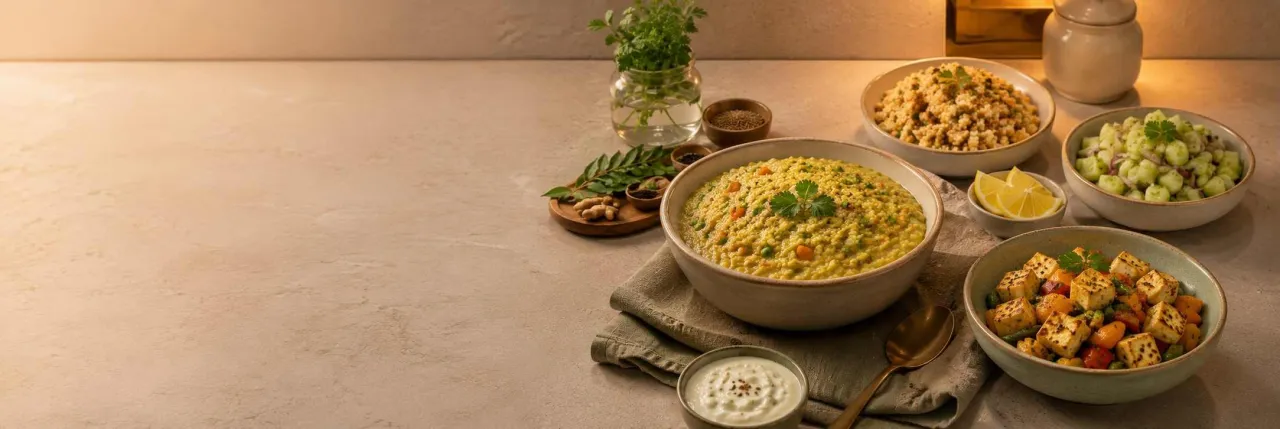
Millet vegetable upma is one of the easiest millet recipes to start with. Use foxtail millet, little millet, or barnyard millet. Rinse and lightly roast the millet, then cook it with mustard seeds, curry leaves, ginger, onion, carrot, peas, beans, and mild spices.
Use enough water so the upma stays soft rather than dry. Add lemon juice and coriander at the end for freshness. This recipe works well for breakfast, lunch, or a light dinner.
2. Moong Dal Millet Khichdi
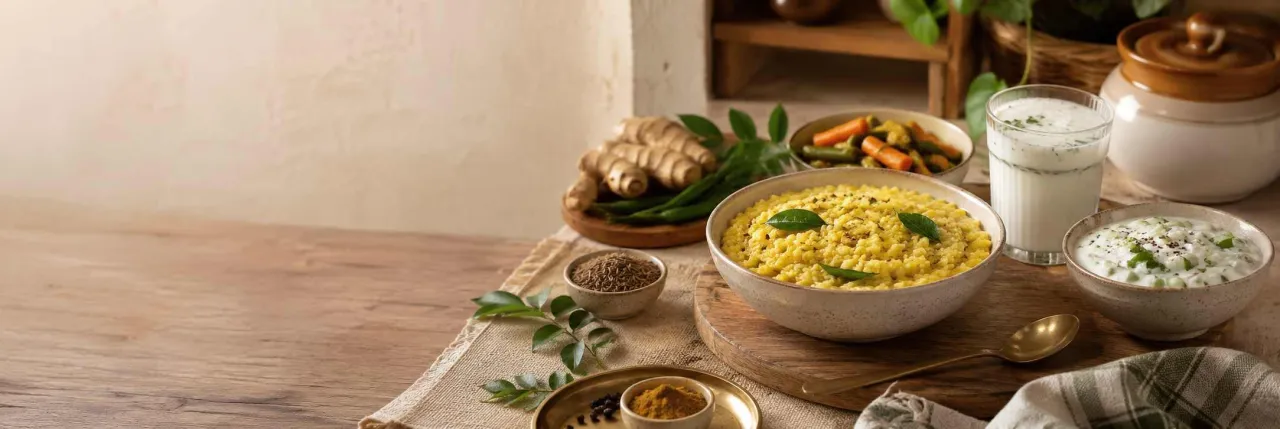
Millet khichdi is a comforting one-pot recipe. Use barnyard millet or little millet with yellow moong dal, turmeric, cumin, ginger, and soft vegetables such as carrot, spinach, lauki, or pumpkin. Cook everything until soft and slightly creamy.
This meal feels simple and balanced when paired with curd, raita, or a small salad. It is also easy to reheat, making it useful for busy days.
3. Millet Curd Bowl
A millet curd bowl is similar to curd rice but uses cooked millet instead of rice. Mix cooled cooked millet with fresh curd, grated cucumber, roasted cumin powder, curry leaves, and a mild tempering if you like.
This recipe is helpful when you want something quick and cooling in taste. Keep the texture soft by adding a little water or buttermilk if the mixture becomes too thick. Avoid leaving dairy-based meals outside for long periods, especially in warm weather.
4. Millet Vegetable Pulao
Millet pulao is a good option when you want a grain bowl that feels filling but not overly heavy. Cook millet with vegetables such as peas, carrot, beans, capsicum, cauliflower, or spinach. Use whole spices lightly and avoid too much oil.
You can serve it with curd, raita, dal, or a simple paneer or tofu side. This makes the meal more complete and enjoyable.
5. Ragi Porridge with Fruit and Nuts
Ragi porridge is a simple breakfast or evening meal. Mix ragi flour with water to remove lumps, then cook it on low heat until smooth. Add milk or curd depending on the recipe style you prefer. For flavor, use cinnamon, cardamom, fruit, nuts, or seeds.
Keep sweetness moderate and based on personal preference. A small topping of nuts or seeds can improve texture and make the bowl more satisfying.
6. Millet Salad Bowl
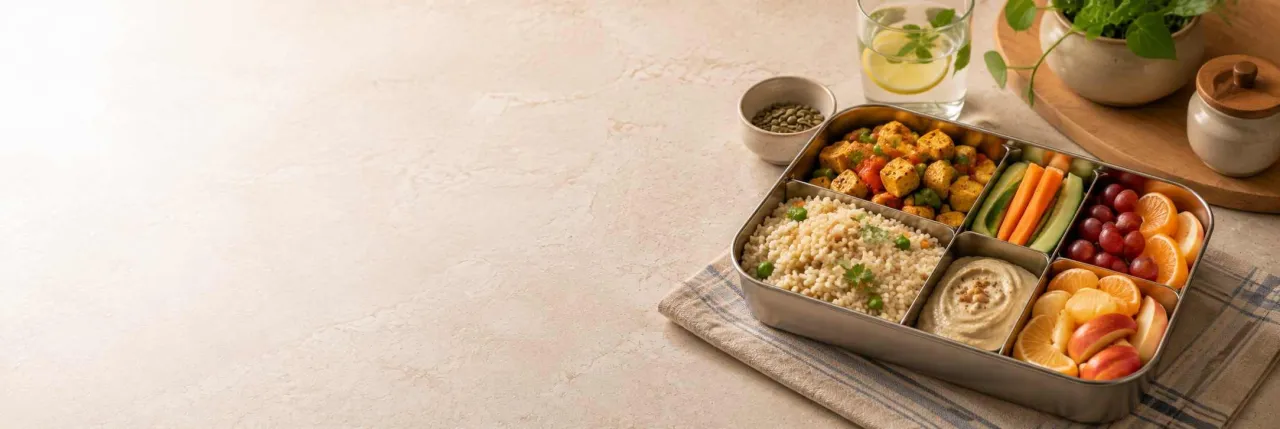
A millet salad bowl works well when you have cooked millet ready in advance. Mix cooked and cooled millet with cucumber, tomato, capsicum, corn, chickpeas, paneer, tofu, herbs, lemon juice, and a light dressing.
This recipe is useful for lunch boxes because it can be eaten cold. Keep dressing separate if you want the texture to stay fresh until lunchtime. You can also explore Healthy lunch box ideas for more practical packing combinations.
7. Millet Dosa or Cheela
Millet dosa or cheela can be made with soaked millets, dal, and mild spices. Blend the batter, rest it as needed, and cook thin pancakes on a hot pan. Serve with chutney, sambar, curd, or a vegetable filling.
This is a good way to use millets in a familiar format. If you are new to millet batters, start with small batches until you understand the texture and cooking time.
How to Build a Balanced Millet Meal
A millet recipe becomes more useful when it is part of a complete meal. Instead of eating only millet, add a clear protein source, vegetables, and a flavor element.
- Protein: dal, curd, paneer, tofu, eggs, beans, chickpeas, lentils, or yogurt.
- Vegetables: carrot, cucumber, spinach, capsicum, pumpkin, beans, peas, lauki, tomato, or cabbage.
- Flavor: ginger, cumin, curry leaves, coriander, lemon juice, mint, black pepper, or simple chutney.
- Texture: roasted seeds, nuts, crunchy salad, soft curd, or lightly cooked vegetables.
A balanced millet plate is usually more satisfying than a plain millet dish. This is especially important for weight-conscious eating because enjoyment and fullness both matter for consistency.
Millet Meal Ideas for Different Times of Day
Millets can fit into different meals, but the recipe should match your schedule. A quick breakfast needs a different approach from a packed lunch or a light dinner.
| Meal Time | Millet Recipe Idea | Helpful Pairing |
|---|---|---|
| Breakfast | Millet upma or ragi porridge | Curd, fruit, nuts, or boiled eggs |
| Lunch | Millet pulao or millet salad bowl | Raita, dal, tofu, paneer, or chickpeas |
| Snack | Small millet cheela or ragi bowl | Chutney, curd, or fresh fruit |
| Dinner | Millet khichdi or soft millet porridge | Cooked vegetables, dal, or curd |
| Meal prep | Cooked millet base | Use in bowls, salads, wraps, or khichdi |
How to Use Millets Without Overcomplicating Your Diet
You do not need to replace rice, wheat, or other grains completely. Millets can be used a few times a week as part of a varied eating routine. This approach is easier for beginners and allows your taste and cooking habits to adjust gradually.
Start with one millet recipe you already understand. For example, if you like upma, make millet upma. If you like khichdi, make millet khichdi. If you enjoy curd rice, try millet curd bowl. Familiar formats make new ingredients less intimidating.
Planning ahead can also help. Cook one batch of millet and use it in two meals: a warm pulao for lunch and a salad bowl the next day. For more weekly planning support, Easy Meal Prep Recipes for a Healthy Week can help you organize simple meals across the week.
Common Mistakes to Avoid with Millet Recipes
One common mistake is eating very large portions just because millets are considered a better choice by some people. Portion size still matters. A millet dish should be balanced with vegetables and protein instead of becoming an oversized grain-heavy meal.
Another mistake is cooking millets too dry. Dry millet can feel rough and less enjoyable, especially for beginners. Use enough water and choose soft recipes until you become comfortable with the texture.
Some people also add too many new ingredients at once. Suddenly combining millets with lots of seeds, sprouts, raw vegetables, and heavy spices may not suit everyone. Introduce changes slowly and pay attention to comfort and taste.
Skipping protein is another issue. Millet upma or millet pulao may still need curd, dal, paneer, tofu, eggs, beans, or lentils to feel more complete. This helps the meal feel satisfying instead of only grain-based.
Finally, avoid treating millets as a guaranteed solution. They are useful ingredients, but results can vary depending on the whole diet, lifestyle, portions, cooking style, and individual needs.
Beginner-Friendly Checklist for Millet Cooking
- Start with one millet type before trying many varieties.
- Rinse millets well before cooking.
- Soak millets when the recipe or texture requires it.
- Use enough water for soft, beginner-friendly meals.
- Pair millets with protein such as dal, curd, paneer, tofu, eggs, beans, or lentils.
- Add vegetables for color, freshness, and variety.
- Keep spices moderate and adjust based on taste.
- Use millets in familiar recipes such as upma, khichdi, dosa, or curd bowls.
- Avoid oversized portions just because the meal includes millet.
- Repeat recipes that feel practical instead of trying something new every day.
Simple Weekly Millet Meal Plan for Beginners
A weekly plan can help you use millets without feeling confused. You can repeat recipes, swap vegetables, or change the side dish based on what is available.
- Monday breakfast: Millet vegetable upma with curd.
- Tuesday lunch: Millet pulao with raita and cucumber salad.
- Wednesday dinner: Soft millet khichdi with moong dal and vegetables.
- Thursday breakfast: Ragi porridge with fruit and nuts.
- Friday lunch: Millet salad bowl with chickpeas and lemon dressing.
- Saturday snack: Millet cheela with chutney or curd.
- Sunday dinner: Millet curd bowl with roasted cumin and grated cucumber.
If you are looking for lighter evening inspiration, Healthy dinner ideas for weight loss can help you plan dinners that match a weight-conscious routine without making meals feel complicated.
How to Choose the Right Millet Recipe for Your Routine
The right millet recipe depends on your cooking time, appetite, and comfort with the grain. If you want something quick, choose millet upma, millet curd bowl, or ragi porridge. If you want something filling, choose millet khichdi, millet pulao, or a millet salad bowl with protein.
If you need a lunch box recipe, choose millet salad, millet pulao, or millet khichdi in a leak-safe container. If you are cooking for family, keep the spices mild and let each person add extra chutney, pickle, or seasoning separately.
Also consider texture. Some people prefer fluffy millet, while others like soft porridge-style meals. Personal preference matters, and it is completely fine to adjust water, cooking time, and recipe style until the dish feels enjoyable.
Disclaimer: These simple millet recipes are for general meal-planning and educational purposes. Individual nutrition needs, food tolerance, allergies, and health goals can vary, so adjust ingredients and portions carefully and seek professional guidance if you need personalized advice.
Reminder: Millets can be a useful part of weight-conscious eating, but they do not need to take over every meal. Start with simple recipes, balance them with protein and vegetables, and choose portions that feel realistic for your routine.
Final Thoughts on Simple Millet Recipes
Simple millet recipes for weight-conscious eating are easiest to follow when they are practical, balanced, and enjoyable. Millet upma, millet khichdi, millet curd bowls, ragi porridge, millet pulao, millet salad bowls, and millet dosa can all fit into everyday cooking when prepared thoughtfully.
The best approach is to use millets as one part of a varied meal routine. Choose familiar recipes, cook the grains properly, avoid oversized portions, and pair millets with protein, vegetables, and simple flavors. With a little planning, millets can add useful variety to breakfast, lunch, dinner, and weekly meal prep.
Frequently Asked Questions
Which millet recipe is easiest for beginners?
Millet vegetable upma and soft millet khichdi are two of the easiest options. They use familiar cooking methods, simple spices, and vegetables, making them practical for beginners.
Can I eat millet every day?
Millets can be included regularly, but variety is usually more practical than relying on one grain every day. Rotate millets with rice, wheat, dal, vegetables, and other foods based on your needs and comfort.
Do millets help with weight-conscious eating?
Millets may fit well into weight-conscious eating when used in balanced meals with protein, vegetables, and sensible portions. They are not a guaranteed result on their own, and the overall routine matters.
How do I stop millet from becoming too dry?
Use enough water, soak the grains when needed, and let them rest after cooking. For beginners, soft recipes such as khichdi, porridge, and curd bowls are often easier than dry grain dishes.
What can I pair with millet meals?
You can pair millet meals with dal, curd, paneer, tofu, eggs, beans, lentils, vegetables, chutney, raita, or salad. These additions make the meal more balanced and enjoyable.
Was this article helpful?
Share your feedback — select a reaction.
Are you satisfied with these answers?
If you'd like to ask something else, you can post your question here.
Comments (0)
Comments are reviewed before they appear.
Loading comments…