
What Are the Best Smart Shopping Tips for Buying Quality Clothes?
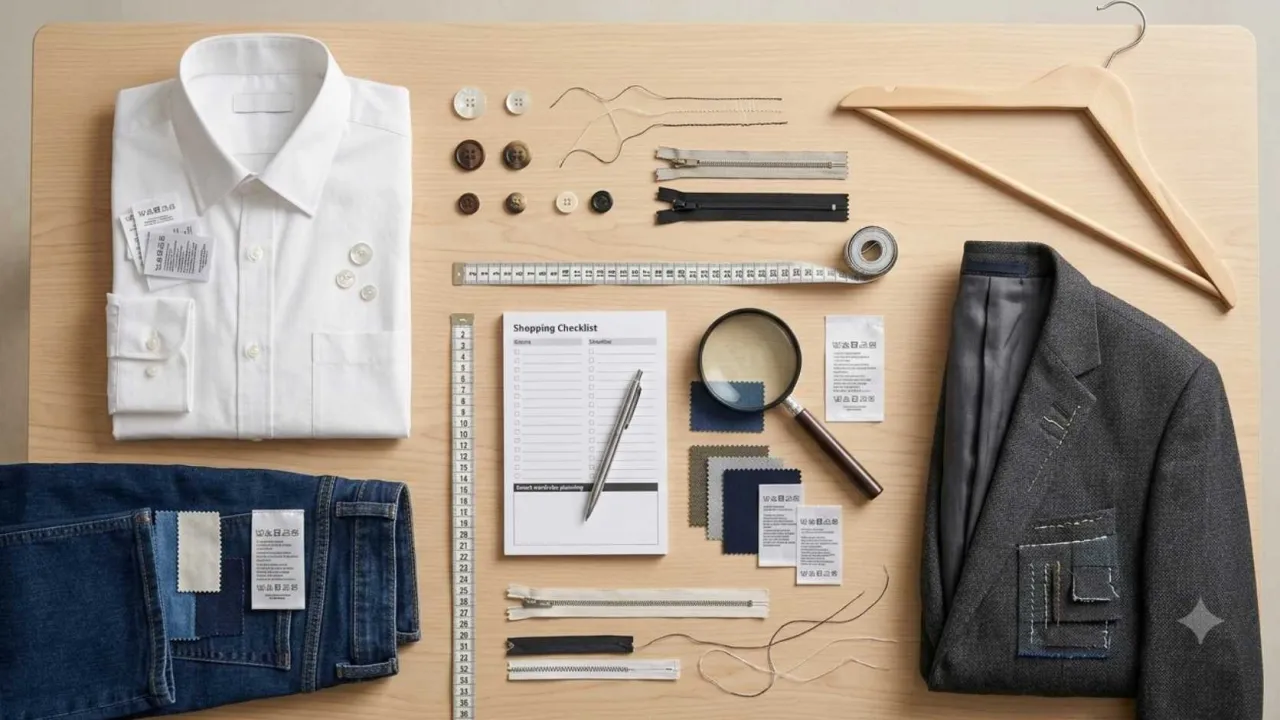
The best smart shopping tips for buying quality clothes are to plan before shopping, check fabric and stitching, try garments on carefully, read care labels, and consider how often you will realistically wear each item. Look beyond price, trends, and brand names. A useful garment should fit comfortably, work with clothes you already own, and match the amount of maintenance you can provide. Check seams, hems, buttons, zippers, lining, stretch recovery, and fabric opacity before purchasing. Avoid buying only because something is discounted. Quality is a combination of construction, suitability, comfort, care requirements, and lasting value.
What Does Quality Clothing Actually Mean?
Quality clothing is not defined by one fabric, country of manufacture, price level, or label. A quality garment is generally well constructed, suitable for its purpose, comfortable to wear, and capable of maintaining its shape and appearance with appropriate care.
A lightweight summer shirt and a structured winter coat require different materials and construction. The shirt may need breathability and soft seams, while the coat may need secure fastenings, strong lining, and enough room for layers.
Quality should therefore be judged in context. A delicate silk blouse may be beautifully made but unsuitable for someone who needs easy-care workwear. A simple cotton shirt may offer better value if it fits well, washes easily, and works with several outfits.
Your personal definition of quality should include comfort, function, maintenance, and realistic use rather than appearance alone.
Make a Shopping Plan Before You Browse
Unplanned shopping often leads to duplicate clothing, difficult-to-style colors, unsuitable fits, and purchases made mainly because of a temporary discount.
Before shopping, review your wardrobe and identify a specific gap. Instead of writing “need new clothes,” describe the item clearly. For example, you may need dark straight-leg trousers that work with three existing tops and can be worn to work and casual events.
A capsule wardrobe guide can help you identify versatile gaps and avoid buying pieces that do not coordinate with your current closet.
Create a short list that includes:
- The type of garment you need
- Your preferred fit and approximate size
- Colors that work with your existing wardrobe
- Suitable fabrics for your climate
- Care requirements you can manage
- A realistic spending limit
- The occasions or activities the item must support
A clear plan does not remove flexibility. It simply gives you a useful standard for deciding whether an attractive item genuinely belongs in your wardrobe.
Check Whether the Fabric Suits the Garment
Fabric affects comfort, drape, warmth, breathability, durability, and care. No material is automatically high or low quality; suitability depends on how the garment will be used.
Natural Fibers
Cotton, linen, wool, and silk are commonly valued for qualities such as breathability, warmth, texture, or drape. However, they may wrinkle, shrink, stretch, or require careful cleaning depending on their construction.
Synthetic Fibers
Polyester, nylon, acrylic, and other synthetic fibers may provide strength, quick drying, stretch, or wrinkle resistance. Some may retain heat or odor more easily, so consider the garment’s purpose and your comfort.
Blended Fabrics
Blends can combine useful properties. Cotton mixed with a small amount of stretch fiber may improve movement, while wool blended with a durable fiber may be easier to maintain.
Read the fiber label and feel the material. Check whether it is excessively thin, stiff, rough, slippery, or likely to cling. Hold lightweight fabric toward the light to assess opacity.
Gently squeeze a section in your hand, then release it. This can help you see how easily it creases, although the result will vary by fabric and finish.
Inspect Seams, Stitching, and Hems
Turn the garment inside out when possible. The inside often reveals more about construction than the outer appearance.
Seams should generally look even and secure. Watch for loose threads, skipped stitches, puckering, uneven seam allowances, or areas where the fabric is pulling apart.
Gently open a seam with your fingers without forcing it. If the stitching separates easily or large gaps appear, the construction may not tolerate regular wear.
Check whether hems lie flat and feel secure. A generous hem allowance may make future alterations easier, but a narrow hem can still be appropriate for lightweight garments.
Patterned fabrics require additional attention. Stripes, checks, and large prints do not always need to match at every seam, but careful alignment in visible areas may indicate more considered construction.
Examine Buttons, Zippers, and Other Fastenings
Open and close every fastening before purchasing. A zipper should move smoothly without catching the fabric, separating, or feeling unstable.
Buttons should be attached securely and positioned evenly. Check whether the buttonholes are neatly finished and large enough for comfortable use.
Hooks, snaps, buckles, and decorative fastenings should sit flat and feel secure. Look for signs of loose attachment, sharp edges, rust, or weak surrounding fabric.
If a garment includes spare buttons or thread, keep them in a labeled place after purchase. These small items can make future repairs easier.
Compare Common Signs of Clothing Quality
| Area to Check | Positive Sign | Possible Concern |
|---|---|---|
| Fabric | Feels suitable for the garment and recovers well | Unexpected stiffness, thinning, pilling, or poor opacity |
| Seams | Even stitching with secure edges | Loose threads, gaps, puckering, or skipped stitches |
| Hems | Flat, even, and securely finished | Twisting, uneven length, or weak stitching |
| Buttons | Securely attached with finished buttonholes | Loose attachment or difficult buttonholes |
| Zippers | Moves smoothly and lies flat | Catches, separates, or pulls surrounding fabric |
| Lining | Sits smoothly and allows movement | Pulling, twisting, or extending below the garment |
| Fit | Comfortable while standing, sitting, and moving | Straining, slipping, twisting, or constant adjustment |
Try Clothes On With Real Movement
A garment can look suitable while you are standing still but become uncomfortable during normal movement. Test it in ways that reflect daily use.
- Sit down and check the waistband, rise, neckline, and hem.
- Raise your arms to test shoulder and sleeve movement.
- Walk several steps and notice whether the garment twists or rides up.
- Bend gently to check coverage and comfort.
- Fasten every button, hook, and zipper.
- Check the garment from the front, side, and back.
Look for pulling lines around the chest, shoulders, hips, or thighs. Check whether pockets open, waistbands gap, sleeves restrict movement, or straps slide out of place.
Understanding how to dress according to your body type may help you identify cuts and proportions you enjoy, but comfort and personal preference should guide the final decision.
Read the Care Label Before Buying
A garment is not a practical purchase if its maintenance requirements do not fit your routine. Check whether it can be machine washed, hand washed, air-dried, ironed, or professionally cleaned.
Think about how often you will wear it. An occasional formal garment may justify specialist care, while an everyday shirt may need to be easy to wash and dry.
Also consider whether the fabric is likely to wrinkle, shrink, stretch, fade, or require careful storage. These qualities are not necessarily defects, but they affect convenience.
Following suitable clothing care tips can help maintain fabric, color, fit, and construction after purchase, but care cannot fully compensate for poor-quality materials or weak stitching.
Look Beyond the Size Label
Clothing sizes are not fully consistent between manufacturers, garment types, or countries. A familiar size may fit differently depending on the pattern and intended silhouette.
Try nearby sizes when possible. The best fit may not match the number you usually choose. Focus on how the garment sits and moves rather than treating the label as a judgment.
Check the fit at the most difficult area first. For example, a jacket may need to fit the shoulders, while trousers may need to fit the hips or waist. Some areas are easier to alter than others.
Do not buy clothing that is uncomfortable now because you hope it will fit differently later. Clothes should support your current body and routine.
Consider Cost Per Realistic Wear
Price alone does not determine value. A lower-priced item worn regularly may offer better value than an expensive piece that remains unused.
Think about how many realistic outfits and occasions the garment supports. A versatile jacket that works for work, travel, and casual events may earn more use than a highly specific piece.
Cost per wear is a planning concept rather than an exact prediction. Divide the purchase price by the approximate number of times you expect to wear the item, but keep your estimate realistic.
Do not use cost per wear to justify an unnecessary purchase. A garment can appear economical on paper while still duplicating items you already own.
Check Whether the Item Works With Your Wardrobe
Before buying, imagine at least three complete outfits using clothes and shoes you already own. If every combination requires another purchase, the item may be less versatile than it first appears.
Consider color, silhouette, season, fabric weight, and level of formality. A new blouse may match your trousers in color but still feel unsuitable because the fabrics or dress levels conflict.
Take photographs of your wardrobe or keep a simple list of frequently worn pieces on your phone. This can make comparison easier while shopping.
A coordinated wardrobe does not need to be neutral. Prints and bright colors can be versatile when they connect naturally with several existing items.
Shop Sales and Trends Carefully
A discount reduces the price, not the number of problems a garment may have. Check sale items with the same standards you would use at full price.
Ask whether you would still want the item if the discount were smaller. If the main attraction is the reduced price, it may not be a useful purchase.
Trends can be enjoyable, but consider how the item fits your personal style. A trend-led piece may still be worth buying if you genuinely like it and can imagine wearing it beyond one season.
Avoid buying several versions of an unfamiliar trend at once. Test one piece within your existing wardrobe before deciding whether the style suits you.
Evaluate Online Clothing Purchases Carefully
Online shopping requires additional checking because you cannot feel the fabric or test the fit before ordering. Compare the product photographs in different colors when available, as fabric texture and stitching may be easier to observe.
Read the complete product description, fiber content, care instructions, garment measurements, model information, and return policy. Compare garment measurements with a similar item you already own rather than relying only on a size chart.
Look closely at photographs of seams, closures, fabric texture, lining, and garment length. Be cautious when images do not show the back, interior, or important construction details.
Customer reviews may provide useful observations about fit or fabric, but experiences vary. Prioritize repeated comments that relate to measurable details, such as sleeves running short or fabric being more transparent than expected.
Keep packaging and documentation until you have inspected and tried the item under appropriate conditions.
Choose Accessories With the Same Standards
Bags, belts, scarves, jewelry, and other accessories should also be evaluated for construction, comfort, function, and maintenance.
Check bag straps, stitching, zippers, lining, handles, and attachment points. For belts, inspect the buckle, holes, edge finishing, and flexibility.
Consider whether an accessory works with several outfits and serves a genuine purpose. An essential fashion accessories guide can help you identify versatile pieces without turning every suggested item into a shopping requirement.
A small number of practical accessories may add more variety than several garments that are difficult to coordinate.
Common Smart Shopping Mistakes to Avoid
- Buying without reviewing your wardrobe: This can create duplicates and styling gaps.
- Judging quality only by price: Expensive clothing can still have unsuitable fabric or weak construction.
- Ignoring the care label: High-maintenance garments may not suit everyday use.
- Keeping an uncomfortable fit: A garment is unlikely to become more useful if it already restricts movement.
- Shopping only for an imagined lifestyle: Focus on the activities you regularly perform.
- Buying because of a discount: Reduced price does not create a genuine need.
- Overlooking small defects: Loose seams, faulty zippers, and uneven hems may worsen with wear.
- Following trends without testing them: A popular style may not fit your preferences or wardrobe.
- Assuming natural fibers are always better: Fabric suitability depends on purpose, construction, and care.
- Buying items that require more purchases: A useful piece should work with clothes you already own.
- Buying several similar items without checking what you already own.
Beginner-Friendly Quality Clothing Checklist
- Identify a genuine wardrobe gap before shopping.
- Set a realistic spending limit.
- Check the fabric composition and texture.
- Inspect seams, hems, lining, and stitching.
- Test every button, zipper, hook, and snap.
- Hold lightweight fabric toward the light.
- Try the garment while sitting and moving.
- Check fit from the front, side, and back.
- Read the complete care label.
- Consider laundry, ironing, and storage needs.
- Create at least three outfits using existing clothes.
- Compare the item with similar pieces you already own.
- Do not rely only on the size label.
- Check return conditions before buying online.
- Leave the item behind when you remain uncertain.
- Compare the garment with at least one similar option before making a final decision.
How to Make Better Shopping Decisions Over Time
Keep a brief record of successful and unsuccessful purchases. Note why frequently worn clothes work well and why other items remain unused.
You may discover patterns involving necklines, trouser rises, sleeve lengths, fabrics, colors, maintenance needs, or footwear. Use these observations to improve future decisions.
Waiting before buying can also be helpful. Leave a non-essential item for a day or longer, then reconsider whether it still fills a real need.
Do not expect every purchase to be perfect. The goal is to make more informed decisions and gradually build a wardrobe that supports your daily life.
Disclaimer: Clothing quality and value depend on construction, materials, fit, use, care, budget, and individual expectations. Inspect each garment independently rather than relying only on price, labels, or general rules.
Final Thoughts on Smart Shopping for Quality Clothes
Smart shopping tips for buying quality clothes begin with preparation. Review your wardrobe, define what you need, inspect construction, test the fit, read the care label, and consider how the item will work in real life.
Reminder: The best purchase is not always the cheapest, most expensive, or most fashionable option. Choose clothing that fits comfortably, supports your routine, coordinates with your wardrobe, and can be maintained realistically.
Shopping more carefully does not mean avoiding style or enjoyment. It means giving yourself enough information to select clothes that are more likely to be worn, cared for, and appreciated.
Frequently Asked Questions
Does a higher price always mean better-quality clothing?
No. Price may reflect materials, construction, design, marketing, or retail costs, but it does not guarantee suitability or durability. Inspect each garment and consider how it will be used.
How can I check clothing quality when shopping online?
Review fiber content, garment measurements, care instructions, close-up photographs, construction details, return conditions, and repeated fit observations from buyers.
Are natural fabrics always better than synthetic fabrics?
No. Natural and synthetic fibers offer different benefits and limitations. The most suitable option depends on climate, activity, comfort, garment design, and maintenance preferences.
How many outfits should a new clothing item work with?
There is no fixed number, but imagining at least three realistic outfits can help you judge versatility. Occasion-specific clothing may naturally have fewer combinations.
Should I buy clothes that need alterations?
A minor alteration may be practical when the garment fits well in harder-to-change areas and the total cost remains reasonable. Avoid buying pieces that require major reconstruction unless you have specialist guidance.
Is it worth paying more for better construction?
Sometimes. A higher price may be worthwhile when better construction, suitable fabric, and regular use match your needs. Evaluate each garment individually rather than assuming price reflects quality.
Was this article helpful?
Share your feedback — select a reaction.
Are you satisfied with these answers?
If you'd like to ask something else, you can post your question here.
Comments (0)
Comments are reviewed before they appear.
Loading comments…
More Blogs
Complete Guide to Women's Ethnic Fashion: Traditional Outfit Ideas for Every Occasion
Everyday Fashion Tips for Looking Stylish Without Buying New Clothes
Men’s Fashion Guide: Essential Wardrobe Pieces For A Stylish Look
Modern Fashion Trends: Modern Style Ideas and Outfit Tips for Everyday Life