What Are the Best Meal Prep Ideas for a Healthy Week?
The best meal prep ideas for a healthy week focus on preparing flexible ingredients, planning a few practical meals, portioning useful items, and storing food properly. Instead of cooking completely different dishes every day, prepare components such as grains, pulses, vegetables, snacks, and simple sauces that can be combined in multiple ways.
Useful meal prep options include cooked rice or millet, prepared dal, roasted vegetables, chopped salad ingredients, yogurt portions, homemade dips, and ready-to-use snack items. These ingredients can be used for bowls, wraps, salads, soups, curries, and quick dinners.
A successful meal preparation routine should match your household size, schedule, storage space, food preferences, and cooking habits. The goal is to reduce daily effort while keeping meals enjoyable and flexible.
What Meal Prep Really Means
Meal prep means organizing part of your cooking or food preparation before you need the meal. It may include preparing complete dishes, cooking individual ingredients, washing vegetables, portioning snacks, preparing sauces, or simply planning meals for the upcoming days.
You do not need to prepare every meal for an entire week in one session. Some people prefer a longer preparation routine on weekends, while others prepare smaller amounts two or three times during the week.
The right approach depends on your daily schedule, family requirements, available storage, cooking equipment, and personal preferences. A useful system should make life easier instead of creating extra pressure.
Meal prep can also be flexible. You may prepare only breakfasts, organize work lunches, or keep dinner ingredients ready while cooking fresh meals when needed.
Choose the Right Meal Prep Style
| Meal Prep Style | What It Involves | Best Suited For | Important Consideration |
|---|---|---|---|
| Full meal preparation | Cooking complete meals and dividing them into portions | Busy schedules and ready-to-eat lunches | Choose foods that store and reheat well |
| Ingredient preparation | Preparing grains, vegetables, pulses, sauces, or fillings separately | People who want different meal combinations | Plan multiple uses for each ingredient |
| Batch cooking | Making larger quantities of selected dishes | Soups, curries, dal, sauces, and stews | Store extra portions safely |
| Snack preparation | Washing, cutting, or portioning snack ingredients | Work, school, travel, and evening hunger | Keep ingredients fresh and properly stored |
| Partial preparation | Chopping, measuring, marinating, or organizing ingredients | People who prefer freshly cooked meals | Prepare only items suitable for storage |
Many people find ingredient preparation easier when starting because it provides flexibility. Instead of eating the same meal every day, you can create different combinations using the same prepared ingredients.
Plan the Week Before Shopping
Before buying groceries, check your upcoming schedule. Identify busy days, meals you will eat outside, and times when you need quick or portable options.
Review your refrigerator, freezer, and pantry first. Using ingredients you already have can reduce waste and make planning easier.
Choose a realistic number of meals instead of creating a completely different recipe for every day. A simple weekly plan may include:
- Two breakfast options
- Two lunch combinations
- Three flexible dinner ideas
- Two or three snack choices
- One backup meal option
Choose ingredients that can work in multiple dishes. For example, spinach can be used in oats, dal, wraps, and curries. Chickpeas can become salad, chaat, hummus, or a grain bowl.
For practical meal combinations using grains, pulses, vegetables, dairy, eggs, and other suitable foods, explore these balanced Indian meal ideas for everyday nutrition.
Choose the Right Meal Prep Style
Meal prep can look different for every household. Some people prefer cooking complete meals in advance, while others prepare only ingredients that make daily cooking faster. Choosing the right style depends on your schedule, storage space, cooking habits, and the amount of variety you want during the week.
| Meal Prep Style | What It Involves | Best Suited For | Beginner Consideration |
|---|---|---|---|
| Full Meal Preparation | Cooking complete meals and storing ready-to-eat portions | Busy weekdays, office lunches, and planned meals | Choose foods that store well and maintain good texture |
| Ingredient Preparation | Preparing grains, vegetables, pulses, sauces, or fillings separately | People who want flexibility and meal variety | Plan different combinations using the same ingredients |
| Batch Cooking | Making a larger quantity of one recipe such as dal, soup, curry, or sauce | Families and people who prefer fewer cooking sessions | Store extra portions safely or freeze suitable amounts |
| Snack Preparation | Washing fruits, portioning nuts, preparing dips, or roasting snacks | Busy mornings, work, school, and travel | Keep ingredients fresh and store them properly |
| Partial Preparation | Chopping vegetables, preparing dough, measuring ingredients, or making spice mixes | People who enjoy freshly cooked meals | Prepare only items that remain safe and useful until needed |
For beginners, ingredient preparation is often the easiest place to start. It gives you more freedom because the same cooked ingredients can become different meals throughout the week.
Plan the Week Before Shopping
A successful meal prep routine usually begins before cooking. Spending a few minutes planning your week can reduce food waste and make daily meals easier to manage.
Start by checking your schedule. Identify busy days, travel plans, work commitments, or evenings when you may need a quicker meal.
Next, review the ingredients already available in your kitchen. Using existing grains, vegetables, pulses, and pantry items can make planning simpler and more affordable.
Instead of creating a completely different recipe every day, choose a few flexible meal options that can be adjusted throughout the week.
A practical weekly plan may include:
- Two simple breakfast options
- Two lunch combinations
- Three flexible dinner ideas
- Two or three snack choices
- One quick backup meal option
Using the same ingredients in different ways saves time. For example, spinach can be added to oats, dal, wraps, or vegetable dishes. Chickpeas can be used for salads, chaat, hummus, curry, or grain bowls.
For balanced meal combinations using grains, pulses, vegetables, dairy, and other suitable foods, explore these balanced Indian meal ideas for everyday nutrition.
Build Meals From Flexible Components
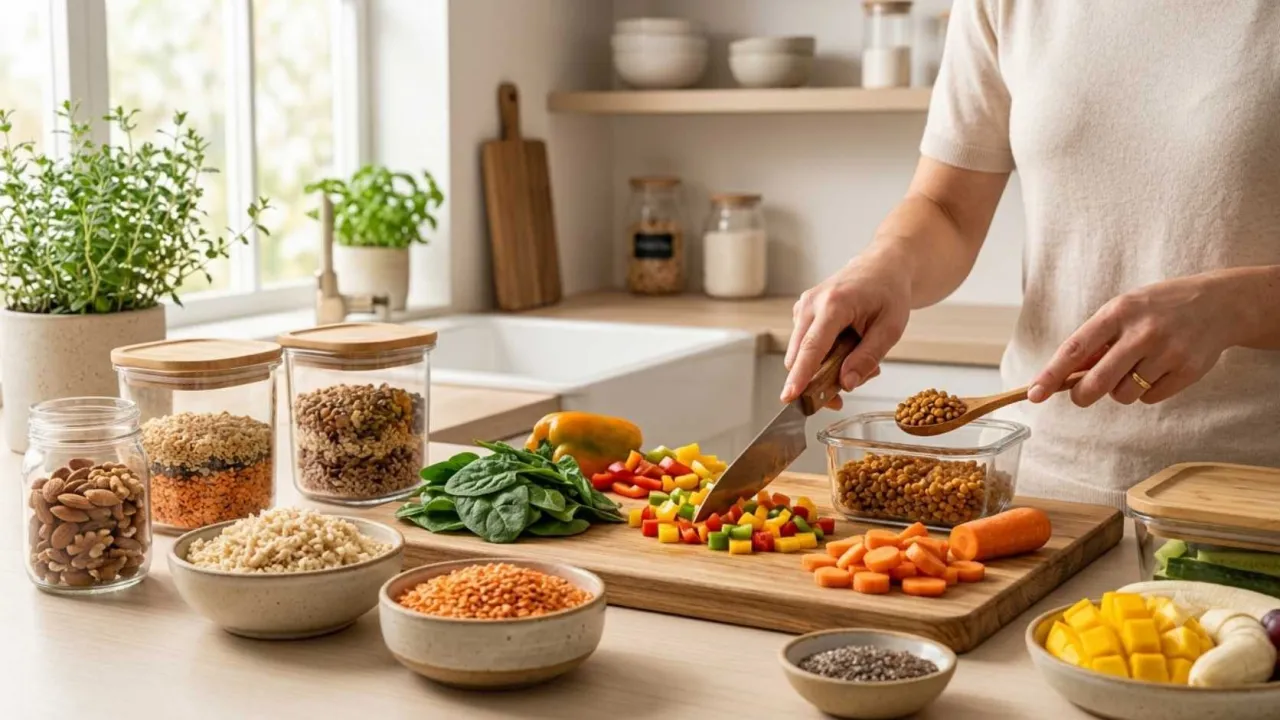
A simple meal prep system becomes easier when you prepare basic components instead of following complicated recipes. These ingredients can be mixed in different ways depending on your hunger, schedule, and preferences.
Choose One or Two Grains
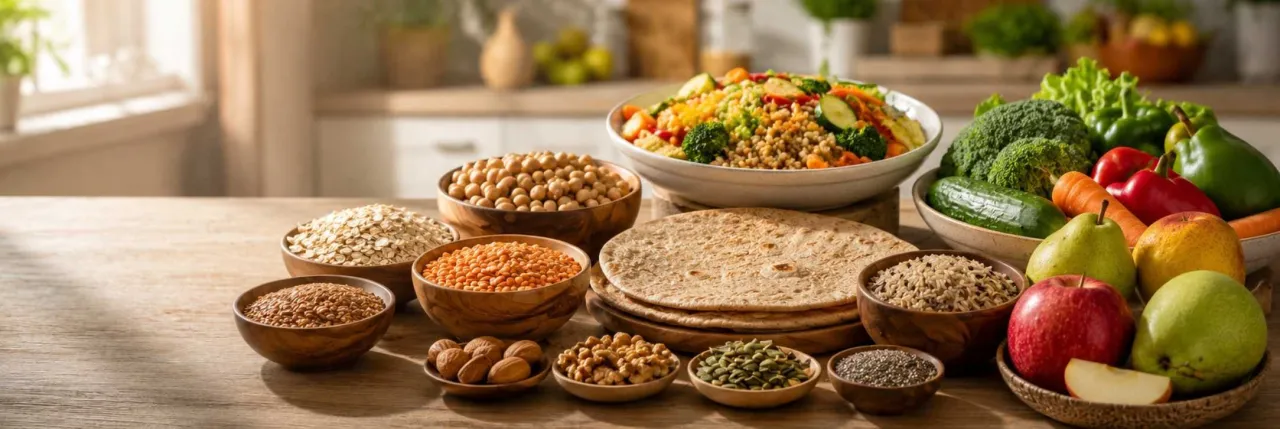
Prepare grains that already fit your regular meals. Options may include rice, brown rice, millet, quinoa, barley, oats, poha, pasta, or whole-wheat dough.
You do not need to add unfamiliar grains immediately. The best choices are the ones your household already enjoys and can use regularly.
Prepare a Protein or Pulse Source
Lentils, chickpeas, beans, tofu, eggs, yogurt, paneer, chicken, fish, or other preferred protein sources can become the base of multiple meals.
Prepare and store each ingredient according to its specific requirements. Keeping portions ready can make assembling meals much faster during busy days.
Add Different Vegetables
Vegetables bring colour, texture, and variety to prepared meals. You can wash salad ingredients, chop cooking vegetables, roast vegetables, or prepare simple mixed vegetable dishes.
Combining fresh and cooked vegetables gives you more options throughout the week.
Prepare Simple Flavor Bases
A good sauce or seasoning base can change the taste of the same ingredients. Useful options include yogurt dips, tomato bases, chutneys, lemon dressings, herb mixtures, or roasted spice blends.
Small flavor changes can help prevent meals from feeling repetitive.
For more ideas using lentils, beans, vegetables, whole grains, fruits, nuts, and seeds, explore these high-fiber foods and simple recipes for everyday meals.
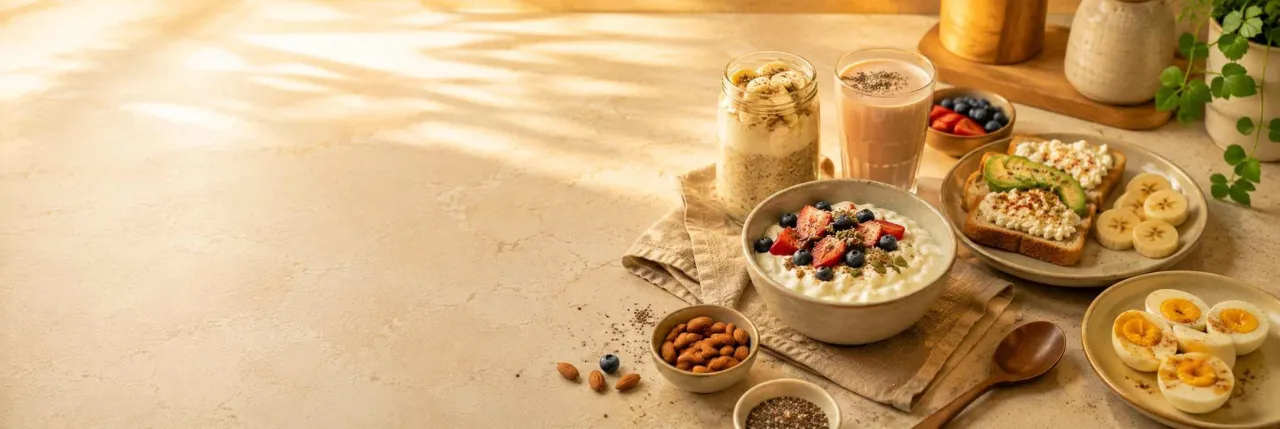
Simple Breakfast Meal Prep Ideas
Overnight Oats
Overnight oats are a convenient breakfast option that can be prepared ahead. Combine oats with milk, yogurt, or another suitable liquid, then add fruit, seeds, cinnamon, or chopped nuts before serving.
Keep crunchy ingredients separate if you prefer better texture. Prepare a few portions at a time so you can change flavours during the week.
Vegetable Oats Preparation
Wash and chop quick-cooking vegetables such as carrots, peas, spinach, or tomatoes in advance. Store them properly and cook fresh oats whenever needed.
This method saves preparation time while keeping the breakfast fresh.
Egg and Toast Preparation
Keep simple breakfast ingredients ready, such as whole-grain bread, washed vegetables, and properly prepared eggs.
This creates a quick meal without requiring a complete breakfast preparation session every morning.
Poha Preparation Kit
Prepare additions such as chopped onions, carrots, beans, coriander, peanuts, and spices ahead of time.
Keep flattened rice dry until cooking so the final dish maintains a better texture.
Fruit and Yogurt Portions
Keep whole fruits available and portion yogurt, seeds, and nuts when convenient. Assemble the bowl close to eating time for better freshness.
Easy Lunch Meal Prep Ideas
Lunch meal prep becomes easier when you prepare flexible ingredients that can be combined in different ways. Instead of storing the same meal every day, prepare a few basic components and create different combinations throughout the week.
Grain and Pulse Bowls
Prepare cooked grains such as rice, millet, barley, or another preferred option. Combine them with lentils, chickpeas, beans, vegetables, and a simple dressing or yogurt-based topping.
Keep wet ingredients such as sauces or dressings separate until serving. This helps maintain better texture and keeps the meal fresher.
Roti and Vegetable Meal Boxes
Prepare roti dough, vegetables, dal, or suitable side dishes according to your routine. Store components separately so meals can be adjusted based on appetite.
Choose dishes that maintain good texture after storage and reheating, especially when preparing lunch for work or school.
Whole-Wheat Wrap Preparation
Prepare fillings such as chickpeas, paneer, eggs, cooked vegetables, beans, or simple spreads. Keep the filling balanced and avoid adding too much moisture before storing.
Assemble wraps closer to serving time whenever possible to prevent the bread from becoming soft or difficult to handle.
Lentil or Bean Soup
A large batch of lentil or bean soup can provide a convenient lunch option. Add vegetables, herbs, tomatoes, and mild spices according to your preference.
Cool and store portions properly. Serve with roti, rice, whole-grain toast, or a side salad for a more complete meal.
Flexible Dinner Preparation for Busy Evenings
Dinner meal prep does not always mean cooking complete meals in advance. Preparing ingredients ahead can reduce cooking time while allowing fresh meals each day.
Prepare a Curry Base
A simple onion, tomato, ginger, garlic, and spice base can be prepared ahead and used with different ingredients throughout the week.
You can combine this base with chickpeas, beans, paneer, eggs, vegetables, or other suitable ingredients to create different meals.
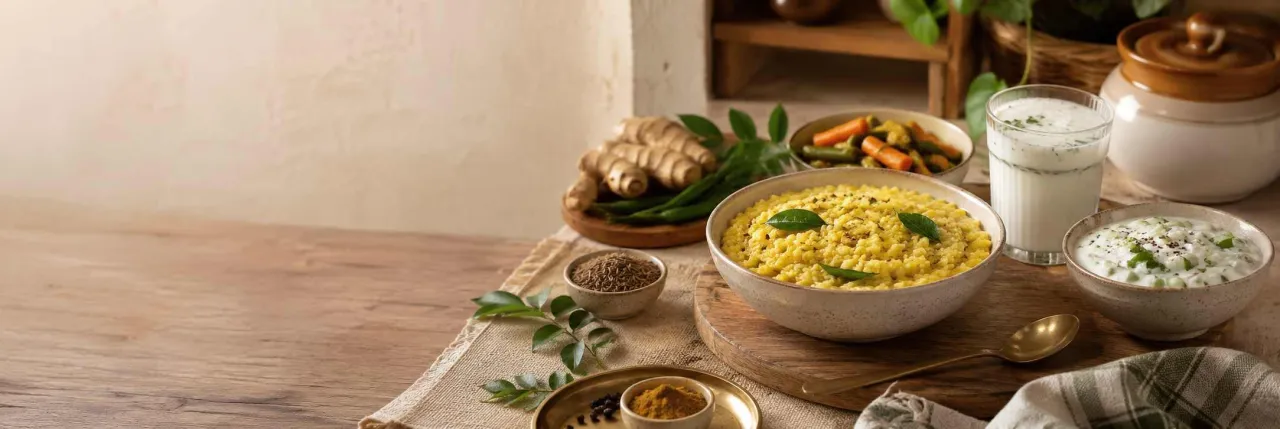
Keep Cooked Dal Ready
Dal is a versatile option that can be served with rice, roti, vegetables, or salad. Changing vegetables, spices, or tempering methods can create variety without extra effort.
Prepare Roasted Vegetables
Roasted vegetables can be used in many ways, including grain bowls, wraps, sandwiches, pasta dishes, omelets, or dinner sides.
Choose vegetables that store well and maintain their texture after preparation.
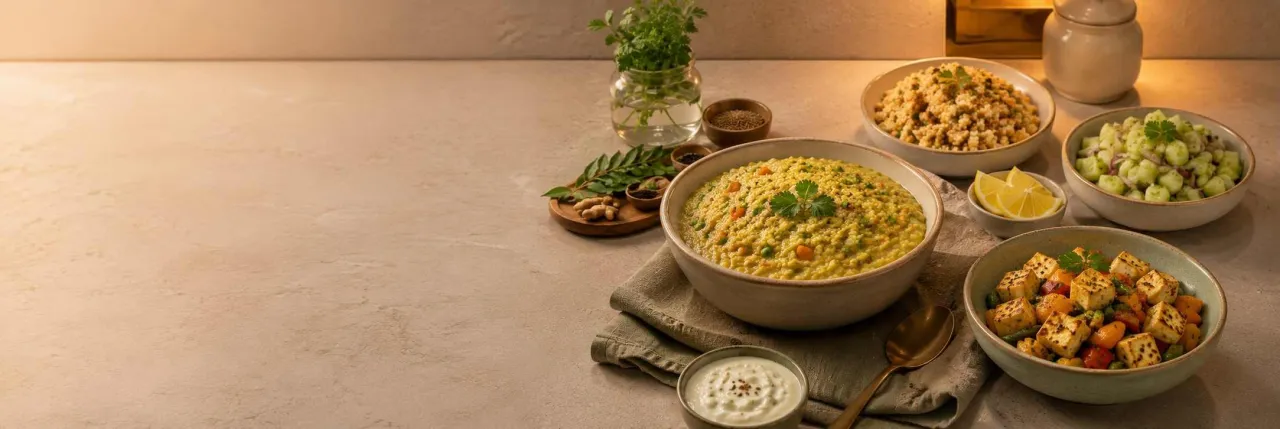
Create a Simple Khichdi Kit
Measure rice, lentils, and dry spices in advance. Keep vegetables prepared separately so the meal can be cooked quickly when needed.
This approach saves time while allowing you to enjoy a freshly cooked meal.
Keep One Backup Meal Option
Unexpected busy days can interrupt even the best meal plans. Keep simple ingredients available for quick meals such as dal with rice, vegetable omelet, soup with toast, or a freezer-friendly prepared portion.
Meal Prep Ideas for Snacks and Evening Hunger
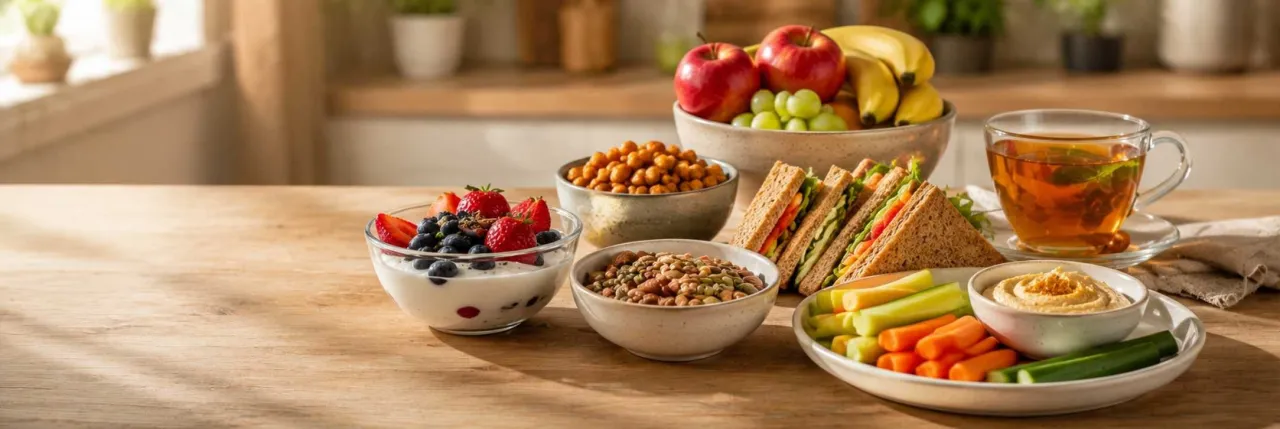
Preparing snacks in advance can make busy days easier and reduce last-minute food choices. Simple preparation such as washing fruits, portioning nuts, or preparing dips can save time.
Useful snack combinations include:
- Fruit with nuts or seeds
- Yogurt with oats or fruit
- Roasted chickpeas with mild seasoning
- Vegetable sticks with bean-based dip
- Whole-grain crackers with a simple topping
- Small portions of poha, chilla, or sprouts chaat
Choose snack portions according to hunger, activity level, and meal timing. More practical options are available in these healthy evening snack ideas for everyday energy.
Prepare Drinks Without Extra Effort
Meal prep can also include simple drink planning. Keeping clean bottles ready and making water easily available can support a more organised daily routine.
You can prepare ingredients for mild beverages such as infused water, unsweetened tea, buttermilk, or other suitable drinks when they fit your meals.
Wash ingredients such as lemon, cucumber, or herbs beforehand, but add them close to serving time when possible to maintain better flavour and texture.
Milk-based and yogurt-based drinks require proper refrigeration. Prepare reasonable quantities instead of storing more than your household can use.
For more simple drink ideas and preparation tips, explore these healthy homemade drinks for everyday hydration.
How to Store Meal Prep Safely
Safe storage is an important part of any meal prep routine. Use clean containers with secure lids and keep prepared foods organised.
Store raw and cooked ingredients separately when needed. This helps maintain food quality and reduces the chance of unwanted contact between ingredients.
Allow cooked foods to cool appropriately before refrigeration. Smaller containers can help portions cool more evenly and make serving easier.
Label containers with the food name and preparation date. This makes it easier to use older items first and avoid unnecessary waste.
Keep sauces, dressings, crunchy toppings, and wet ingredients separate when texture matters. Freeze suitable portions when you have prepared more food than you can use in time.
Reheat only the portion you plan to eat instead of repeatedly warming a large container. Follow reliable food-safety practices suitable for your location and household.
Choosing the Right Meal Prep Containers
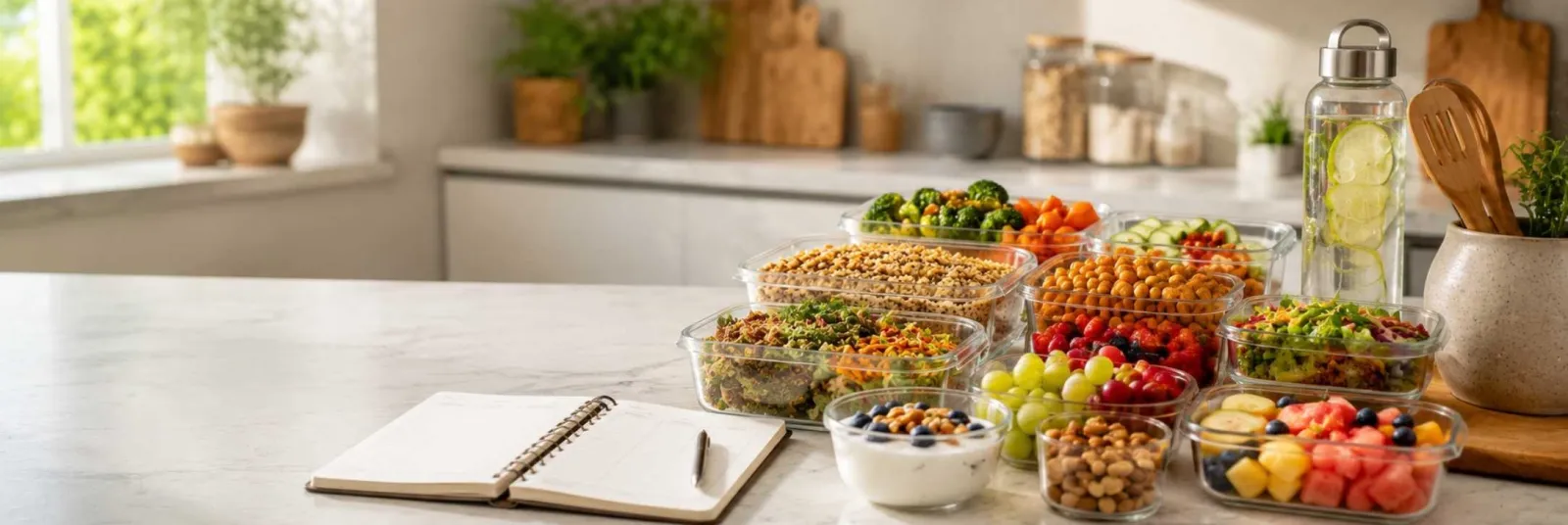
You do not need a large collection of containers to begin meal prep. Start with a few good-quality food-safe containers that match your regular meals.
Consider:
- Secure lids to prevent spills
- Suitable size for your portions
- Easy cleaning
- Storage space available in your kitchen
- Whether the container suits your travel or work needs
Glass containers can be useful because contents are easy to see, while lightweight containers may be more convenient for carrying meals.
Storing ingredients separately can provide more flexibility than filling every container with a complete meal. You can combine the same prepared foods in different ways during the week.
A Simple Weekly Meal Prep Example
| Prepared Item | Possible Uses |
|---|---|
| Cooked rice or millet | Grain bowls, curry meals, khichdi, or quick rice dishes |
| Cooked chickpeas | Salads, curry, hummus, wraps, or chaat |
| Roasted vegetables | Sandwiches, bowls, pasta, eggs, or side dishes |
| Plain yogurt | Breakfast bowls, dips, raita, or snacks |
| Washed fruit | Breakfast, travel snacks, or yogurt toppings |
| Tomato-based sauce | Curry, pasta, vegetables, beans, or soup |
A small number of prepared ingredients can create many meals. Changing spices, sauces, and serving styles helps maintain variety without increasing cooking effort.
How to Avoid Eating the Same Meal Every Day
One common challenge with meal prep is boredom. Eating the same dish repeatedly can make a healthy routine difficult to maintain. The solution is not preparing more recipes, but using prepared ingredients in different ways.
For example, cooked chickpeas can become a salad, curry, wrap filling, hummus, or roasted snack. Cooked grains can be used for bowls, side dishes, fried rice-style meals, or mixed recipes.
Adding different flavours can also create variety. Use herbs, chutneys, yogurt dips, lemon, spices, or simple dressings close to serving time.
If you prepare a large batch, consider freezing suitable portions or making a smaller second batch later in the week. This keeps meals more enjoyable and flexible.
Common Meal Prep Mistakes to Avoid
- Preparing too much food: Large quantities may lead to waste if your schedule or appetite changes.
- Planning too many recipes: A complicated plan can make meal prep difficult to repeat consistently.
- Ignoring storage requirements: Different foods have different storage needs and textures.
- Leaving prepared food unmanaged: Cooked and perishable foods should be handled and stored properly.
- Mixing wet and dry ingredients too early: Salads, wraps, and snacks may lose their texture.
- Forgetting snacks: Unplanned hunger can make it harder to follow your meal routine.
- Buying too many unfamiliar ingredients: Start with foods your household already enjoys.
- Making every meal identical: Variety helps keep meal prep enjoyable.
- Not labeling containers: Dates and contents become harder to track.
- Trying to complete everything in one session: A smaller preparation routine is often easier to maintain.
Beginner-Friendly Meal Prep Checklist
- Review your weekly schedule before planning meals.
- Check available ingredients at home.
- Create a realistic shopping list.
- Select flexible recipes and ingredients.
- Prepare one or two grains.
- Cook pulses, beans, or another preferred protein source.
- Wash and organise fruits and vegetables.
- Prepare one simple sauce, dip, or flavour base.
- Create easy snack options.
- Use clean containers with secure lids.
- Label prepared food with names and dates.
- Store ingredients according to their requirements.
- Keep a quick backup meal option available.
- Review what worked and adjust next week’s plan.
- Keep the routine flexible according to your household needs.
How to Make Meal Prep a Sustainable Habit
The easiest way to maintain meal prep is to start with the part of your day that creates the most difficulty.
If mornings are rushed, prepare breakfast ingredients. If lunch planning is stressful, focus on two or three ready-to-use lunch options. If evenings are busy, prepare vegetables, sauces, or basic ingredients that reduce cooking time.
Set a realistic preparation schedule. You do not need to spend an entire day cooking. Washing vegetables, preparing grains, cooking dal, or portioning snacks may already make your week easier.
Notice what your household actually uses. If certain foods remain unused or portions are too large, adjust the next preparation session.
A successful meal prep routine should support your lifestyle, not create additional pressure. Leave room for fresh cooking, social meals, leftovers, and changes in your schedule.
Disclaimer: This article provides general meal-planning information. Storage methods, portions, and ingredient choices may need adjustment according to allergies, dietary restrictions, pregnancy, age, medical guidance, and individual requirements.
Final Thoughts on Meal Prep Ideas for a Healthy Week
Meal prep ideas for a healthy week are most useful when they make everyday cooking easier without removing flexibility. Preparing a few ingredients, organising snacks, planning meals, and storing food properly can reduce daily stress.
Remember: You do not need to prepare seven identical meals at once. Start with small steps, choose foods your household already enjoys, and build a routine that fits your schedule.
The best meal prep system is not the most complicated one. It is the one that helps you save time, reduce waste, enjoy balanced meals, and continue comfortably over the long term.
Frequently Asked Questions
How many days should a beginner meal prep at once?
Beginners can start with two or three days of meals or ingredients. A shorter preparation period is easier to manage, store, and adjust according to experience.
Do I need to prepare every meal completely in advance?
No. Meal prep can include preparing ingredients such as grains, vegetables, pulses, sauces, or snacks. Complete meals are optional and depend on your routine.
What foods are easiest for weekly meal preparation?
Simple options include cooked grains, lentils, beans, roasted vegetables, soups, washed fruits, yogurt portions, boiled eggs, and basic sauces when stored properly.
How can I prevent meal prep food from becoming boring?
Use the same ingredients in different ways, change flavours with sauces and seasonings, store some ingredients separately, and avoid preparing more portions than you can comfortably enjoy.
Can meal prep work for a family?
Yes. Families can prepare flexible ingredients in larger quantities and allow each person to combine meals according to their preferences, appetite, age, and dietary requirements.
Was this article helpful?
Share your feedback — select a reaction.
Are you satisfied with these answers?
If you'd like to ask something else, you can post your question here.
Comments (0)
Comments are reviewed before they appear.
Loading comments…