High-Fiber Foods and Simple Recipes for Everyday Meals
What Are the Best High-Fiber Foods for Everyday Meals?
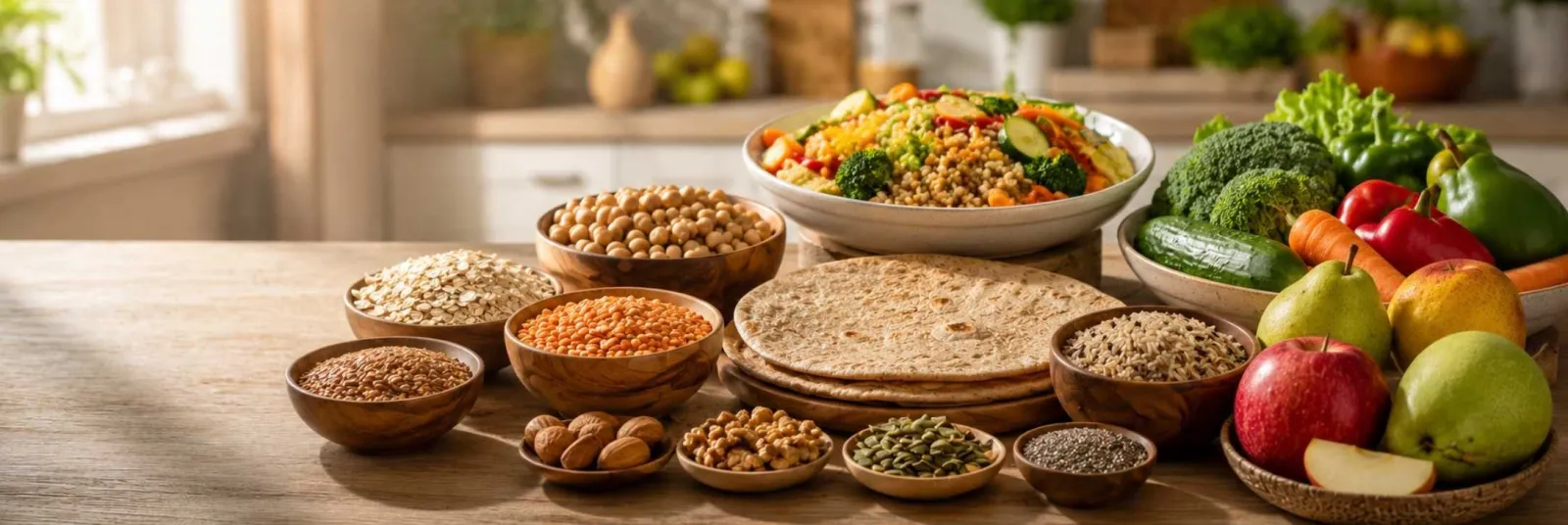
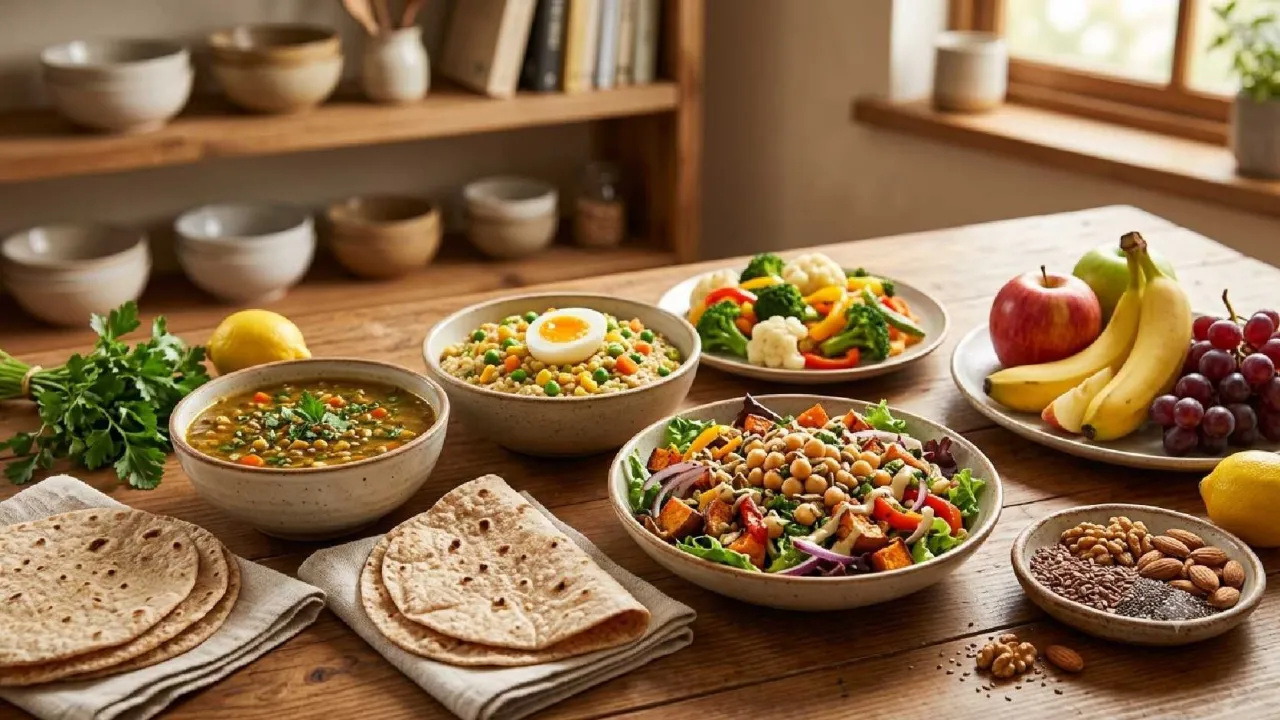
The best high-fiber foods for everyday meals include beans, lentils, chickpeas, whole grains, vegetables, fruits, nuts, and seeds. Simple options such as oats, brown rice, whole-wheat roti, apples, pears, carrots, peas, and cooked dal can be added to regular meals.
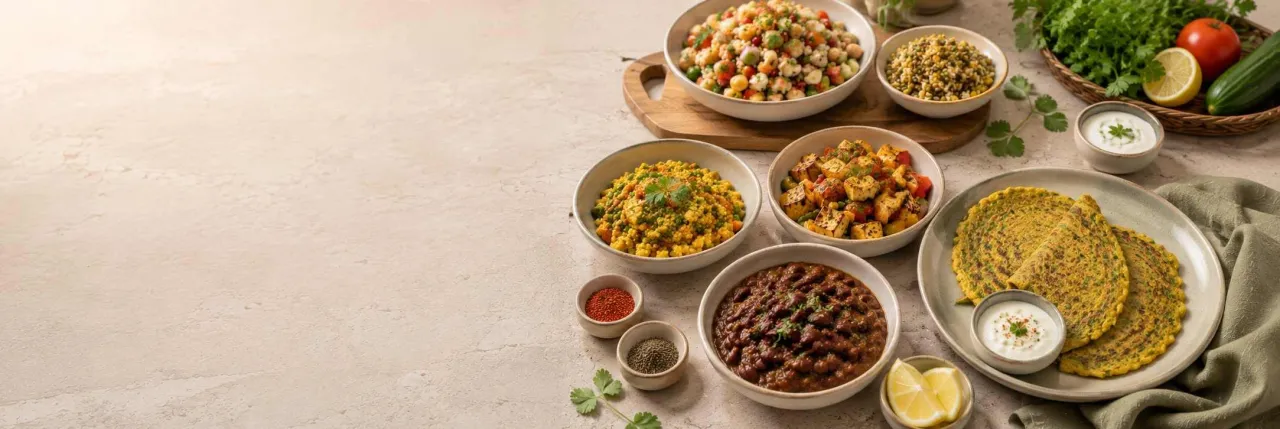
Add these foods gradually and combine them with other meal components such as protein sources and healthy fats. Practical recipes like vegetable oats, lentil soup, chickpea salad, bean wraps, fruit bowls, and mixed-grain khichdi can make fiber-rich eating easier.
A variety of foods and consistent habits are usually more practical than depending on one single ingredient. Choose options that match your taste, budget, culture, and daily routine.
Why Fiber-Rich Foods Belong in Everyday Meals
Fiber is a natural component of plant foods that is found in fruits, vegetables, pulses, whole grains, nuts, and seeds.
Fiber-rich ingredients can improve the texture and variety of meals. Foods such as beans, oats, vegetables, and whole grains often create satisfying meals because they add structure and different flavors.
You do not need to make every meal extremely high in fiber. A practical approach is to include different plant-based foods throughout the day and adjust portions according to your comfort.
Fiber works best as part of an overall balanced eating pattern. Meals should still consider energy needs, food preferences, cultural habits, budget, and any personal dietary requirements.
Understand the Main Types of Fiber
Fiber is commonly grouped into two main types: soluble fiber and insoluble fiber. Many plant foods contain a combination of both, so there is usually no need to track each type separately.
Soluble Fiber
Soluble fiber absorbs water and can create a softer texture. It is commonly found in foods such as oats, barley, beans, lentils, apples, citrus fruits, and some seeds.
These ingredients work well in meals like porridge, soups, stews, smoothies, and soaked recipes because they can blend easily with liquids.
Insoluble Fiber
Insoluble fiber adds structure and bulk to plant foods. It is commonly found in whole grains, vegetable skins, nuts, seeds, and many leafy or firm vegetables.
You can include it through foods such as whole-grain breads, brown rice, salads, roasted vegetables, and fruits eaten with suitable edible skins.
Instead of focusing on only one type of fiber, aim for variety. A meal containing lentils, vegetables, and whole grains naturally provides different types of plant-based ingredients.
High-Fiber Foods You Can Use Regularly
| Food Group | Common Options | Simple Ways to Use Them |
|---|---|---|
| Pulses | Lentils, chickpeas, kidney beans, black beans, peas | Dal, soups, salads, curries, wraps, and grain bowls |
| Whole grains | Oats, brown rice, barley, whole wheat, millet | Porridge, roti, khichdi, upma, and mixed-grain meals |
| Vegetables | Carrots, peas, beans, spinach, broccoli, cauliflower | Stir-fries, soups, curries, fillings, and side dishes |
| Fruits | Apples, pears, oranges, guava, berries, bananas | Whole snacks, breakfast bowls, salads, and yogurt toppings |
| Nuts | Almonds, peanuts, walnuts, pistachios | Small snacks, toppings, chutneys, and breakfast additions |
| Seeds | Chia, flax, sesame, pumpkin, sunflower | Oats, yogurt, salads, dough, and homemade snack mixes |
You do not need every food listed above. Choose affordable ingredients that are available locally and fit naturally into meals you already enjoy.
How to Add More Fiber Without Changing Your Entire Diet
Increasing fiber does not require replacing all your familiar meals. Small and consistent changes are often easier to maintain in everyday cooking.
- Add seeds or chopped nuts to porridge, yogurt, or breakfast bowls.
- Mix vegetables such as peas, carrots, spinach, or beans into rice dishes.
- Choose whole fruits instead of depending only on strained juices.
- Include dal, beans, or chickpeas with regular meals.
- Use whole-grain roti, bread, or other grain options when they suit the recipe.
- Add a vegetable side dish to simple lunches and dinners.
- Use roasted chickpeas, fruits, or homemade mixes as snack options.
Make changes gradually and observe how different foods suit your routine. Adding a large amount of fiber suddenly may cause temporary discomfort for some people, especially when their usual meals contain fewer fiber-rich ingredients.
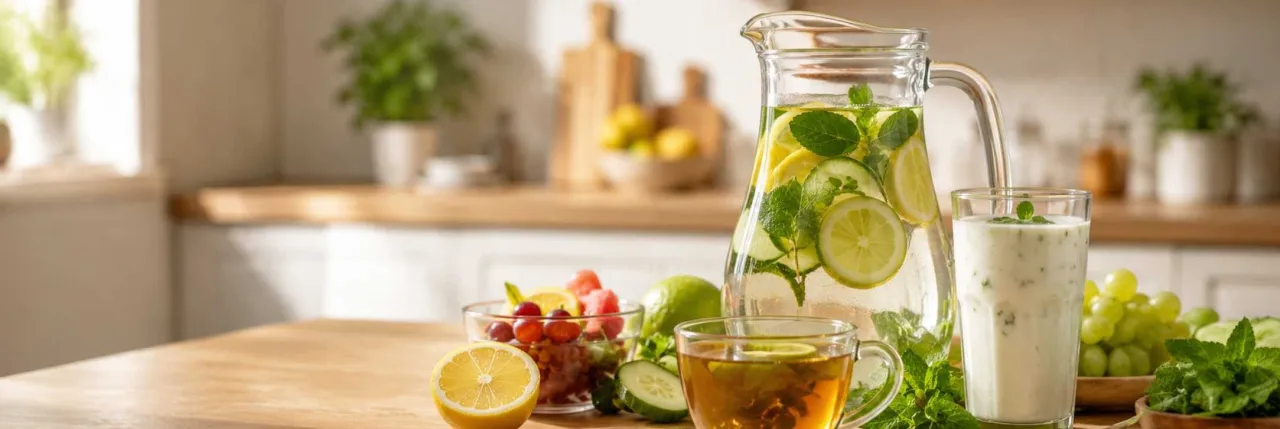
Fluids are also an important part of a balanced routine when adding more whole grains, pulses, fruits, vegetables, and seeds. These healthy homemade drinks for everyday hydration can provide simple ideas for making daily beverages more enjoyable.
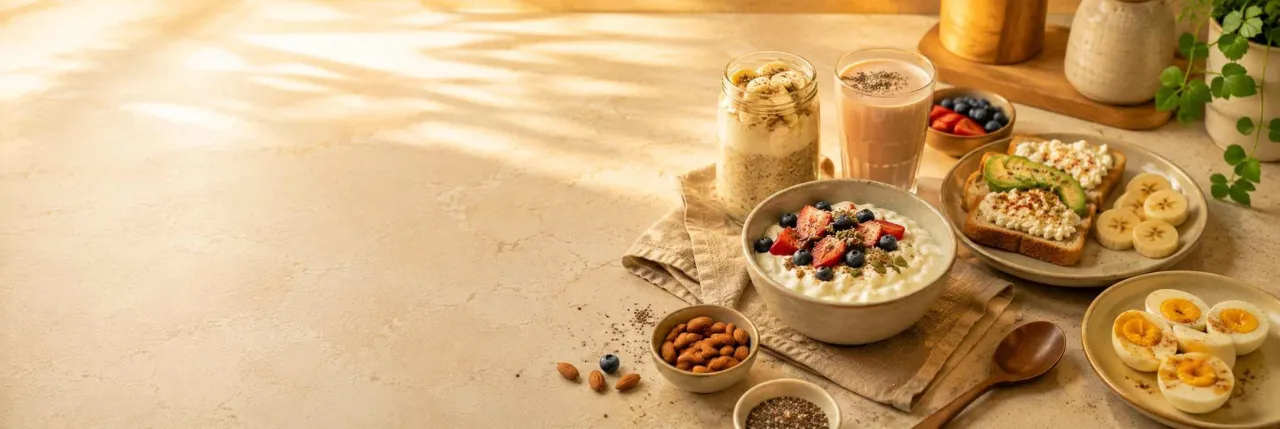
Simple High-Fiber Breakfast Ideas
Vegetable Oats
Cook oats with water or milk until soft. Add chopped carrots, peas, spinach, tomatoes, or other vegetables that cook easily. Season lightly with cumin, pepper, herbs, or spices according to your taste.
For a more balanced breakfast, combine it with suitable protein sources such as yogurt, tofu, eggs, or another preferred option.
Fruit and Seed Yogurt Bowl
Add chopped fruits such as apple, pear, banana, or berries to plain yogurt. Sprinkle a small amount of chia seeds, ground flax, sesame, or chopped nuts on top.
Using whole fruits instead of only strained juice helps retain more natural fiber. Adjust the portion according to your breakfast pattern and preferences.
Whole-Grain Vegetable Toast
Top whole-grain toast with mashed beans, chickpeas, avocado, hummus, or cooked vegetables. Add cucumber, tomato, or leafy greens when available.
Keep toppings balanced so the bread maintains a good texture. Serve soon after preparation for better taste and convenience.
Mixed-Flour Roti
Combine whole-wheat flour with a small amount of millet, oat, chickpea, or another suitable flour. Add water gradually and prepare the dough according to your usual method.
When trying different flours, keeping wheat as the main ingredient initially can make the dough easier to handle. Adjust the combination based on your cooking experience and preference.
Easy High-Fiber Lunch Recipes
Chickpea and Vegetable Salad
Combine cooked chickpeas with cucumber, tomato, grated carrot, onion, coriander, and lemon juice. Add mild spices and a small amount of oil if desired.
This salad can be served with roti, rice, soup, or yogurt. Keep it chilled and add salt or dressing close to serving time to maintain better texture.
Lentil and Vegetable Soup
Cook lentils with vegetables such as onion, tomato, carrots, spinach, pumpkin, or other seasonal choices until soft. Add water according to your preferred consistency and season lightly.
You can blend part of the soup while keeping some texture. Serve it with whole-grain toast or a small grain portion for a more complete meal.
Bean and Grain Bowl
Create a bowl using cooked brown rice, barley, millet, or another grain. Add beans or lentils, cooked vegetables, fresh salad, and a simple yogurt or lemon-based dressing.
Using ingredients prepared in advance can make this meal easier to assemble. This approach works well with meal prep for a healthy week.
Whole-Wheat Vegetable Wrap
Fill a whole-wheat roti or wrap with cooked beans, vegetables, leafy greens, and a light spread. Fold it carefully and serve fresh.
Avoid adding too many wet ingredients because they can make the wrap difficult to handle or carry.
Simple High-Fiber Dinner Ideas
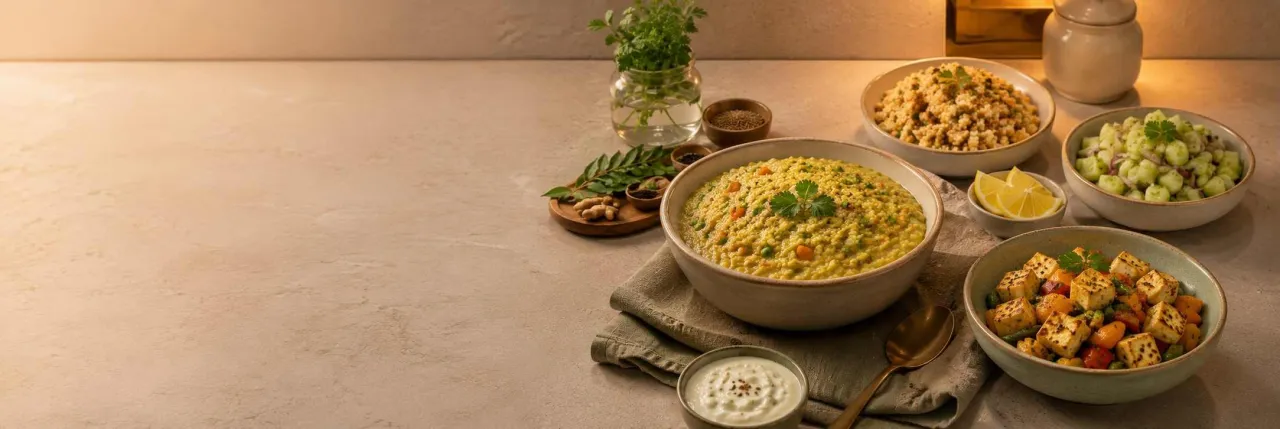
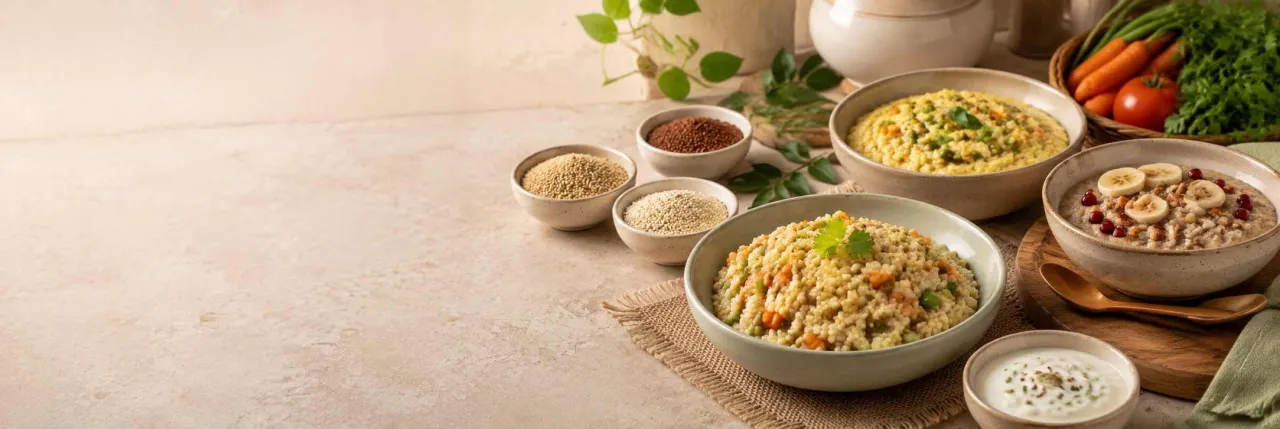
Mixed-Grain Vegetable Khichdi
Combine rice or another grain with lentils and chopped vegetables. Cook until soft, then add mild spices and a small amount of fat according to your preference.
If you are new to mixed grains, start with familiar rice and lentils before replacing part of the rice with millet, barley, or brown rice. Gradual changes can help maintain a comfortable texture.
Bean and Vegetable Curry
Cook kidney beans, chickpeas, black beans, or another pulse in a tomato, onion, and spice base. Add vegetables such as spinach, carrots, peas, or cauliflower for more variety.
Serve with rice, roti, or another grain. Keep portions balanced instead of making one ingredient the main focus of the entire meal.
Stuffed Vegetable Roti
Prepare a filling using grated vegetables, cooked lentils, peas, or mashed beans. Place a moderate amount inside dough, seal carefully, and roll gently.
Use a fairly dry filling so the dough remains easier to manage. Serve with yogurt, chutney, or a vegetable side dish.
Whole-Grain Pasta With Vegetables
Cook whole-grain pasta according to the package instructions. Mix it with tomato sauce, beans, spinach, mushrooms, peppers, or other vegetables.
Whole-grain pasta may have a firmer texture than regular pasta. Cook it properly and add sauce gradually until the balance feels right.
For more meal combinations using grains, pulses, vegetables, dairy, and other ingredients, explore these balanced Indian meal ideas for everyday nutrition.
High-Fiber Snack Ideas for Busy Days
Snacks can also include fiber-rich ingredients when they contain whole fruits, vegetables, nuts, seeds, roasted pulses, or whole grains. The best snack choices are simple, convenient, and suitable for your daily routine.
- Apple or pear with a small portion of nuts
- Roasted chickpeas with mild seasoning
- Carrot and cucumber sticks with hummus
- Plain popcorn with moderate seasoning
- Yogurt with fruits and seeds
- Whole-grain crackers with bean spread
- Peanut and fruit toast
- Homemade oat and seed mixture
A high-fiber snack does not need to be large. Choose portions according to your appetite, activity level, and the timing of your next meal.
For more practical snack combinations, explore these healthy evening snack ideas for everyday energy.
How to Prepare Beans and Lentils More Easily
Beans and lentils are common fiber-rich ingredients that can be used in many everyday meals. Proper preparation can make cooking easier and improve the texture of the final dish.
Dried beans usually need sorting, rinsing, soaking, and thorough cooking. Follow suitable preparation methods for the specific variety because cooking time can differ between different types of beans.
Lentils often cook faster than dried beans and some varieties may not require soaking. Red lentils become soft quickly, while whole lentils usually maintain more texture and may take longer to cook.
Cook larger portions only when you can store them safely. Keep cooked pulses in clean containers, refrigerate them properly, and use only the amount needed for each meal.
Canned beans can be a convenient option. Drain and rinse them when suitable, then add them to salads, soups, wraps, curries, or grain bowls.
If beans and lentils are new additions to your meals, start with comfortable portions and increase gradually according to your routine.
How to Use Nuts and Seeds Practically
Nuts and seeds can add texture and variety to meals. Small amounts are often enough to enhance foods such as oats, yogurt, salads, soups, and cooked vegetables.
Ground flax can be easier to mix into porridge, dough, or smoothies than whole seeds. Chia seeds absorb liquid, so recipes using them usually work better when they are soaked as needed.
Store nuts and seeds in clean, sealed containers away from heat and moisture. Depending on the type, climate, and storage duration, some varieties may maintain quality better when kept refrigerated.
People with known allergies should avoid the relevant ingredients and take care to prevent unwanted contact during food preparation.
How to Balance a High-Fiber Meal
Fiber-rich foods are one part of a balanced meal. A practical plate can include vegetables, grains or other carbohydrate sources, protein options, and a suitable amount of fat.
For example, brown rice with dal and vegetables provides a different balance compared with eating a large portion of rice alone. Similarly, an oat-based breakfast may feel more complete when combined with yogurt, milk, nuts, seeds, or another suitable protein source.
Avoid adding fiber by simply increasing portion sizes of every ingredient. Including different foods throughout the day is often easier to maintain than concentrating many fiber-rich items into one meal.
Food needs can vary based on age, activity level, preferences, tolerance, and individual dietary guidance. Adjust portions according to what works for your routine.
Common High-Fiber Eating Mistakes to Avoid
Adding more fiber can be a positive change, but some common mistakes may make the transition less comfortable. A practical approach focuses on gradual changes, variety, and balanced meals.
- Increasing fiber too quickly: A sudden increase may cause temporary digestive discomfort for some people. Add fiber gradually.
- Forgetting fluids: Include regular hydration when increasing whole grains, pulses, fruits, vegetables, and seeds.
- Relying on only one food: Different plant foods provide variety in taste, texture, and meal options.
- Eating very large portions of beans at once: Moderate servings may be easier to include regularly.
- Ignoring preparation methods: Some dried beans require proper soaking and thorough cooking before use.
- Adding excessive amounts of seeds: Small quantities can add texture and variety without making meals complicated.
- Choosing only packaged fiber products: A product with added fiber is not automatically the best everyday choice.
- Changing everything at once: Gradual adjustments are often easier to maintain than completely changing your diet overnight.
- Ignoring personal tolerance: Different foods may suit different people in different ways.
- Treating fiber as a complete meal plan: Meals still need variety, balance, and enough energy for your lifestyle.
High-Fiber Meal Checklist
Use this checklist to build a practical high-fiber foods routine with simple daily changes:
- Add at least one fruit or vegetable to your meals regularly.
- Include lentils, beans, or chickpeas in your weekly meal plan.
- Choose whole grains when they suit the recipe and your preferences.
- Increase fiber gradually instead of making sudden changes.
- Drink enough fluids throughout the day.
- Wash fruits and vegetables properly before use.
- Cook dried beans thoroughly before eating.
- Keep nut and seed portions balanced.
- Combine fiber-rich foods with protein and other meal components.
- Prepare vegetables in ways that you enjoy eating.
- Use edible fruit and vegetable skins when clean and suitable.
- Store cooked grains and pulses safely.
- Keep convenient fiber-rich snacks available for busy days.
- Notice which foods and portions feel comfortable for your routine.
- Adjust meals according to personal dietary needs.
How to Build a Realistic High-Fiber Eating Routine
Building a fiber-rich eating routine does not require changing every meal at once. Start by improving foods you already prepare and enjoy.
Add vegetables to familiar rice dishes, include lentils in soups, serve fruit with breakfast, or replace part of a refined grain with a whole-grain option when it works for the recipe.
Keeping a few convenient ingredients available can make daily meals easier. Cooked lentils, washed fruits, chopped vegetables, oats, whole-grain bread, and roasted chickpeas can help create quick meal options.
Repeat simple recipes until they become part of your routine, then introduce new ingredients gradually. A realistic eating pattern is often easier to continue than a complicated plan that depends on many unfamiliar foods.
Frequently Asked Questions
What is the easiest high-fiber food to add to daily meals?
Oats, lentils, whole fruits, peas, vegetables, and chickpeas are simple options because they can be included in familiar breakfasts, lunches, dinners, and snacks.
Can I get enough fiber from fruit juice?
Strained fruit juice usually contains less fiber than whole fruit because much of the pulp is removed. Whole fruits or blended fruit that keeps the pulp generally provide more fiber.
Why do I feel uncomfortable after increasing fiber?
Adding too much fiber quickly or introducing unfamiliar foods suddenly may cause temporary discomfort for some people. Increase portions gradually and choose foods that suit your routine.
Do I need special high-fiber products?
No. Everyday foods such as vegetables, fruits, lentils, beans, oats, whole grains, nuts, and seeds can provide fiber without requiring special products.
Can children eat fiber-rich meals?
Many family meals can include fiber-rich ingredients. However, portions, food textures, and ingredient choices should match a child’s age, eating ability, preferences, and any dietary guidance provided by a professional.
Disclaimer
Disclaimer: This article provides general food-planning information. Fiber needs and food tolerance can vary between individuals. People with specific dietary restrictions or health-related concerns should follow appropriate personalized guidance.
Final Thoughts on High-Fiber Foods and Simple Recipes
High-fiber foods and simple recipes can become a practical part of everyday meals through small and consistent changes. Oats, lentils, beans, whole grains, vegetables, fruits, nuts, and seeds offer many options for breakfast, lunch, dinner, and snacks.
Remember: A balanced approach works better than adding large amounts of fiber suddenly. Increase gradually, drink fluids regularly, and choose portions that feel comfortable for your lifestyle.
Start with meals you already enjoy, use familiar ingredients, and expand your choices over time. The best high-fiber routine is varied, realistic, enjoyable, and suitable for your household.
Was this article helpful?
Share your feedback — select a reaction.
Are you satisfied with these answers?
If you'd like to ask something else, you can post your question here.
Comments (0)
Comments are reviewed before they appear.
Loading comments…