Balanced Indian Meal Ideas for Everyday Nutrition: Simple Meals for Every Day
What Are the Best Balanced Indian Meal Ideas for Everyday Nutrition?
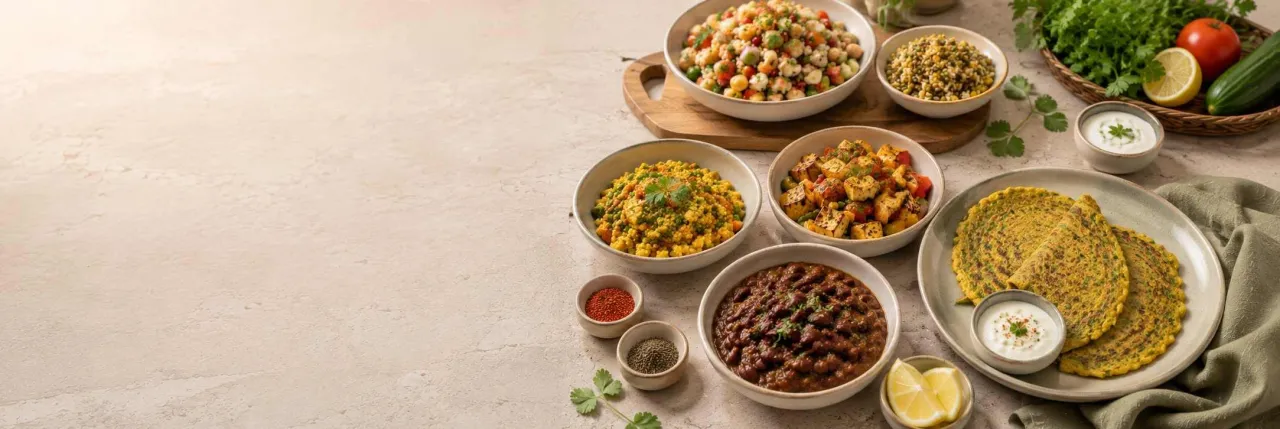
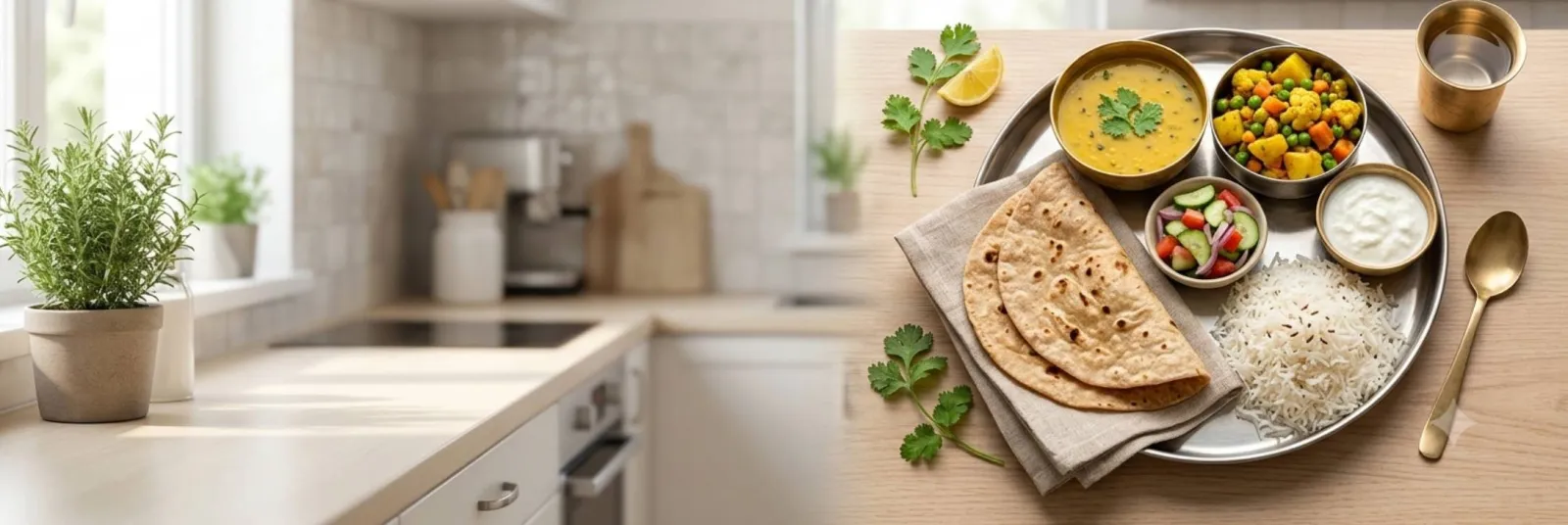
The best balanced Indian meal ideas combine a grain or starchy food, vegetables, a protein source, and a moderate amount of fat. Practical examples include roti with dal, sabzi, and curd; rice with rajma and salad; vegetable khichdi with yogurt; idli with sambar; or millet with vegetables and paneer, tofu, eggs, fish, or another suitable protein option.
The right combination depends on your hunger, activity level, meal timing, and dietary preferences. Instead of making every plate identical, focus on variety by rotating grains, pulses, vegetables, cooking styles, and flavors throughout the week.
A simple Indian meal does not need expensive ingredients or complicated preparation. Familiar foods prepared in practical combinations can create enjoyable everyday meals for individuals and families.
What Makes an Indian Meal Balanced?
A balanced meal includes different food groups combined in a way that suits the person eating it. Indian cuisine offers many flexible options because grains, pulses, vegetables, dairy foods, eggs, meat, fish, nuts, seeds, herbs, and spices can be prepared in many different combinations.
The goal is not to create a perfect plate every time. Instead, focus on including different ingredients that provide variety, satisfaction, and enough food according to your personal needs.
A practical Indian meal may include:
- A grain or starchy food such as rice, roti, millet, poha, idli, dosa, or potato
- A protein source such as dal, beans, chickpeas, curd, paneer, tofu, eggs, fish, or meat
- One or more vegetables
- A moderate amount of oil, ghee, nuts, seeds, or another fat source
- Fruit, salad, chutney, or another suitable accompaniment when available
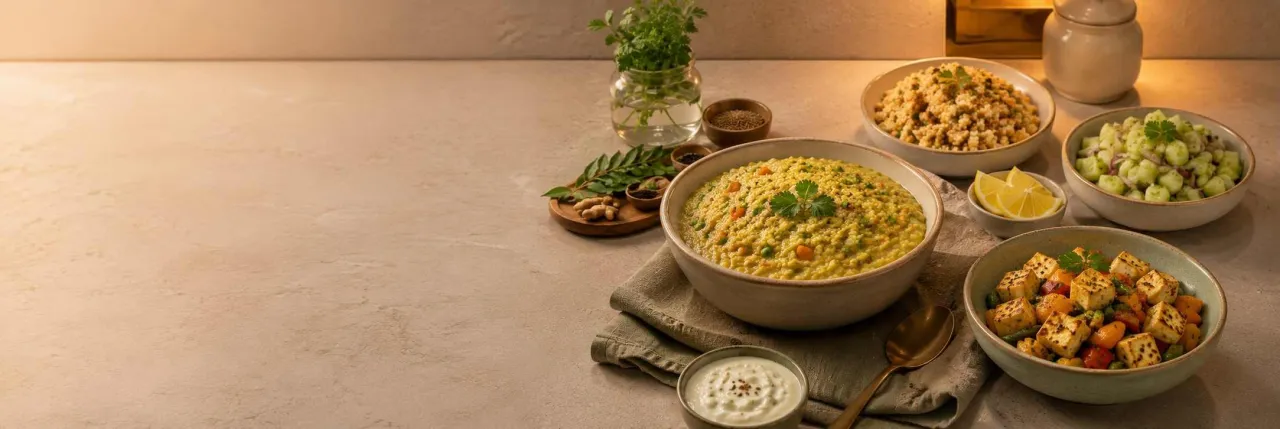
Every food group does not need to appear separately in every meal. Dishes such as vegetable khichdi, stuffed chilla, sambar with idli, or mixed bean pulao can naturally combine several ingredients in one preparation.
Use a Simple Plate-Building Method
Planning balanced Indian meals becomes easier when you focus on a simple structure instead of calculating exact nutrients. Start with a suitable grain or starchy food, add a protein-rich ingredient, include vegetables, and complete the meal with a suitable side or accompaniment.
For example, a lunch plate can include rice, moong dal, beans sabzi, cucumber salad, and curd. A dinner plate may include rotis, mixed vegetable curry, chana, and a small portion of raita.
Portion sizes should match your appetite, daily routine, and activity level. A person with a physically active lifestyle may need different quantities compared with someone who prefers lighter meals.
You do not need to force specific foods into every meal. Choose combinations that suit the season, availability, digestion, and preferences of your household.
Compare Practical Balanced Indian Meal Combinations
| Meal Combination | Main Components | Why It Is Practical | Easy Adjustment |
|---|---|---|---|
| Roti, dal, sabzi, and curd | Whole-wheat roti, lentils, vegetables, dairy | Uses familiar everyday Indian foods | Replace curd with another suitable option if required |
| Rice, rajma, and salad | Rice, kidney beans, vegetables | Simple meal that works for lunch or dinner | Adjust rice and bean portions according to hunger |
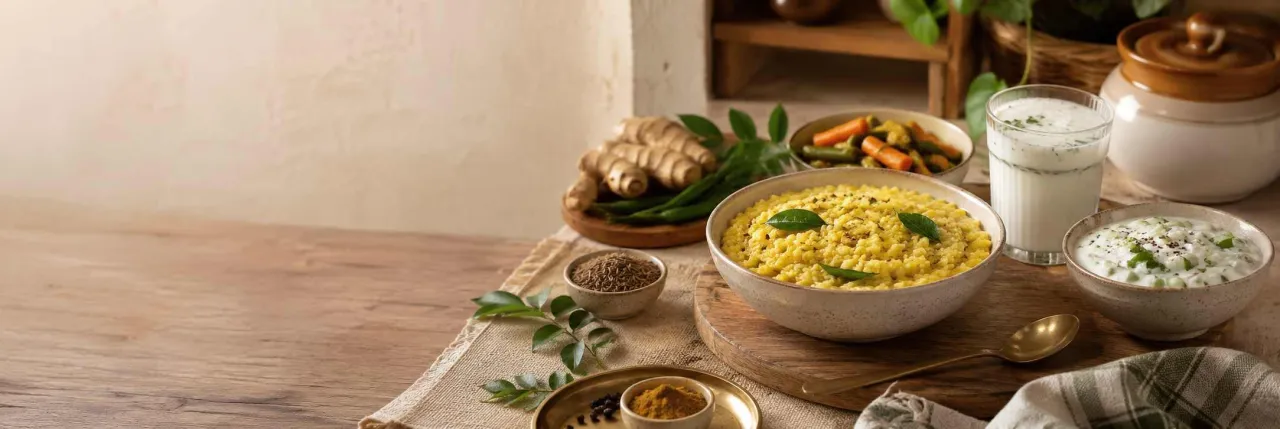
| Vegetable khichdi and raita | Rice, lentils, vegetables, yogurt | Easy one-pot meal with flexible ingredients | Use millet or another grain for variety |
| Idli and vegetable sambar | Rice-lentil batter, lentils, vegetables | Suitable for breakfast or a lighter meal | Add chutney or extra vegetables as preferred |
| Chilla with vegetables and curd | Chickpea flour or lentils, vegetables, yogurt | Quick option for different meal times | Add paneer, tofu, or cooked vegetables as filling |
| Millet bowl with vegetables and protein | Millet, vegetables, pulses or another protein | Flexible option for meal planning | Change grains, spices, or toppings for variety |
Balanced Indian Breakfast Ideas
Vegetable Poha With Peanuts
Cook poha with onion, peas, carrots, beans, peanuts, and mild spices. Add lemon and coriander before serving according to your taste.
Peanuts add texture and make the meal more satisfying. You can pair poha with curd, milk, fruit, or an egg depending on your preferences and hunger level.
Idli With Vegetable Sambar
Idli with vegetable sambar combines a grain-based preparation with a lentil and vegetable-rich dish. Add chutney for flavor while keeping the overall meal suitable for your appetite.
This combination can also be prepared ahead when batter and cooked food are stored safely.
Besan Chilla With Vegetables
Prepare a batter using chickpea flour, water, chopped onion, tomato, coriander, spinach, or grated vegetables. Cook it on a lightly greased pan until properly cooked on both sides.
Serve it with curd, chutney, paneer, tofu, or vegetables. A stuffed chilla can be useful when breakfast needs to keep you comfortable for several hours.
Vegetable Upma
Add peas, carrots, beans, onion, and other vegetables to upma for a simple and flexible breakfast option. You can include a small amount of peanuts, cashews, or seeds when they suit your meal preferences.
Adjust the amount of vegetables and semolina according to the texture and portion size you prefer. Serve it warm with curd, chutney, or another suitable accompaniment.
Oats With Fruit, Yogurt, and Seeds
Oats can be prepared in both sweet and savory ways. Combine oats with milk or yogurt and add fruit, nuts, seeds, cinnamon, or cardamom for extra flavor.
This option can be adjusted according to your routine and available ingredients. For more ideas to include plant-based foods in everyday meals, explore these high-fiber foods and simple recipes for everyday meals.
Simple Balanced Indian Lunch Ideas
Roti, Dal, and Seasonal Sabzi
This traditional combination is one of the most flexible Indian meal ideas. Choose a dal, seasonal vegetable dish, and suitable number of rotis according to your appetite.
You can add curd, salad, chutney, or pickle in a moderate amount when they suit your meal. Changing dal varieties and vegetables throughout the week keeps the routine interesting.
Rice, Rajma, and Cucumber Salad
Rajma with rice is a familiar Indian combination that can be prepared in batches and served as a simple lunch or dinner option.
Add cucumber, tomato, onion, or cooked vegetables for different textures. Keep the rice and rajma portions balanced according to your hunger instead of making one ingredient the entire meal.
Vegetable Pulao With Raita
Prepare pulao with vegetables such as peas, carrots, beans, cauliflower, or other seasonal choices. Serve it with cucumber, mint, or mixed vegetable raita.
If the pulao contains limited pulses, you can add chickpeas, paneer, tofu, eggs, or another suitable protein source to make the meal more complete.
Millet Roti With Dal and Greens
Millet roti can be paired with dal, leafy vegetables, curd, or another suitable side dish. If you are new to millet flour, mixing it with wheat flour can make the dough easier to handle.
Different grains can be rotated according to taste, availability, cooking comfort, and family preferences.
Chickpea Salad Bowl
Combine cooked chickpeas with rice, millet, or roti pieces. Add cucumber, tomato, carrots, coriander, lemon, and a simple yogurt or herb-based dressing.
This option works well for packed meals when wet ingredients and dressings are stored separately until serving.
Balanced Indian Dinner Ideas
Vegetable Khichdi With Raita
Cook rice and lentils with vegetables such as carrots, peas, spinach, pumpkin, or beans. Adjust the texture according to whether you prefer a softer or grainier preparation.
Serve with raita, curd, roasted vegetables, or a small salad. Khichdi can be made lighter or more filling depending on ingredients and portions.
Roti With Paneer, Tofu, Egg, or Pulse Curry
Pair roti with one protein-based dish and a vegetable side. Options can include paneer bhurji, tofu curry, egg curry, chana masala, or mixed lentils.
Choose cooking methods that suit your evening routine. Some dishes can be prepared quickly, while others work better when cooked in advance.
Vegetable Dalia
Cook broken wheat with lentils, vegetables, and mild spices. It can be prepared as a soft one-pot dish or with a firmer texture depending on preference.
Add curd, boiled egg, tofu, paneer, or another suitable protein option when you need a more substantial meal.
Fish or Chicken With Rice and Vegetables
For people who include animal foods, a suitable portion of fish or chicken can be served with rice, roti, and vegetables.
Grilled, roasted, steamed, or lightly prepared options can be combined with simpler side dishes to create variety in everyday meals.
Mixed Vegetable Soup With Chilla or Toast
A vegetable and lentil soup can be paired with chilla, whole-grain toast, or a small roti. This combination may suit evenings when you prefer a lighter dinner.
Vegetarian Protein Options for Indian Meals
Vegetarian Indian meals can include protein from many familiar foods such as lentils, beans, chickpeas, peas, soy foods, paneer, curd, milk, nuts, and seeds.
Instead of depending on one source every day, rotate different options throughout the week. For example, include moong dal, masoor dal, chana, rajma, tofu, paneer, sprouts, or yogurt-based dishes at different meals.
Practical combinations include:
- Dal with rice or roti
- Chickpea curry with vegetables and rice
- Paneer or tofu bhurji with roti
- Curd rice with cooked vegetables
- Lentil chilla with yogurt
- Bean salad with millet or whole-grain bread
Protein needs vary between individuals. Spread protein-containing foods across meals according to your preferences, routine, and dietary requirements.
How to Add More Vegetables to Indian Meals
Adding vegetables to everyday Indian meals does not always require preparing a separate dish. You can include them in foods you already cook, such as spinach in dal, peas in poha, carrots in upma, pumpkin in sambar, or mixed vegetables in khichdi.
Keep commonly used vegetables clean and accessible so they are easier to include during busy days. Frozen vegetables can also be useful when fresh options are limited or preparation time is short.
Use different cooking methods to keep meals interesting. Vegetables can be sautéed, roasted, steamed, added to curries, mixed into dough, blended into soups, or included in fillings.
Try to add variety in color, texture, and preparation style throughout the week. However, choose vegetables that your household enjoys so the routine remains practical and sustainable.
Choosing Grains for Everyday Indian Meals
Rice and wheat are common staples in Indian kitchens, but other grains can also add variety. Millet, oats, barley, broken wheat, poha, and other locally available grains can be included according to taste, budget, availability, and cooking comfort.
You do not need to completely remove familiar foods such as rice or roti. You can alternate grains, mix flours, or slowly introduce new options while keeping meals enjoyable.
Different grains may require different cooking methods and preparation times. Start with options that fit your regular routine rather than making several changes at once.
The most useful grain is one that works well with the rest of your meal, can be prepared properly, and is enjoyed enough to become part of your everyday eating pattern.
Healthy Indian Snacks Between Meals
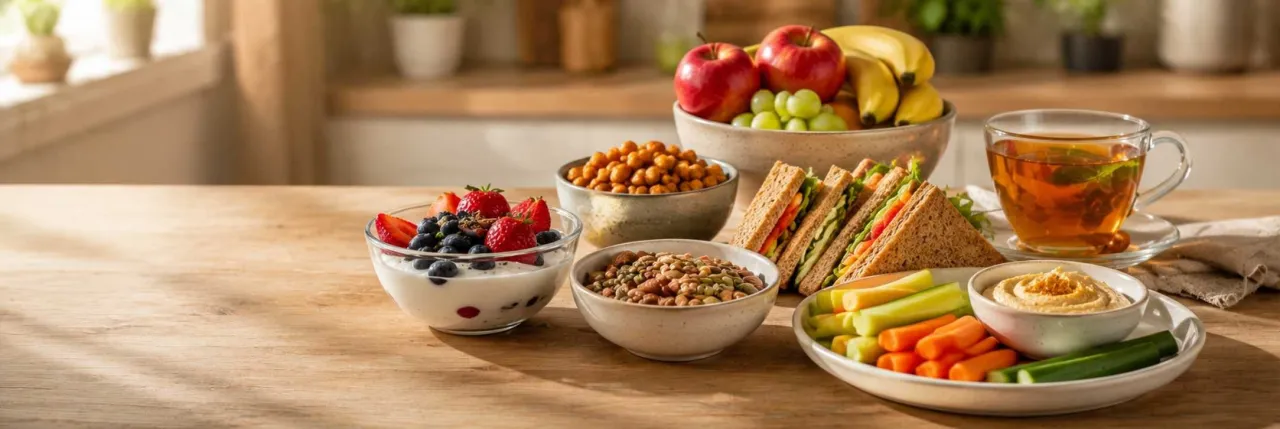
Snacks are optional and should depend on your hunger, activity level, and the timing of your next meal. Practical choices may include fruit, roasted chana, yogurt, sprouts chaat, vegetable chilla, nuts, or a small bowl of poha.
When you need something more filling, combine ingredients instead of relying on only one item. Examples include fruit with nuts, yogurt with seeds, or toast with egg or bean spread.
For more snack combinations, explore these healthy evening snack ideas for everyday energy.
Keep snack portions suitable for your appetite so they support your routine without unnecessarily replacing regular meals.
What to Drink With Indian Meals
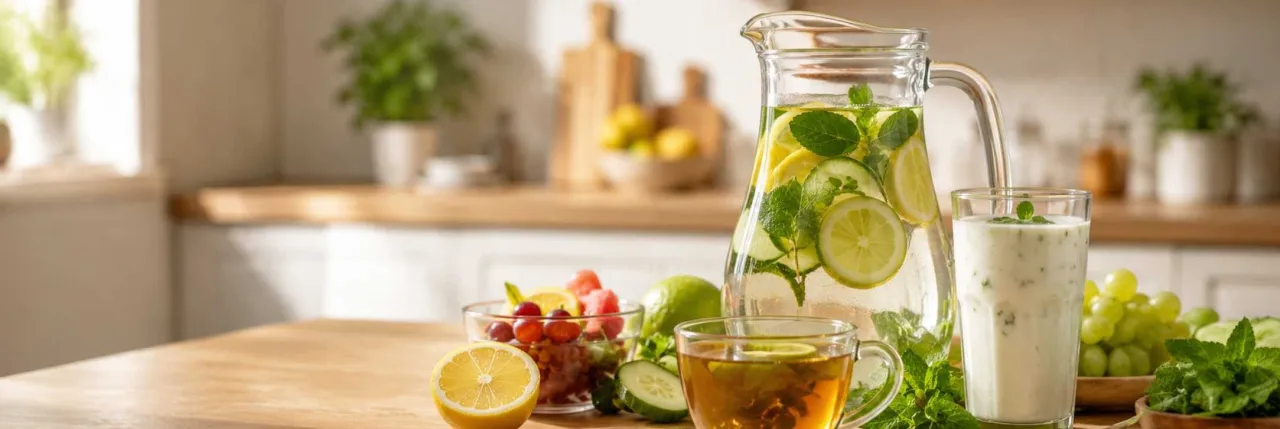
Water is a simple everyday choice with most meals. Depending on your preferences and routine, options such as buttermilk, unsweetened tea, lemon water, or lightly flavored water may also fit well.
Not every meal requires a sweet drink. Frequently choosing highly sweet beverages may add unnecessary sweetness and change the overall balance of the meal.
Lightly seasoned buttermilk can pair well with some Indian meals, while plain water may be suitable with most foods. Milk-based drinks can sometimes work more like a snack depending on ingredients and portion size.
For simple beverage ideas using everyday ingredients, explore these healthy homemade drinks for everyday hydration.
How to Plan Balanced Indian Meals for the Week
Weekly meal planning becomes easier when you follow a simple structure and change ingredients instead of creating completely new recipes every day.
A practical weekly plan may include:
- Two dal-based meals
- One bean or chickpea-based meal
- One paneer, tofu, egg, fish, or chicken meal according to preference
- One khichdi or one-pot meal
- One flexible leftover or freezer meal
- Seasonal vegetables used in different dishes
Prepare versatile ingredients in manageable quantities. Cooked rice, dal, chickpeas, roasted vegetables, or a simple curry base can be reused in bowls, wraps, salads, curries, and quick meals.
For a practical preparation routine, follow these meal prep ideas for a healthy week.
Budget-Friendly Indian Meal Ideas
Balanced meals do not need expensive ingredients. Many affordable Indian foods can create practical everyday combinations when prepared thoughtfully.
- Dal with rice or roti
- Seasonal vegetable sabzi
- Chana or rajma meals
- Vegetable khichdi
- Besan chilla
- Curd with simple home-cooked meals
Buying seasonal vegetables, using pantry staples, and preparing flexible ingredients can make meal planning easier while reducing unnecessary food waste.
Indian Meal Ideas for Different Lifestyles
Meals for Busy Working Days
When time is limited, focus on simple combinations such as dal with rice, roti with prepared sabzi, vegetable pulao, wraps, or pre-prepared ingredients that can be assembled quickly.
Meals for Families
Family meals are easier when the base dishes are flexible. Prepare common foods such as dal, rice, vegetables, and roti, then adjust portions or accompaniments according to individual preferences.
Meals for Students or People Living Alone
Simple options like khichdi, poha, chilla, oats, sandwiches, and one-pot meals can reduce cooking effort while keeping meals varied.
Seasonal Indian Meal Ideas
Indian meals naturally change with seasons. Choosing seasonal foods can make cooking easier and add variety throughout the year.
- Summer: Light meals such as curd-based dishes, buttermilk, vegetable preparations, rice combinations, and refreshing accompaniments.
- Winter: Warm meals such as millet-based dishes, soups, dal, seasonal vegetables, and comforting one-pot preparations.
- Monsoon: Freshly prepared warm foods such as khichdi, soups, steamed dishes, and simple homemade snacks.
Seasonal eating does not require strict rules. Choose foods that are available, enjoyable, and suitable for your household.
Common Balanced Meal Mistakes to Avoid
- Focusing on only one food group: A meal with a very large grain portion and fewer vegetables or protein sources may feel less satisfying.
- Making every dish heavy: Combining multiple rich dishes, fried items, and sweet drinks in one meal may make it unnecessarily heavy.
- Assuming balanced meals are expensive: Simple foods such as dal, rice, roti, seasonal vegetables, eggs, curd, beans, and local grains can create practical everyday meals.
- Ignoring personal hunger: Fixed portions do not work equally for everyone. Meal quantity can vary according to age, activity, routine, and preferences.
- Removing familiar foods completely: Small changes are often easier to maintain than completely replacing traditional foods.
- Trying too many new recipes: Repeating flexible meal structures can make daily cooking easier.
- Forgetting vegetables: Add vegetables to dal, rice, poha, upma, khichdi, curries, or fillings whenever possible.
- Depending mainly on packaged snacks: Keep simple options such as fruit, yogurt, roasted pulses, or homemade snacks available.
- Preparing more food than needed: Large quantities can lead to waste or make meals repetitive.
- Following a fixed meal plan for everyone: Food choices should consider individual needs, culture, budget, preferences, and lifestyle.
Beginner-Friendly Balanced Indian Meal Checklist
- Include a suitable grain or starchy food in your meal.
- Add a protein source such as dal, beans, chickpeas, dairy, eggs, tofu, fish, or meat according to preference.
- Include vegetables whenever practical.
- Use seasonal and locally available ingredients.
- Rotate grains and pulses throughout the week.
- Adjust portions according to hunger and daily activity.
- Use moderate amounts of oil, ghee, nuts, seeds, or other fat sources.
- Keep water available during the day.
- Choose snacks based on hunger rather than habit.
- Use leftovers safely and creatively.
- Prepare flexible ingredients that can be used in multiple meals.
- Keep rich and fried foods as occasional parts of a varied eating pattern.
- Introduce new ingredients gradually.
- Consider allergies, intolerances, and dietary restrictions.
- Select meals that your household can realistically prepare and enjoy.
How to Make Balanced Indian Eating Realistic
The easiest way to build a practical routine is to begin with meals your household already prepares. Small adjustments such as adding vegetables to dal, including curd with roti and sabzi, using chickpeas in salads, or preparing a larger batch of soup can make everyday meals more flexible.
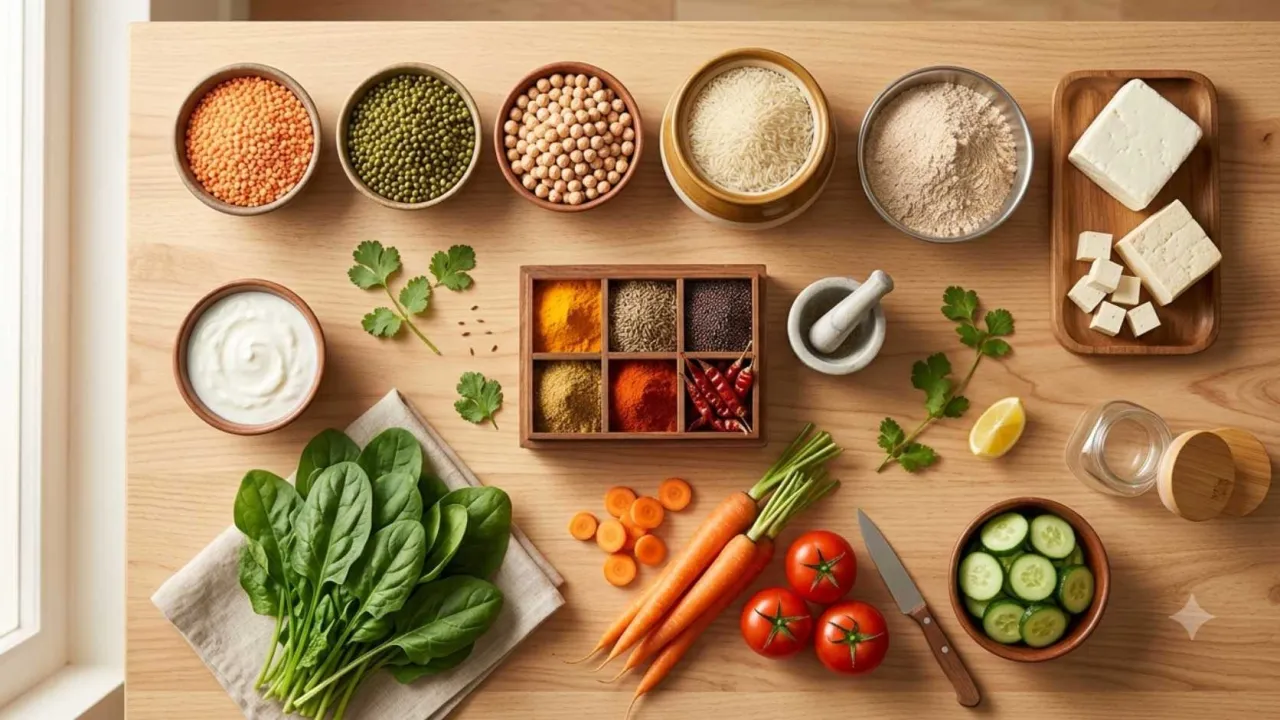
Keep commonly used ingredients available according to your cooking style. Useful basics may include lentils, rice, flour, seasonal vegetables, yogurt, eggs, beans, herbs, and spices.
Eating balanced meals does not require a completely different menu every day. Variety can come from changing vegetables, grains, pulses, seasonings, and side dishes.
Disclaimer: These meal ideas provide general food-planning guidance. Ingredients, portions, and meal patterns should be adjusted according to allergies, medical dietary requirements, pregnancy, children’s needs, digestive concerns, cultural practices, and professional advice when relevant.
Final Thoughts on Balanced Indian Meal Ideas
Balanced Indian meal ideas for everyday nutrition can be created using familiar foods such as roti, rice, dal, beans, vegetables, curd, paneer, tofu, eggs, fish, meat, fruit, nuts, and seeds.
The most practical meals are not always the most complicated ones. The best combinations are those that fit your appetite, schedule, budget, cooking routine, and personal preferences.
Reminder: A balanced meal does not need to look the same every day. Focus on variety across the week, comfortable portions, safe preparation, and foods your household enjoys.
Start with a simple structure of grain, protein, and vegetables, then adjust flavors and accompaniments over time. A realistic routine is easier to maintain than a strict plan that does not fit daily life.
Frequently Asked Questions
What is a simple balanced Indian lunch?
A simple balanced Indian lunch can include roti or rice with dal, one vegetable dish, and curd or salad when suitable. Portions and accompaniments can be adjusted according to appetite and dietary needs.
Can a one-pot Indian meal be balanced?
Yes. Meals such as khichdi, pulao, dalia, or mixed grain bowls can combine grains, pulses, vegetables, and other ingredients. Additional sides such as curd or vegetables can be included when useful.
Do I need to eat salad with every Indian meal?
No. Salad is optional. Cooked vegetables, soups, curries, and vegetables added to grains or pulses can also provide variety in everyday meals.
How can I add protein to a vegetarian Indian meal?
Include foods such as lentils, beans, chickpeas, peas, paneer, tofu, curd, milk, nuts, and seeds. Rotating different sources throughout the week can add variety.
Can rice be part of a balanced everyday meal?
Yes. Rice can be combined with dal, beans, vegetables, curd, eggs, fish, meat, tofu, or paneer. The overall meal combination and portion size are more important than avoiding a single staple food.
What are easy balanced Indian meals for busy days?
Simple options include vegetable khichdi, dal rice, roti with prepared sabzi, poha, chilla, vegetable pulao, or meals made from pre-prepared ingredients.
What are affordable balanced Indian meal options?
Affordable choices include dal, rice, roti, seasonal vegetables, chana, rajma, khichdi, curd, and homemade snacks prepared with commonly available ingredients.
What should I eat for a balanced Indian dinner?
A balanced dinner can include roti or rice with vegetables and a protein source such as dal, beans, paneer, tofu, eggs, fish, or meat according to your preferences.
Was this article helpful?
Share your feedback — select a reaction.
Are you satisfied with these answers?
If you'd like to ask something else, you can post your question here.
Comments (0)
Comments are reviewed before they appear.
Loading comments…