
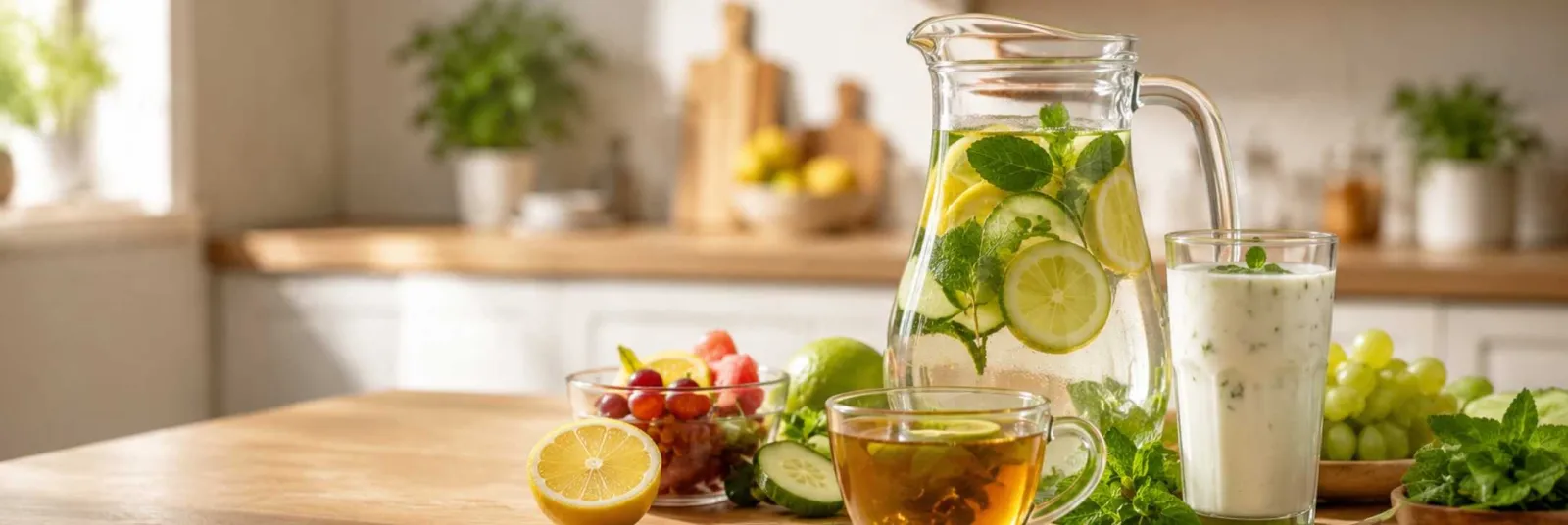
Healthy Homemade Drinks for Everyday Hydration
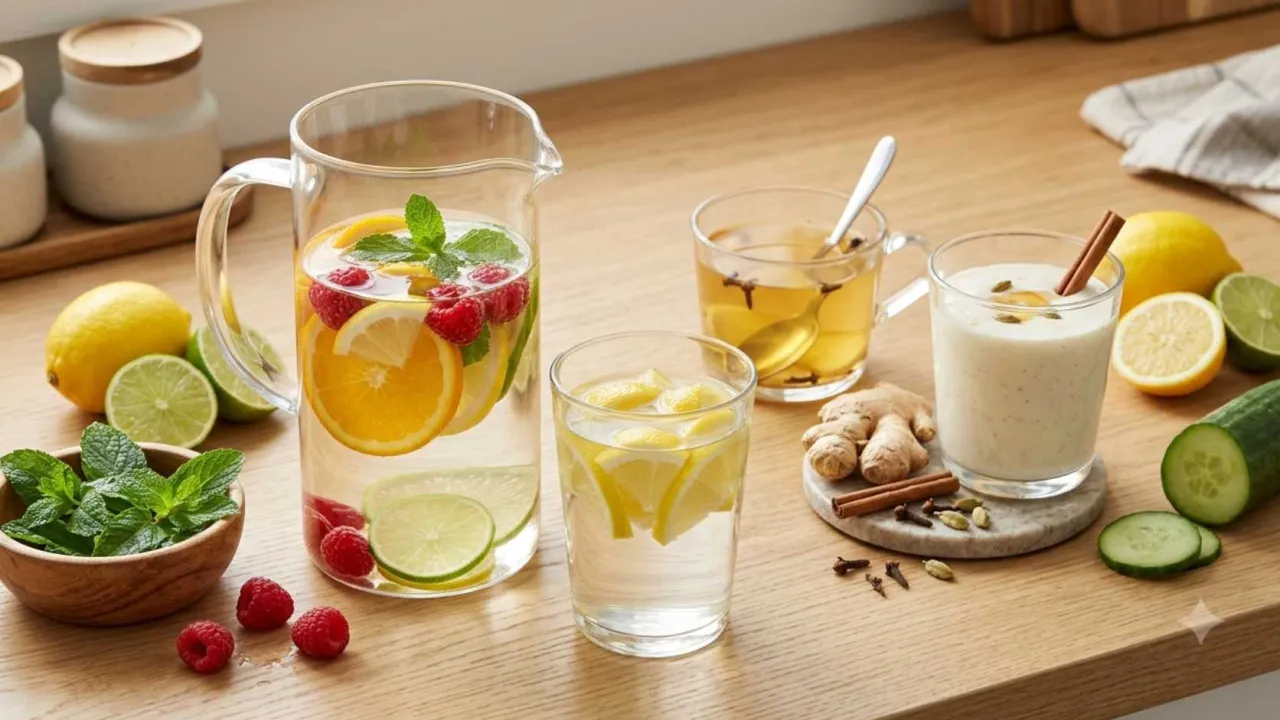
What Are the Best Healthy Homemade Drinks for Everyday Hydration?
The best healthy homemade drinks for everyday hydration are simple beverages made with ingredients such as water, fresh fruits, herbs, vegetables, milk, yogurt, or unsweetened tea. Popular options include lemon water, cucumber and mint water, diluted fruit drinks, buttermilk, coconut water, herbal tea, and light fruit-based beverages.
The right choice depends on your climate, activity level, meals, and personal taste. Homemade drinks should be prepared with clean ingredients, moderate sweetness, and suitable portions. They can add variety to your routine while plain water remains an important everyday hydration option.
A practical drink routine does not need complicated recipes. Simple combinations with fresh ingredients are often easier to prepare and maintain regularly.
Why Homemade Drinks Can Support a Practical Hydration Routine
Water is one of the simplest ways to stay hydrated, but some people enjoy adding different flavors to their daily routine. Homemade drinks can provide variety while allowing better control over ingredients compared with many packaged beverages.
Preparing drinks at home gives you flexibility to adjust sweetness, flavor, texture, and portion size according to your preferences. You can choose seasonal fruits, fresh herbs, or simple ingredients already available in your kitchen.
However, homemade does not always mean healthier. A drink prepared at home can still become high in sugar or calories if large amounts of sweeteners, syrups, or heavy ingredients are added.
The most balanced approach is to enjoy homemade beverages as part of your routine while keeping plain water as a regular choice.
Start With Water as the Main Ingredient
Many simple hydration drinks begin with water. Use safe drinking water that is suitable for your area, such as filtered water or properly prepared drinking water.
Adding small amounts of fruits, vegetables, herbs, or mild spices can create refreshing flavors without making drinks unnecessarily complicated.
Simple flavor combinations include:
- Lemon slices with mint leaves
- Cucumber with lime
- Orange slices with basil
- Apple slices with cinnamon
- Watermelon pieces with mint
- Ginger with lemon
Wash fruits, vegetables, and herbs properly before use. Store prepared drinks in clean containers and prepare quantities that can be used while they remain fresh.
Simple Fruit-Infused Water Ideas
Lemon and Mint Water
Add fresh lemon slices and clean mint leaves to a jug of water. Allow the flavors to mix for some time in the refrigerator and adjust the amount of lemon according to your preferred taste.
This refreshing combination can work well with meals, during warm weather, or after outdoor activities. If citrus peel creates a bitter flavor over time, remove the slices earlier.
Cucumber and Lime Water
Thinly slice cucumber and add a small amount of lime to chilled water. Cucumber provides a light taste, while lime adds a fresh citrus flavor.
This drink can be prepared ahead for daily use. Keep it refrigerated and always use clean bottles or utensils while serving.
Orange and Basil Water
Add orange slices and a few fresh basil leaves to cold water. Lightly pressing the basil leaves before adding them can help release more aroma.
Use fresh ingredients and remove them once the flavor reaches your preferred level. Preparing smaller amounts can help maintain freshness and taste.
Traditional Homemade Drinks for Everyday Use
Many traditional homemade beverages use simple ingredients that are commonly available in kitchens. These drinks can add flavor and variety to daily meals when prepared with suitable portions and ingredients.
Plain Buttermilk
Buttermilk can be prepared by mixing plain yogurt with water until it reaches a smooth consistency. A small amount of roasted cumin, fresh coriander, or mint can be added for extra flavor.
Keep seasoning moderate and adjust ingredients according to your taste. Buttermilk is often enjoyed with meals and can be a refreshing option during warmer weather when stored properly.
Lemon Water
Lemon water is one of the simplest homemade beverages. Add a small amount of fresh lemon juice to water and adjust the strength according to your preference.
It can be enjoyed plain or combined with mint leaves for additional flavor. Sugar is optional and many people prefer the natural taste of lemon without extra sweetness.
Unsweetened Herbal Tea
Herbal tea can be enjoyed warm or chilled depending on your preference. Common options include mint, ginger, cinnamon, and other food-safe herbs or spices.
Choose ingredients that suit your personal routine and follow preparation instructions for packaged herbal products. If you have specific dietary considerations, select ingredients accordingly.
Lightly Spiced Water
A small amount of ginger, cinnamon, or mild spices can add flavor to water. Use moderate quantities so the taste remains pleasant for regular use.
When using loose spices or herbs, strain the drink before serving to create a smoother texture.
Comparing Healthy Homemade Hydration Drinks
| Drink | Main Ingredients | Suitable For | Practical Tips |
|---|---|---|---|
| Infused water | Water, fruits, herbs, or cucumber | Light everyday flavor | Use fresh ingredients and store properly |
| Lemon water | Water and lemon | Simple daily beverage | Adjust lemon quantity according to taste |
| Buttermilk | Yogurt, water, and mild seasoning | Meal accompaniment and warm weather | Keep chilled and use fresh ingredients |
| Herbal tea | Water with suitable herbs or spices | Warm or chilled variety | Select ingredients according to preference |
| Diluted fruit drink | Fruit puree or juice with water | Occasional flavor option | Avoid excessive sweeteners |
| Yogurt-based drink | Yogurt, water, fruits, or spices | A more filling beverage choice | Refrigerate properly and manage portions |
How to Make Fruit Drinks Without Excessive Sweetness
Many healthy homemade drinks can be prepared without adding large amounts of sugar. Fresh fruits naturally provide sweetness, so it is useful to taste the drink first before adding any extra sweetener.
Blending fruits with water or adding ice can create a lighter beverage with a refreshing texture. Adjust the consistency according to your preference and the type of meal it accompanies.
Simple fruit drink combinations include:
- Watermelon blended with water and mint
- Orange blended with water and a small amount of ginger
- Pineapple mixed with water and lime
- Apple blended with water and cinnamon
- Mango mixed with yogurt and water for a lighter lassi-style drink
Whole fruits contain natural fiber, while strained juices usually contain less pulp. For more ideas using fiber-rich ingredients, explore this guide to high-fiber foods and simple recipes for everyday meals.
Homemade Drinks That Pair Well With Meals
Homemade beverages should complement meals rather than overpower them. Drinks with very high sweetness may not suit every meal, while lighter options can feel easier to include regularly.
With spicy foods, options such as plain water, lightly seasoned buttermilk, or cucumber water may suit some people. With breakfast, milk, unsweetened tea, or a light yogurt-based drink can be considered depending on the meal.
For practical meal planning ideas, explore these balanced Indian meal ideas for everyday nutrition to combine drinks with grains, vegetables, pulses, and other foods.
A homemade drink should not automatically replace a complete meal. Most beverages are best used as supportive additions to a balanced eating routine.
Healthy Homemade Drinks for Work, School, and Travel
Drinks prepared for work, school, or travel should be easy to carry, safe to store, and convenient to use. A clean bottle with a secure lid can help maintain hygiene during the day.
Plain water, mild infused water, and unsweetened tea are usually easier to carry compared with dairy-based beverages. Drinks containing milk or yogurt require better temperature control and should not be kept warm for long periods.
Prepare beverages according to your expected use. Fresh ingredients such as citrus fruits, mint, cucumber, and herbs may change in flavor or texture when stored for extended periods.
Planning meals and drinks together can make daily preparation easier. This meal prep plan for a healthy week can help organize ingredients, snacks, and beverages in advance.
How Homemade Drinks Fit Into Evening Snacks
An evening beverage can be combined with a light snack without making the routine unnecessarily heavy. Options such as lemon water, buttermilk, unsweetened tea, or a small yogurt-based drink can work depending on your preferences.
Avoid combining several highly sweet items together if you are trying to maintain a balanced eating pattern. Choose portions and flavors that fit comfortably into your daily routine.
For simple snack combinations, explore these healthy evening snack ideas for everyday energy and select a drink that matches the meal.
Caffeinated drinks may affect sleep for some people when consumed late in the day. Individual responses can vary, so choose timing according to your own routine.
How Much Added Sugar Should You Use?
Many healthy homemade drinks do not need extra sugar. Ingredients such as ripe fruits, cinnamon, mint, milk, and yogurt can naturally add flavor.
If you prefer sweetness, start with a small amount and adjust gradually. Tasting before adding more sweetener can help you control the overall sweetness of the drink.
Honey, jaggery, syrups, and other sweeteners still add sweetness and should be used thoughtfully. A natural source of sweetness does not mean it should be used without limits.
People with specific dietary requirements may need different choices. Ingredient selection should match individual needs and preferences.
Safe Preparation and Storage Practices
Food safety is an important part of making homemade beverages because many recipes include fresh fruits, herbs, dairy products, or prepared ingredients.
Follow these practical preparation habits:
- Wash hands before preparing drinks.
- Clean fruits, vegetables, herbs, bottles, and utensils properly.
- Use safe drinking water.
- Keep dairy-based drinks refrigerated.
- Use fresh ingredients and avoid spoiled items.
- Avoid leaving prepared drinks at room temperature for long periods.
- Use clean serving utensils.
- Discard drinks with unusual smell, appearance, texture, or taste.
Preparing smaller quantities is often easier because fresh ingredients can change quality during storage. Make an amount that matches your expected use.
How to Choose the Right Drink for Different Situations
The best healthy homemade drinks depend on your daily routine, weather, activity level, meals, and personal preferences. Choose beverages that are practical, enjoyable, and easy to prepare.
Healthy Homemade Drinks for Warm Weather
During hot weather, lighter drinks may feel more suitable. Options such as chilled water, cucumber water, lemon water, lightly seasoned buttermilk, and diluted fruit drinks can add variety to your hydration routine.
Keep beverages cool and avoid leaving prepared drinks in direct sunlight for long periods. Fresh ingredients should always be cleaned properly before use.
Drinks for Exercise or Physical Activity
For normal daily activities, plain water is a simple hydration choice. Fluid needs can vary depending on activity duration, weather conditions, sweating, and individual circumstances.
A homemade drink should match the situation rather than automatically replacing water. Keep recipes simple and choose ingredients that suit your routine.
Warm Homemade Drinks for Cold Weather
During colder months, many people prefer warm beverages. Warm water, mild herbal tea, ginger-infused drinks, or lightly spiced water can provide comforting flavors with simple preparation.
Use moderate amounts of herbs and spices so the taste remains balanced. Follow suitable preparation instructions for packaged herbal products.
Healthy Drinks With Breakfast
Breakfast drinks should support the meal instead of replacing balanced food unnecessarily. Depending on breakfast choices, options such as water, milk, unsweetened tea, or a light yogurt-based drink may fit well.
A heavier breakfast may pair better with a lighter beverage, while a lighter meal may include a more filling drink option.
Homemade Drinks Before Bed
Evening beverages should be comfortable and suitable for your routine. A mild, non-caffeinated drink in a reasonable portion may be preferred by some people.
Avoid consuming very large amounts immediately before sleeping if it affects your comfort or nighttime routine.
Common Homemade Drink Mistakes to Avoid
Making drinks at home gives you control over ingredients, but some common mistakes can reduce their practicality. Avoiding these habits can help create a better everyday hydration routine.
- Adding too much sugar: Even homemade sweeteners can increase sweetness quickly. Taste first and add only a small amount if needed.
- Replacing all plain water with flavored drinks: Homemade beverages can add variety, but plain water remains a simple everyday option.
- Preparing very large batches: Fresh ingredients may lose quality over time. Smaller quantities are often easier to manage.
- Ignoring food safety: Fresh fruits, herbs, yogurt, and dairy ingredients require clean preparation and suitable storage.
- Assuming every natural ingredient suits everyone: Personal preferences, allergies, sensitivities, and dietary requirements can affect ingredient choices.
- Adding excessive salt: Savory drinks such as buttermilk usually work better with mild seasoning.
- Making every drink heavy: Thick smoothies may become more like snacks rather than simple hydration beverages.
- Leaving ingredients in water too long: Some fruits, herbs, and spices may develop stronger or bitter flavors over time.
- Using unclean bottles: Reusable bottles should be washed regularly to maintain hygiene.
How to Create a Sustainable Everyday Drink Routine
A practical drink routine does not require complicated recipes every day. Start with simple options that fit your lifestyle, available ingredients, and daily schedule.
Keep plain water available regularly and add homemade beverages when you want more flavor or variety. Fresh mint, cucumber, citrus fruits, yogurt, and seasonal fruits can be used in simple recipes when they are clean and suitable.
Seasonal choices can make homemade drinks easier to enjoy. Light fruit waters and buttermilk may feel suitable during warmer months, while warm herbal beverages can be preferred during cooler weather.
Keep your routine flexible. Some days may include only water, while other days may include homemade drinks with meals or snacks.
The best hydration routine is one that matches your preferences, preparation habits, available ingredients, and everyday needs.
Beginner-Friendly Homemade Hydration Checklist
Use this simple checklist to create a practical healthy homemade drinks routine:
- Keep safe drinking water available throughout the day.
- Start with simple drink combinations using familiar ingredients.
- Wash fruits, vegetables, herbs, and utensils properly before preparation.
- Use fresh ingredients whenever possible.
- Use ripe fruits to add natural flavor.
- Dilute strong fruit blends with water when preferred.
- Taste drinks before adding sugar or salt.
- Prepare smaller quantities to maintain freshness.
- Store fruit, milk, and yogurt-based drinks properly.
- Use clean reusable bottles.
- Match beverages with meals and daily activities.
- Choose lighter drinks for regular hydration.
- Treat thick blended drinks as filling beverages rather than simple hydration options.
- Notice how different ingredients suit your routine.
- Discard drinks that develop unusual smell, taste, or appearance.
Frequently Asked Questions
Can homemade drinks replace plain water completely?
Homemade drinks can add flavor and variety, but plain water remains a convenient everyday hydration option. Flavored beverages can be included along with water rather than replacing it completely.
How long can fruit-infused water be stored?
Storage time depends on ingredients, temperature, and preparation cleanliness. Keep infused water refrigerated, prepare smaller batches, and discard it if the smell, taste, or appearance changes.
Are smoothies good for hydration?
Smoothies contain liquid, but thicker versions may work more like filling beverages because they can include fruits, yogurt, milk, seeds, or other ingredients. The recipe and portion size determine how they fit into your routine.
Do homemade drinks need added sugar?
No. Many homemade beverages get enough flavor from fruits, herbs, spices, milk, or yogurt. Taste first and add sweetness only if needed.
What is the easiest homemade drink to prepare?
Simple infused water with lemon, cucumber, mint, or orange is an easy option. These drinks require minimal preparation and allow you to adjust flavor according to your preference.
Final Thoughts on Healthy Homemade Drinks
Healthy homemade drinks for everyday hydration can be simple, affordable, and easy to customize. Water, fruits, herbs, yogurt, mild spices, and unsweetened tea provide many options for creating a practical beverage routine.
Remember: A homemade label does not automatically make a drink balanced. Consider ingredients, added sugar, portion size, freshness, and storage while choosing beverages that fit your meals and lifestyle.
Start with familiar flavors, prepare manageable quantities, and keep plain water as a regular part of your routine. A useful drink plan is one that feels enjoyable, safe, realistic, and easy to continue.
Disclaimer: These homemade drink ideas are shared for general food and hydration planning. Individual fluid and ingredient needs can vary based on personal circumstances, activity level, and dietary requirements.
Was this article helpful?
Share your feedback — select a reaction.
Are you satisfied with these answers?
If you'd like to ask something else, you can post your question here.
Comments (0)
Comments are reviewed before they appear.
Loading comments…
More Blogs
Easy High-Protein Breakfast Recipes for Busy Mornings
Gut-Friendly Indian Recipes Using Everyday Ingredients

High-Protein Vegetarian Indian Recipes for Weight-Conscious Eating
Simple Millet Recipes for Weight-Conscious Eating