
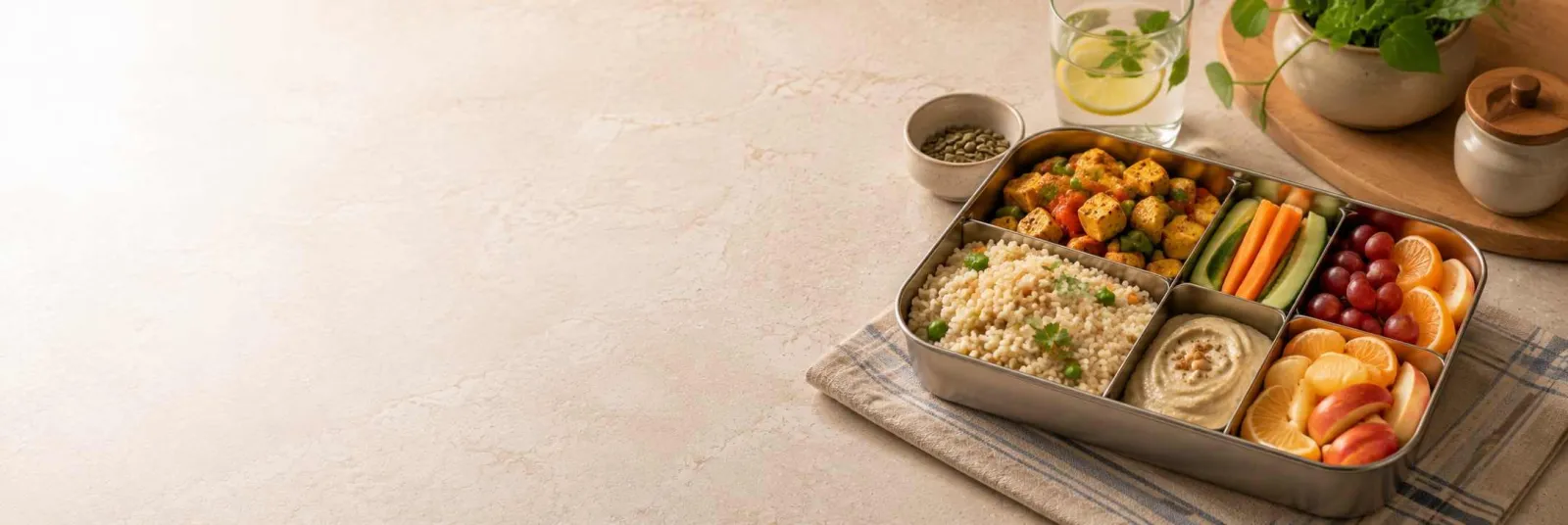
Healthy Lunch Box Ideas for Easy Everyday Meals
Why Healthy Lunch Box Planning Matters
Lunch is often the meal people have the least time to plan during a busy day. Work deadlines, school schedules, travel time, and daily responsibilities can make it tempting to skip lunch or depend on whatever is available nearby. A planned lunch box can make the day easier because the decision is already made before hunger hits.
Healthy lunch box ideas are useful because they help you create meals with more structure. Instead of packing random leftovers or only one snack, you can build a lunch that feels complete. This may support better meal consistency, reduce last-minute food stress, and make it easier to include a variety of ingredients during the week.
For beginners, the most important point is simplicity. You do not need complicated recipes, expensive ingredients, or perfect meal prep containers. A good lunch box can be made with basic foods you already enjoy, such as rice, roti, bread, pasta, eggs, beans, lentils, tofu, paneer, curd, vegetables, fruit, nuts, and simple homemade dips.
If you are planning meals across the whole day, it can also help to pair these lunch ideas with Easy High-Protein Breakfast Recipes for Busy Mornings. A simple breakfast and a planned lunch box can make your daily food routine feel more organized without adding too much extra work.
What Are the Best Healthy Lunch Box Ideas for Beginners?
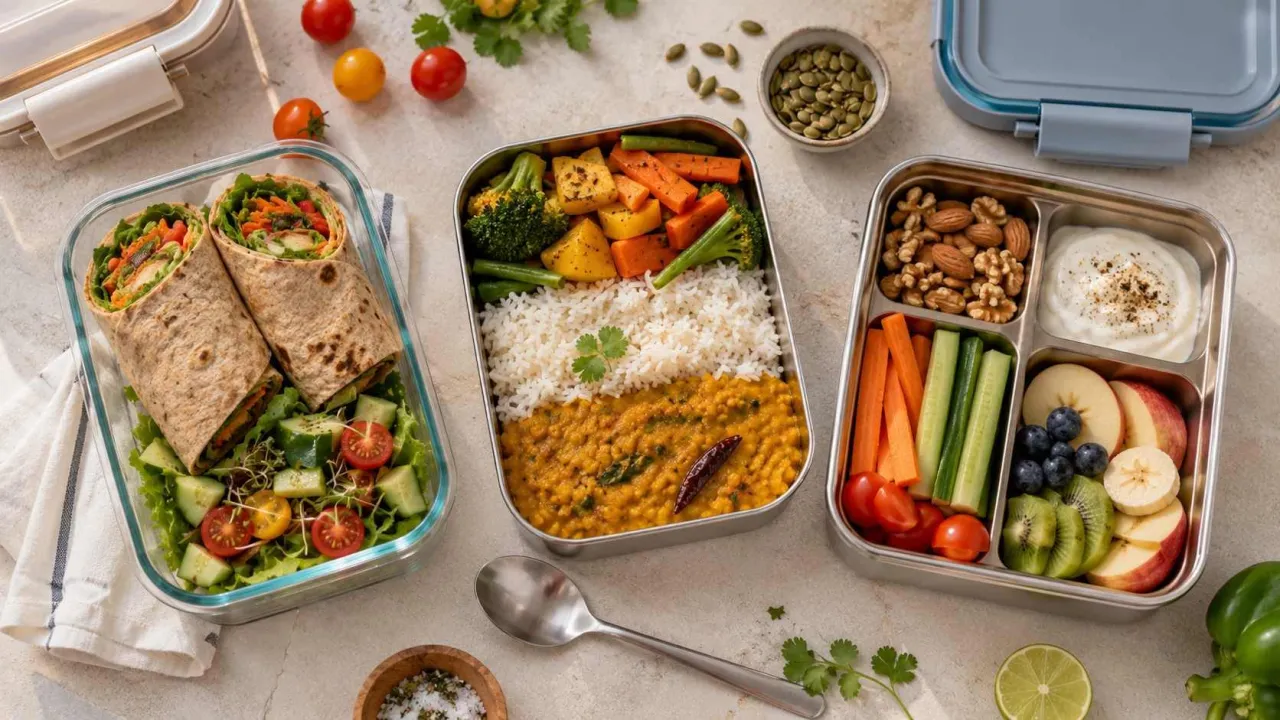
The best healthy lunch box ideas for beginners are simple meals that include a protein source, a filling carbohydrate, colorful fruits or vegetables, and a small portion of healthy fats or flavorful extras. Good examples include rice bowls, whole grain wraps, pasta salads, paneer or tofu boxes, egg and vegetable meals, chickpea salads, yogurt bowls, and sandwich-style lunches with fresh sides. A useful lunch box should be easy to prepare, safe to carry, enjoyable to eat, and flexible enough to repeat with small changes. The goal is to build a lunch routine that is simple, practical, and easy to maintain, but a practical meal that keeps lunch convenient and satisfying.
The Simple Formula for a Balanced Lunch Box
A beginner-friendly lunch box becomes much easier when you follow a simple formula. Think of your box as four parts: one main protein, one filling base, one or two fresh sides, and one flavor element. This structure keeps the meal practical without making it boring.
- Protein: eggs, paneer, tofu, chicken, fish, beans, chickpeas, lentils, yogurt, cottage cheese, or hummus.
- Filling base: rice, roti, whole grain bread, pasta, quinoa, millets, potatoes, noodles, or wraps.
- Fresh sides: cucumber, carrot, tomato, capsicum, lettuce, spinach, fruit, roasted vegetables, or salad.
- Flavor element: chutney, salsa, yogurt dip, lemon juice, herbs, spices, seeds, nuts, or a small dressing.
This formula works for many different eating styles. A rice bowl, wrap, sandwich, salad box, or leftovers box can all become more balanced when the ingredients are chosen with this structure in mind.
For readers who prefer familiar Indian meals, Gut-Friendly Indian Recipes Using Everyday Ingredients can be a useful next read. It offers more ideas for using simple home-style ingredients in a balanced and practical way.
Healthy Lunch Box Ideas for Different Routines
Not every day needs the same type of lunch. Some days you may need something that can be eaten cold. On other days, you may have access to a microwave. Sometimes you may want a light lunch, and sometimes you may need something more filling. The best lunch box ideas are the ones that match your actual routine.
You can also include millets as a filling base when they suit your taste and routine. For more ideas, explore Simple Millet Recipes for Weight-Conscious Eating, especially if you want alternatives to regular rice, pasta, or bread.
No-Cook Lunch Box Ideas
No-cook lunch boxes are helpful when mornings are rushed or when you do not want to use the stove. You can pack whole grain sandwiches, vegetable wraps, chickpea salads, yogurt with fruit and nuts, hummus with vegetable sticks, or cottage cheese toast-style boxes.
For example, a simple no-cook box can include hummus, cucumber sticks, carrot sticks, whole wheat pita, boiled chickpeas, and fruit. Another easy option is a curd bowl with roasted seeds, chopped fruit, and a side of whole grain crackers or toast. These meals are quick to assemble and can still feel fresh and complete.
Make-Ahead Lunch Box Ideas
Make-ahead lunches are ideal for people who prefer planning once and eating well for several days. You can prepare cooked rice, pasta, roasted vegetables, boiled eggs, grilled paneer, tofu, lentils, or beans in advance. Then mix and match them through the week.
A make-ahead lunch box could include brown rice, tofu cubes, stir-fried vegetables, and a yogurt dip. Another option is pasta salad with beans, chopped vegetables, herbs, and a light dressing. Keep sauces and dressings separate if you want the texture to stay better until lunchtime.
Warm Lunch Box Ideas
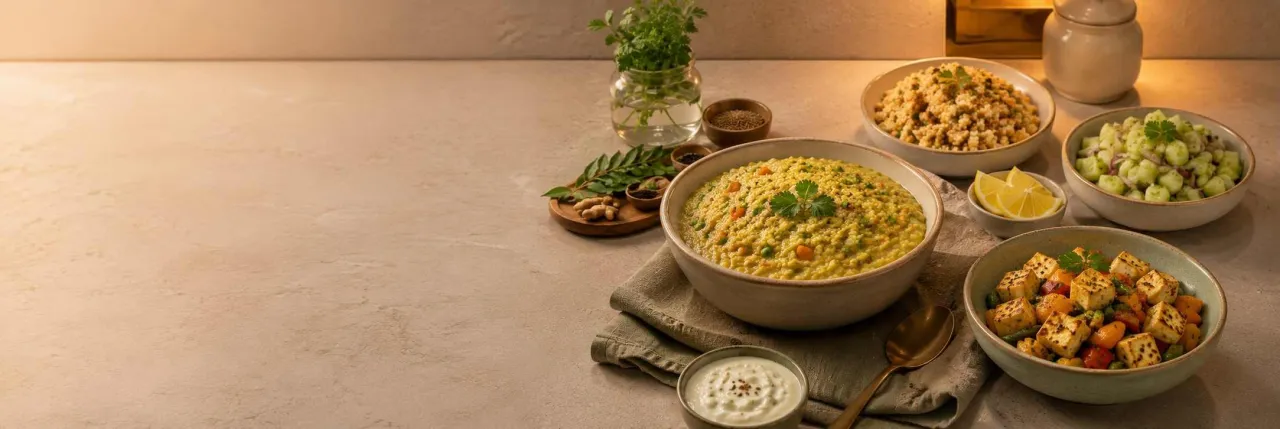
If you can reheat your lunch, warm meals open up more options. You can pack dal with rice, vegetable pulao with curd, paneer bhurji with roti, egg fried rice, tofu stir-fry, lentil soup, or mixed vegetable khichdi. These meals can be comforting and filling without requiring fancy ingredients.
Warm lunch boxes are especially useful for people who prefer traditional meals. You can simply cook a slightly larger dinner and pack the leftovers for lunch the next day. This saves time and reduces the need to cook a completely separate meal in the morning.
Lunch Box Ideas for Kids and Beginners
For children or beginners who are still adjusting to packed meals, familiar flavors often work best. Instead of making the lunch box too experimental, start with foods they already like and add small improvements. A sandwich can include vegetables. Pasta can include beans. A paratha roll can include paneer, egg, or tofu with a fresh side.
Keep portions manageable and avoid packing too many new foods at once. A lunch box with one main item, one fruit, one crunchy vegetable, and one small snack is often easier to finish than a box with too many mixed items.
Healthy Lunch Box Comparison Table
| Lunch Box Type | Best Main Ingredients | Prep Time | Best For |
|---|---|---|---|
| Rice bowl | Rice, beans, tofu, paneer, vegetables | Medium | Filling work or school lunch |
| Whole grain wrap | Roti, tortilla, hummus, eggs, paneer, salad | Quick | Easy handheld meals |
| Pasta salad | Pasta, chickpeas, vegetables, herbs | Medium | Cold lunch without reheating |
| Sandwich box | Whole grain bread, cheese, egg, vegetables | Quick | Beginner-friendly packing |
| Traditional meal box | Dal, rice, roti, sabzi, curd | Medium | Home-style lunch |
| Snack-style box | Fruit, nuts, yogurt, hummus, crackers | Quick | Light lunch or travel days |
Easy Healthy Lunch Box Combinations
Having a few ready combinations can save time and reduce confusion. You can repeat these ideas as they are or change one ingredient each time to keep the lunch interesting.
1. Chickpea Salad Box
Combine cooked chickpeas with cucumber, tomato, onion, capsicum, lemon juice, herbs, and a small amount of olive oil or yogurt dressing. Pack it with whole wheat pita, fruit, or roasted nuts. This box works well when you need a cold lunch that still feels filling.
2. Paneer or Tofu Rice Bowl
Add cooked rice to a container with lightly sautéed paneer or tofu, mixed vegetables, and a simple curd dip or chutney. You can use basic spices to change the flavor. This is a flexible option because the same bowl can taste different with different vegetables or sauces.
3. Egg and Vegetable Wrap
Fill a roti or whole grain wrap with scrambled eggs, sliced cucumber, lettuce, tomato, and a light spread. Wrap it tightly so it is easy to carry. You can also make this with tofu or paneer if you prefer an egg-free version.
4. Pasta and Bean Lunch Box
Mix cooked pasta with beans, corn, cucumber, capsicum, herbs, and a light dressing. Add fruit or yogurt on the side. This is useful when you want a lunch that can be eaten cold and prepared ahead of time.
5. Dal, Rice, and Vegetable Box
A simple dal and rice lunch can be balanced with one cooked vegetable and a small portion of curd. Pack the dal in a leak-resistant container and keep dry sides separate when possible. This option is familiar, comforting, and easy to adjust based on what is cooked at home.
6. Sandwich and Fresh Sides Box
Make a sandwich with whole grain bread, egg, cottage cheese, hummus, paneer, or vegetable filling. Add carrot sticks, cucumber slices, fruit, and a few nuts. This is one of the easiest healthy lunch box ideas for people who do not want to cook in the morning.
How to Pack a Lunch Box That Still Tastes Good Later
A lunch box is not only about what you pack. It is also about how you pack it. Good packing can keep textures better and make lunch more enjoyable. Wet ingredients can make bread, wraps, and salads soggy if they are mixed too early.
Keep sauces, chutneys, dressings, and dips in a small separate container when possible. If you are packing a sandwich, place lettuce, cheese, or a dry layer between the bread and moist fillings. For salads, keep crunchy ingredients such as nuts, seeds, or crackers separate until you are ready to eat.
Temperature also matters. Some foods are better chilled, while others are better warm. Use an insulated bag if lunch will sit outside for a long time. If you are packing dairy, eggs, cooked meat, or other perishable foods, keep food safety in mind and avoid leaving them in warm conditions for too long.
Step-by-Step Lunch Box Meal Prep for Beginners
Meal prep does not have to mean cooking every meal for the whole week. A simpler approach is to prepare a few building blocks. This gives you flexibility while still saving time.
- Choose two main bases: Cook rice, pasta, quinoa, potatoes, or keep roti and bread ready.
- Prepare two protein options: Boil eggs, cook beans, grill paneer, prepare tofu, or make dal.
- Wash and chop vegetables: Keep cucumber, carrot, capsicum, lettuce, or tomatoes ready for quick packing.
- Make one dip or dressing: Use curd, herbs, lemon juice, chutney, hummus, or a light homemade dressing.
- Plan three combinations: Decide which ingredients will become a bowl, wrap, salad, sandwich, or traditional meal box.
This method helps you avoid eating the exact same lunch every day. For example, the same cooked chickpeas can become a salad on Monday, a wrap filling on Tuesday, and a rice bowl topping on Wednesday.
If you want to plan more than just lunch, Easy Meal Prep Recipes for a Healthy Week can help you organize simple meals in advance. This is especially useful for busy weekdays when cooking from scratch every day feels difficult.
Practical Tips for Making Lunch Boxes More Enjoyable
Use color to make the lunch box more appealing. A meal with green cucumber, red tomato, orange carrot, and yellow corn often looks more inviting than a plain beige meal. This does not have to be complicated. Even one fruit and one vegetable can improve the look and variety of the box.
Think about texture. Add something crunchy, creamy, soft, and fresh when possible. For example, a rice bowl can include soft rice, firm tofu, crunchy cucumber, and creamy yogurt dip. A sandwich box can include a soft sandwich, crisp vegetables, and fruit.
Do not forget seasoning. Simple ingredients can taste plain if they are not seasoned properly. Use salt mindfully, along with pepper, lemon juice, herbs, spices, roasted cumin, chili flakes, or garlic depending on your preference. A small flavor boost can make packed lunch feel much better.
Pack portions that match your appetite. A lunch box that is too small may leave you hungry, while one that is too large may feel heavy. Your needs can change based on your schedule, activity, and personal comfort, so adjust the size instead of copying someone else’s lunch exactly.
Common Mistakes to Avoid When Packing Healthy Lunch Boxes
One common mistake is packing only one type of food. A lunch box with only rice, only bread, or only fruit may not feel satisfying for long. Try to include a mix of protein, carbohydrates, vegetables or fruit, and a small flavor element.
Another mistake is making lunch too complicated. Beginners often try to prepare elaborate meals and then stop after a few days because it takes too much time. Simple, repeatable meals are more useful than perfect-looking boxes that are difficult to maintain.
Soggy food is another common issue. Adding sauces too early, packing wet vegetables directly against bread, or mixing salads hours before eating can affect texture. Keep wet and dry items separate when possible.
Skipping food safety is also a concern. Cooked foods, dairy-based dips, eggs, and certain leftovers should be stored and carried carefully. Use clean containers, cool food before closing the lid, and keep perishable foods chilled when needed.
Finally, avoid packing foods you do not enjoy just because they seem healthy. A lunch box should be practical and pleasant to eat. If you dislike a certain ingredient, choose another option that fits your taste and routine better.
Beginner-Friendly Checklist for Healthy Lunch Box Ideas
- Choose one main protein source for the lunch box.
- Add one filling base such as rice, roti, bread, pasta, or potatoes.
- Include at least one fruit or vegetable for freshness and variety.
- Pack sauces, dips, and dressings separately when possible.
- Use containers that close properly and suit your portion size.
- Prepare some ingredients ahead of time to reduce morning stress.
- Keep two quick no-cook lunch ideas ready for extra busy days.
- Choose familiar flavors before experimenting with new combinations.
- Check whether the lunch needs to stay cold or be reheated.
- Adjust portions based on hunger, schedule, and personal preference.
How to Keep Healthy Lunch Box Ideas Budget-Friendly
A healthy lunch box does not have to be expensive. Basic ingredients can create many useful meals when planned well. Rice, dal, eggs, beans, chickpeas, seasonal vegetables, curd, roti, potatoes, and fruit are commonly used in simple lunch boxes and can be adapted in many ways.
Using leftovers is one of the easiest ways to save time and reduce food waste. Leftover dal can become a soup-style lunch. Leftover rice can become a rice bowl. Cooked vegetables can be added to wraps, sandwiches, or pasta. A small amount of paneer, tofu, or beans can make a lunch box feel more complete.
Leftovers can also become a smart base for the next day’s lunch. For example, ideas from Healthy Dinner Ideas for Weight Loss can often be adjusted into lighter lunch boxes when packed with vegetables, grains, or simple protein options.
Buying seasonal produce can also help keep meals interesting. Instead of using the same vegetables every week, choose what is fresh and available. This naturally changes the color, flavor, and texture of your lunch boxes without needing new recipes every day.
Disclaimer: These healthy lunch box ideas are for general meal-planning and educational purposes. Individual food needs, allergies, storage conditions, and dietary preferences can vary, so adjust ingredients carefully and seek professional guidance if you need personalized nutrition advice.
Reminder: The most useful lunch box is the one you can prepare and enjoy consistently. Start with simple combinations, repeat what works, and make small changes each week instead of trying to create a perfect lunch every day.
Final Thoughts on Healthy Lunch Box Ideas
Healthy lunch box ideas become much easier when you focus on balance, convenience, and taste. You do not need complicated recipes to pack a satisfying lunch. A simple mix of protein, a filling base, vegetables or fruit, and a flavorful dip or seasoning can create many practical meals.
For beginners, the best approach is to build a small list of reliable lunch boxes. Try a rice bowl, a wrap, a sandwich box, a pasta salad, and a traditional meal box. Once you understand what works for your schedule, packing lunch becomes less stressful and more natural. With a little planning, everyday lunch can be simple, flexible, and enjoyable.
Frequently Asked Questions
What should I pack in a healthy lunch box?
A healthy lunch box can include a protein source, a filling carbohydrate, vegetables or fruit, and a small flavor element such as dip, chutney, herbs, or seasoning. This keeps the meal practical and more balanced.
How can I make lunch boxes quickly in the morning?
Prepare ingredients ahead of time. Cook rice, chop vegetables, boil eggs, prepare beans, or make dips the night before. In the morning, you can quickly assemble a wrap, bowl, salad, or sandwich.
What are good no-cook lunch box ideas?
No-cook options include chickpea salad, hummus with vegetables and pita, cottage cheese sandwiches, yogurt with fruit and nuts, vegetable wraps, and snack-style boxes with fruit, nuts, and whole grain crackers.
How do I stop my lunch box from getting soggy?
Keep wet ingredients separate from dry ones. Pack dressings, sauces, chutneys, and dips in small containers. For sandwiches and wraps, use a dry layer such as lettuce or cheese between bread and moist fillings.
Can I use leftovers for healthy lunch boxes?
Yes, leftovers can be very useful for lunch boxes. Cooked vegetables, rice, dal, beans, paneer, tofu, pasta, and roti can be reused in bowls, wraps, sandwiches, or traditional meal boxes when stored safely.
Can healthy lunch boxes be prepared the night before?
Yes. Many healthy lunch boxes can be prepared the night before. Store ingredients in airtight containers, keep dressings separate when possible, and refrigerate perishable foods until you're ready to leave. This can save time and make busy mornings easier.
Was this article helpful?
Share your feedback — select a reaction.
Are you satisfied with these answers?
If you'd like to ask something else, you can post your question here.
Comments (0)
Comments are reviewed before they appear.
Loading comments…
More Blogs
Easy High-Protein Breakfast Recipes for Busy Mornings
Gut-Friendly Indian Recipes Using Everyday Ingredients
Healthy Dinner Ideas for Weight Loss
High-Protein Vegetarian Indian Recipes for Weight-Conscious Eating