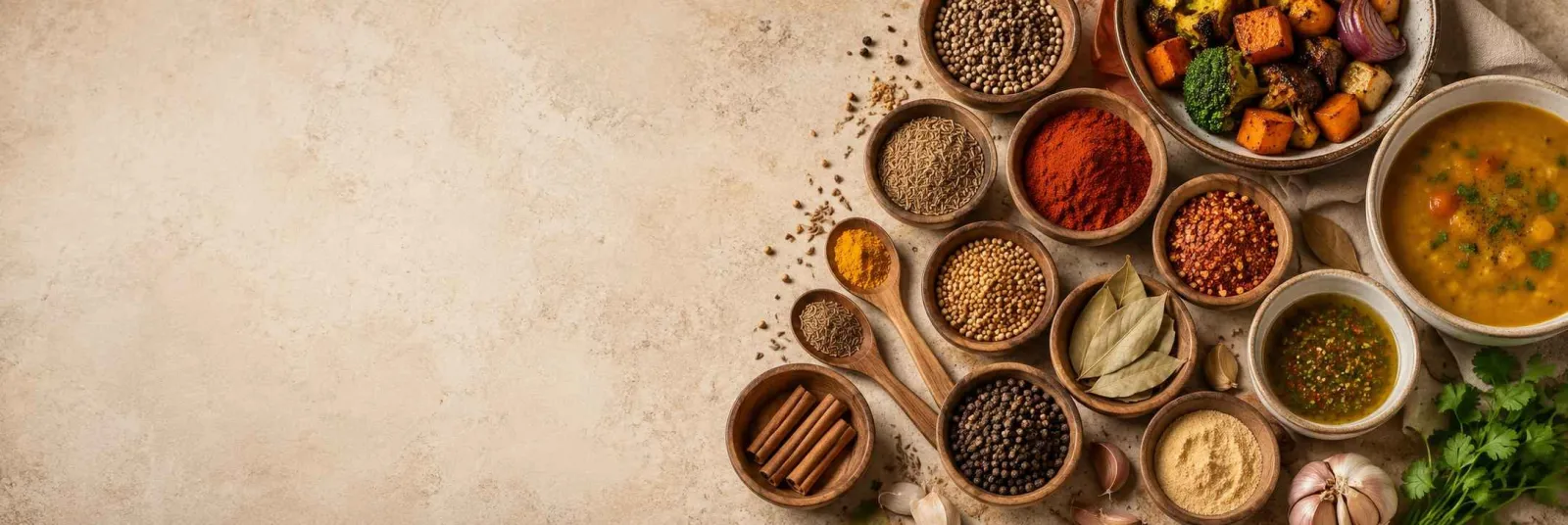
How To Use Spices In Everyday Cooking: Simple Tips For Better Flavors
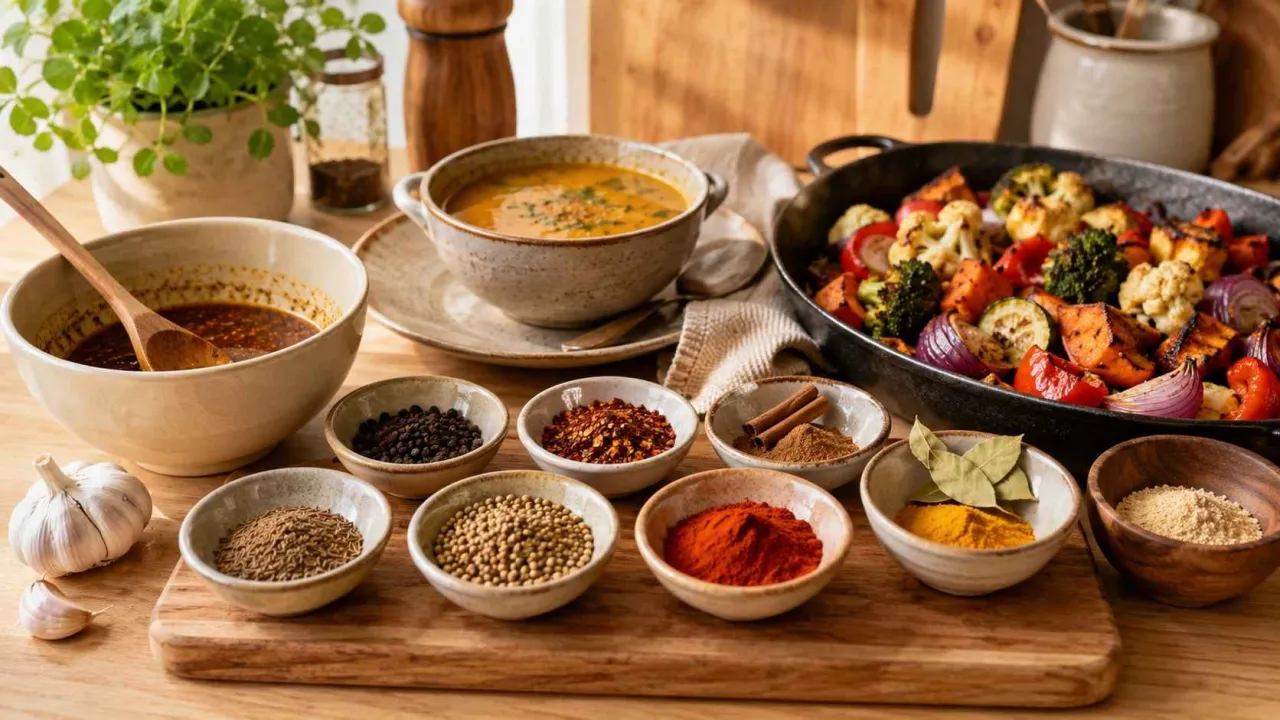
Easy Spice Cooking Tips For Everyday Meals
Learn how to choose, combine, toast, store, and use everyday spices with confidence so your home-cooked meals taste more balanced, aromatic, and enjoyable.
How Do You Use Spices In Everyday Cooking?
To use spices in everyday cooking, start small, add them at the right time, and match them with the food you are cooking. Whole spices are often added early to hot oil or dry-toasted for aroma, while ground spices are usually added after onions, garlic, or other base ingredients so they do not burn. Use familiar spices such as cumin, coriander, black pepper, paprika, turmeric, cinnamon, and chili flakes in simple meals like soups, rice, roasted vegetables, eggs, lentils, sauces, and marinades. Taste as you cook, balance heat with acidity or sweetness, and store spices in airtight containers away from light and heat.
Why Spices Matter In Everyday Cooking
Spices can turn a simple meal into something warm, fragrant, and satisfying. A plain pot of rice can become comforting with cumin and bay leaf. Roasted vegetables can taste deeper with paprika, black pepper, and garlic powder. A basic soup can feel richer with a pinch of coriander, cinnamon, or chili flakes. The good news is that using spices well does not require professional cooking skills.
Many beginners feel unsure about spices because the choices seem endless. Some spices look similar, some smell strong, and some recipes use long lists that feel difficult to follow. But everyday spice cooking is mostly about understanding a few simple ideas: when to add spices, how much to use, which spices work together, and how to avoid overpowering the dish.
This guide explains practical ways to use spices in daily cooking. It focuses on simple meals, common ingredients, and easy techniques that can help you build flavor step by step. You do not need a huge spice rack. A small, well-used collection is often better than many jars that sit untouched for years. For a broader beginner overview, you can also read this ultimate guide to spices.
What Spices Do In Cooking
Spices add more than heat. They bring aroma, color, warmth, earthiness, sweetness, smokiness, freshness, and depth. Some spices sit quietly in the background and make a dish taste complete. Others become the main flavor. Understanding this difference helps you use spices with more confidence.
For example, black pepper adds sharpness and gentle heat. Cumin brings a warm, earthy flavor. Cinnamon can add sweetness and warmth without adding sugar. Paprika can give color and a mild peppery taste. Turmeric is commonly included for its golden color and earthy notes. Chili flakes add heat and a little texture.
The main goal of using spices is balance. A good dish does not need to taste strongly of one spice. It should taste rounded, pleasant, and suited to the main ingredients. When spices support the food instead of covering it, the result feels natural and enjoyable.
Whole Spices And Ground Spices
Spices are commonly used in two forms: whole and ground. Both are useful, but they behave differently in cooking. If you want a deeper comparison, read this guide on whole spices vs ground spices.
Whole spices include items such as cumin seeds, mustard seeds, cloves, cardamom pods, cinnamon sticks, bay leaves, and peppercorns. They release flavor slowly and are often added early in cooking. They work especially well in rice dishes, stews, soups, broths, pickles, and slow-cooked meals.
Ground spices include powders such as ground cumin, coriander, turmeric, paprika, cinnamon, chili powder, and black pepper. They mix quickly into food and give faster flavor. Because they are fine and delicate, they can burn if cooked too long over high heat without enough moisture or fat.
| Type of Spice | Best Used For | Simple Cooking Tip |
|---|---|---|
| Whole spices | Rice, soups, stews, sauces, infused oils, slow cooking | Add early so they have time to release flavor |
| Ground spices | Curries, roasted vegetables, marinades, soups, eggs, sauces | Add after the base ingredients and avoid burning |
| Spice blends | Quick meals, rubs, dressings, one-pan dishes | Check whether salt is included before adding more |
Start With A Small Everyday Spice Collection
You do not need dozens of spices to cook flavorful meals. A beginner-friendly spice shelf can be small, useful, and easy to manage. Choose spices that match the foods you already cook. This makes it more likely that you will actually use them.
A good starter set may include black pepper, cumin, coriander, paprika, turmeric, cinnamon, chili flakes, garlic powder, dried oregano, and bay leaves. These spices can work across many everyday dishes, from roasted vegetables and soups to rice, beans, pasta sauces, eggs, and grilled foods. You can also explore the top 10 most popular spices around the world to understand how different spices are commonly used.
Once you feel comfortable, you can add spices based on your taste. For example, smoked paprika can bring a deeper flavor to beans and potatoes. Cardamom can add fragrance to rice, desserts, and tea. Mustard seeds can add a nutty pop when cooked in hot oil. Fennel seeds can add a mild sweetness to sauces, breads, and vegetable dishes.
How Much Spice Should You Use?
One of the easiest mistakes is using too much spice at once. Spices are concentrated, so a small amount can change a dish quickly. For beginners, it is better to start with less and build up.
For a dish serving two to four people, a good starting point is often 1/4 teaspoon to 1 teaspoon of a ground spice, depending on the spice and the recipe. Strong spices such as cloves, nutmeg, and cardamom should usually be used in smaller amounts. Milder spices such as paprika or coriander can often be used more generously.
When experimenting, add a little, stir well, let the dish cook briefly, and taste again. Spices need time to blend into the food. If you taste immediately after adding them, the flavor may seem sharp or uneven. Give the dish a few minutes before deciding whether it needs more.
When To Add Spices While Cooking
Timing matters. The same spice can taste different depending on when you add it. Some spices become more aromatic when heated in oil. Others are better near the end, especially when you want a fresher, brighter taste.
Whole spices are often added at the beginning. For example, cumin seeds, mustard seeds, or bay leaves can be added to warm oil before other ingredients. This helps release their aroma into the cooking fat, which then spreads through the dish.
Ground spices are usually added after onions, garlic, ginger, tomatoes, or other base ingredients have softened. This gives the spices enough contact with heat to bloom, but not so much that they burn. If the pan looks dry, add a splash of water, broth, or tomato before the spices scorch.
Delicate dried herbs and finishing spices can be added later. Black pepper, garam masala, dried mint, or a final sprinkle of chili flakes can be added near the end when you want the aroma to stay noticeable.
Blooming Spices For Better Flavor
Blooming means heating spices briefly in oil, butter, or another cooking fat. This simple step can make spices smell stronger and taste more rounded. It is commonly used in many cooking styles and is one of the easiest ways to improve everyday meals.
To bloom ground spices, heat a little oil over medium heat, add your softened onions, garlic, or other base ingredients, then stir in the spices for about 30 seconds to one minute. Keep the heat controlled. The spices should smell fragrant, not burnt. Then add liquid ingredients, vegetables, beans, grains, or protein.
For whole spices, add them to warm oil first and cook just until they become fragrant or begin to gently sizzle. Then continue with the rest of the recipe. This works well for cumin seeds in lentils, mustard seeds in vegetable dishes, cinnamon sticks in rice, and bay leaves in soups.
Toasting Spices Before Using Them
Dry-toasting is another useful technique. It means heating whole spices in a dry pan for a short time before grinding or adding them to food. Toasting can make the flavor warmer and more aromatic.
Use a small pan over medium-low heat. Add the whole spices and stir or shake the pan often. When they smell fragrant, remove them from the heat. Do not wait until they become dark or smoky. Burnt spices can taste bitter and may spoil the dish.
Toasted cumin, coriander, fennel, and peppercorns can be crushed and sprinkled over roasted vegetables, yogurt dips, soups, or salads. This is a simple way to add flavor without making the dish heavy.
Pairing Spices With Everyday Foods
Spice pairing becomes easier when you think about the main ingredient. Mild foods often welcome warm and aromatic spices. Rich foods may need sharpness or heat. Sweet foods often pair well with warming spices. Vegetables can handle a wide range of flavors depending on how they are cooked.
| Everyday Food | Spices That Often Work Well | Easy Idea |
|---|---|---|
| Eggs | Black pepper, paprika, chili flakes, cumin | Add a pinch to scrambled eggs or omelets |
| Rice | Cumin seeds, bay leaf, cinnamon stick, cardamom | Add whole spices while the rice cooks |
| Potatoes | Paprika, turmeric, cumin, black pepper, garlic powder | Toss with oil and spices before roasting |
| Lentils and beans | Cumin, coriander, chili flakes, bay leaf, smoked paprika | Bloom spices before adding cooked beans or lentils |
| Chicken or tofu | Paprika, cumin, coriander, black pepper, garlic powder | Use as a simple dry rub or marinade base |
| Tomato sauces | Oregano, basil, black pepper, chili flakes, fennel seeds | Add early and simmer gently |
| Roasted vegetables | Cumin, paprika, coriander, cinnamon, chili flakes | Mix spices with oil before coating vegetables |
Simple Spice Combinations For Beginners
Learning a few basic combinations makes everyday cooking much easier. These combinations are flexible and can be adjusted to your taste. Use them as starting points rather than strict rules.
Warm And Earthy
Combine cumin, coriander, black pepper, and a small pinch of turmeric. This works well with lentils, beans, rice, cauliflower, potatoes, and soups. It gives depth without too much heat.
Smoky And Mildly Spicy
Use paprika, smoked paprika, garlic powder, black pepper, and chili flakes. This combination works well for roasted potatoes, grilled vegetables, chickpeas, chicken, tofu, and sandwiches.
Sweet And Warming
Try cinnamon, nutmeg, cardamom, or clove in very small amounts. These spices are useful in oatmeal, baked fruit, rice pudding, cakes, tea, and some savory dishes where a gentle warmth is welcome.
Fresh And Herby
Use dried oregano, thyme, basil, black pepper, and a little garlic powder. This is useful for pasta sauces, soups, roasted tomatoes, salad dressings, and baked vegetables.
How To Use Spices In Common Everyday Meals
Spices become less intimidating when you connect them to familiar meals. You do not have to cook complicated dishes. Small changes in simple recipes can make a big difference.
For breakfast, add black pepper, paprika, or chili flakes to eggs. Stir cinnamon into oatmeal. Add cardamom to tea or coffee for a fragrant twist. Sprinkle toasted cumin over yogurt with cucumber and salt for a quick side dish.
For lunch, add cumin and coriander to lentil soup. Mix paprika and garlic powder into roasted chickpeas. Use oregano and chili flakes in pasta sauce. Add black pepper and a pinch of mustard powder to salad dressing.
For dinner, use bay leaf and peppercorns in soups or stews. Add cumin seeds to rice. Coat vegetables with oil, paprika, black pepper, and coriander before roasting. Mix spices with yogurt, lemon juice, or oil to make a simple marinade for tofu, paneer, fish, chicken, or vegetables.
Balance Spices With Salt, Acid, Fat, And Sweetness
Spices are important, but they do not work alone. A dish can have many spices and still taste flat if it lacks balance. Salt, acid, fat, and sweetness all affect how spices are experienced.
Salt helps flavors become clearer, but it should be used carefully. Acid from lemon juice, vinegar, tomatoes, or yogurt can brighten a dish that tastes heavy. Fat from oil, butter, coconut milk, cream, or nuts can carry spice aromas and soften sharp edges. A little sweetness from onions, carrots, coconut, or a small amount of honey can balance heat and bitterness.
If a dish tastes dull, it may not need more spice. It may need a little salt or acid. If it tastes too spicy, adding yogurt, coconut milk, cream, potatoes, rice, or beans can help soften the heat. If it tastes bitter, the spices may have burned, or the dish may need more moisture and balance.
Common Mistakes To Avoid
Using spices well is partly about knowing what not to do. Small mistakes can make spices taste harsh, dusty, bitter, or overpowering.
- Adding too much too soon: Start with a small amount and increase gradually after tasting.
- Burning ground spices: Cook them briefly and add moisture if the pan becomes dry.
- Using old spices without checking them: If a spice has little aroma, it may not add much flavor.
- Ignoring the main ingredient: Delicate foods need lighter seasoning, while hearty foods can handle stronger spices.
- Using many spices without purpose: More spices do not always mean better flavor.
- Forgetting balance: Salt, acid, fat, and texture matter as much as spices.
How To Fix Over-Spiced Food
Almost every home cook has added too much spice at some point. The solution depends on the problem. If the dish is too hot, add more of the main ingredient, such as rice, beans, vegetables, broth, or dairy, depending on the recipe. This spreads the spice across a larger amount of food.
If the dish tastes bitter, check whether the spices may have burned. You can try adding acidity, a little sweetness, or extra fat, but badly burnt spices are difficult to hide. If only the top layer or a small part is burnt, move the unburnt portion to a clean pan and continue gently.
If one spice dominates, add ingredients that support the dish rather than adding more competing spices. For example, if cumin is too strong in a bean dish, add more beans, tomatoes, onions, or broth. If cinnamon is too noticeable in a savory dish, add more base ingredients and a little acidity to balance the sweetness.
How To Store Spices Properly
Good storage keeps spices useful for longer. Spices do not usually spoil in the same way fresh food does, but they can lose aroma and flavor over time. Heat, light, air, and moisture are the main enemies. For more detail, read this guide on how to store spices properly.
Store spices in airtight containers in a cool, dry, dark place. A cabinet away from the stove is usually better than a shelf above the oven. Avoid shaking spice jars directly over steaming pots because moisture can enter the container and cause clumping.
Whole spices generally keep their aroma longer than ground spices. If you enjoy cooking with spices often, consider buying some spices whole and grinding small amounts when needed. For everyday convenience, ground spices are perfectly useful as long as they still smell fresh and pleasant.
Building Confidence With Spices
The best way to learn spices is to use them regularly in simple meals. Choose one spice each week and try it in different dishes. Notice how cumin changes when used as seeds in oil compared with ground cumin in soup. Compare regular paprika with smoked paprika. Try cinnamon in oatmeal, rice, and a mild stew to understand how it behaves in different settings.
Keep notes if that helps. Write down what worked, what felt too strong, and what you would change next time. Over time, you will begin to recognize spice personalities. You will know which ones add warmth, which ones add heat, which ones add color, and which ones need a careful hand.
Cooking with spices is not about memorizing rules. It is about paying attention. Smell the spice before using it. Watch the heat. Taste the food as it cooks. Adjust slowly. These small habits make everyday meals more flavorful and more enjoyable.
Beginner-Friendly Spice Method
When you are unsure where to start, use this simple method for savory dishes such as vegetables, beans, rice, soups, and sauces.
- Choose one main flavor direction, such as warm, smoky, herby, or spicy.
- Select two to four spices that match that direction.
- Start with small amounts, especially if using strong spices.
- Cook whole spices early or bloom ground spices briefly in oil.
- Add the main ingredients and enough moisture to prevent burning.
- Taste near the end and adjust with salt, acid, or a small amount of extra spice.
- Finish with a fresh element such as lemon juice, herbs, yogurt, or a final crack of black pepper when appropriate.
Conclusion
Spices can make everyday cooking more enjoyable, but they do not need to be complicated. Begin with a small collection, learn the difference between whole and ground spices, and pay attention to timing. Blooming spices in oil, dry-toasting whole spices, and balancing flavors with salt, acid, fat, and sweetness can all help create better meals.
The most important habit is to start small and taste as you cook. Over time, you will understand which spices you enjoy and how they work with your favorite foods. With a little practice, spices become less like mystery ingredients and more like trusted tools in your kitchen.
Frequently Asked Questions
What spices should beginners start with?
Beginners can start with black pepper, cumin, coriander, paprika, turmeric, cinnamon, chili flakes, garlic powder, oregano, and bay leaves. These spices are versatile and can be used in many simple dishes, including soups, rice, eggs, roasted vegetables, beans, and sauces.
Should I add spices before or after cooking?
It depends on the spice and the dish. Whole spices are often added early so they can release flavor slowly. Ground spices are usually added after base ingredients such as onions, garlic, or tomatoes have softened. Some finishing spices, such as black pepper or certain spice blends, can be added near the end for a fresher aroma.
How do I know if my spices are still good?
Smell them. If a spice has very little aroma or smells flat, dusty, or stale, it may not add much flavor. Whole spices usually keep their aroma longer than ground spices. Store all spices in airtight containers away from heat, light, and moisture.
Can I mix different spices together?
Yes, but it is best to mix spices with a clear purpose. Start with two to four spices that work well together, such as cumin, coriander, paprika, and black pepper. Avoid adding many spices at once until you understand how each one affects the dish.
What should I do if I add too much spice?
Add more of the main ingredient or a balancing element. Rice, potatoes, beans, vegetables, broth, yogurt, or coconut milk can help soften strong flavors depending on the recipe. If the spice tastes burnt, move the unburnt food to a clean pan and adjust gently with moisture, acidity, or extra base ingredients.
Was this article helpful?
Share your feedback — select a reaction.
Are you satisfied with these answers?
If you'd like to ask something else, you can post your question here.
Comments (0)
Comments are reviewed before they appear.
Loading comments…
More Blogs
Explore Related Topics
Spices and delicious food go hand in hand; the right aromatic blend is what turns simple ingredients into mouthwatering meals. Since our spice guides and food recipes are deeply connected, you can explore our curated collection below to master both flavors and cooking.

Easy High-Protein Breakfast Recipes for Busy Mornings
Gut-Friendly Indian Recipes Using Everyday Ingredients
Healthy Homemade Drinks for Everyday Hydration
Healthy Lunch Box Ideas for Easy Everyday Meals

High-Protein Vegetarian Indian Recipes for Weight-Conscious Eating