How to Choose the Right Beauty Products for Your Skin, Hair, and Routine
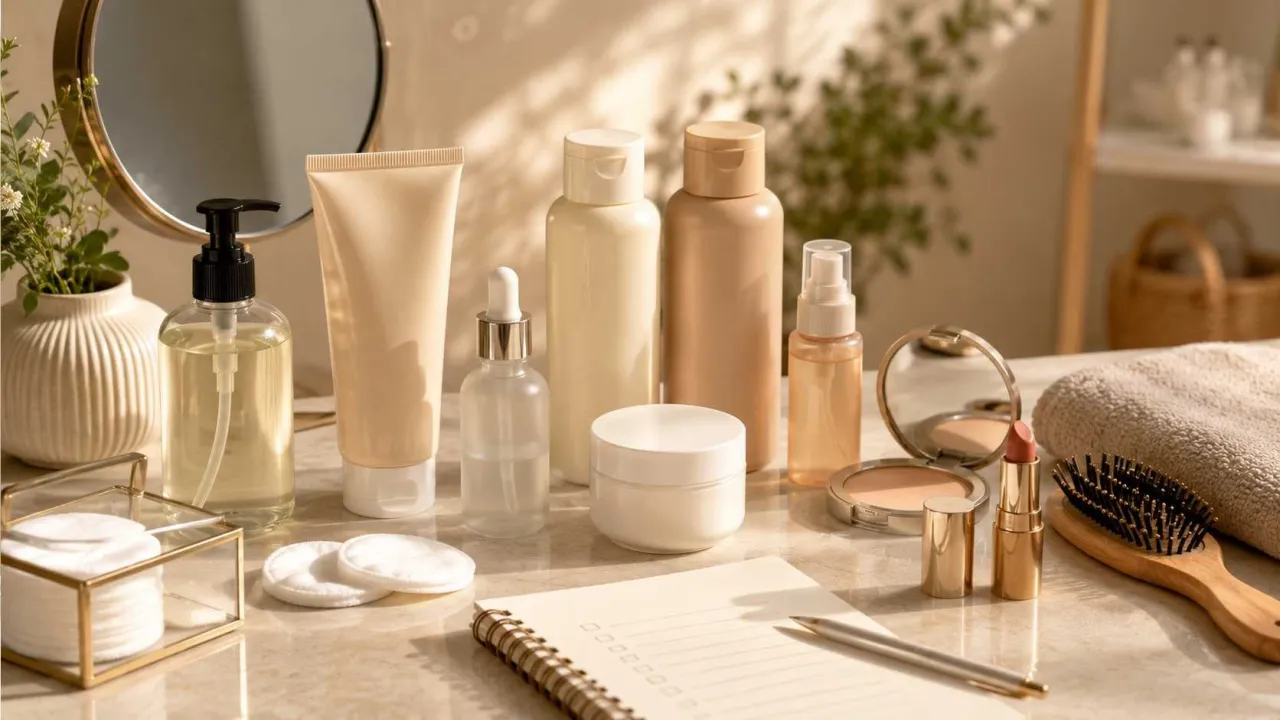
How do you choose the right beauty products without feeling overwhelmed?
To choose the right beauty products, start with your skin type, hair type, personal goals, budget, and lifestyle. Look for products that match your actual needs, check the ingredient list, avoid unnecessary add-ons, and introduce one new product at a time. A suitable beauty product should fit your routine, feel comfortable to use, and support your personal care habits without making exaggerated promises.
- Know whether your skin is oily, dry, combination, sensitive-feeling, or balanced.
- Choose products based on your main need, such as hydration, cleansing, sun care, texture, shine control, or basic grooming.
- Read labels for ingredients, usage directions, warnings, expiry dates, and product type.
- Start with essentials before adding extra products.
- Patch test when trying something new, especially if your skin is easily irritated.
Disclaimer: This article is for general beauty, skincare, haircare, and personal care information only. It is not medical advice and does not diagnose, treat, prevent, or cure any skin, scalp, hair, allergy, irritation, or health-related condition. Product results and personal needs may vary. If you have ongoing irritation, allergy, scalp discomfort, skin reaction, hair concern, or any health-related issue, please consult a qualified doctor or other healthcare professional.
Why the Right Beauty Products Are Different for Everyone
Beauty products are not one-size-fits-all. A cleanser that feels refreshing for one person may feel drying for another. A moisturizer that gives one person a smooth finish may feel heavy on someone else. This is why choosing the right product starts with understanding yourself, not copying someone else's routine.
Your skin type, hair texture, climate, daily habits, age, preferences, and budget all influence what may feel suitable for you. Even your schedule matters. A person who enjoys a detailed evening routine may like serums, masks, and extra care products, while a busy beginner may prefer a cleanser, moisturizer, sunscreen, and one simple hair product.
Trends can be useful for discovering new categories, but they should not decide your whole routine. Suitable beauty products are usually the ones you can use consistently and comfortably. A simple routine that fits your life is often more practical than a crowded shelf of products you barely use.
Start by Understanding Your Skin Type
Your skin type is one of the most important factors when choosing face products. It helps you decide what kind of cleanser, moisturizer, sunscreen, and makeup base may feel most comfortable. If you are still building your basics, you can also read this simple skincare routine for beginners.
Oily Skin
Oily skin often looks shiny, especially around the forehead, nose, and chin. People with oily skin usually prefer lightweight, non-greasy formulas. Gel cleansers, oil-free moisturizers, and light lotions may feel more comfortable than heavy creams.
Dry Skin
Dry skin may feel tight, rough, flaky, or dull. It may feel more comfortable with gentle cleansing and richer moisturizing textures. Cream cleansers, hydrating lotions, and barrier-supporting moisturizers may be useful additions to a simple routine.
Combination Skin
Combination skin has both oily and dry areas. For example, the T-zone may be oily while the cheeks feel dry. A balanced routine may work better here. You may use lightweight products overall and add extra moisture only where needed.
Sensitive-Feeling Skin
Sensitive-feeling skin may react easily to fragrance, strong exfoliants, or heavily layered routines. If your skin is easily irritated, look for gentle products, simple ingredient lists, and clear usage directions. Introduce new products slowly and avoid changing many things at once.
Balanced or Normal Skin
Balanced skin is neither too oily nor too dry most of the time. This skin type still needs basic care, including cleansing, moisturizing, and sun care. The goal is to maintain comfort rather than overload the skin with unnecessary products.
Consider Your Hair Type Before Buying Hair Products
Hair products should match your hair texture, scalp comfort, styling habits, and washing routine. A shampoo, conditioner, or styling cream that works well for thick curly hair may not suit fine straight hair.
Fine hair often does better with lightweight products that do not leave a heavy coating. Thick or coarse hair may need richer conditioners or creams for manageability. Curly and wavy hair often feels better with products that support moisture and definition. Color-treated hair may need gentle formulas designed to help maintain the look and feel of treated hair.
Your scalp also matters. Some people need frequent washing because their scalp gets oily quickly. Others prefer a less frequent wash schedule because their scalp feels dry. Choose hair products based on both the scalp and the hair length, not just the style you want. For more routine ideas, read these hair care tips for healthy hair.
Know the Main Types of Beauty Products and Their Purpose
Before buying anything, it helps to understand what each product is meant to do. This prevents confusion and makes it easier to build a routine that actually makes sense.
| Product Type | Main Purpose | Beginner Tip |
|---|---|---|
| Cleanser | Removes dirt, oil, sweat, and makeup from the skin | Choose a gentle formula that does not leave your skin feeling tight |
| Moisturizer | Helps keep skin feeling soft, comfortable, and hydrated | Pick the texture based on your skin type: gel, lotion, or cream |
| Sunscreen | Helps protect skin from sun exposure when used as directed | Choose one you like enough to use regularly |
| Exfoliant | Can help remove dull surface buildup when used carefully | Start slowly and avoid using too many exfoliating products together |
| Serum | Supports specific cosmetic needs such as dryness, dullness, or uneven-looking texture | Use only one at first so you can notice how your skin responds |
| Shampoo | Cleanses the scalp and hair | Choose based on scalp needs first, then hair type |
| Conditioner | Helps soften, smooth, and manage hair | Apply mainly to the mid-lengths and ends unless directed otherwise |
| Makeup | Enhances appearance, color, tone, or features | Match shades in natural light whenever possible |
Choose Products Based on Your Main Goal
A common beginner mistake is buying products without knowing why. Before adding anything to your cart, ask yourself what you want the product to do. Do you want a basic cleanser? A moisturizer for dry patches? A sunscreen that feels light? A shampoo for oily roots? A lip product for daily comfort?
When your goal is clear, your choices become easier. You can ignore products that do not match your needs, even if they are popular. This also helps you avoid buying multiple products that do the same thing.
For example, if your main goal is a simple morning skin routine, you may only need a cleanser, moisturizer, and sunscreen. If your main goal is smoother-looking hair, you may compare conditioners, leave-in creams, or styling products. If your goal is fresh-looking face care, you may also like these natural glow tips for face.
Read Beauty Product Labels With More Confidence
Product labels can look complicated, but beginners only need to focus on a few key areas. Start with the product name, purpose, skin or hair type suggestion, ingredient list, directions, warnings, expiry date, and quantity.
Look at the Ingredient List
Ingredients are usually listed from highest to lowest concentration, though very small amounts may follow different labeling rules depending on the product and region. You do not need to memorize every ingredient, but it helps to recognize common categories such as humectants, oils, fragrance, preservatives, exfoliating ingredients, and colorants.
If your skin is easily irritated, be cautious with products that contain strong fragrance, many essential oils, or multiple active-style ingredients in one formula. These ingredients are not automatically bad, but they may not suit everyone.
Pay Attention to Directions
Directions matter. Some products are made for daily use, while others are meant to be used only a few times a week. Some products should be rinsed off, while others should stay on. Using a product differently from its instructions can make it less suitable for your routine.
Be Careful With Big Claims
Beauty marketing often uses confident language. Look for realistic wording and avoid expecting guaranteed results. Phrases such as “helps improve the appearance of,” “supports hydration,” or “designed for” are more reasonable than promises that sound instant or absolute.
Build a Simple Beginner-Friendly Beauty Routine
A good routine does not need to be long. In fact, beginners often do better with fewer products because it is easier to stay consistent and notice how each product feels.
Simple Morning Skin Routine
- Use a gentle cleanser or rinse with water if that suits your skin.
- Apply a moisturizer that feels comfortable for your skin type.
- Use sunscreen as directed, especially when spending time outdoors.
Simple Evening Skin Routine
- Cleanse to remove dirt, oil, sunscreen, or makeup.
- Apply moisturizer to keep skin feeling comfortable overnight.
- Add one optional product only if you have a clear reason for using it.
Simple Hair Care Routine
- Choose a shampoo based on your scalp and wash schedule.
- Use conditioner based on your hair length, dryness, and texture.
- Add a styling or leave-in product only if your hair needs extra manageability.
Simple routines are easier to maintain. Once your basics feel right, you can add products slowly and thoughtfully.
Beauty products work better when they fit into a realistic daily routine. For overall daily care habits, you can also read these personal grooming tips for men and women.
How to Compare Beauty Products Before Buying
When two products look similar, compare them by formula type, texture, purpose, size, price, usage instructions, and suitability for your needs. Do not choose only because of packaging, social media popularity, or a luxury feel.
| What to Compare | Why It Matters | Helpful Question |
|---|---|---|
| Skin or hair type match | A product should suit your actual needs | Is this made for someone like me? |
| Texture | Comfort affects regular use | Will I enjoy using this often? |
| Ingredients | Some ingredients may be helpful or unsuitable depending on the person | Does anything here usually bother my skin or scalp? |
| Price per use | A cheaper product is not always better if it runs out quickly | How long will this realistically last? |
| Packaging | Pumps, tubes, jars, and sprays affect hygiene and convenience | Is this practical for my daily routine? |
| Return or trial options | Beginners may need time to find the right fit | Can I try a smaller size first? |
Choose Makeup Products That Match Your Lifestyle
Makeup should suit your comfort level, skin tone, undertone, routine length, and occasion. A beginner does not need every product category. Start with what you will actually use.
For everyday makeup, many people prefer lightweight base products, neutral shades, and easy-to-blend textures. For special occasions, you may want longer-wearing formulas, stronger color payoff, or more defined eye and lip products. Neither approach is better. The right choice depends on your personal style.
Shade matching is especially important for foundation, concealer, powder, and lip colors. Test base products near your jawline when possible and check them in natural light. For lip, cheek, and eye products, think about the colors you already like wearing in clothes. This often gives you a helpful clue about what makeup shades may feel natural on you.
Think About Budget Without Sacrificing Common Sense
Expensive does not always mean better, and affordable does not always mean low quality. A product should be judged by whether it suits your needs, feels good to use, has clear labeling, and fits your budget.
Beginners should avoid spending too much on products they have never tried before. Smaller sizes, starter kits, and basic formulas can be useful when you are still learning your preferences. Spend more only when you understand why the product is worth it for you.
It is also smart to avoid buying too many similar products. Three moisturizers, four cleansers, and several half-used serums can create confusion and waste. A focused routine is usually better for your skin, your shelf space, and your wallet.
Check Safety, Expiry Dates, and Product Freshness
Beauty products should be used within their recommended time frame. Look for expiry dates, manufacturing dates, or period-after-opening symbols where available. A product that smells unusual, changes color, separates unexpectedly, or feels different from when you bought it should be handled carefully.
Store products according to the label. Many beauty items do best in a cool, dry place away from direct sunlight. Keep lids closed tightly, avoid dipping unclean fingers into jars, and do not share eye or lip products when hygiene is a concern.
Patch testing is also useful when trying new products. Apply a small amount to a limited area and observe how your skin responds before using it more widely. This is especially important for leave-on products, fragranced formulas, exfoliants, and products used near delicate areas.
Common Mistakes to Avoid When Choosing Beauty Products
Choosing beauty products becomes easier when you know what not to do. Many beginners make the same mistakes, usually because they feel pressured by trends or confused by too many options.
- Buying only because a product is popular: A trending product may not match your skin, hair, budget, or routine.
- Changing everything at once: If your skin or hair reacts poorly, you will not know which product caused the issue.
- Ignoring instructions: Using too much or using a product too often can make it unsuitable for your routine.
- Skipping sunscreen in a daytime routine: Sunscreen is commonly included in daytime routines and should be used according to product directions.
- Choosing harsh products for quick results: Stronger does not always mean better, especially for beginners.
- Not checking the shade properly: Makeup can look different under store lighting, indoor lighting, and natural daylight.
- Keeping old products for too long: Expired or changed products may not perform as expected.
Practical Tips for Smarter Beauty Shopping
Before shopping, write down what you actually need. This keeps you focused and helps you avoid impulse purchases. For example, your list might say “gentle cleanser for dry skin,” “lightweight sunscreen,” or “conditioner for frizzy-looking ends.” Clear wording saves time.
When possible, test texture before buying. The feel of a product matters because you are more likely to use something that feels pleasant. A moisturizer may have excellent marketing, but if it feels sticky or heavy to you, it may sit unused.
Read a mix of reviews, but do not treat reviews as universal truth. Look for reviews from people with similar skin type, hair type, climate, or preferences. One person's negative experience does not automatically mean a product is bad, and one person's glowing review does not guarantee it will suit you.
Give products enough time to fit into your routine, but do not force yourself to continue using something that feels clearly uncomfortable. Beauty should support your confidence and care habits, not create stress.
When to Keep Your Routine Minimal
A minimal routine is a smart choice if you are new to beauty products, have sensitive-feeling skin, feel overwhelmed, or want to save money. Minimal does not mean careless. It means choosing fewer products with clearer purposes.
For skin care, a basic routine may include cleanser, moisturizer, and sunscreen. For hair care, it may include shampoo, conditioner, and one styling product if needed. For makeup, it may include a base product, brow product, mascara, and lip color. You can always add more later.
Minimal routines also make it easier to understand what works for you. When you use many new products at once, it becomes difficult to tell which one feels helpful, which one feels unnecessary, and which one may be causing discomfort.
How to Know a Beauty Product Is a Good Fit
A beauty product is a good fit when it matches your needs, feels comfortable, works with your schedule, and does not create unnecessary complications. You should understand what it does and how to use it. You should also feel comfortable with the price and how often you need to repurchase it.
For skin care, a good fit usually leaves your skin feeling clean, comfortable, and balanced for your skin type. For hair care, it should support the way you want your hair to feel and behave. For makeup, it should blend well with your style, shade preferences, and daily routine.
The right product does not have to be the newest, most expensive, or most talked-about option. It simply has to make sense for you.
Reminder: Choose beauty products slowly and intentionally. Start with your needs, check the label, introduce one new product at a time, and keep your routine simple enough to follow consistently.
Final Thoughts on Choosing the Right Beauty Products
Learning how to choose the right beauty products is mostly about paying attention. Pay attention to your skin type, hair type, lifestyle, budget, comfort, and goals. Pay attention to labels, directions, and how your body responds. Most importantly, pay attention to whether a product genuinely belongs in your routine.
You do not need a complicated shelf to take good care of yourself. A few well-chosen products can be more useful than a large collection of products that do the same thing. Start with the basics, learn your preferences, and let your routine grow only when there is a clear reason.
You can explore more related guides in our beauty and personal care section for skincare, haircare, grooming, and daily self-care tips.
Beauty products should make personal care feel easier, not more confusing. When you choose with patience and common sense, you are more likely to build a routine that feels comfortable, practical, and truly your own.
Final Disclaimer: This article is for general beauty, skincare, haircare, and personal care information only. It is not medical advice and does not diagnose, treat, prevent, or cure any skin, scalp, hair, allergy, irritation, or health-related condition. Product results and personal needs may vary. If you have ongoing irritation, allergy, scalp discomfort, skin reaction, hair concern, or any health-related issue, please consult a qualified doctor or other healthcare professional.
Frequently Asked Questions
How do I choose beauty products as a complete beginner?
Start with the basics: a gentle cleanser, moisturizer, sunscreen for daytime use, shampoo, conditioner, and any simple grooming or makeup items you actually need. Choose products based on your skin type, hair type, and comfort. Avoid buying too many products at once.
Should I buy beauty products based on my skin type or skin concern?
Both matter, but skin type should usually come first. Your skin type helps you choose the right texture, while your concern helps you choose the purpose. For example, someone with dry skin may prefer a richer moisturizer, while someone with oily skin may prefer a lightweight gel or lotion.
Are expensive beauty products always better?
No. Price alone does not prove that a product is better. A good beauty product should suit your needs, feel comfortable, have clear instructions, and fit your budget. Many affordable products can be practical, while some expensive products may not be right for you.
How many new beauty products should I try at once?
It is usually better to introduce one new product at a time. This makes it easier to notice how your skin, scalp, or hair responds. Trying several new products together can make it harder to understand which product is suitable or unsuitable.
What should I do if a beauty product does not suit me?
Stop using it if it feels clearly uncomfortable or causes visible irritation. Check the label, review how you used it, and avoid applying more products to cover the problem. If discomfort continues or you are concerned, consider asking a qualified doctor or other healthcare professional for guidance.
Frequently Asked Questions
How do I choose beauty products as a complete beginner?
Start with the basics: a gentle cleanser, moisturizer, sunscreen for daytime use, shampoo, conditioner, and any simple grooming or makeup items you actually need. Choose products based on your skin type, hair type, and comfort. Avoid buying too many products at once.
Should I buy beauty products based on my skin type or skin concern?
Both matter, but skin type should usually come first. Your skin type helps you choose the right texture, while your concern helps you choose the purpose. For example, someone with dry skin may prefer a richer moisturizer, while someone with oily skin may prefer a lightweight gel or lotion.
Are expensive beauty products always better?
No. Price alone does not prove that a product is better. A good beauty product should suit your needs, feel comfortable, have clear instructions, and fit your budget. Many affordable products can be practical, while some expensive products may not be right for you.
How many new beauty products should I try at once?
It is usually better to introduce one new product at a time. This makes it easier to notice how your skin, scalp, or hair responds. Trying several new products together can make it harder to understand which product is suitable or unsuitable.
What should I do if a beauty product does not suit me?
Stop using it if it feels clearly uncomfortable or causes visible irritation. Check the label, review how you used it, and avoid applying more products to cover the problem. If discomfort continues or you are concerned, consider asking a qualified doctor or other healthcare professional for guidance.
Was this article helpful?
Share your feedback — select a reaction.
Are you satisfied with these answers?
If you'd like to ask something else, you can post your question here.
Comments (0)
Comments are reviewed before they appear.
Loading comments…
More Blogs
Hair Care Tips For Healthy Hair: Simple Everyday Routine

Healthy Lunch Box Ideas for Easy Everyday Meals
Natural Glow Tips For Face: Simple Beauty Habits For Everyday Skin
Personal Grooming Tips For Men And Women: Daily Care Guide