The Ultimate Guide to Spices: Types, Uses, and How They Transform Food
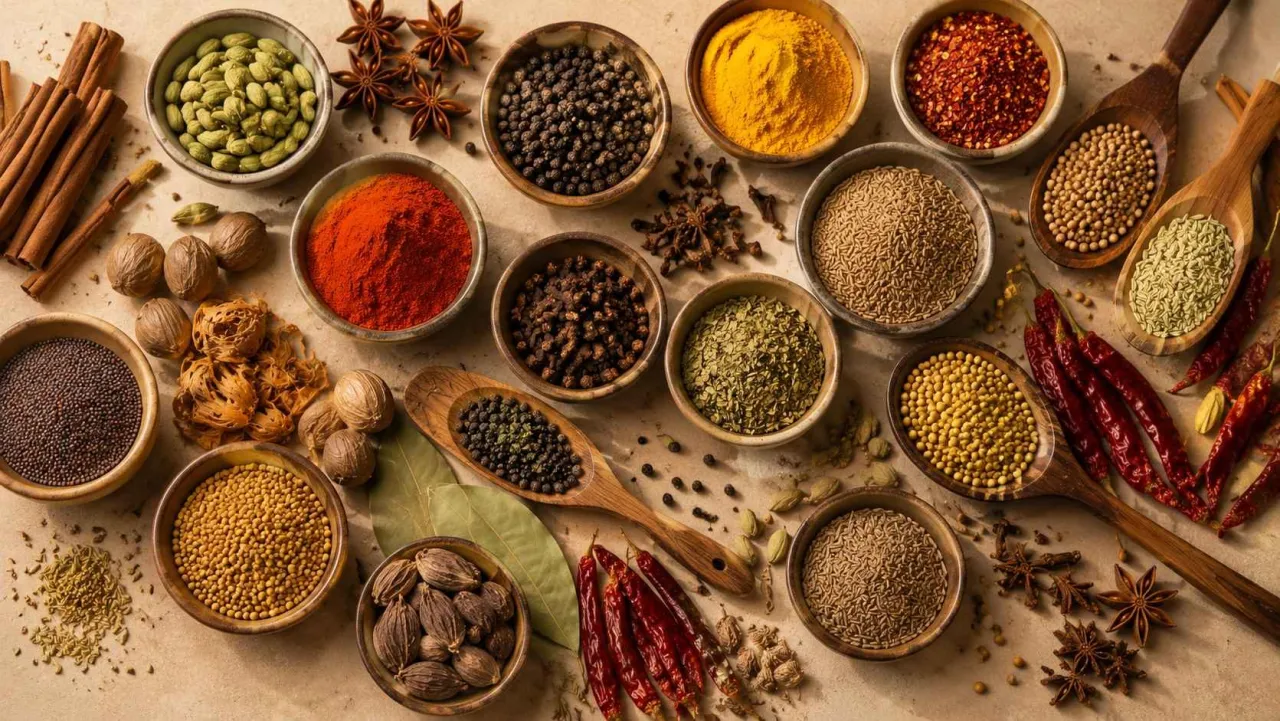
Beginner’s Guide To Common Kitchen Spices
Learn what spices are, why they matter in cooking, how different spices are used, and how to start building a simple spice collection for everyday meals.
Spices have been an essential part of cooking for thousands of years. Long before modern kitchens and recipe books, people discovered that a handful of aromatic seeds, bark, roots, or dried fruits could completely change the taste of a meal. Today, spices remain one of the simplest ways to add flavor, aroma, color, and character to everyday cooking, whether you are preparing a quick family dinner or exploring dishes from around the world.
If you have ever wondered why two recipes made with similar ingredients taste completely different, the answer often lies in the choice and balance of spices. A small amount of cumin can make a soup taste warm and earthy, while cinnamon adds sweetness and comfort to baked foods. Black pepper brings gentle heat, and cardamom introduces a fresh floral aroma. Understanding how each spice works allows you to cook with more confidence and creativity.
This guide explains spices in simple, beginner-friendly language. You will learn what spices are, the different types of spices, how they are commonly used, how spices transform food, and how to start using them in everyday cooking without feeling confused. For practical meal examples, you can also read our guide on how to use spices in everyday cooking.
What Are Spices?
Quick Answer: Spices are plant-based ingredients used to add aroma, flavor, color, and depth to food. They can come from seeds, bark, roots, fruits, flower buds, and other plant parts, and each spice brings its own unique taste and cooking character.
Unlike herbs, which usually come from fresh or dried leaves, spices are typically made from the stronger, more concentrated parts of plants. These parts contain natural oils and aromatic compounds, which is why even a small amount of spice can change the flavor of a dish.
They may be used whole, crushed, roasted, or ground into powder. Different preparation methods create different results. For example, whole cumin seeds offer a slightly different taste from ground cumin, while freshly crushed black pepper often has a brighter aroma than pre-ground pepper.
Spices are valued across cultures because they add depth to food without changing the main ingredients. The same vegetables, grains, or legumes can create completely different meals depending on the spice combinations used.
Why Spices Are Important in Cooking
Spices do much more than simply make food taste stronger. They influence almost every part of the eating experience, from the aroma you notice while food is cooking to the color and flavor that remain after every bite.
Good seasoning helps ingredients work together instead of competing with one another. Even simple recipes become more satisfying when spices are used thoughtfully.
- They enhance natural flavors.
- They create inviting aromas during cooking.
- They contribute vibrant natural colors.
- They balance sweetness, richness, bitterness, acidity, and heat.
- They help define regional and traditional cuisines.
- They allow creativity without changing the main ingredients.
Learning how spices interact with food is one of the easiest ways to become a more confident cook. Once you understand their basic flavor profiles, you can adjust recipes more naturally instead of depending only on fixed instructions.
Different Types of Spices
One of the easiest ways to understand spices is by grouping them according to the part of the plant they come from. This helps beginners understand their texture, strength, and cooking behavior.
| Plant Part | Common Spices | Typical Culinary Uses |
|---|---|---|
| Seeds | Cumin, Coriander, Mustard, Fennel | Curries, soups, breads, vegetables |
| Bark | Cinnamon | Baking, beverages, rice dishes |
| Roots and Rhizomes | Turmeric, Ginger | Sauces, soups, rice, marinades |
| Fruits | Black Pepper, Cardamom, Chili | Everyday seasoning, sauces, desserts |
| Flower Buds | Cloves | Rice dishes, desserts, beverages |
Understanding these categories makes it easier to choose spices for different recipes and cooking styles. Seed spices often release flavor when toasted, bark spices usually bring warmth, root spices add earthiness, fruit spices can be sharp or aromatic, and flower spices are often intense.
Popular Spices and Their Uses
Many beginner kitchens start with a few useful spices before expanding into larger collections. If you want a simple list of global favorites, see our guide to the top 10 most popular spices around the world.
Black Pepper
Black pepper is one of the most commonly used spices in the world. It adds mild heat with earthy and woody notes. It works well in soups, sauces, salads, roasted vegetables, pasta, eggs, and many savory dishes.
Cumin
Cumin has a warm, earthy flavor with a slightly nutty finish. Whole cumin seeds are commonly toasted before cooking to deepen their aroma, while ground cumin blends easily into soups, curries, lentils, roasted vegetables, and spice mixes.
Coriander
Coriander seeds provide a mild citrus-like freshness that complements many savory recipes. Ground coriander is frequently used in vegetable dishes, sauces, marinades, and soups because it enhances flavor without becoming overpowering.
Turmeric
Turmeric is recognized for its rich golden-yellow color and earthy taste. It is traditionally used in curries, rice dishes, vegetable preparations, soups, and spice blends, where it contributes both flavor and visual appeal.
Cinnamon
Cinnamon offers a naturally sweet and comforting aroma. Although many people associate it with desserts, it is also commonly included in savory rice dishes, stews, and slow-cooked meals across different cuisines.
Cardamom
Cardamom combines floral, citrus, and slightly sweet notes. It is popular in desserts, baked goods, beverages, festive recipes, and aromatic rice preparations.
Cloves
Cloves are highly aromatic with warm and slightly sweet flavors. Since they are quite powerful, only a small amount is usually needed. They are commonly included in rice dishes, spice blends, baked recipes, and warm beverages.
Mustard Seeds
Mustard seeds develop a rich, nutty aroma when heated in oil. They are widely used in tempering, vegetable dishes, sauces, and pickled recipes.
Fennel Seeds
Fennel seeds have a naturally sweet and refreshing taste. They appear in breads, spice blends, roasted vegetables, snacks, and traditional recipes from many regions.
Paprika
Paprika ranges from sweet and mild to smoky depending on how it is prepared. It adds attractive color along with gentle flavor to soups, roasted vegetables, rice dishes, sauces, and marinades.
Whole Spices vs. Ground Spices
Both whole spices and ground spices have advantages. Choosing between them depends on your cooking style, the recipe you are preparing, and the kind of flavor you want.
| Feature | Whole Spices | Ground Spices |
|---|---|---|
| Shelf Life | Usually lasts longer | Usually loses aroma faster |
| Aroma | Retains fragrance for longer | Releases fragrance quickly |
| Convenience | May require roasting or grinding | Ready to use |
| Best For | Slow cooking, tempering, broths, rice | Baking, sauces, marinades, quick recipes |
Many home cooks keep both forms available because each serves a different purpose. Whole spices are useful when you want slow, layered flavor. Ground spices are helpful when you need quick and even seasoning. For a deeper comparison, read whole spices vs ground spices.
How Spices Transform Food
One of the most interesting things about cooking with spices is how dramatically they can change a dish without changing its main ingredients. A bowl of plain rice, roasted vegetables, lentils, soup, or sauce can take on an entirely different character simply by adjusting the spice combination.
They Build Aroma Before the First Bite
Aroma is often the first thing people notice when food is cooking. As spices heat in oil, butter, or broth, they release natural aromatic compounds that fill the kitchen with inviting scents. This fragrance prepares the senses before the food is even served.
For example, toasted cumin creates a warm, earthy aroma, while cinnamon releases a comforting sweetness. Cardamom brings fresh floral notes, and cloves contribute a rich, deep fragrance. Together, these aromas make meals feel more appealing and enjoyable.
They Add Natural Color
Many spices contribute beautiful natural color that improves the visual appeal of food. Turmeric gives dishes a bright golden hue, paprika adds rich shades of red, and saffron is traditionally used for a golden-yellow appearance in selected recipes.
Color is an important part of the dining experience because people often notice how food looks before taking the first bite. Even simple recipes can look more vibrant and appetizing with carefully selected spices.
They Shape Flavor Profiles
Every spice has its own flavor profile. Some are earthy, some are smoky, while others are sweet, peppery, floral, citrusy, or mildly bitter. Combining different spices allows cooks to build layers of flavor rather than relying on a single dominant taste.
For instance, cumin provides warmth, coriander introduces freshness, black pepper adds gentle heat, and cinnamon softens a dish with natural sweetness. Together, these spices create balance instead of overwhelming the palate.
They Balance Other Ingredients
One of the most useful roles of spices is helping different flavors work together. Rich dishes often benefit from pepper or coriander to add brightness, while naturally sweet recipes may gain depth from cinnamon or cloves.
Rather than masking ingredients, well-balanced seasoning highlights their natural character. This is why experienced cooks often adjust spices gradually, tasting as they cook instead of adding large quantities all at once.
They Change During Different Cooking Stages
Spices behave differently depending on when they are added to a recipe. Whole spices are often introduced early in the cooking process so they can slowly release flavor into oil, broth, or sauce. Toasting them briefly before adding other ingredients can deepen their aroma and create a richer flavor base.
Ground spices usually blend into recipes more quickly. Adding them during the middle or later stages of cooking often helps preserve their fragrance, especially in recipes with shorter cooking times.
Understanding when to add spices is just as important as choosing which spices to use. Timing allows each ingredient to contribute its best qualities without becoming overpowering.
Practical Tips for Using Spices
Learning to cook with spices becomes much easier when you follow a few simple principles. You do not need a large spice collection to begin. A small group of fresh, useful spices can help you prepare many flavorful meals.
- Start with small amounts and adjust gradually.
- Taste your food throughout the cooking process.
- Toast whole spices gently to develop deeper aromas.
- Grind whole spices only when needed for fresher flavor.
- Combine warm, earthy, and bright spices for better balance.
- Store spices properly to maintain their natural flavor.
These habits help you build confidence while reducing the risk of over-seasoning a dish. For more step-by-step cooking tips, read how to use spices in everyday cooking.
Spice Pairing Ideas for Beginners
If you are new to cooking with spices, start with combinations that naturally complement one another instead of mixing many different spices together.
| Flavor Style | Recommended Spices | Suitable For |
|---|---|---|
| Warm and Comforting | Cinnamon, Cardamom, Cloves | Baking, beverages, rice |
| Earthy and Savory | Cumin, Coriander, Turmeric | Vegetables, lentils, soups |
| Fresh and Mild | Fennel, Coriander | Breads, salads, vegetables |
| Bold and Peppery | Black Pepper, Mustard, Paprika | Sauces, roasted foods |
These simple combinations provide a good starting point before experimenting with more complex spice blends.
Practical Tips for Buying Quality Spices
Choosing good-quality spices is the first step toward preparing flavorful meals. Fresh spices usually have a richer aroma, brighter color, and more noticeable taste than spices that have been stored for a long time. Even a well-written recipe can feel flat if the spices have lost their natural fragrance.
When buying spices, use your senses whenever possible. Whole spices should look clean, evenly colored, and free from excess dust or moisture. Ground spices should have a vibrant color and a clear aroma. If a spice has little or no smell, it may not deliver the flavor you expect.
- Purchase spices in quantities you can use within a reasonable period.
- Choose whole spices when you want longer-lasting freshness.
- Buy ground spices from places where stock moves regularly.
- Avoid spices that appear damp, faded, or heavily clumped together.
- Build your spice collection gradually instead of buying too many at once.
A small collection of fresh, useful spices is often better than a large collection that rarely gets used.
How to Store Spices Properly
Proper storage helps preserve the aroma and flavor of spices. Although spices do not usually spoil quickly when stored correctly, they gradually lose their natural oils, which means they become less flavorful over time.
Heat, moisture, air, and sunlight are the biggest reasons spices lose quality. Keeping spices near the stove may seem convenient, but steam and heat can weaken their aroma faster.
- Store spices in airtight glass or food-safe containers.
- Keep containers tightly closed after every use.
- Place them in a cool, dry cupboard away from direct sunlight.
- Avoid storing spices directly above the stove.
- Never use a wet spoon inside spice jars.
- Label containers if you purchase spices in bulk.
Ground spices generally lose their aroma faster than whole spices because more of their surface is exposed to air. If you cook frequently, keeping a few whole spices and grinding them when needed can provide fresher flavor. For full storage details, see our guide on how to store spices properly.
Using Spices at Different Cooking Stages
One of the biggest differences between basic seasoning and confident cooking is understanding when to add spices. Adding every spice at the same time does not always produce the best result. Some spices benefit from longer cooking, while others are better added closer to the end.
At the Beginning
Whole spices such as cumin seeds, mustard seeds, cloves, cinnamon sticks, and cardamom pods are often added at the start of cooking. Heating them gently in oil or butter helps release their natural aroma and creates a flavorful foundation for the dish.
During Cooking
Ground spices such as turmeric, coriander powder, cumin powder, and paprika are commonly added once vegetables, grains, or other ingredients begin cooking. This allows them to blend evenly while developing a fuller flavor.
Towards the End
Freshly ground black pepper and delicate spice blends are often added near the end of cooking to preserve their fragrance. This finishing touch can brighten the overall flavor without overpowering the dish.
Learning this simple sequence helps spices contribute their best qualities throughout the cooking process.
Creating Balanced Flavor with Spices
Using spices successfully is not about making food as strong or spicy as possible. It is about creating balance. A well-seasoned dish usually combines several flavor elements rather than relying on one dominant spice.
- Earthy spices such as cumin and turmeric create depth.
- Sweet spices such as cinnamon soften richer dishes.
- Peppery spices add gentle warmth.
- Floral spices such as cardamom bring freshness.
- Smoky spices contribute richness and complexity.
Rather than adding every spice you have, choose two to four complementary spices and allow each one to play a clear role. This approach creates cleaner, more enjoyable flavors and makes recipes easier to adjust in the future.
Common Mistakes When Cooking with Spices
Everyone makes mistakes while learning to cook. Fortunately, most spice-related mistakes are easy to avoid once you understand a few basic principles.
Using Too Many Spices
More spices do not always mean more flavor. Combining too many strong spices can make it difficult to appreciate the main ingredients. It can also make the final taste feel unclear.
Adding Spices Without Tasting
Taste your food during cooking whenever possible. This helps you adjust seasoning gradually instead of trying to correct everything at the end.
Cooking Spices Over Very High Heat
Many spices can become bitter if exposed to excessive heat for too long. Gentle heating is usually enough to release their aroma without damaging the flavor.
Ignoring Freshness
Even properly stored spices lose their strength over time. If a spice no longer has much aroma, it may not contribute much flavor either.
Storing Spices Incorrectly
Keeping spices near heat, steam, or sunlight speeds up the loss of their natural fragrance. Good storage habits help your spices stay useful for longer.
Things to Remember
Cooking with spices becomes easier through observation and practice rather than memorizing long lists of rules. The more you cook, the easier it becomes to understand which spices work well together.
- Fresh spices usually provide richer aroma and flavor.
- Whole spices generally stay fresh longer than ground spices.
- Toasting some whole spices can deepen their flavor.
- Add spices gradually instead of all at once.
- Taste food throughout cooking.
- Different cuisines use the same spices in unique ways.
- There is no single correct spice combination for every recipe.
- Small adjustments can make a noticeable difference.
As you become familiar with individual spices, you will naturally begin creating your own combinations based on personal preference and cooking style.
Building Your Everyday Spice Collection
You do not need dozens of spices to prepare flavorful meals. A small, carefully chosen collection can handle a wide variety of recipes. For beginners, it is better to start with versatile spices that can be used in both simple and detailed dishes.
- Black pepper
- Cumin
- Coriander
- Turmeric
- Cinnamon
- Paprika
- Mustard seeds
- Cardamom
- Cloves
- Fennel seeds
These spices provide a wide range of flavors and can be used across many cooking styles, from simple home meals to more elaborate recipes.
Conclusion
Spices are among the most valuable ingredients in any kitchen. They do much more than add heat or seasoning. They shape aroma, enhance color, build layers of flavor, and help create memorable meals. Learning how different spices work, when to add them, and how to balance them allows even simple ingredients to become more enjoyable.
You do not need years of experience or an extensive spice collection to cook confidently. Start with a few everyday spices, learn their individual characteristics, and experiment gradually. Over time, you will discover which combinations suit your personal taste and cooking style.
Whether you are preparing traditional family recipes or exploring cuisines from around the world, understanding spices opens the door to more flavorful, creative, and rewarding cooking. By choosing fresh spices, storing them correctly, and using them thoughtfully, you can make every meal richer in aroma, taste, and character.
For educational purposes, spices are also traditionally used in many cultural food practices and are often associated with regional culinary traditions. Their greatest value lies in the unique flavors and aromas they bring to food, helping transform everyday ingredients into satisfying dishes enjoyed across generations.
Frequently Asked Questions
What is the difference between herbs and spices?
Herbs usually come from the leafy parts of plants, while spices are obtained from seeds, bark, roots, fruits, flower buds, or other plant parts. Both add flavor, but they contribute different aromas and characteristics to recipes.
Is it better to use whole spices or ground spices?
Both have their advantages. Whole spices generally stay fresh longer and are ideal for slow cooking, while ground spices are convenient and blend quickly into recipes. Many home cooks keep both forms in their kitchen.
How can I tell if my spices are no longer fresh?
A simple smell test is often enough. If a spice has very little aroma or its color has become dull, it may have lost much of its original flavor. Fresh spices usually have a clear and noticeable fragrance.
Can the same spice be used in both sweet and savory dishes?
Yes. Several spices are versatile enough for different types of recipes. Cinnamon, cardamom, cloves, and nutmeg are commonly included in baked goods as well as certain savory dishes, while black pepper appears in many savory recipes and selected regional sweet preparations.
Why do recipes from different countries use different spice combinations?
Every region has developed its own cooking traditions based on local ingredients, climate, history, and cultural preferences. As a result, the same spice may be used differently around the world, creating unique flavor profiles that define regional cuisines.
Was this article helpful?
Share your feedback — select a reaction.
Are you satisfied with these answers?
If you'd like to ask something else, you can post your question here.
Comments (0)
Comments are reviewed before they appear.
Loading comments…
More Blogs
Explore Related Topics
Spices and delicious food go hand in hand; the right aromatic blend is what turns simple ingredients into mouthwatering meals. Since our spice guides and food recipes are deeply connected, you can explore our curated collection below to master both flavors and cooking.
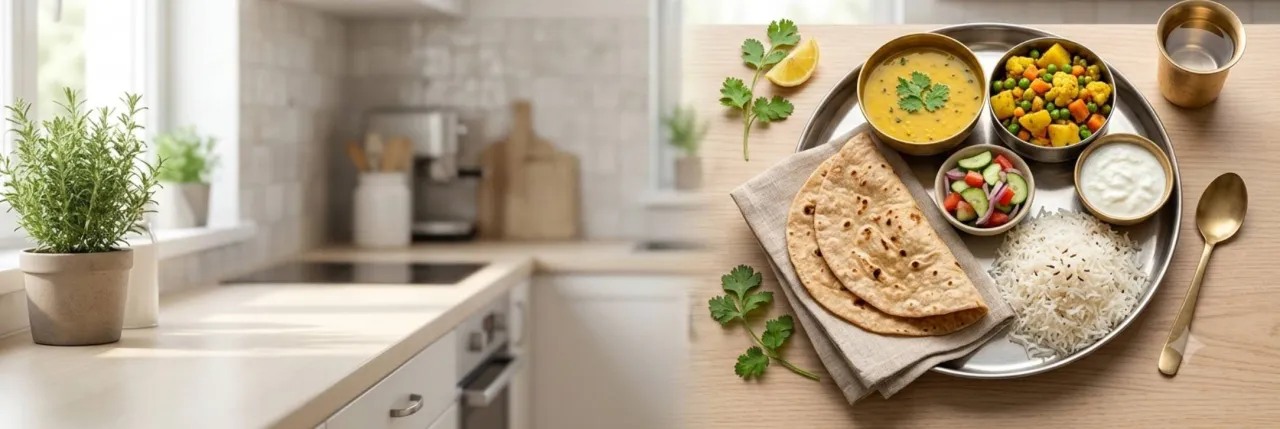
Balanced Indian Meal Ideas for Everyday Nutrition: Simple Meals for Every Day
Easy High-Protein Breakfast Recipes for Busy Mornings
Gut-Friendly Indian Recipes Using Everyday Ingredients
Healthy Evening Snack Ideas for Everyday Energy
Healthy Lunch Box Ideas for Easy Everyday Meals
High-Fiber Foods and Simple Recipes for Everyday Meals