Whole Spices vs Ground Spices: Which One Should You Choose?
Whole Spices vs Ground Spices For Everyday Cooking
Learn the simple difference between whole spices and ground spices, when to use each one, and how to choose the right option for better aroma, flavor, freshness, and easy everyday cooking.
Spices are small ingredients, but they can change the entire taste of a dish. A few cumin seeds can make warm oil smell rich and earthy. A spoon of ground coriander can soften a curry or soup. Crushed peppercorns can bring freshness to a simple salad. But when you are standing in the kitchen or shopping for spices, one question often appears: should you choose whole spices or ground spices?
For beginners, the choice can feel confusing. Whole spices look more traditional and may seem harder to use. Ground spices look simple and convenient, but they may lose aroma faster. The truth is that both have a place in a good kitchen. The better choice depends on how you cook, how often you use the spice, how much flavor control you want, and how much time you have.
This guide explains the difference in simple English. You will learn how whole and ground spices behave in cooking, where each one works best, common mistakes to avoid, and how to build a practical spice collection without wasting money or cabinet space. If you are also learning basic spice techniques, read our guide on how to use spices in everyday cooking for simple timing, pairing, and flavor tips.
Which Is Better: Whole Spices Or Ground Spices?
Answer: Whole spices are better when you want longer freshness, stronger aroma, and more control over flavor. Ground spices are better when you want convenience, quick mixing, and easy everyday cooking.
Whole spices work well for tempering, toasting, slow cooking, and grinding fresh. Ground spices work well in fast recipes, spice blends, marinades, sauces, baking, and dishes where you want smooth, even flavor. For most kitchens, the best choice is to keep both.
What Are Whole Spices?
Answer: Whole spices are spices kept in their natural or less-processed form instead of being powdered. They can be seeds, pods, bark, berries, flower buds, roots, or dried fruits.
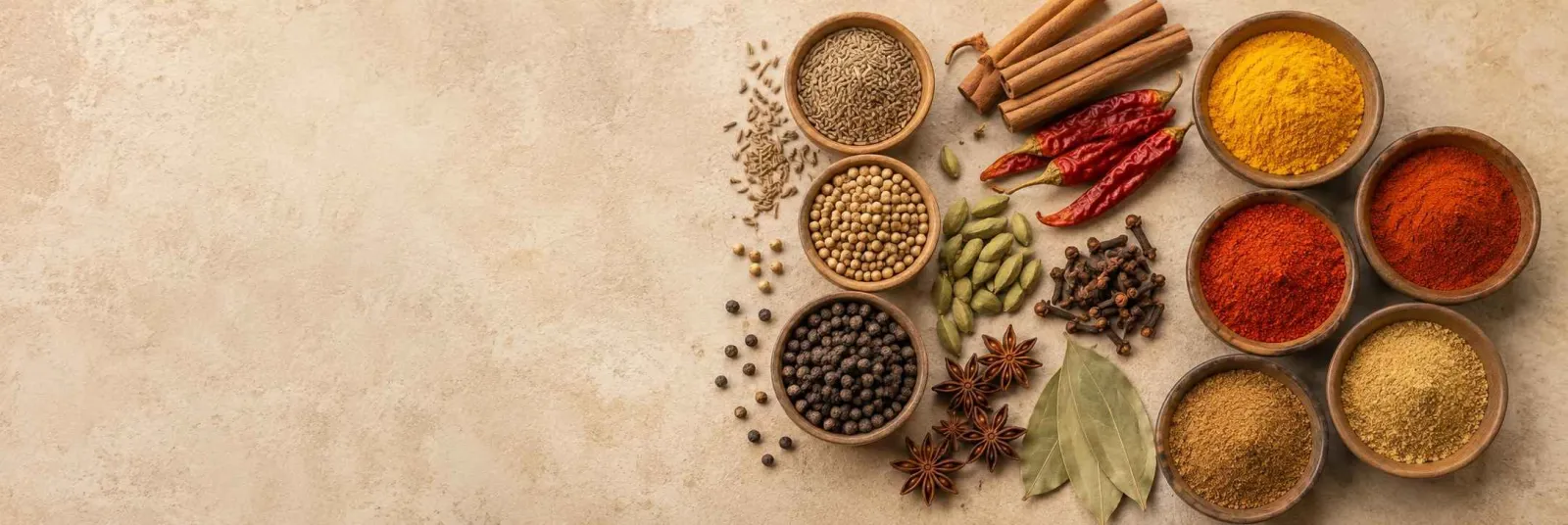
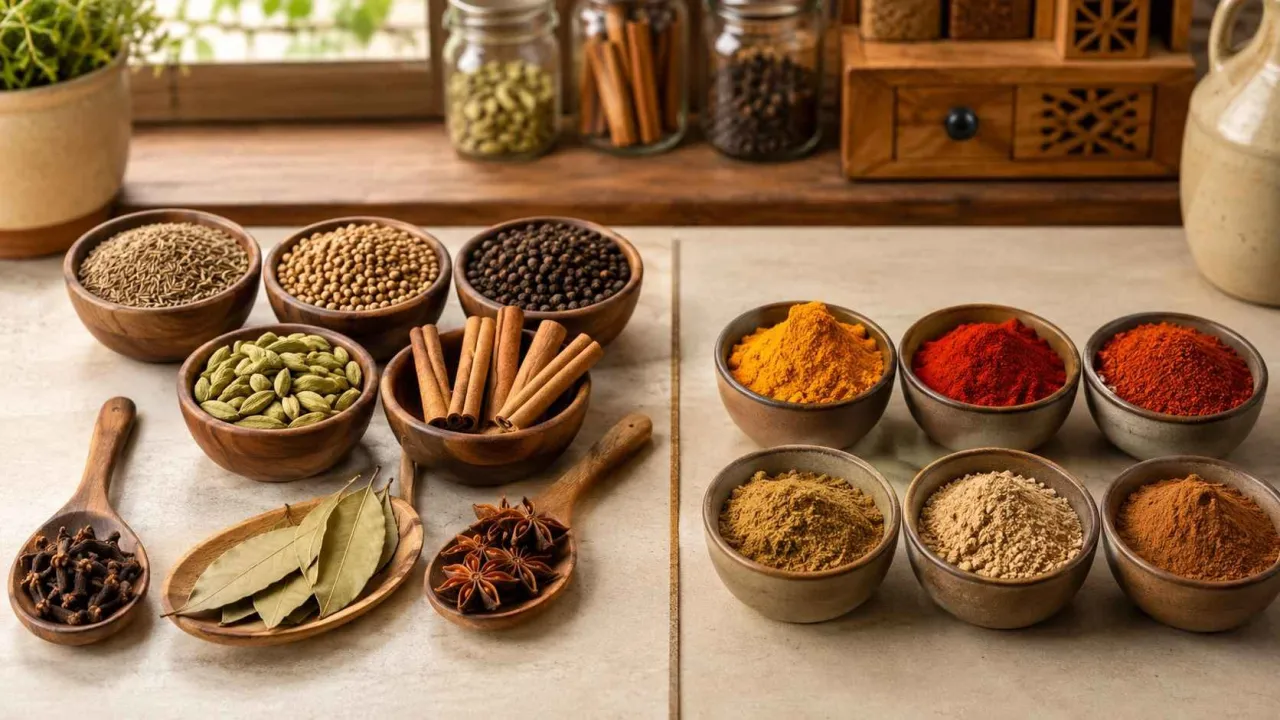
Common examples include cumin seeds, coriander seeds, cinnamon sticks, cardamom pods, cloves, black peppercorns, mustard seeds, fennel seeds, bay leaves, and star anise.
Whole spices often hold their aroma longer when stored properly because their flavorful oils are protected inside the spice. When you crush, grind, toast, or cook them in oil, they release aroma more slowly and often more deeply. This is why many traditional cooking styles include whole spices at the beginning of cooking.
Using whole spices does not mean the recipe is difficult. Sometimes it is as simple as adding a cinnamon stick to rice, dropping a bay leaf into soup, or heating cumin seeds in oil for a few seconds. The key is knowing when the whole form improves the dish and when ground spice would be easier.
What Are Ground Spices?
Answer: Ground spices are whole spices that have been dried and powdered. They are ready to use straight from the jar and are helpful when you want quick mixing and even flavor.
Common examples include ground cumin, ground coriander, turmeric powder, chili powder, cinnamon powder, ground black pepper, paprika, ginger powder, and garam masala.
Ground spices are popular because they are convenient. They mix quickly into sauces, batters, marinades, soups, curries, stews, and dry rubs. They are especially helpful when you want even flavor throughout a dish without biting into whole spice pieces.
The main trade-off is freshness. Once a spice is ground, more surface area is exposed to air, light, and moisture. That means the aroma can fade faster than the whole version. This does not make ground spices bad. It simply means they should be bought in practical amounts and stored carefully.
Whole Spices vs Ground Spices: Main Differences
The biggest difference is how the spice releases flavor. Whole spices release flavor slowly and often work well in hot oil, long cooking, or fresh grinding. Ground spices release flavor quickly and blend easily into food.
| Feature | Whole Spices | Ground Spices |
|---|---|---|
| Freshness | Usually stays aromatic longer when stored well. | Can lose aroma faster after opening. |
| Convenience | May need toasting, crushing, grinding, or removing. | Ready to use and easy to measure. |
| Flavor release | Slow, layered, and often deeper. | Fast, direct, and evenly distributed. |
| Best use | Tempering, slow cooking, rice dishes, broths, fresh grinding. | Quick cooking, sauces, baking, marinades, seasoning blends. |
| Texture | May remain visible or need removal before serving. | Blends smoothly into the dish. |
| Beginner-friendly | Easy once basic techniques are learned. | Very easy for everyday cooking. |
When Should You Choose Whole Spices?
Answer: Choose whole spices when you want fresh aroma, slow flavor release, and more control over the final taste of your dish.
Whole spices are especially useful in dishes where spices cook slowly or are added to hot oil at the start.
Choose Whole Spices For Tempering
Tempering means heating spices in oil or ghee so they release aroma before other ingredients are added. Mustard seeds, cumin seeds, dried chilies, cloves, cardamom, cinnamon, and bay leaves are often used this way. The oil carries the flavor through the dish.
This method is common in many home kitchens because it builds a strong flavor base quickly. However, whole spices can burn if the oil is too hot or if they are cooked too long. Beginners should use medium heat and keep ingredients ready before starting.
Choose Whole Spices For Slow-Cooked Dishes
Soups, stews, broths, rice dishes, braises, and curries often benefit from whole spices. A cinnamon stick, bay leaf, star anise, or cardamom pod can slowly release aroma as the dish cooks. The flavor becomes part of the background rather than sharp or powdery.
Some whole spices are not pleasant to bite into, so they may need to be removed before serving. You can count them as you add them, use a spice bag, or keep them large enough to find easily.
Choose Whole Spices For Grinding Fresh
If you enjoy stronger aroma, whole spices can be toasted lightly and ground just before use. Freshly ground cumin, coriander, black pepper, or cardamom can taste more lively than powder that has been sitting for a long time.
You do not need a large machine for this. A small spice grinder, mortar and pestle, or clean coffee grinder used only for spices can work. Grind only what you need, because freshly ground spices also begin to lose aroma after grinding.
When Should You Choose Ground Spices?
Answer: Choose ground spices when you want speed, smooth texture, easy measuring, and even mixing in everyday cooking.
Ground spices are practical for quick meals, beginner-friendly recipes, sauces, baking, marinades, spice blends, and dishes where you do not want whole spice pieces.
Choose Ground Spices For Quick Cooking
If you are making a fast vegetable dish, scrambled eggs, lentils, noodles, roasted potatoes, or a quick sauce, ground spices save time. They can be added directly and mixed through the food without extra grinding.
Ground spices work best when they are cooked briefly with some moisture or fat. Adding them to hot oil for too long can make them taste harsh or burnt. Many cooks add ground spices after onions, tomatoes, or other moist ingredients are already in the pan.
Choose Ground Spices For Baking
Baking usually needs even distribution. Ground cinnamon, ginger, nutmeg, cardamom, and clove are commonly included in cakes, cookies, breads, and desserts because they blend smoothly into flour, sugar, and batter.
Whole spices can still be used in baking when steeped into milk, syrup, or cream, but ground spices are easier for most beginner recipes.
Choose Ground Spices For Marinades And Blends
Ground spices are useful in marinades, rubs, dressings, dips, and seasoning mixes. They coat food evenly and combine well with salt, oil, yogurt, lemon juice, vinegar, or other ingredients.
Spice blends such as curry powder, taco seasoning, pumpkin spice, garam masala, and mixed herb blends are usually made with ground spices. They are convenient, but they should be stored carefully and used while their aroma is still clear.
Flavor: Which One Tastes Better?
Answer: There is no single winner. Whole spices and ground spices create different kinds of flavor, so the better choice depends on the recipe.
Whole spices often give a layered, rounded flavor. Ground spices give a more direct and even flavor. One is not automatically better than the other.
For example, cumin seeds cooked in oil taste different from ground cumin stirred into a sauce. Both are cumin, but they bring different effects. Cumin seeds may add little bursts of flavor and texture. Ground cumin spreads through the whole dish and gives a steady earthy taste.
Many experienced cooks use both forms in the same recipe. A dish may start with whole cumin seeds in oil and later include ground coriander or turmeric. This creates depth without making the cooking process complicated.
Freshness And Shelf Life: What Beginners Should Know
Whole spices usually stay fragrant longer than ground spices when both are stored properly. This is because whole spices have less exposed surface area. Ground spices are more exposed to air, so they may become dull sooner.
Instead of focusing only on dates, use your senses. Smell the spice. Look at the color. Check the texture. A fresh spice should have a clear aroma that reminds you of its normal character. If it smells flat, dusty, or almost like nothing, it may not add much to your food.
Store both whole and ground spices in airtight containers in a cool, dry, dark place. Keep them away from the stove, sink, direct sunlight, and steam. Do not shake jars directly over boiling pots, because steam can enter the container. For a full storage guide, read how to store spices properly so your spices stay dry, organized, and flavorful for longer.
Cost And Value: Which Is More Practical?
Answer: Whole spices can be better value when you use them often or grind them fresh, while ground spices are more practical when you need speed and convenience.
Whole spices can be good value if you use them often or grind them yourself. Since they often keep their aroma longer, you may waste less. However, they may require a grinder, a little time, and some basic technique.
Ground spices are practical because they are ready to use. They are useful for busy cooks, small kitchens, and simple recipes. The main value rule is to buy only what you can use while the spice still smells fresh.
A large jar is not always cheaper in real life if half of it becomes dull before you finish it. Smaller quantities can be smarter, especially for spices you use only occasionally.
Which Spices Are Better Whole?
Answer: Black peppercorns, cumin seeds, coriander seeds, cardamom pods, cinnamon sticks, and cloves are useful whole spices for many kitchens.
Some spices are especially useful in whole form because they keep aroma well and are easy to use in cooking. You do not need to buy every spice whole, but these are good options to consider.
| Whole Spice | Why It Is Useful | Common Use |
|---|---|---|
| Black peppercorns | Easy to grind fresh and widely used. | Soups, salads, eggs, sauces, roasted foods. |
| Cumin seeds | Releases strong aroma in hot oil or after toasting. | Curries, lentils, rice, vegetables. |
| Coriander seeds | Good for toasting and grinding in small amounts. | Spice blends, soups, curries, pickles. |
| Cardamom pods | Pods help protect the seeds inside. | Tea, desserts, rice dishes, slow-cooked foods. |
| Cinnamon sticks | Works well in slow cooking and warm drinks. | Rice, stews, tea, desserts. |
| Cloves | Strong aroma, so a small amount is enough. | Rice, broths, spice blends, warm drinks. |
Which Spices Are Better Ground?
Answer: Turmeric powder, paprika, chili powder, ground cinnamon, ground ginger, and ground coriander are useful ground spices for everyday cooking.
Some spices are easier to use in ground form because they need to spread evenly or are difficult to grind at home. Ground versions are also helpful when a recipe needs smooth texture.
| Ground Spice | Why It Is Useful | Common Use |
|---|---|---|
| Turmeric powder | Easy to mix evenly into food. | Curries, soups, rice, vegetables. |
| Paprika | Adds color and mild flavor smoothly. | Roasted foods, sauces, stews, seasoning mixes. |
| Chili powder | Blends quickly and is easy to measure. | Curries, marinades, sauces, snacks. |
| Ground cinnamon | Mixes well into batters and sweet dishes. | Baking, oatmeal, desserts, drinks. |
| Ground ginger | Convenient for dry mixes and baking. | Cookies, cakes, spice blends, warm drinks. |
| Ground coriander | Adds gentle flavor without texture. | Curries, soups, sauces, lentils. |
How To Use Whole Spices Correctly
Whole spices are easy once you understand the basic methods. The most common methods are tempering, toasting, simmering, crushing, and grinding.
- Tempering: Add whole spices to warm oil for a short time until fragrant, then continue the recipe.
- Toasting: Heat spices in a dry pan over low to medium heat, moving them often so they do not burn.
- Simmering: Add larger spices such as bay leaves, cinnamon sticks, or star anise to soups, rice, or stews.
- Crushing: Lightly crush seeds or pods to release aroma without making a fine powder.
- Grinding: Grind toasted or untoasted whole spices when you need powder for a recipe.
Do not walk away while toasting or tempering spices. They can change from fragrant to burnt quickly. If they smell sharp, smoky in an unpleasant way, or look too dark, it is better to start again.
How To Use Ground Spices Correctly
Ground spices are simple, but they still need care. Because they are fine powders, they can burn quickly in hot oil. They can also clump if added to a very dry pan without enough moisture or fat.
A safe beginner method is to add ground spices after onions, tomatoes, or other moist ingredients have started cooking. Stir them for a short time so the flavor opens up, then add liquid or the next ingredients. In marinades and dressings, mix ground spices well so they do not sit in dry pockets.
Measure ground spices with a dry spoon. Avoid using a wet spoon or shaking the jar over steam. These habits help prevent clumping and protect freshness.
For more practical meal examples, see our guide on how to use spices in everyday cooking, which explains timing, blooming, pairing, and simple spice combinations.
Common Mistakes To Avoid
One common mistake is thinking whole spices are always better. They are excellent in many dishes, but they are not ideal when you need a smooth texture or quick mixing. A whole clove in a soft dessert or a large cardamom pod in a bite of rice may not be pleasant unless the recipe is designed for it.
Another mistake is using old ground spices and expecting strong flavor. If the aroma has faded, adding more may not create the same balanced taste. It can make the dish taste dusty or uneven instead.
Beginners also sometimes burn spices at the start of cooking. Whole seeds and ground powders both need attention. Keep heat moderate, stir often, and prepare the next ingredient before heating the spices.
A final mistake is storing both types poorly. Whole spices last longer, but they still need protection from heat, light, air, and moisture. Ground spices are even more sensitive, so they should be kept tightly closed and used within a practical time.
Simple Buying Guide For Beginners
If you are building a spice collection, start with what you actually cook. Do not buy a large set only because it looks complete. A useful spice cabinet should match your meals, not someone else’s kitchen.
For many beginners, it makes sense to keep black peppercorns, cumin seeds, cinnamon sticks, and cardamom pods in whole form. These are easy to use and can add aroma to many dishes. For ground spices, cumin powder, coriander powder, turmeric, paprika, chili powder, cinnamon powder, and a few favorite blends are practical choices.
Buy small amounts first. Once you notice which spices you use every week, you can buy those in slightly larger quantities. For spices you use rarely, small packets or small jars are usually better. After buying them, follow simple spice storage tips to protect aroma and reduce waste.
Best Choice For Different Cooking Needs
| Cooking Need | Better Choice | Reason |
|---|---|---|
| Fast weeknight cooking | Ground spices | They are quick, easy to measure, and blend fast. |
| Freshly ground spice blends | Whole spices | They give more control over aroma and texture. |
| Rice, broth, or slow-cooked dishes | Whole spices | They release flavor slowly during cooking. |
| Baking | Ground spices | They mix evenly into dry and wet ingredients. |
| Marinades and rubs | Ground spices | They coat food evenly and combine easily. |
| Long-term storage | Whole spices | They usually keep aroma longer when stored well. |
Can You Substitute Whole Spices For Ground Spices?
Answer: Yes, but the result may change. Whole and ground spices do not behave the same way. Ground spices spread through a dish quickly, while whole spices release flavor slowly.
If a recipe asks for ground spice, adding the whole version may not give the same flavor unless you grind it first.
If you have whole cumin seeds and the recipe needs ground cumin, you can toast the seeds lightly and grind them. If a recipe asks for a cinnamon stick and you only have ground cinnamon, use a small amount and understand that the flavor will mix into the dish rather than stay in the background.
Substitution works best when you think about texture, cooking time, and how visible you want the spice to be. For smooth sauces, ground spices usually make more sense. For simmered dishes, whole spices may work well.
Storage Tips For Both Types
Good storage protects your spices and helps them stay useful longer. Keep both whole and ground spices in airtight containers. Store them in a cool, dry, dark cabinet or drawer. Avoid the cabinet above the stove, open shelves in direct sunlight, and areas near the sink.
Label each jar with the name and purchase or opening date. This is especially helpful when you transfer spices from packets into jars. Some spices look similar, and labels prevent confusion.
Use clean, dry spoons. Close the lid right after use. If you buy spices in large bags, keep a small amount in a daily-use jar and store the rest tightly sealed in a darker, cooler place.
Final Verdict: Which One Should You Choose?
Answer: The best choice is not whole spices or ground spices alone. The best choice is using each one where it works best.
Whole spices are ideal when you want longer freshness, slow flavor release, and the option to grind fresh. Ground spices are ideal when you want speed, smooth texture, and easy mixing.
For a practical beginner kitchen, keep a small mix of both. Use whole spices for peppercorns, cumin seeds, coriander seeds, cardamom pods, cinnamon sticks, cloves, and bay leaves. Use ground spices for turmeric, paprika, chili powder, ground coriander, ground cumin, cinnamon powder, and your favorite everyday blends.
Cooking becomes easier when you stop treating one form as better than the other. Whole spices and ground spices are tools. When you understand what each tool does, you can choose with confidence and make food that tastes more balanced, fresh, and enjoyable.
Frequently Asked Questions
Are whole spices better than ground spices?
Whole spices are not always better, but they often keep their aroma longer and give more control when toasting or grinding fresh. Ground spices are better for convenience, quick cooking, smooth sauces, baking, and even mixing. The right choice depends on the recipe and your cooking style.
Do whole spices last longer than ground spices?
Whole spices usually stay fragrant longer than ground spices when stored in airtight containers away from heat, light, and moisture. Ground spices have more exposed surface area, so their aroma may fade sooner. Smell and appearance are useful ways to judge quality.
Can I grind whole spices at home?
Yes, many whole spices can be ground at home using a spice grinder, mortar and pestle, or a clean grinder kept only for spices. Toasting some spices lightly before grinding can bring out more aroma, but they should be watched carefully to avoid burning.
When should I use ground spices instead of whole spices?
Use ground spices when you need fast cooking, smooth texture, even flavor, or easy mixing. They work well in sauces, marinades, soups, baking, spice blends, and dry rubs. They are also helpful for beginner recipes because they are simple to measure and add
Should I buy whole or ground spices as a beginner?
Beginners should keep both in small, useful amounts. Whole black peppercorns, cumin seeds, cinnamon sticks, and cardamom pods are good starting choices. Ground turmeric, coriander, cumin, paprika, chili powder, and cinnamon are practical for everyday cooking.
Was this article helpful?
Share your feedback — select a reaction.
Are you satisfied with these answers?
If you'd like to ask something else, you can post your question here.
Comments (0)
Comments are reviewed before they appear.
Loading comments…
More Blogs
Explore Related Topics
Spices and delicious food go hand in hand; the right aromatic blend is what turns simple ingredients into mouthwatering meals. Since our spice guides and food recipes are deeply connected, you can explore our curated collection below to master both flavors and cooking.
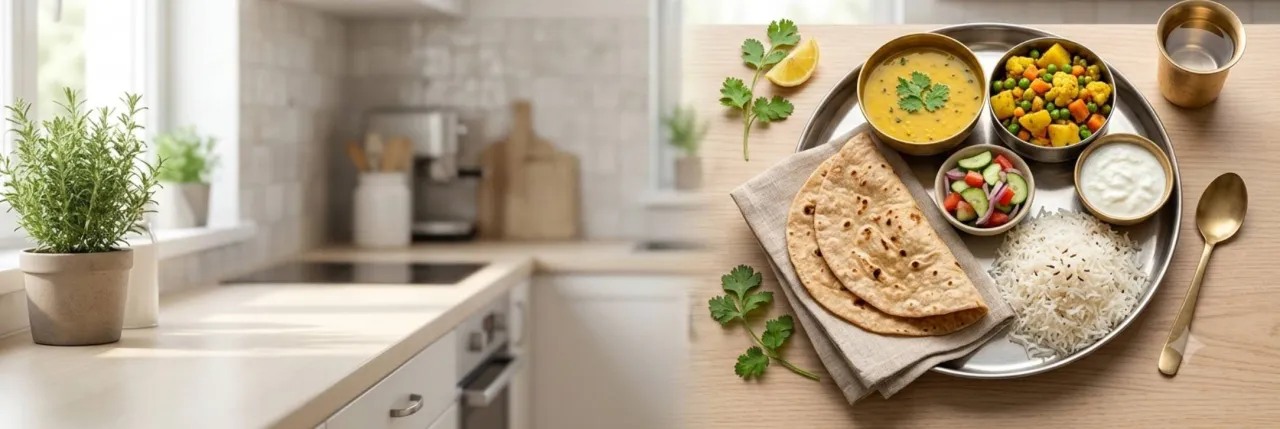
Balanced Indian Meal Ideas for Everyday Nutrition: Simple Meals for Every Day
Easy High-Protein Breakfast Recipes for Busy Mornings
Gut-Friendly Indian Recipes Using Everyday Ingredients
Healthy Dinner Ideas for Weight Loss
High-Fiber Foods and Simple Recipes for Everyday Meals