How to Store Spices Properly So They Stay Fresh and Flavorful Longer
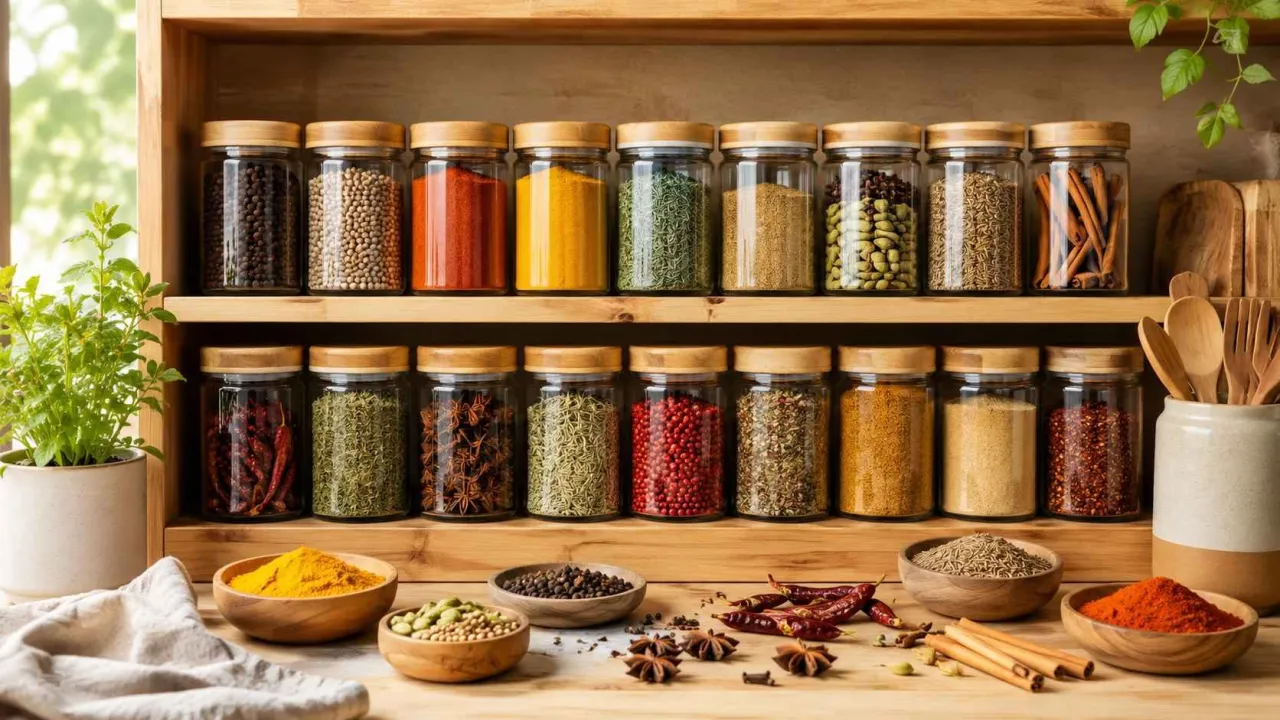
Simple Spice Storage Tips To Keep Spices Fresh
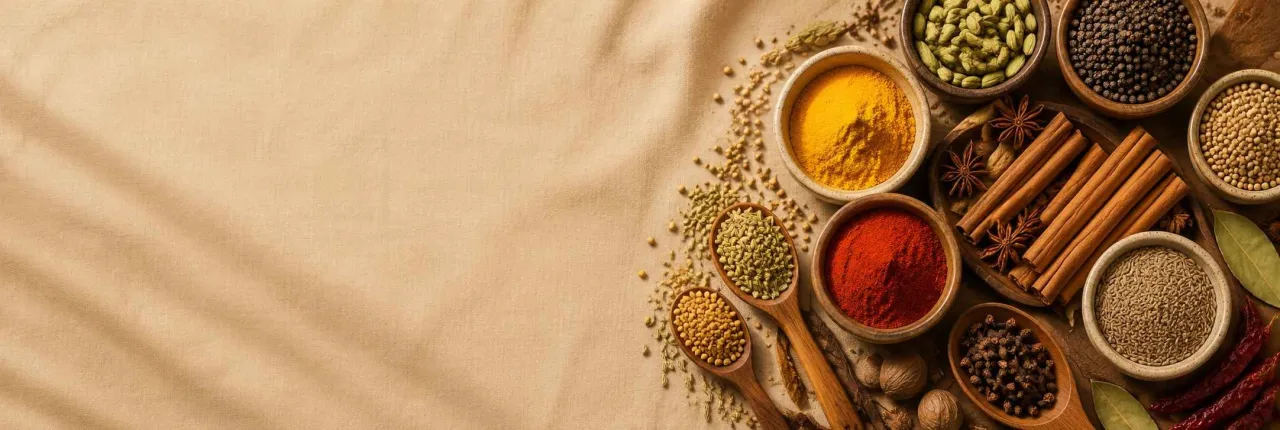
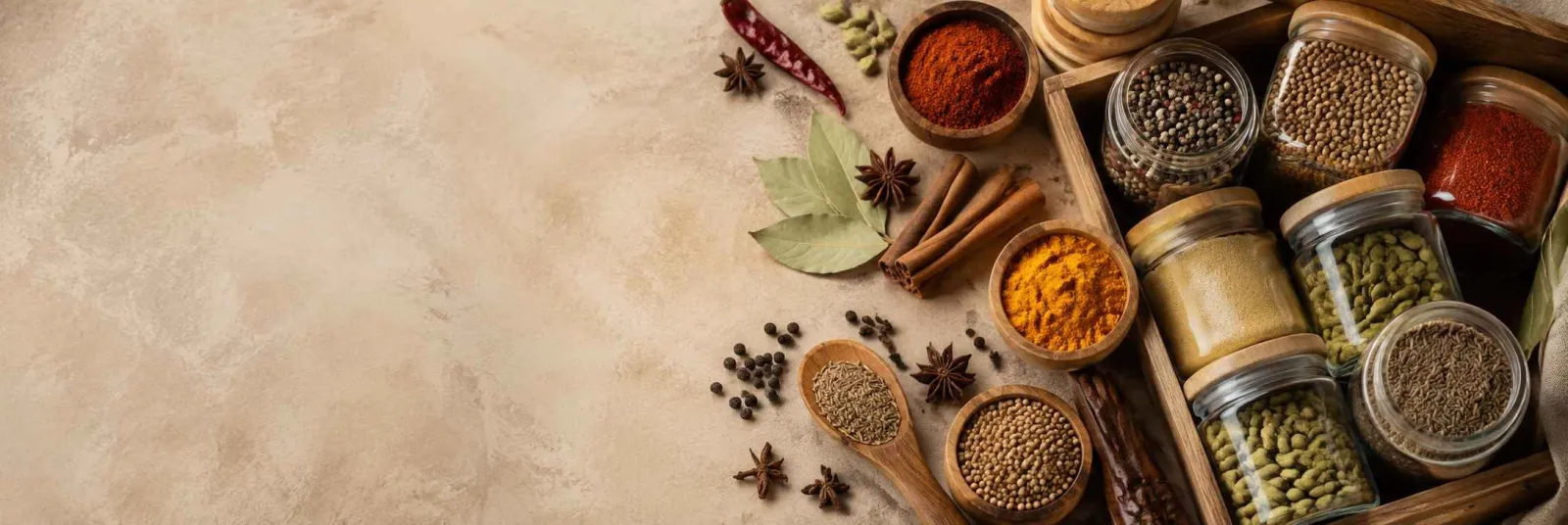
Spices can make simple food taste warm, bright, earthy, smoky, sweet, or bold. A pinch of cumin can change a lentil soup. A little cinnamon can make breakfast feel comforting. A few crushed peppercorns can wake up a sauce. But spices only do their best work when they are fresh, dry, fragrant, and stored correctly.
The good news is that storing spices properly is not complicated. You do not need expensive jars, a large pantry, or professional kitchen tools. You mainly need to protect spices from their biggest enemies: heat, light, air, moisture, and time. Once you understand these five factors, it becomes much easier to keep your spice collection organized and flavorful for longer.
If you are also learning how spices behave in recipes, you may find it helpful to read our guide on whole spices vs ground spices before organizing your spice cabinet.
How Should Spices Be Stored To Keep Them Fresh?
To store spices properly, keep them in airtight containers in a cool, dry, dark place away from the stove, sink, sunlight, steam, and moisture. Use clean dry spoons, close lids tightly after every use, label spice jars with purchase or opening dates, and keep whole spices whenever possible. Ground spices usually lose aroma and flavor faster than whole spices, so buy smaller quantities that you can use within a reasonable time.
Why Proper Spice Storage Matters
Proper spice storage helps protect aroma, color, and flavor. Spices usually do not spoil like fresh food when they are kept dry, but they slowly lose quality over time. Their natural oils and aromatic compounds fade, so a spice may still look fine but taste flat, weak, or dusty instead of fresh and fragrant.
Freshness affects the final dish. If your paprika has lost its sweetness or your coriander powder smells dull, you may add more and more without getting the flavor you expected. This can make cooking feel confusing, especially for beginners. Proper storage helps your spices stay useful, balanced, and pleasant for everyday cooking.
Good storage also reduces waste. Many people buy spices for one recipe and then forget them at the back of a cabinet. By storing, labeling, and checking them regularly, you can use what you already have before buying more.
The Five Main Enemies Of Spice Freshness
1. Heat
Heat speeds up flavor loss. This is why storing spices above the stove, beside the oven, or on a sunny kitchen counter is not ideal. Even if the jars look decorative, constant warmth can make the spices lose their aroma faster.
A cabinet away from cooking appliances is usually a better choice. If your kitchen is small, choose the coolest closed shelf available, even if it is not right next to your cooking area.
2. Light
Light can affect color and flavor, especially in delicate spices and bright powders such as turmeric, paprika, chili powder, and dried herbs. Clear glass jars are fine if they are kept inside a closed cabinet. If you want to display spices on an open shelf, darker containers are a better option.
3. Air
Air slowly weakens aroma. Every time a jar is opened, fresh air enters. This does not mean you should worry about opening your spices, but it does mean the container should close tightly afterward.
Airtight jars, tins, or well-sealed bags help protect spices better than loose packets folded over with a clip. If you keep spices in their original packaging, place the packet inside a sealed container for extra protection.
4. Moisture
Moisture is one of the biggest problems for spices. It can cause clumping, dullness, and in some cases visible spoilage. Steam from cooking is a common source of moisture. Shaking a spice jar directly over a boiling pot may seem convenient, but steam can enter the jar and affect the contents.
Instead, pour the spice into your palm, a small bowl, or a dry spoon away from the steam, then add it to the food. This small habit can help reduce moisture exposure.
5. Time
Even with perfect storage, spices gradually lose strength. Whole spices usually keep their flavor longer because their aromatic oils are protected inside the seed, bark, pod, or berry. Ground spices have more exposed surface area, so they fade faster.
This is why buying large containers of ground spices is not always a bargain. A smaller amount that you finish while it still smells fresh is often more useful than a large jar that sits for years.
Best Places To Store Spices At Home
The best storage spot is cool, dry, dark, and easy to access. If spices are too hard to reach, you may stop using them. If they are too close to heat and steam, they may lose quality quickly. A balanced location is the goal.
| Storage Place | Good Choice? | Why |
|---|---|---|
| Closed pantry shelf | Yes | Usually dark, dry, and away from heat. |
| Kitchen cabinet away from stove | Yes | Convenient and protected from light. |
| Drawer with spice inserts | Yes | Keeps jars dark, organized, and easy to see. |
| Open shelf near sunlight | No | Light and warmth can reduce quality faster. |
| Cabinet above stove | No | Heat and steam can affect freshness. |
| Near sink or dishwasher | No | Moisture and temperature changes are not ideal. |
Whole Spices Vs Ground Spices
Both whole and ground spices are useful. Ground spices are convenient and blend quickly into recipes. Whole spices often stay fragrant longer and can be toasted or ground when needed for a fresher taste.
Beginners do not need to replace every ground spice with whole spices. A practical approach is to keep frequently used spices in ground form and choose whole form for spices you use more slowly or want to keep longer, such as cloves, cardamom, cinnamon sticks, cumin seeds, coriander seeds, and peppercorns.
For a deeper comparison, read our guide on whole spices vs ground spices to understand when each form works best in everyday cooking.
| Type | Best For | Storage Tip |
|---|---|---|
| Whole spices | Longer storage, toasting, grinding fresh | Keep in airtight jars and grind small amounts as needed. |
| Ground spices | Quick cooking, spice blends, everyday recipes | Buy smaller amounts and close the container tightly after use. |
| Dried herbs | Soups, sauces, marinades, seasoning mixes | Protect from light and crush gently before using to release aroma. |
| Spice blends | Fast seasoning and consistent flavor | Store like ground spices and check the aroma before using. |
Choosing The Right Containers
The container matters because it controls how much air and moisture reach the spice. The best containers close tightly, are easy to clean, and are suitable for the amount of spice you store.
Glass jars with tight lids are popular because they are reusable and easy to label. Metal tins can also work well, especially because they block light. Food-safe plastic containers may be useful, but they can sometimes hold strong smells, so they are better for short-term storage or spices you use often.
Try not to store a small amount of spice in a very large jar for a long time. Extra empty space means more air inside the container. A smaller jar that fits the quantity better is usually a smarter choice.
Should You Refrigerate Or Freeze Spices?
For most everyday kitchens, the pantry or cabinet is better than the refrigerator. Refrigerators have moisture, changing temperatures, and strong food smells. Taking spices in and out of the fridge can also cause condensation inside the container, which is not ideal.
Freezing can be useful in limited situations, such as storing a large quantity of whole spices that you do not plan to use soon. If you freeze spices, keep them in a very well-sealed container and avoid opening that container repeatedly. Take out only what you need, then let it return to room temperature before opening if condensation is a concern.
In general, beginners should keep things simple: store spices in a cool, dry, dark cabinet and buy amounts that match their cooking habits.
How To Organize Spices So You Actually Use Them
A good spice system is not only about freshness. It is also about visibility. When you can see what you own, you cook with more confidence and avoid buying duplicates.
Start by grouping spices in a way that matches your cooking style. You might keep baking spices together, everyday savory spices together, whole spices together, and blends together. Another easy method is alphabetical order. The best system is the one you can maintain without thinking too much.
Labels are very helpful. Write the spice name and the date you bought it or opened it. You do not need fancy labels. A small sticker or piece of tape is enough. Dates help you decide when to check freshness, especially for ground spices and blends.
- Keep daily-use spices at the front.
- Place rarely used spices in a separate section.
- Use short jars in drawers so labels are easy to read.
- Avoid keeping duplicate jars unless you use that spice often.
- Review your spice collection every few months.
How To Tell If A Spice Is Still Fresh
The easiest test is smell. Open the jar and gently smell the spice. It should have a clear, recognizable aroma. If it smells weak, flat, dusty, or almost like nothing, it has likely lost much of its flavor.
You can also look at color and texture. Some spices naturally vary in color, but a spice that has become very dull may not give the same result in cooking. Clumping can mean moisture has entered the container. A few soft clumps may break apart, but hard clumps, unusual smell, or visible signs of spoilage are reasons to discard the spice.
For whole spices, crush a small piece between your fingers or with the back of a spoon. If the aroma becomes stronger after crushing, it may still be useful. If there is little to no smell, it is probably past its best quality.
Spice Storage Tips For Better Pantry Spice Storage
Small habits make a big difference. You do not have to redesign your entire kitchen. Begin with the habits that protect spices during normal use.
- Keep spices away from steam. Do not shake jars directly over hot pans or boiling pots.
- Use dry spoons. A wet spoon can introduce moisture into the jar.
- Close lids immediately. Leaving jars open while cooking exposes spices to air and kitchen humidity.
- Buy smaller amounts. This is especially helpful for spices you use only occasionally.
- Grind only what you need. Whole spices keep better, and freshly ground spices often taste more lively.
- Store blends carefully. Spice blends often contain several ground spices, so they can fade faster than whole spices.
- Check before adding more. If a spice smells weak, adding a larger amount may not create the same balanced flavor.
Good storage is only one part of better cooking. You can also learn how to use spices in everyday cooking so your stored spices are used at the right time and in the right combinations.
Common Mistakes To Avoid
One common mistake is keeping spices in a rack beside the stove. It looks convenient, but it exposes them to heat and steam every time you cook. Another mistake is buying large bulk bags without a plan. Bulk buying can be useful for spices you use often, but it is wasteful if the spice loses aroma before you finish it.
Many people also forget to label jars. Once a spice is moved from its original packet to a container, it can become difficult to identify later. Some spices look very similar, especially ground cumin and ground coriander, or chili powder and paprika. Clear labels prevent confusion.
Another issue is mixing old and new spice together. If you add fresh spice to an old jar without cleaning it, the older spice may affect the aroma of the new batch. Finish or discard the old spice first, then clean and dry the container before refilling.
Simple Spice Storage Plan For Beginners
If your spice cabinet feels messy, start with a simple reset. Take everything out and place it on a table. Check each jar or packet. Smell it, look at it, and decide whether it still deserves space in your kitchen.
Next, group the spices into three categories: keep, use soon, and replace when needed. The “use soon” group may include spices that are still usable but not very strong. Place those in front so you remember to use them in everyday meals.
Then clean your storage area. Wipe shelves or drawers and let them dry fully before putting spices back. Moisture left behind can affect packets and labels. Finally, arrange the jars so the names are visible. A tidy spice area encourages better cooking habits.
Best Storage Methods For Popular Spices
| Spice | Best Storage Method | Extra Tip |
|---|---|---|
| Black pepper | Store as whole peppercorns in an airtight jar. | Grind just before using for stronger aroma. |
| Cumin | Keep seeds or powder in a cool, dark cabinet. | Toast seeds lightly before grinding for deeper flavor. |
| Cinnamon | Store sticks or powder away from heat and light. | Use sticks for longer storage when practical. |
| Turmeric | Keep in a tightly closed container away from sunlight. | Use a dry spoon to avoid clumping. |
| Paprika | Store in a dark cabinet with a tight lid. | Protect from light to help maintain color and flavor. |
| Cardamom | Store whole pods in an airtight jar. | Crush pods when needed for fresher aroma. |
How Much Spice Should You Buy?
The right amount depends on how often you cook with that spice. For daily spices such as cumin, black pepper, turmeric, chili powder, or cinnamon, a medium jar may make sense. For occasional spices, smaller quantities are better.
Before buying a new spice, think about at least two or three dishes where you can use it. This prevents the common problem of buying a spice for one recipe and forgetting it. If you enjoy trying new cuisines, start with small packets until you know which flavors you use regularly.
Spice blends should also be bought thoughtfully. They are convenient, but they can become stale if used only once or twice a year. Choose blends that match your real cooking habits rather than collecting too many at once.
Cleaning And Reusing Spice Jars
Reusing jars is a good way to keep your spice area neat, but cleaning must be done carefully. Empty the old spice completely. Wash the jar and lid with warm soapy water, rinse well, and let everything dry fully before refilling. Even a small amount of moisture can affect the new spice.
Check the lid too. Some lids hold odors, especially if they have plastic liners. If the lid still smells strongly of the previous spice after washing and drying, use that jar for the same spice again or choose another container.
Conclusion
Storing spices properly is one of the simplest ways to improve everyday cooking. You do not need a perfect pantry or expensive containers. You only need to protect your spices from heat, light, air, moisture, and unnecessary time on the shelf.
Choose airtight containers, keep them in a cool and dark place, avoid steam, use dry spoons, label your jars, and buy realistic quantities. Whole spices can be a smart choice when you want longer-lasting aroma, while ground spices are helpful for quick meals. With a little attention, your spice collection will stay cleaner, fresher, and easier to use.
When your spices smell good, your cooking becomes more enjoyable. A well-stored spice cabinet saves money, reduces waste, and helps every dish taste closer to the way it should.
Frequently Asked Questions
What is the usual spice shelf life?
It depends on the spice, form, and storage conditions. Whole spices usually keep their aroma longer than ground spices. Ground spices, dried herbs, and blends tend to lose flavor sooner because more surface area is exposed to air. The best way to judge freshness is to smell the spice and check its color, texture, and overall quality.
Is it okay to store spices near the stove?
It is better not to store spices near the stove. Heat and steam can make spices lose flavor faster and may cause clumping. A closed cabinet or drawer away from cooking heat is a better place for everyday storage.
Should spices be kept in glass or plastic containers?
Both can work if the container is food-safe, clean, dry, and airtight. Glass jars are popular because they do not usually hold odors and are easy to reuse. Plastic containers can be convenient, but strong spices may leave a lasting smell in them.
What is the best way to store homemade spice blends?<Can I still use spices that have lost their smell?
A spice with very little aroma will not add much flavor to food. It may not be harmful simply because it is old, but it may make your dish taste dull. If the spice smells strange, shows signs of moisture damage, has visible spoilage, or you are unsure about its quality, it is better to discard it.
What is the best way to store homemade spice blends?
Store homemade spice blends in small airtight containers in a cool, dry, dark place. Label the jar with the blend name and date. Make smaller batches when possible, especially if the blend contains ground spices, so you can use it while the aroma is still fresh.
Was this article helpful?
Share your feedback — select a reaction.
Are you satisfied with these answers?
If you'd like to ask something else, you can post your question here.
Comments (0)
Comments are reviewed before they appear.
Loading comments…
More Blogs
Explore Related Topics
Spices and delicious food go hand in hand; the right aromatic blend is what turns simple ingredients into mouthwatering meals. Since our spice guides and food recipes are deeply connected, you can explore our curated collection below to master both flavors and cooking.
Balanced Indian Meal Ideas for Everyday Nutrition: Simple Meals for Every Day
Healthy Homemade Drinks for Everyday Hydration
Healthy Lunch Box Ideas for Easy Everyday Meals
High-Protein Vegetarian Indian Recipes for Weight-Conscious Eating
Meal Prep Ideas for a Healthy Week
Simple Millet Recipes for Weight-Conscious Eating