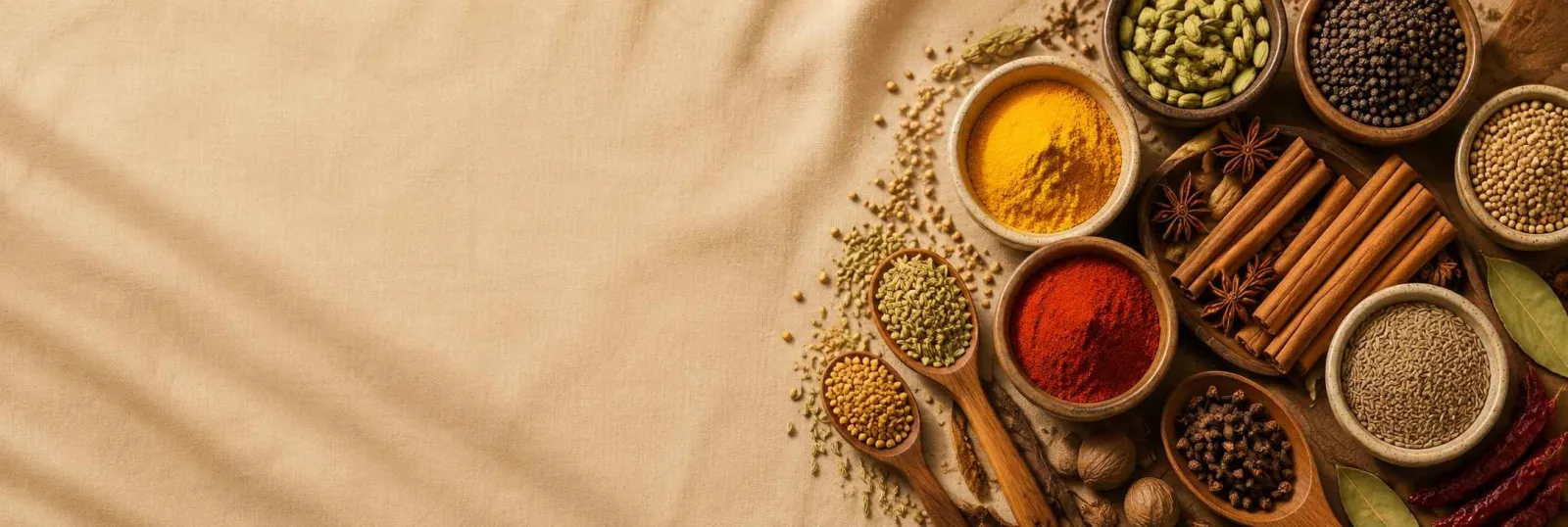
Top 10 Most Popular Spices Around the World and Their Uses
Top 10 Most Popular Spices Around The World
Explore the most popular spices used in everyday cooking, including their flavors, common uses, and simple tips for choosing, storing, and pairing them in daily meals.
Every memorable meal has one thing in common—flavor. While fresh ingredients form the foundation of a dish, spices are often the secret that gives it character. From the warm aroma of cinnamon to the earthy richness of cumin and the gentle heat of black pepper, spices have shaped culinary traditions across continents for centuries.
Today, spices are used in almost every kitchen, regardless of cuisine. They help transform simple ingredients into flavorful meals, add natural color, create inviting aromas, and allow cooks to experiment with different taste combinations. Whether you're preparing a comforting soup, a hearty rice dish, roasted vegetables, or homemade baked goods, understanding spices can make everyday cooking more enjoyable.
If you're new to cooking or simply want to build your spice knowledge, this guide introduces the ten most popular spices around the world, explains what makes each one unique, and shows how they are commonly used in everyday recipes. For more practical meal ideas, you can also read our guide on how to use spices in everyday cooking.
What Are the Most Popular Spices Around the World?
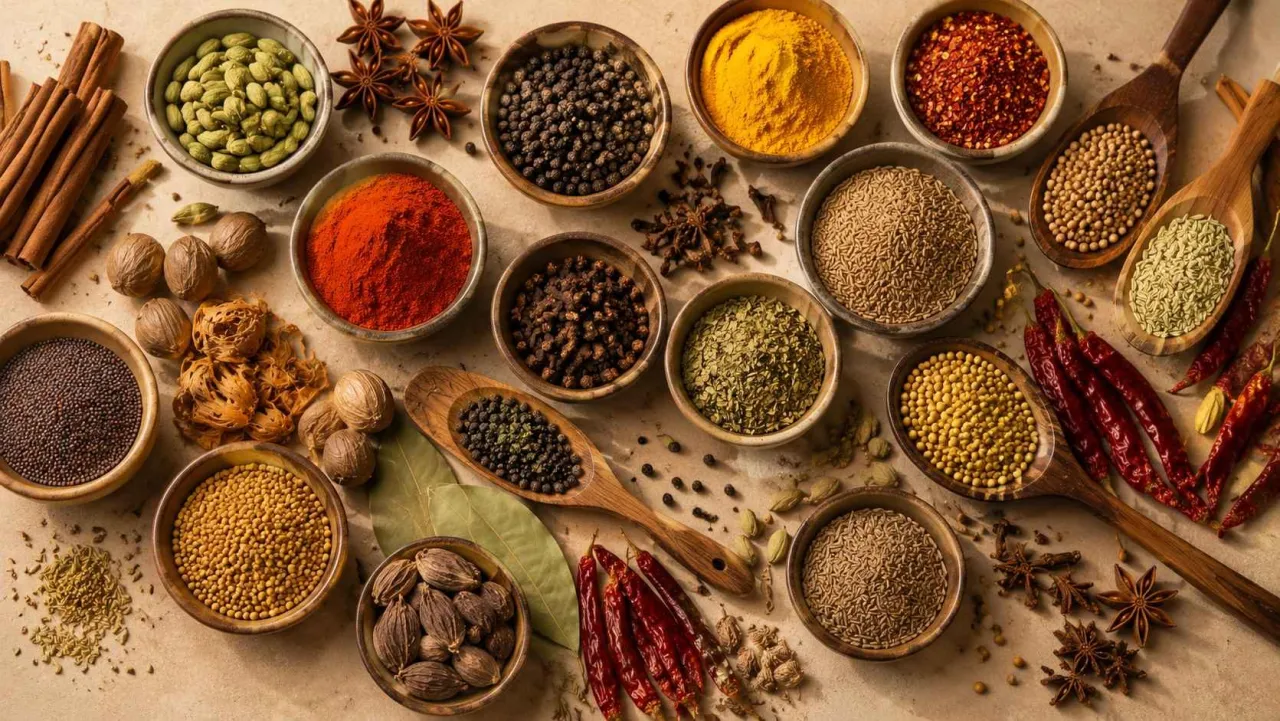
Quick Answer: The most popular spices around the world include black pepper, cumin, cinnamon, turmeric, cardamom, cloves, coriander, ginger, chili, and mustard seeds. These spices are widely used because they add aroma, flavor, color, warmth, or mild heat to many everyday dishes.
Each spice has its own cooking character. Black pepper adds gentle heat, cumin brings earthiness, cinnamon gives warmth, turmeric adds golden color, and cardamom offers a floral aroma. Learning how these spices work helps beginners season food more confidently and create balanced, flavorful meals.
For example, black pepper works well with vegetables, soups, eggs, and pasta, while cinnamon appears in desserts, beverages, and even savory recipes. Cumin and coriander are often combined to create balanced seasoning, while ginger and turmeric are commonly included in traditional cooking practices in many regions.
These spices have become everyday favorites because they are easy to pair with different ingredients without overwhelming the natural taste of food.
Quick Comparison of the Top 10 Spices
| Spice | Main Flavor | Common Uses |
|---|---|---|
| Black Pepper | Warm, peppery | Soups, salads, pasta, vegetables |
| Cumin | Earthy, nutty | Curries, rice, lentils, vegetables |
| Cinnamon | Sweet, woody | Desserts, drinks, rice, baking |
| Turmeric | Earthy | Curries, rice, soups |
| Cardamom | Sweet, floral | Desserts, beverages, rice |
| Cloves | Warm, aromatic | Rice, baking, spice blends |
| Coriander | Fresh, citrus-like | Vegetables, soups, marinades |
| Ginger | Warm, zesty | Soups, sauces, stir-fries |
| Chili | Hot, bold | Sauces, curries, seasonings |
| Mustard Seeds | Sharp, nutty | Tempering, vegetables, pickles |
1. Black Pepper
Black pepper is one of the world's most widely used spices. It adds gentle heat along with an earthy, woody flavor that enhances rather than dominates a dish. Because of its versatility, it is found in kitchens across nearly every continent.
Freshly ground black pepper usually has a brighter aroma than pre-ground pepper because its natural oils are released only when crushed. Many cooks add it at the end of cooking to preserve its fragrance.
Common Uses
- Soups and broths
- Pasta and noodles
- Roasted vegetables
- Egg dishes
- Salads and dressings
2. Cumin
Cumin is valued for its warm, earthy flavor with subtle nutty notes. Whole cumin seeds are often lightly toasted before cooking to deepen their aroma, while ground cumin blends smoothly into sauces and spice mixes.
For example, roasted potatoes seasoned with cumin develop a richer, earthier taste than potatoes prepared with only salt and pepper. This simple difference shows how one spice can completely change a recipe.
Common Uses
- Lentil dishes
- Vegetable curries
- Rice preparations
- Soups and stews
- Homemade spice blends
3. Cinnamon
Many people think of cinnamon only in desserts, but it is far more versatile. Its naturally warm and sweet aroma complements baked goods, beverages, rice dishes, and slow-cooked recipes.
Cinnamon sticks are commonly used in recipes that cook for a longer time because they slowly release their flavor. Ground cinnamon is convenient for baking and quick recipes.
Common Uses
- Cakes and cookies
- Warm beverages
- Rice dishes
- Breakfast recipes
- Slow-cooked meals
4. Turmeric
Turmeric is easily recognized by its bright golden-yellow color. Besides adding a mild earthy taste, it gives many recipes their vibrant appearance. It is traditionally used in numerous regional cuisines and is commonly included in curries, soups, and vegetable dishes.
Turmeric works particularly well alongside cumin, coriander, and ginger because these spices naturally complement one another.
Common Uses
- Rice dishes
- Curries
- Vegetable recipes
- Soups
- Traditional spice blends
5. Cardamom
Cardamom is known for its delicate floral fragrance combined with hints of citrus and sweetness. Although small in size, it has a powerful aroma, so only a little is usually needed.
It is equally comfortable in sweet desserts and savory rice dishes, making it one of the most versatile aromatic spices available.
Common Uses
- Rice recipes
- Traditional desserts
- Tea and warm beverages
- Baked goods
- Festive dishes
6. Cloves
Cloves are dried flower buds with an intense warm aroma. Because they are highly concentrated, they are generally used in small quantities. One or two cloves are often enough to add noticeable fragrance to an entire pot of food.
Cloves are frequently paired with cinnamon and cardamom to create warm, comforting flavor combinations.
Common Uses
- Rice dishes
- Warm beverages
- Slow-cooked recipes
- Baked foods
- Aromatic spice blends
7. Coriander
Coriander seeds provide a mild citrus-like freshness that balances richer spices such as cumin and chili. Ground coriander blends smoothly into soups, sauces, marinades, and vegetable dishes without becoming overpowering.
Because of its gentle flavor, coriander is often recommended for beginners who are learning to cook with spices.
Common Uses
- Soups
- Vegetables
- Marinades
- Sauces
- Seasoning blends
8. Ginger
Ginger offers a fresh, warm, and slightly peppery taste. It can be used fresh, dried, or powdered depending on the recipe. Fresh ginger usually provides a brighter flavor, while dried ginger is more concentrated.
Its versatility allows it to work equally well in savory dishes and baked recipes.
Common Uses
- Soups
- Stir-fries
- Marinades
- Beverages
- Baking
9. Chili
Chili is one of the most recognized spices because it adds heat, boldness, and color to food. It is available in many forms, including fresh chilies, dried whole chilies, crushed flakes, and chili powder. The level of heat varies depending on the variety, making it suitable for both mild and spicy recipes.
Besides adding spiciness, chili contributes depth to sauces, curries, soups, and roasted dishes. Beginners should start with small amounts and gradually increase the quantity according to their taste preferences.
Common Uses
- Curries and gravies
- Tomato-based sauces
- Roasted vegetables
- Seasoning blends
- Soups and stews
10. Mustard Seeds
Mustard seeds are tiny but full of flavor. When heated in oil, they release a pleasant nutty aroma and a mild sharpness that enhances many savory dishes. They are commonly included in tempering techniques, vegetable preparations, pickles, and homemade spice mixes.
Yellow, brown, and black mustard seeds each offer slightly different flavor intensities, but all are appreciated for adding texture and aroma during cooking.
Common Uses
- Tempering vegetables and lentils
- Pickles and preserves
- Sauces and dressings
- Rice dishes
- Traditional spice blends
How to Choose the Right Spice for Different Dishes
Selecting the right spice depends on the ingredients you're cooking and the flavor you want to achieve. Earthy spices work well with hearty meals, while lighter aromatic spices complement delicate dishes.
| Dish Type | Recommended Spices |
|---|---|
| Soups | Black Pepper, Ginger, Coriander |
| Rice Dishes | Cinnamon, Cardamom, Cloves, Turmeric |
| Vegetables | Cumin, Coriander, Mustard Seeds |
| Baked Foods | Cinnamon, Ginger, Cardamom |
| Marinades | Black Pepper, Chili, Coriander, Ginger |
Rather than using many spices together, begin with two or three complementary spices. As your confidence grows, you can experiment with different combinations to create unique flavor profiles. For beginner-friendly ideas, see our guide on using spices in everyday cooking.
Whole Spices vs. Ground Spices
Many of the world's most popular spices are available in both whole and ground forms. While they come from the same ingredient, they behave differently during cooking.
| Feature | Whole Spices | Ground Spices |
|---|---|---|
| Freshness | Retains aroma longer | Loses aroma more quickly |
| Preparation | May need crushing or grinding | Ready to use |
| Best For | Slow cooking and tempering | Quick recipes and baking |
| Flavor Release | Gradual | Immediate |
Keeping both whole and ground spices in your kitchen gives you greater flexibility while cooking. For a deeper comparison, read whole spices vs ground spices to understand when each form works best.
Simple Tips for Cooking with Spices
Cooking with spices becomes easier once you understand a few basic principles. These habits help preserve flavor and improve the overall balance of your meals.
- Start with small amounts and adjust gradually.
- Taste food while cooking whenever possible.
- Toast whole spices gently before use to deepen their aroma.
- Store spices away from heat, moisture, and direct sunlight.
- Use fresh spices for brighter flavor and aroma.
- Avoid combining too many strong spices in one recipe.
Good flavor also depends on storage. To keep your spice collection fresh and useful, follow these spice storage tips for airtight containers, dry cabinets, and better organization.
Common Mistakes to Avoid
Even experienced home cooks occasionally make mistakes when using spices. Fortunately, most of them are easy to avoid.
- Using too much at once: Excessive seasoning can overpower the main ingredients.
- Burning spices: High heat for too long may create a bitter taste.
- Ignoring freshness: Old spices gradually lose their natural aroma.
- Adding every spice together: Too many flavors can make a dish confusing instead of balanced.
- Storing spices near the stove: Heat and steam reduce their quality over time.
Things to Remember
- Each spice contributes a different aroma, flavor, and color.
- Whole spices generally stay fresh longer than ground spices.
- Freshly ground spices often provide stronger fragrance.
- Simple spice combinations usually produce the best-balanced meals.
- Learning one spice at a time makes cooking much easier.
- Experiment gradually to discover your favorite flavor combinations.
Conclusion
The world's most popular spices have earned their place in kitchens because they make cooking more enjoyable and meals more flavorful. Each spice has its own personality, from the earthy warmth of cumin to the sweet fragrance of cinnamon and the bold kick of chili.
You don't need an extensive collection to begin exploring spices. Starting with a handful of versatile favorites allows you to understand how different flavors work together while building confidence in the kitchen.
Whether you're preparing a simple weekday meal or experimenting with recipes from different cultures, learning how to use spices thoughtfully can transform everyday cooking into a more creative and rewarding experience. By choosing fresh spices, storing them properly, and using them in balanced combinations, you'll discover countless ways to add aroma, color, and flavor to your favorite dishes.
Frequently Asked Questions
What are the most commonly used spices around the world?
Black pepper, cumin, cinnamon, turmeric, coriander, ginger, chili, cardamom, cloves, and mustard seeds are among the most widely used spices because they suit many cuisines and everyday recipes.
Which spice is best for beginners to start with?
Black pepper, cumin, coriander, cinnamon, and turmeric are excellent choices for beginners because they are versatile, easy to combine with other ingredients, and commonly used in home cooking.
Should I buy whole spices or ground spices?
Both have their advantages. Whole spices generally retain their aroma for longer, while ground spices offer convenience and blend quickly into recipes. Many kitchens keep both forms available.
How can I keep spices fresh for longer?
Store spices in airtight containers in a cool, dry place away from heat, moisture, and direct sunlight. Proper storage helps preserve their aroma and flavor.
Can the same spice be used in sweet and savory recipes?
Yes. Spices such as cinnamon, cardamom, cloves, and ginger are commonly included in both sweet and savory dishes, depending on regional cooking traditions and recipe styles.
Was this article helpful?
Share your feedback — select a reaction.
Are you satisfied with these answers?
If you'd like to ask something else, you can post your question here.
Comments (0)
Comments are reviewed before they appear.
Loading comments…
More Blogs
Explore Related Topics
Spices and delicious food go hand in hand; the right aromatic blend is what turns simple ingredients into mouthwatering meals. Since our spice guides and food recipes are deeply connected, you can explore our curated collection below to master both flavors and cooking.
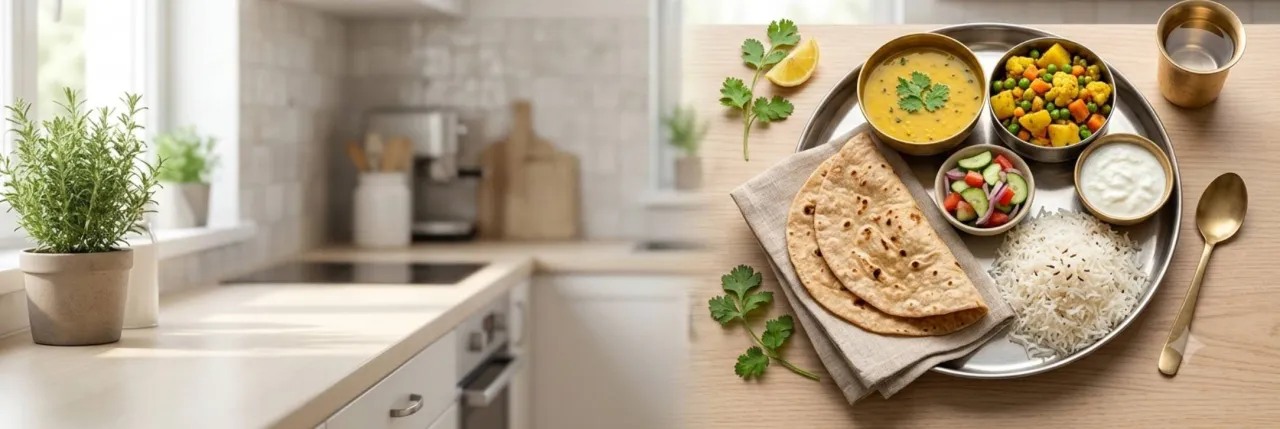
Balanced Indian Meal Ideas for Everyday Nutrition: Simple Meals for Every Day
Gut-Friendly Indian Recipes Using Everyday Ingredients
Healthy Evening Snack Ideas for Everyday Energy
Healthy Lunch Box Ideas for Easy Everyday Meals

High-Protein Vegetarian Indian Recipes for Weight-Conscious Eating