
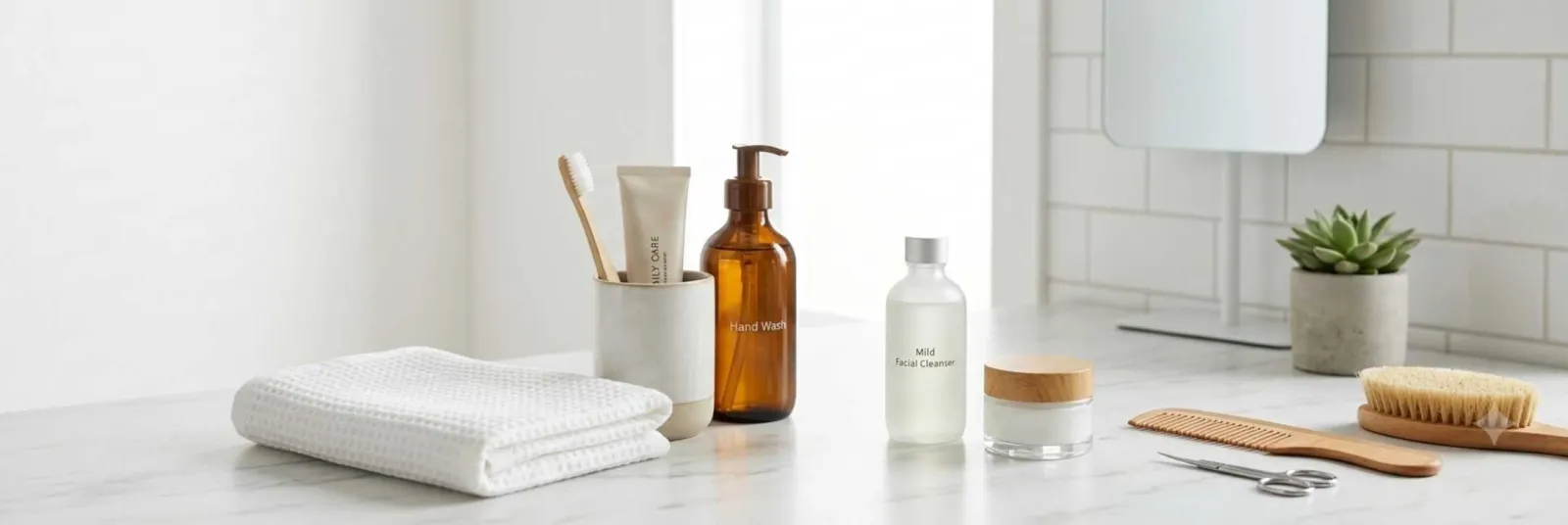
Daily Personal Hygiene Tips for Clean, Comfortable, and Confident Living
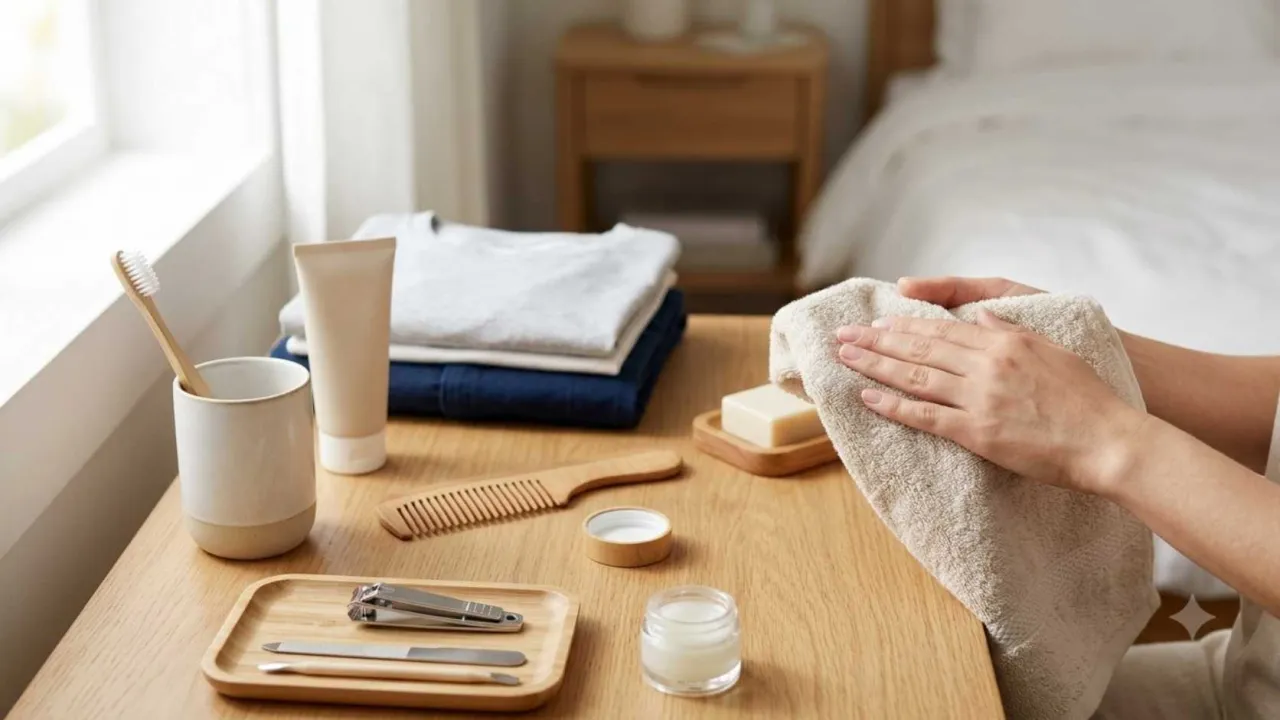
What Are the Most Important Daily Personal Hygiene Tips?
The most important daily personal hygiene habits include washing your hands properly, bathing according to your needs, cleaning your teeth regularly, wearing fresh clothes, caring for intimate areas gently, and keeping nails, hair, and feet clean. Use mild products, dry the skin thoroughly, and change towels, undergarments, and socks regularly. Avoid sharing personal items such as razors, toothbrushes, and nail tools. A good routine should feel manageable rather than excessive. Consistent hygiene can support cleanliness, comfort, freshness, and confidence in everyday life.
Why Daily Personal Hygiene Matters
Personal hygiene refers to regular habits that help keep the body, clothing, and personal belongings clean. These habits include handwashing, bathing, oral care, hair care, nail care, intimate hygiene, and wearing clean clothes.
A practical routine can help manage sweat, oil, food particles, dirt, and unwanted odor from daily activities. It also supports a cleaner and more comfortable feeling during everyday tasks.
Hygiene can influence personal comfort and confidence. Feeling clean may make daily activities, social interactions, and work or study routines feel easier.
However, more cleaning is not always better. Excessive washing, strong fragrances, harsh scrubbing, and frequent use of unsuitable products may leave the skin feeling dry or uncomfortable. The goal is balanced and consistent care.
How to Build a Simple Daily Hygiene Routine
Morning Hygiene Routine
Start the day by washing your face gently, brushing your teeth, using the toilet hygienically, applying deodorant if needed, and wearing clean clothing. Comb or arrange your hair and check that your hands and nails are clean.
If your lips feel dry, include a simple lip care routine instead of repeatedly licking or scrubbing them.
A full shower may be part of your morning routine, but the timing can vary from person to person. Some people prefer bathing in the evening, after exercise, or after work. Choose a schedule that matches your climate, activity level, skin needs, and personal preference.
Hygiene During the Day
Wash your hands at important times, especially after using the toilet, before handling food, after coughing or sneezing into your hands, and after touching visibly dirty surfaces.
Change sweaty clothing when practical and keep clean tissues or a handkerchief available when needed.
During menstruation, use hygiene products according to their instructions and your personal needs. Change disposable products regularly, dispose of them properly, and clean reusable products as directed.
Evening Hygiene Routine
Before bed, brush your teeth, remove makeup, wash away visible dirt or sweat, and change into clean sleepwear. If you bathe at night, dry the body carefully, especially between the toes and within skin folds.
Place worn clothes in a laundry basket instead of returning them to the cupboard. Allow damp towels to dry fully in a well-ventilated place between uses.
How Often Should You Bathe or Shower?
Bathing frequency is different for everyone. Weather, exercise, occupation, sweating, skin type, lifestyle, and personal preference all influence how often a person may choose to shower.
Someone who exercises regularly, works outdoors, lives in a hot climate, or sweats more may prefer frequent bathing. A person with dry or sensitive skin may prefer shorter showers and gentler cleansing.
Use lukewarm water instead of very hot water. Clean areas where sweat and odor commonly collect, such as the underarms, feet, groin area, buttocks, and skin folds.
Avoid aggressive scrubbing because too much friction may make the skin feel irritated. Rinse cleansers properly and dry the body with a clean towel.
If your skin feels tight or dry after bathing, a suitable moisturizer may help improve comfort. People who are sensitive to fragrances may prefer simpler formulas.
Daily Hand Hygiene and Clean Habits
Hands frequently touch phones, handles, keyboards, food, faces, and shared surfaces. Proper handwashing is an important everyday habit for removing dirt and maintaining cleanliness.
- Wet your hands with clean running water.
- Apply soap and rub your palms together.
- Clean the backs of the hands, between fingers, around thumbs, and under nails.
- Continue washing all areas properly.
- Rinse thoroughly with clean water.
- Dry your hands with a clean towel or allow them to air dry.
Hand sanitizer can be useful when soap and water are not available. Follow the product instructions and apply it over all hand surfaces until dry.
Frequent washing may leave hands feeling dry. Applying a suitable moisturizer after washing can support comfort. These hand and nail care tips explain simple ways to manage dryness while maintaining clean hands.
Oral Hygiene for Fresh Breath and a Clean Mouth
A consistent oral care routine begins with brushing your teeth regularly using a suitable toothbrush and toothpaste. Clean all surfaces of the teeth gently, including the front, back, and chewing areas.
Cleaning between the teeth with floss or another suitable interdental tool can help remove residue from areas that a toothbrush may not reach easily. Replace toothbrushes or brush heads when the bristles become worn or damaged.
Cleaning the tongue gently may help remove surface buildup and food residue. Avoid applying too much pressure because it may make the tongue uncomfortable.
Drink water regularly and avoid depending only on strongly flavored mouth products to cover ongoing odor. Persistent mouth discomfort, gum problems, tooth sensitivity, or unusual changes may need advice from a dental professional.
Hair and Scalp Hygiene for Different Needs
Hair washing frequency can vary from person to person. Factors such as hair texture, scalp condition, lifestyle, weather, sweating, and product use can influence how often cleansing feels necessary.
Apply shampoo mainly to the scalp area where oil and sweat commonly collect. Massage gently with fingertips instead of scratching with nails. Rinse thoroughly to remove remaining product.
Conditioner is usually applied mainly to hair lengths and ends when needed. Dry hair gently with a towel instead of rubbing aggressively. Keep combs, brushes, scarves, hats, and pillow covers reasonably clean.
If you use optional oils or homemade mixtures, follow DIY beauty guidance and introduce one new product or method at a time.
Avoid sharing combs, brushes, hair accessories, or towels. If the scalp remains uncomfortable, unusually irritated, or shows ongoing changes despite gentle care, professional guidance may be useful.
Comparing Common Personal Hygiene Habits
| Hygiene Area | Basic Routine | When Extra Care May Be Needed | Common Mistake |
|---|---|---|---|
| Hands | Wash at important times and dry properly | After dirty work, food handling, or outdoor activities | Missing areas like thumbs, fingertips, and between fingers |
| Body | Bathe according to activity and personal needs | After exercise, sweating, or dusty work | Using very hot water or rubbing too strongly |
| Mouth | Brush regularly and clean between teeth | When advised by a dental professional | Brushing too aggressively or skipping areas |
| Hair | Clean according to scalp and hair needs | After heavy sweating or product buildup | Assuming every hair type needs the same routine |
| Feet | Wash, dry, and change socks regularly | After sports, long work periods, or closed footwear use | Leaving moisture between toes |
| Clothing | Wear clean clothes and change damp items | During hot weather, exercise, or physical work | Wearing sweaty clothes for too long |
Intimate Hygiene Without Over-Cleaning
Intimate areas should be cleaned gently using water and, when needed, a mild cleanser suitable for external skin. Strong fragrances, harsh deodorizing products, and aggressive scrubbing are generally unnecessary and may cause discomfort.
Clean from front to back after using the toilet. Wear comfortable underwear and change it regularly or whenever it becomes damp. After exercise or swimming, change wet clothing rather than remaining in it for long periods.
Menstrual hygiene products should be used, changed, cleaned, and stored according to their instructions and personal needs. Wash your hands before and after handling them.
Ongoing itching, unusual discharge, unfamiliar odor, pain, sores, or irritation should not be managed only by adding scented products. These concerns may need guidance from a qualified healthcare professional.
Foot, Nail, and Clothing Hygiene
Keeping Feet Clean and Comfortable
Wash your feet regularly and dry carefully between the toes. Change socks daily and after heavy sweating. Allow shoes time to air out when possible.
Choose footwear that feels comfortable and avoid repeated rubbing. Do not share shoes, socks, or personal foot-care tools.
Caring for Fingernails and Toenails
Keep nails clean and trim them with personal, clean tools. Smooth rough edges with a file instead of biting or tearing them.
Avoid cutting too deeply into the corners of toenails. Clean reusable grooming tools after use and store them in a dry place.
Managing Clothes and Towels
Wear fresh underwear and socks regularly. Change other clothing according to sweat, visible dirt, odor, weather, and daily activity.
Wash towels regularly and allow them to dry completely after use. Avoid sharing face towels, bath towels, or razors because they are personal-use items.
Managing Body Odor in a Practical Way
Body odor can develop when sweat, skin moisture, and natural skin processes interact. Washing sweat-prone areas, drying properly, changing damp clothing, and using suitable deodorant products may help maintain freshness.
Deodorants mainly focus on odor, while antiperspirants are designed to reduce sweating. Choose products according to your comfort and stop using any product that causes repeated burning, itching, or redness.
Fragrance should not replace basic hygiene habits. Applying perfume over sweat may not create the fresh feeling you are looking for.
Sudden or unusual changes in sweating or body odor may have different causes. Professional guidance can be useful when changes continue or occur with other concerns.
Common Personal Hygiene Mistakes to Avoid
- Washing too aggressively: Hard scrubbing and very hot water may leave the skin feeling dry or uncomfortable.
- Using fragrance to hide odor: Perfume does not replace washing, drying, or changing clothes.
- Sharing personal items: Toothbrushes, razors, towels, combs, and nail tools should remain personal.
- Ignoring damp areas: Dry areas such as between toes and skin folds properly after washing or sweating.
- Over-cleaning intimate areas: Strong products and unnecessary cleaning methods may cause irritation.
- Wearing sweaty clothes for too long: Damp clothing may feel uncomfortable and increase odor.
- Skipping oral care before bed: Nighttime brushing is an important part of maintaining a regular routine.
- Using dirty grooming tools: Brushes, clippers, razors, and personal-care items should be cleaned and maintained properly.
- Following someone else’s exact routine: Hygiene needs can vary depending on skin, hair, climate, lifestyle, and daily activities.
- Ignoring ongoing discomfort: Persistent irritation, pain, unusual changes, or other concerns may need professional attention.
Simple Daily Personal Hygiene Checklist
- Brush your teeth in the morning and before bedtime.
- Clean between teeth using a suitable method.
- Wash your hands at important times during the day.
- Bathe or shower according to your activity and personal needs.
- Clean sweat-prone areas gently and dry them properly.
- Use deodorant or antiperspirant if it suits your routine.
- Wear clean underwear and socks regularly.
- Change clothing that becomes dirty, damp, or uncomfortable.
- Keep fingernails and toenails clean and neatly trimmed.
- Wash your face and remove makeup before sleeping.
- Use clean towels and allow them to dry between uses.
- Avoid sharing razors, toothbrushes, towels, and grooming tools.
- Clean and store reusable personal-care items properly.
- Adjust your routine according to exercise, travel, weather, and personal needs.
How to Make Personal Hygiene Easier to Maintain
A hygiene routine is easier to follow when it fits naturally into your daily life. Keep frequently used items in convenient places, such as hand cream near the sink, dental products beside your toothbrush, and clean clothes prepared in advance.
Simple reminders can help maintain regular habits. A checklist, phone reminder, or connecting one activity with another can make routines easier to remember. For example, brushing your teeth after your evening face-washing routine can create a consistent habit.
Prepare a small hygiene kit for work, travel, school, or exercise according to your needs. It may include tissues, hand sanitizer, dental floss, menstrual products, or other useful personal-care items.
Avoid collecting many products without a clear purpose. Start with basic essentials and introduce new items gradually, especially when trying products for sensitive skin.
Personal Hygiene Habits for Different Situations
After Exercise or Physical Activity
After sweating, change damp clothing when possible and clean areas where sweat collects. A shower or gentle wash can help you feel refreshed after physical activity.
Dry your body properly after washing and use clean clothes to maintain comfort throughout the day.
During Travel
Travel can change your normal routine. Carry useful personal-care items such as tissues, hand sanitizer, toothbrush supplies, and any products that match your personal needs.
Try to maintain basic habits like hand cleaning, oral care, wearing fresh clothes, and keeping personal items separate.
During Hot Weather
Warm weather may increase sweating. Wear comfortable clothing, stay fresh by cleaning sweat-prone areas, and change damp clothes when needed.
Keep towels, footwear, and personal items dry and clean to maintain comfort.
During Cold or Dry Weather
Cold air and indoor heating may make skin feel dry. Use suitable moisturizers, avoid very hot water, and give extra attention to areas that feel rough or tight.
Choosing Personal Hygiene Products Wisely
You do not need a large number of products to maintain a practical hygiene routine. Choose items based on your personal needs, comfort, skin sensitivity, and daily activities.
- Select cleansers that feel comfortable and do not cause repeated dryness.
- Choose toothpaste and oral-care products according to your dental needs.
- Use deodorants or antiperspirants that suit your skin.
- Select moisturizers based on how dry or comfortable your skin feels.
- Replace products that repeatedly cause burning, itching, or irritation.
- Avoid changing several products at the same time when testing something new.
When Personal Hygiene Concerns May Need Extra Attention
Small changes such as temporary dryness, occasional odor, or a minor grooming issue are common. However, ongoing discomfort or unusual changes may require proper guidance.
Consider seeking professional advice if you notice persistent skin irritation, unusual mouth discomfort, ongoing scalp problems, unexplained odor changes, pain, sores, or other symptoms that do not improve with normal care.
Using more products or cleaning more often is not always the solution. Understanding the possible reason and choosing suitable care methods can be more helpful.
Disclaimer: This article provides general information about everyday personal hygiene and self-care habits. Persistent pain, irritation, unusual changes, or health-related concerns should be discussed with an appropriate healthcare professional.
Final Thoughts on Daily Personal Hygiene Tips
Effective daily personal hygiene habits are usually simple: wash your hands properly, care for your mouth, clean your body according to your needs, wear fresh clothing, manage sweat, and keep personal items clean.
A practical routine does not require many products or complicated steps. Focus on habits that fit your lifestyle, personal comfort, climate, and daily activities.
Consistency matters more than perfection. Small habits followed regularly can make everyday hygiene easier, comfortable, and sustainable.
Frequently Asked Questions
Do I need to shower every day?
Not everyone needs the same bathing schedule. Your activity level, climate, sweating, skin type, work routine, and personal preference can help decide what feels suitable. Clean sweat-prone areas and change damp clothing whenever needed.
How often should I change my towel?
Wash and change towels regularly, especially when they develop an odor, remain damp for long periods, or are used by more than one person. Allow towels to dry completely between uses.
Is deodorant enough to manage body odor?
Deodorant may help manage odor, but it works best along with regular washing, proper drying, and clean clothing. It should be considered a personal-care product rather than a replacement for basic hygiene habits.
Which personal hygiene items should not be shared?
Avoid sharing toothbrushes, razors, towels, nail tools, combs, makeup applicators, and other personal items that directly contact the mouth, skin, hair, or nails.
How can I improve my hygiene routine without feeling overwhelmed?
Start with a few essential habits such as brushing regularly, washing your hands, wearing clean clothes, and maintaining basic body care. Add other steps slowly according to your lifestyle and needs.
Was this article helpful?
Share your feedback — select a reaction.
Are you satisfied with these answers?
If you'd like to ask something else, you can post your question here.
Comments (0)
Comments are reviewed before they appear.
Loading comments…
More Blogs
Hair Care Tips For Healthy Hair: Simple Everyday Routine
Hand and Nail Care Tips for Healthy Hands and Well-Groomed Nails
How to Choose the Right Beauty Products for Your Skin, Hair, and Routine

How To Use Spices In Everyday Cooking: Simple Tips For Better Flavors