Hand and Nail Care Tips for Healthy Hands and Well-Groomed Nails
What Are the Best Hand and Nail Care Tips?
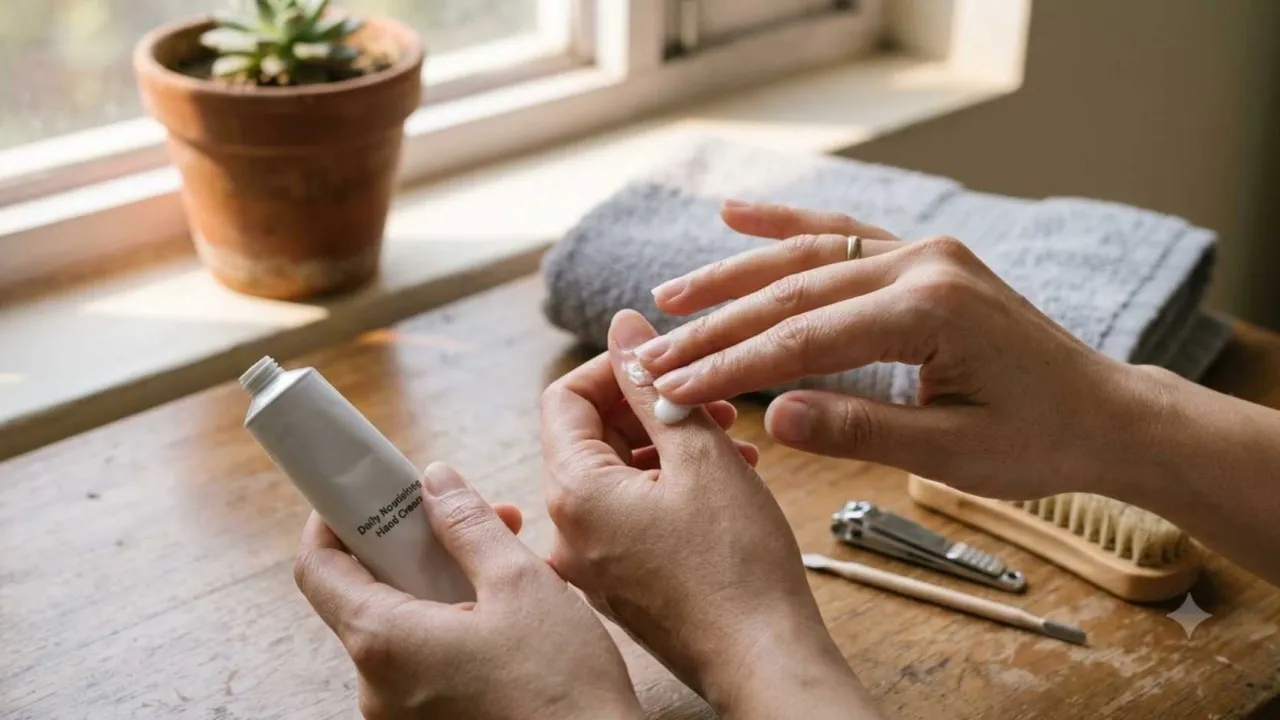
The most useful hand and nail care tips include washing gently, moisturizing after contact with water, wearing gloves during cleaning or rough work, and keeping nails clean and neatly trimmed. File nails carefully, avoid biting or picking, and treat the cuticle area gently. Choose products that feel comfortable and avoid anything that causes repeated stinging or irritation. Protecting your hands from harsh weather, detergents, friction, and frequent moisture changes can help maintain a simple everyday routine. Consistent care is usually more practical than using many products at the same time.
Why Hand and Nail Care Matters
Your hands are exposed to water, soap, cleaning products, weather changes, surfaces, and daily activities. These repeated exposures may leave the skin feeling dry, rough, or uncomfortable and can affect the overall appearance of your nails.
Nails grow gradually from the nail base and their appearance can be influenced by daily habits, moisture exposure, grooming methods, cosmetic products, and personal care routines. Because nails change slowly, regular care and patience are important.
Good hand and nail care is not about creating perfect-looking hands. It is about maintaining comfort, reducing avoidable stress on the skin and nails, and noticing when unusual changes need attention.
A Simple Hand and Nail Care Routine
Morning Care
Start your day by applying a suitable hand moisturizer if your skin feels dry. Pay attention to areas that commonly lose moisture, such as the backs of the hands, knuckles, fingertips, and skin around the nails.
If you spend time outdoors, consider using sun protection on exposed areas of your hands. The backs of the hands are often overlooked during daily skincare routines.
Care Throughout the Day
Follow practical handwashing habits while avoiding unnecessarily hot water. After washing, gently dry your hands instead of rubbing them harshly. Applying moisturizer after washing can help maintain a comfortable skin feel.
Use suitable gloves when washing dishes, cleaning, gardening, handling rough materials, or working in cold conditions. Gloves can provide a useful barrier against water, detergents, dirt, friction, and environmental exposure.
Evening Care
At night, clean your hands gently and apply a richer moisturizer if your skin feels dry. Massage a small amount around the nail edges and cuticle area without pulling or scraping the skin.
Check for rough edges, small splits, or loose skin. Use clean grooming tools when needed instead of biting or tearing the area. A simple routine is often easier to maintain consistently.
How to Wash Hands Without Increasing Dryness
Regular handwashing is an important part of hygiene, but repeated exposure to water and cleansers may leave some people feeling dry. The goal is to make washing gentler while keeping hands clean.
- Use lukewarm water instead of very hot water.
- Choose a mild hand cleanser that feels comfortable on your skin.
- Clean all necessary areas without aggressive scrubbing.
- Dry your hands properly, especially between the fingers.
- Apply moisturizer when your hands feel dry after washing.
Alcohol-based hand sanitizers may feel drying for some people when used frequently. Allow the product to dry completely and apply moisturizer when suitable. Avoid applying heavy creams immediately before tasks where you need a firm grip.
How to Moisturize Dry Hands Effectively
A suitable hand moisturizer can help improve the comfort of dry-feeling skin and support the skin barrier. Lightweight lotions may feel comfortable during the day, while thicker creams can be useful when extra moisture is needed.
Choose a texture that fits your routine. A lighter product may be convenient for work, while a richer moisturizer may feel more suitable before bedtime.
Common moisturizing ingredients include glycerin, plant oils, shea butter, ceramides, and petrolatum-based ingredients. Fragrance-free options may be more comfortable for people who experience sensitivity with scented products.
If you prefer simple homemade care ideas, review these DIY beauty recipes for beginners before mixing multiple ingredients together.
Apply moisturizer to the complete hand area, including knuckles, fingertips, backs of hands, and around the nails. Reapply when needed after washing, cleaning, or spending time in dry environments.
How to Trim and Shape Nails Safely
Keeping nails at a practical length can make daily activities easier and reduce the chance of snagging. The ideal nail length depends on your work, hobbies, personal preference, and how your nails behave during everyday tasks.
- Clean your nail tools before use.
- Trim nails when they are easier to manage, such as after bathing, but avoid handling nails when they are extremely soft.
- Follow the natural shape of your nails while trimming.
- Use a file to smooth rough edges and sharp corners.
- Stop filing when the nail edge feels even and comfortable.
Use gentle, controlled filing movements instead of harsh back-and-forth pressure. A fine nail file is often easier to handle for regular grooming. Avoid filing too deeply into the sides because excessive shaping may make the edge feel weak or uneven.
How to Care for Cuticles and Hangnails
The cuticle area helps protect the space around the growing nail. Treat this area gently and avoid aggressive cutting or pulling, as rough handling may cause discomfort and irritation.
After washing your hands or bathing, apply a small amount of moisturizer around the nails. If you choose to gently push back visible cuticle skin, use minimal pressure and stop if the area feels uncomfortable.
Do not pull or bite hangnails. If a loose piece of skin catches on clothing, carefully trim it with clean tools without cutting healthy skin. Apply moisturizer afterward to keep the area comfortable.
Comparing Common Hand and Nail Care Products
| Product Type | Main Purpose | When It May Be Useful | Care Consideration |
|---|---|---|---|
| Hand lotion | Light everyday moisture | After washing or in warmer conditions | May require more frequent use on very dry skin |
| Hand cream | Richer moisture support | Dry hands, knuckles, or colder weather | Allow it to absorb before handling objects |
| Ointment-style moisturizer | Helps reduce moisture loss | Rough areas or overnight care | Use a small amount because it may feel heavy |
| Cuticle oil | Helps soften skin around nails | Dry nail edges and cuticle area | Apply lightly on clean skin |
| Nail coating or strengthener | Provides a temporary protective layer | When you prefer a coated nail surface | Results vary depending on the product and nail condition |
| Fine nail file | Smooths and shapes nail edges | Regular nail maintenance | Use gentle movements without excessive pressure |
You do not need every product listed above. A basic routine with a suitable cleanser, moisturizer, clean nail tools, and a comfortable filing method is enough for many people. Add other products only when they have a clear purpose.
Daily Habits That Can Support Healthy-Looking Nails
Keep Nails at a Comfortable Length
Nails that are too long may catch on objects or bend during daily activities. Choosing a practical length based on your lifestyle can make maintenance easier.
Wear Gloves During Wet Work
Repeated contact with water and cleaning products may affect how nails and surrounding skin feel. Wearing suitable gloves during dishwashing, cleaning, or gardening can reduce direct exposure.
Use Nails Carefully
Avoid using nails to open containers, scrape surfaces, remove stickers, or perform tasks that put pressure on the nail edges. Using appropriate tools instead can reduce unnecessary stress on nails.
Be Gentle When Removing Nail Products
Remove nail polish according to product instructions and avoid scraping or peeling it away. After removing nail products, moisturize the nails and surrounding skin if they feel dry.
Take Care With Artificial Nail Treatments
Artificial nails, extensions, adhesives, and repeated removal processes may require careful handling. Follow proper application and removal methods, and consider reducing use if your natural nails or surrounding skin feel uncomfortable.
Food, Hydration, and Everyday Nail Appearance
A balanced eating pattern supports overall wellbeing and provides nutrients used by the body. Include a variety of foods such as protein sources, vegetables, fruits, whole grains, and suitable fats according to your personal dietary needs.
Drinking enough fluids supports normal body functions, but dry hands or changes in nail appearance can have many possible causes. Weather, product exposure, grooming habits, and individual differences may also influence how your hands and nails look and feel.
Avoid depending on supplements as a quick solution for nail concerns. If you are considering supplements, especially when taking medication or managing dietary restrictions, professional guidance may be useful.
Hand and Nail Care for Different Seasons
Cold or Windy Weather
Cold air, wind, and indoor heating can make hands feel drier. Apply moisturizer before going outdoors, use protective gloves, and choose a richer hand cream when needed. A gentle lip care routine may also help during dry weather.
Hot and Sunny Weather
Apply sun protection to exposed areas of the hands and reapply during longer outdoor activities. Lightweight moisturizers may feel more comfortable during warm conditions.
Humid Conditions
Humid weather may reduce dryness, but frequent washing, sweating, and contact with water can still affect the skin around the nails. Maintain cleanliness without unnecessary over-washing.
Dry Indoor Environments
Air conditioning and heating can make indoor air feel dry. Keeping moisturizer near frequently used areas, such as a sink, workspace, or bedside table, can make regular application easier.
Common Hand and Nail Care Mistakes to Avoid
- Cutting cuticles too deeply: Avoid removing healthy cuticle skin aggressively because it may cause discomfort and irritation.
- Pulling hangnails: Tearing loose skin may affect the surrounding area and make it more uncomfortable.
- Filing with too much pressure: Rough filing habits may leave nail edges uneven or sensitive.
- Using nails as tools: Opening, scraping, or pressing hard objects with nails may put unnecessary stress on them.
- Skipping protective gloves: Frequent contact with detergents, water, soil, or rough materials may increase dryness.
- Peeling nail polish: Removing polish by peeling or scraping may leave the nail surface feeling rough.
- Using too many products at once: Multiple treatments can make it difficult to understand which product suits your routine.
- Ignoring discomfort: Persistent pain, swelling, redness, or unusual changes should not be covered only with cosmetic products.
- Sharing nail tools: Keep personal grooming tools clean and avoid sharing items that directly contact nails or skin.
- Expecting instant changes: Nail appearance changes gradually, so consistent habits are more useful than quick solutions.
Hand and Nail Care Checklist
- Wash hands with lukewarm water and a comfortable cleanser.
- Dry hands properly, including the areas between fingers.
- Apply moisturizer when hands feel dry.
- Wear gloves during cleaning, gardening, and prolonged wet work.
- Keep nails clean and at a practical length.
- File rough edges gently before they catch on fabric.
- Moisturize around nails instead of cutting cuticles aggressively.
- Trim loose hangnails carefully with clean tools.
- Avoid biting nails or picking nearby skin.
- Remove nail polish gently without scraping.
- Introduce new nail products one at a time.
- Stop using products that cause repeated burning, redness, or irritation.
- Protect the backs of hands during outdoor exposure.
- Pay attention to unusual changes in your hands or nails.
When Hands or Nails May Need Extra Attention
Occasional dryness, rough skin, or a broken nail can happen during everyday activities. However, ongoing pain, swelling, bleeding, discharge, persistent redness, or changes that do not improve with gentle care may need professional evaluation.
Consider seeking appropriate guidance if a nail changes noticeably in color, shape, thickness, or appearance without an obvious reason, especially when the change continues over time. Similar-looking changes can have different causes, so professional assessment may provide clearer answers.
Disclaimer: This article provides general hand and nail care information for everyday grooming and comfort. Persistent pain, swelling, unusual nail changes, broken skin, or signs of infection should be discussed with a qualified healthcare professional.
How to Maintain Healthy-Looking Hands and Well-Groomed Nails
A useful hand and nail routine should match your daily activities. Someone who frequently washes dishes may need protective gloves and regular moisturizing, while someone who works with tools may benefit from shorter nails and careful filing.
Observe how your hands respond to weather, cleansers, cosmetics, and daily tasks. Change one habit at a time so you can better understand what supports comfort and what may contribute to dryness or irritation.
Reminder: Comfortable hands and neat-looking nails usually come from regular protection and gentle habits. Avoid aggressive treatments, keep expectations realistic, and give your routine enough time before judging results.
Final Thoughts on Hand and Nail Care Tips
The most practical hand and nail care tips are simple: wash gently, moisturize regularly, protect hands during wet or rough work, keep nails neatly shaped, and avoid habits that create unnecessary stress.
You do not need a large collection of products to start. A suitable moisturizer, clean tools, protective gloves, and a manageable grooming routine are often enough. Consistency, patience, and attention to your skin’s response matter more than complicated methods.
Frequently Asked Questions
How often should I moisturize my hands?
Apply moisturizer whenever your hands feel dry, especially after washing, cleaning, or spending time in cold or dry conditions. The ideal frequency depends on your skin type, activities, and the product you use.
Should I cut my cuticles during a manicure?
It is generally better to avoid cutting healthy cuticle tissue aggressively. Keeping the area moisturized and using gentle grooming methods is usually a simpler approach.
Why do my nails keep splitting at the tips?
Nail splitting may be related to repeated water exposure, rough filing, long nail length, nail product removal methods, or using nails during tasks that put pressure on them. Adjusting daily habits may help reduce unnecessary stress.
Can I apply hand cream around my nails?
Yes. A suitable hand cream can be applied around nail edges and the surrounding skin. Use a small amount and stop using products that cause ongoing discomfort.
How long does it take for nails to look better after changing my routine?
Nails grow gradually, so visible changes take time. Results depend on individual nail growth, daily habits, product exposure, and how consistently you follow your care routine.
Was this article helpful?
Share your feedback — select a reaction.
Are you satisfied with these answers?
If you'd like to ask something else, you can post your question here.
Comments (0)
Comments are reviewed before they appear.
Loading comments…
More Blogs
DIY Beauty Recipes for Beginners: Simple, Gentle, and Practical Ideas
Hair Care Tips For Healthy Hair: Simple Everyday Routine
How to Choose the Right Beauty Products for Your Skin, Hair, and Routine

How To Use Spices In Everyday Cooking: Simple Tips For Better Flavors