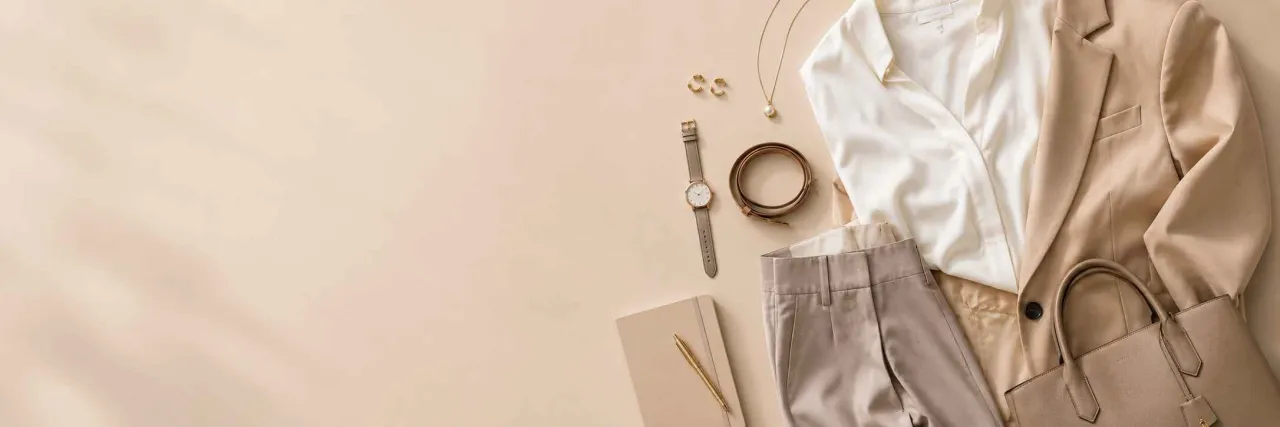

Capsule Wardrobe Guide: How to Build a Timeless Closet
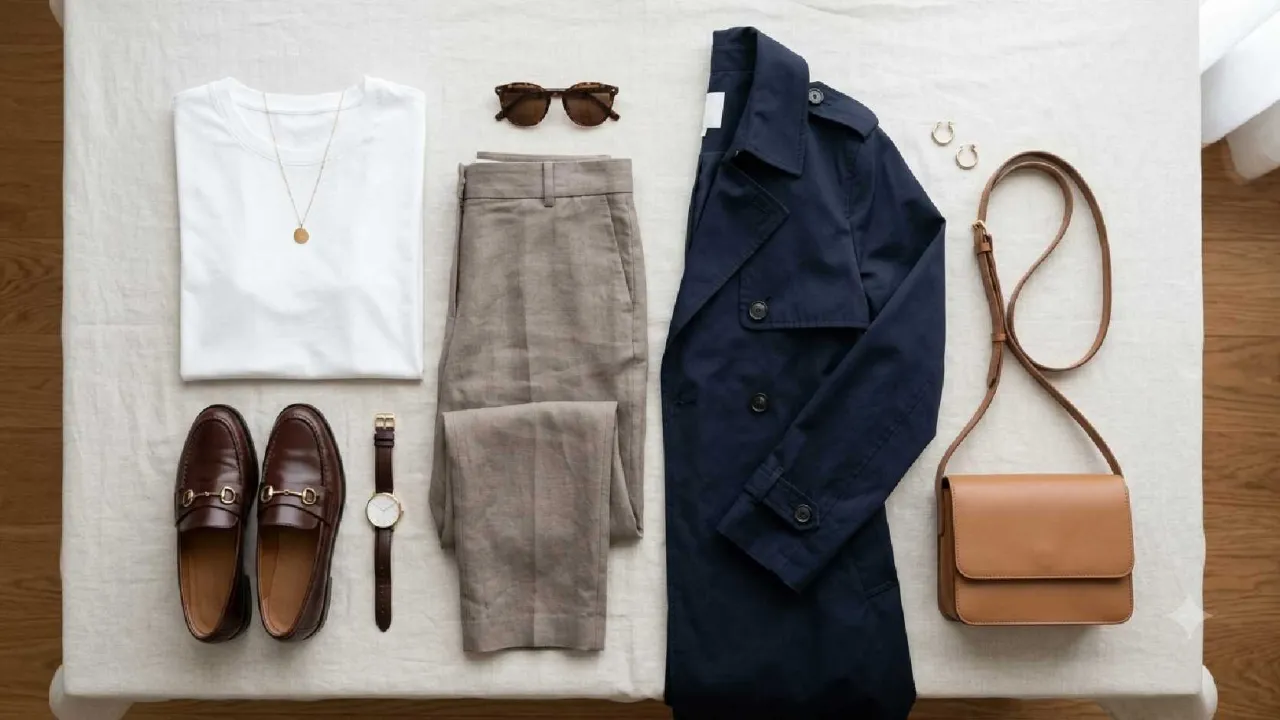
How Do You Build a Capsule Wardrobe for a Timeless Closet?
To build a capsule wardrobe, start by understanding your lifestyle, climate, daily activities, and clothing preferences. Keep versatile pieces that fit comfortably, coordinate easily, and can be styled in different ways. Choose a practical color palette, review the clothes you already own, identify genuine gaps, and create a simple shopping plan instead of buying complete outfits at once.
A capsule wardrobe does not require a fixed number of items. The purpose is to create a useful collection of clothing where each piece has a clear role and works with your regular routine. A well-planned capsule wardrobe guide focuses on comfort, personal style, easy outfit combinations, and thoughtful clothing choices rather than following strict fashion rules.
What Is a Capsule Wardrobe?
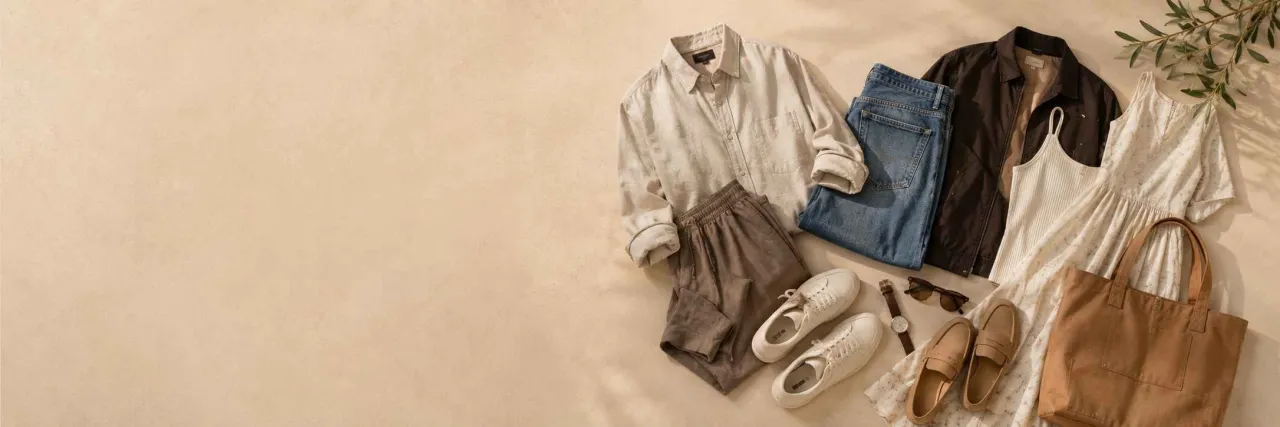
A capsule wardrobe is a carefully selected group of clothes that can be combined into multiple outfits. Most pieces are chosen because they work well with other items, helping reduce unused clothing and making everyday dressing easier.
The idea is not to remove personality from your style or create a closet filled only with basic colors. A practical capsule wardrobe can include prints, different textures, favorite colors, and statement pieces. The important point is that each item should have a purpose and fit naturally with the rest of your collection.
Capsule wardrobes are flexible and can be designed for different lifestyles. Someone working in an office may need formal clothing, while another person may prefer casual outfits, comfortable footwear, and practical layers. Your wardrobe should reflect your real activities rather than an unrealistic idea of how you think you should dress.
Why a Capsule Wardrobe Can Make Dressing Easier
A coordinated wardrobe can reduce the number of decisions required when getting dressed. When tops, bottoms, shoes, and layering pieces work together, creating outfits becomes simpler and more convenient.
A capsule approach can also help you understand your actual clothing habits. Instead of repeatedly buying similar items, you can identify what you wear most often and notice which pieces are missing from your current wardrobe.
It may also help you develop a clearer personal style. Repeating preferred colors, shapes, and outfit combinations can show which clothing choices match your comfort and daily needs.
However, a capsule wardrobe is not automatically cheaper, more sustainable, or better organized. These benefits depend on how carefully you select, use, maintain, and replace your clothing over time.
Start With Your Lifestyle, Not a Shopping List
Before buying new clothes, review how you actually spend your time. Your weekly routine provides better guidance than a general list of wardrobe essentials.
- How many days do you work, study, travel, exercise, or attend social events?
- Does your workplace require formal, smart-casual, or practical clothing?
- What weather conditions do you usually dress for?
- Do you walk frequently, use public transport, or spend most time indoors?
- Which outfits do you choose when you want comfort and confidence?
- Are there cultural, professional, personal, or practical preferences that affect your clothing choices?
If most of your week involves casual activities, a wardrobe focused heavily on formal clothing may not be useful. Similarly, someone with frequent meetings or professional events may need more structured pieces than a casual capsule wardrobe suggests.
Comfort and personal preference are important parts of building a useful closet. Understanding how to dress according to your body type can help you explore suitable cuts, lengths, and silhouettes without treating body-shape advice as a strict rule.
Review Your Current Wardrobe Before Buying Anything
Before shopping, review the clothes you already own. Work through one category at a time, such as shirts, trousers, dresses, jackets, or shoes. This makes the process easier and helps you understand what is already working.
Try on items when you are unsure about fit or comfort. Ask yourself whether the piece suits your current lifestyle, whether you enjoy wearing it, and whether it combines easily with other clothes you already own.
Sort your clothing into practical groups:
- Regularly worn: Clothes that fit your routine and feel comfortable.
- Occasion-specific: Formalwear, seasonal clothing, uniforms, or specialist items.
- Needs attention: Pieces that require cleaning, repair, alteration, or better styling.
- Uncertain: Items you can test during a short trial period.
- Ready to leave: Clothes that no longer match your needs and may be donated, sold, recycled, or repurposed depending on their condition.
Do not remove useful clothing simply because it is not currently trendy or does not match someone else's style. A successful capsule wardrobe should feel personal and practical for your own life.
Choose a Practical Capsule Wardrobe Color Palette
A coordinated color palette can make outfit planning easier, but it does not mean your wardrobe must contain only neutral shades. The best capsule wardrobe colors are the ones you enjoy wearing and can combine naturally with your existing clothes.
Start by choosing two or three base colors that work well for larger pieces such as trousers, jackets, coats, skirts, or everyday footwear. Add supporting colors and a few accent shades through tops, accessories, layers, or seasonal pieces.
For example, one person may prefer navy, cream, and brown with small touches of green or blue. Another person may enjoy black, charcoal, burgundy, or brighter colors. There is no single correct capsule wardrobe palette because personal style and lifestyle needs are different for everyone.
Before purchasing new clothing, place possible combinations together in natural light. This can help you understand whether colors, patterns, and textures work well together before adding another item to your closet.
Essential Capsule Wardrobe Categories
There is no universal list of clothing items that every person needs. Use these categories as a planning guide and adjust them according to your climate, activities, personal style, and daily routine.
| Category | Possible Pieces | What to Consider |
|---|---|---|
| Everyday tops | T-shirts, shirts, blouses, knit tops | Comfort, layering ability, washing needs, and personal preference |
| Bottoms | Trousers, jeans, skirts, shorts | Fit, movement, footwear, and daily activities |
| Layers | Cardigans, overshirts, jackets, blazers | Weather, indoor temperature, and outfit style |
| One-piece outfits | Dresses, jumpsuits, coordinated sets | Comfort, versatility, and styling options |
| Outerwear | Coats, rain jackets, lightweight jackets | Weather protection and layering space |
| Footwear | Casual shoes, work shoes, boots, sandals | Walking needs, comfort, weather, and dress requirements |
| Accessories | Belts, scarves, bags, jewelry | Function, color coordination, and outfit variety |
This list is only a starting point. A capsule wardrobe guide should help you organize your clothing choices, not force you to buy items that do not match your lifestyle.
How Many Clothes Should Be in a Capsule Wardrobe?
A capsule wardrobe does not need a specific number of items. Some people prefer a smaller collection, while others need more clothing because of their work, climate, family responsibilities, laundry routine, or different activities.
Instead of focusing only on quantity, consider whether your wardrobe supports your regular lifestyle. Your clothes should provide enough options for common situations without creating unnecessary duplication.
Someone who does laundry once a week may need more everyday basics than someone who washes clothes more frequently. Similarly, people living in areas with different seasons may need separate layers, footwear, and weather-appropriate clothing.
Begin with the clothes you already own. After using your wardrobe for several weeks, you can identify which items are genuinely useful and which pieces are rarely worn.
How to Choose Versatile Capsule Wardrobe Pieces
Prioritize Comfortable Fit
A versatile piece is only useful when you actually enjoy wearing it. Check whether you can sit, walk, move comfortably, and layer the item with other clothing without constant adjustment.
Fit preferences are personal. A timeless closet does not require every person to choose the same shapes or silhouettes. The best choices are the ones that suit your comfort and everyday needs.
Look for Multiple Outfit Combinations
Before purchasing or keeping an item, think about realistic outfits you can create using clothes you already own. A useful piece should work in situations that actually occur in your life.
For example, a jacket that only matches one outfit may be less practical than one that works with several tops, bottoms, and shoes.
Consider Fabric and Maintenance
Check the fabric, care instructions, comfort, tendency to wrinkle, and suitability for your climate. Clothing that requires more maintenance than you can provide may remain unused even if it looks attractive.
Following practical clothing care tips can help maintain the condition, appearance, and usefulness of frequently worn wardrobe pieces.
Choose Details You Will Continue to Enjoy
Simple designs can be easy to combine, but timeless style does not mean your wardrobe must feel boring. Choose details such as colors, prints, collars, sleeve lengths, textures, or patterns that match your personal taste.
Build Outfits Before Filling Wardrobe Gaps
After selecting your main clothing pieces, create complete outfits before buying more items. Trying combinations together helps you understand what works and what is actually missing.
You can photograph outfits you like or keep simple notes about successful combinations. This creates a personal reference that can make busy mornings easier and prevent unnecessary purchases.
Pay attention to problems that appear repeatedly. You may discover that you own many tops but lack suitable bottoms, or that you have a jacket that only works with one pair of shoes. These observations help create a more accurate shopping list.
A practical capsule wardrobe may include simple outfit formulas such as:
- Relaxed shirt with straight trousers and comfortable shoes
- Basic top with jeans, lightweight jacket, and everyday bag
- Dress with a cardigan and practical footwear
- Knit top with skirt, belt, and structured layer
- T-shirt with overshirt, casual trousers, and trainers
Outfit formulas provide a starting point while still allowing changes through colors, accessories, textures, and seasonal adjustments.
Shop for Missing Pieces With a Clear Plan
After reviewing your wardrobe and testing different outfit combinations, create a short list of items that are genuinely missing. A planned approach can help you avoid buying clothes that look appealing in the moment but do not fit your everyday routine.
When creating your shopping list, note useful details such as preferred colors, fabric type, fit, length, season, and budget. This makes it easier to compare options and choose pieces that work with your existing wardrobe.
A clothing item should not be considered essential simply because it appears on a fashion checklist. A white shirt, black blazer, classic coat, or other popular wardrobe item is only useful when it matches your lifestyle and personal preferences.
Use smart shopping tips for buying quality clothes to compare fabric, construction, comfort, care requirements, and practical use before making a purchase.
Whenever possible, try new pieces with clothes you already own. Check how they feel while sitting, walking, and moving. Avoid keeping an item only because it is discounted or currently popular if it does not suit your needs.
Use Accessories to Add Variety Without Adding Many Clothes
Accessories can change the appearance of familiar outfits without requiring a large number of additional clothing pieces. They can add color, function, texture, or a different level of formality to simple combinations.
A belt can change the shape of an outfit, a scarf can introduce color, and a practical bag can improve everyday convenience. The most useful accessories depend on your routine, personal style, and activities.
Choose accessories that can work with multiple outfits instead of buying separate items for every possible look. Useful options may include an everyday bag, comfortable belt, simple jewelry, scarf, watch, or weather-appropriate accessories.
An essential fashion accessories guide can help you identify pieces that add genuine value without creating unnecessary clutter.
Accessories should support your clothing choices rather than replace the importance of comfortable fit, practical design, and suitable wardrobe planning.
Adapt Your Capsule Wardrobe for Different Seasons
A seasonal wardrobe update does not always require replacing your entire closet. Often, small changes in layers, fabrics, footwear, and outerwear are enough to make your wardrobe suitable for changing weather.
Warm Weather Capsule Wardrobe
For warmer conditions, consider comfortable fabrics, breathable layers, practical cuts, and clothing that suits your daily activities. Choose pieces that are easy to maintain and comfortable during heat or outdoor movement.
Light layers can also provide flexibility because indoor spaces, transportation, and evening temperatures may feel different from outdoor conditions.
Cold Weather Capsule Wardrobe
Cold-weather dressing usually works best through layering. Choose pieces that can comfortably fit together, such as base layers, knitwear, jackets, and outerwear.
Consider whether coats allow enough space for layers underneath and whether your footwear works well with your winter activities.
Rainy and Transitional Weather
Changing seasons often require flexible clothing choices. Useful pieces may include lightweight jackets, water-resistant layers, closed shoes, cardigans, or overshirts.
Store seasonal clothing clean and dry. Before the next season begins, review your items so repairs, replacements, or missing pieces can be identified early.
Common Capsule Wardrobe Mistakes to Avoid
- Buying a complete capsule at once: Building everything immediately may create another collection of clothes that has not been tested in daily life.
- Copying someone else's essentials: Another person's wardrobe may not match your climate, work routine, comfort needs, or personal style.
- Choosing only neutral colors: A timeless wardrobe can include colors and patterns that reflect your personality.
- Keeping uncomfortable basics: A simple or versatile item is not useful if you avoid wearing it.
- Ignoring laundry habits: Your clothing collection should match how often you wash and maintain your clothes.
- Removing useful occasion clothing: Formal, seasonal, or activity-specific items may still have an important purpose.
- Following an exact item count: A fixed number of clothes may not work for every lifestyle or climate.
- Buying for an imagined lifestyle: Choose clothing for the activities you regularly perform, not only the life you hope to have.
- Overlooking footwear: Shoes affect comfort, movement, and whether an outfit works for a specific situation.
- Neglecting maintenance: Washing, storage, repairs, and proper care help extend the useful life of clothing.
Beginner-Friendly Capsule Wardrobe Checklist
- Review your weekly routine before planning your wardrobe.
- Identify the clothes you wear most often.
- Separate daily clothing from occasion-specific and seasonal items.
- Try on uncertain pieces before deciding their future.
- Create a flexible color palette based on your preferences.
- Keep enough clothing for your laundry schedule.
- Create realistic outfit combinations using existing clothes.
- Record outfits that work well for your lifestyle.
- Identify specific gaps before shopping.
- Check fabric, fit, quality, and care requirements.
- Select footwear based on comfort and daily activities.
- Use accessories to create variety.
- Repair useful clothing before replacing it.
- Review your wardrobe after using it for several weeks.
- Adjust your capsule when your lifestyle or seasons change.
Common Capsule Wardrobe Mistakes to Avoid
- Buying an entire wardrobe at once: Creating a capsule slowly allows you to understand what actually works in your daily routine.
- Copying someone else's wardrobe: Lifestyle, climate, work needs, comfort preferences, and personal style are different for everyone.
- Choosing only neutral colors: A capsule wardrobe can include colors, patterns, and textures that match your personality.
- Keeping uncomfortable clothing: A versatile item is not useful if you avoid wearing it because of poor comfort or fit.
- Ignoring laundry habits: Your wardrobe should match how often you wash clothes and how quickly items are needed again.
- Removing all occasion clothing: Formal, seasonal, cultural, or special-event clothing may still have an important purpose.
- Following a strict item number: The ideal wardrobe size depends on your lifestyle, climate, schedule, and responsibilities.
- Shopping for an imaginary lifestyle: Choose clothing for the activities you actually do rather than a lifestyle you rarely experience.
- Ignoring footwear: Shoes influence comfort, outfit flexibility, and suitability for different situations.
- Neglecting clothing care: Washing, storing, and repairing clothes properly can help maintain their condition.
Beginner-Friendly Capsule Wardrobe Checklist
- Review your weekly routine before planning your wardrobe.
- Identify the clothes you naturally wear most often.
- Separate everyday clothing from occasion and seasonal pieces.
- Check the fit and comfort of uncertain items.
- Create a flexible color palette based on your preferences.
- Keep enough clothing according to your laundry schedule.
- Create outfit combinations before buying new pieces.
- Make a list of genuine wardrobe gaps.
- Check fabric quality, comfort, care requirements, and versatility.
- Select footwear based on your activities and climate.
- Use accessories to create variety with existing clothes.
- Repair useful clothing before replacing it.
- Store clothes properly when not in use.
- Review your wardrobe after changes in lifestyle or season.
How to Maintain a Timeless Closet
A timeless closet is built through regular observation and thoughtful choices rather than one major wardrobe change. Review your clothing when seasons change, your lifestyle changes, or your current outfits no longer feel practical.
Take care of frequently worn pieces by following suitable washing instructions, storing clothes properly, and repairing small issues when possible. Simple maintenance can help clothing remain useful for longer.
Notice the outfits you repeatedly choose. These patterns can help you understand your preferred colors, shapes, fabrics, and levels of comfort. Use this information when replacing worn items or adding new pieces.
A timeless wardrobe does not mean avoiding every trend. It means creating a collection where your clothes continue to support your lifestyle and personal preferences over time.
Disclaimer: This article provides general wardrobe planning and fashion guidance. Clothing choices depend on individual lifestyle, climate, comfort preferences, budget, culture, and personal style. Choose clothing according to your own needs.
Final Thoughts on Building a Capsule Wardrobe
A practical capsule wardrobe starts with understanding your lifestyle instead of following a fixed list of clothing essentials. The most useful pieces are those that fit comfortably, combine easily, and support your everyday activities.
Reminder: You do not need to replace your entire wardrobe or purchase expensive clothing to create a coordinated closet. Start with what you already own, experiment with outfit combinations, and add new pieces only when there is a genuine need.
The best capsule wardrobe is not necessarily the smallest one. It is a balanced collection that makes dressing easier, reflects your personal style, and helps you use your clothes more intentionally.
Frequently Asked Questions
Can a capsule wardrobe include bright colors and prints?
Yes. A capsule wardrobe can include colors, patterns, and prints when they coordinate well with other pieces. The goal is not to remove personality but to create a collection that works together.
How many items should a capsule wardrobe have?
There is no universal number. The right amount depends on your lifestyle, climate, laundry routine, work requirements, and personal preferences.
Can I create a capsule wardrobe with a limited budget?
Yes. Start with your existing clothes, identify missing pieces, repair useful items, and purchase gradually instead of buying everything at once.
Do I need to remove all clothes that are not part of my capsule wardrobe?
No. Seasonal clothing, special occasion outfits, cultural clothing, sentimental items, and activity-specific pieces can remain outside your everyday capsule.
How often should I update my capsule wardrobe?
Review your wardrobe when your lifestyle, season, work needs, or clothing preferences change. Small adjustments are usually more practical than complete replacements.
Was this article helpful?
Share your feedback — select a reaction.
Are you satisfied with these answers?
If you'd like to ask something else, you can post your question here.
Comments (0)
Comments are reviewed before they appear.
Loading comments…
More Blogs
Everyday Fashion Tips for Looking Stylish Without Buying New Clothes
Men’s Fashion Guide: Essential Wardrobe Pieces For A Stylish Look
Modern Fashion Trends: Modern Style Ideas and Outfit Tips for Everyday Life

Natural Glow Tips For Face: Simple Beauty Habits For Everyday Skin