Weekly Indian Meal Plan: A Simple 7-Day Guide for Everyday Cooking
What Is a Simple Weekly Indian Meal Plan for Beginners?
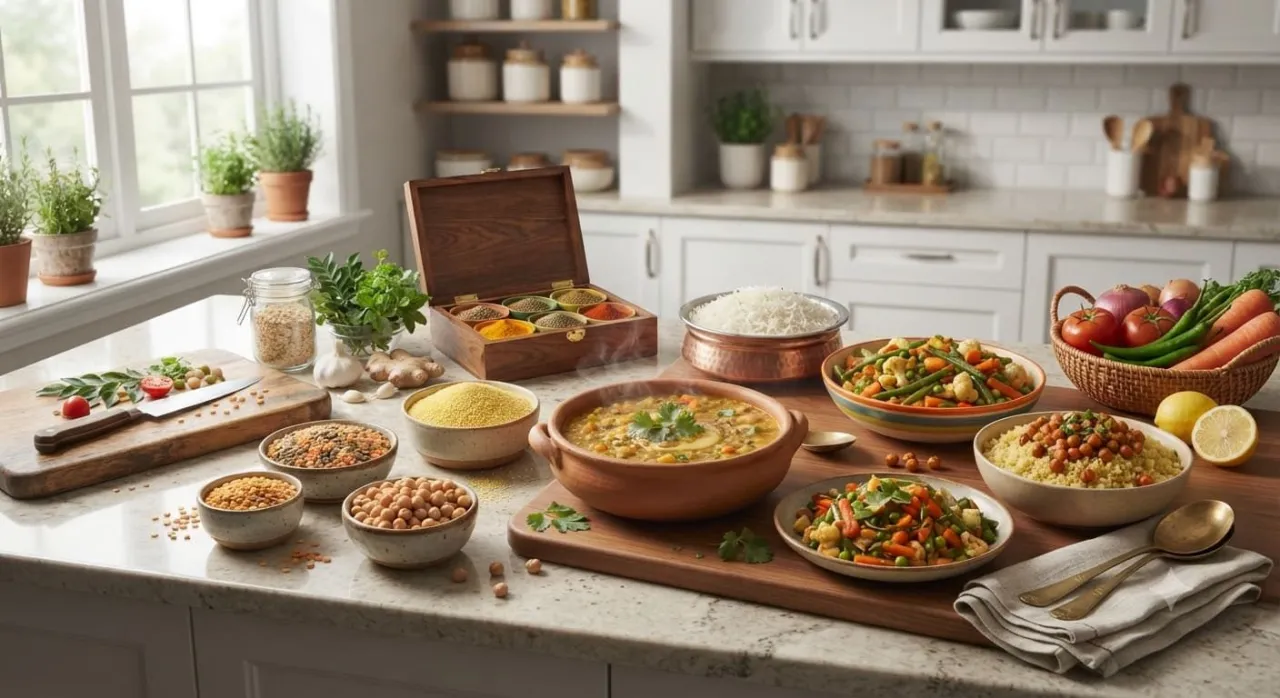
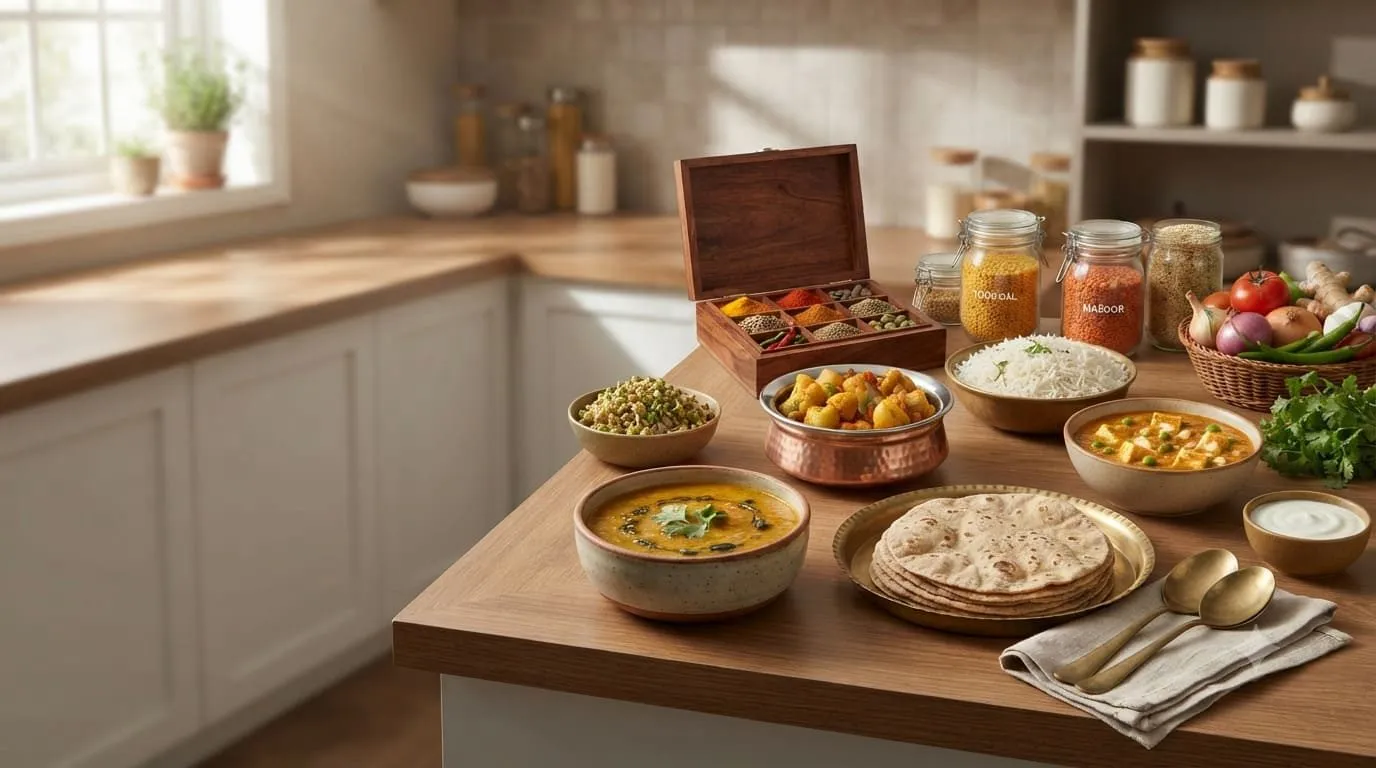
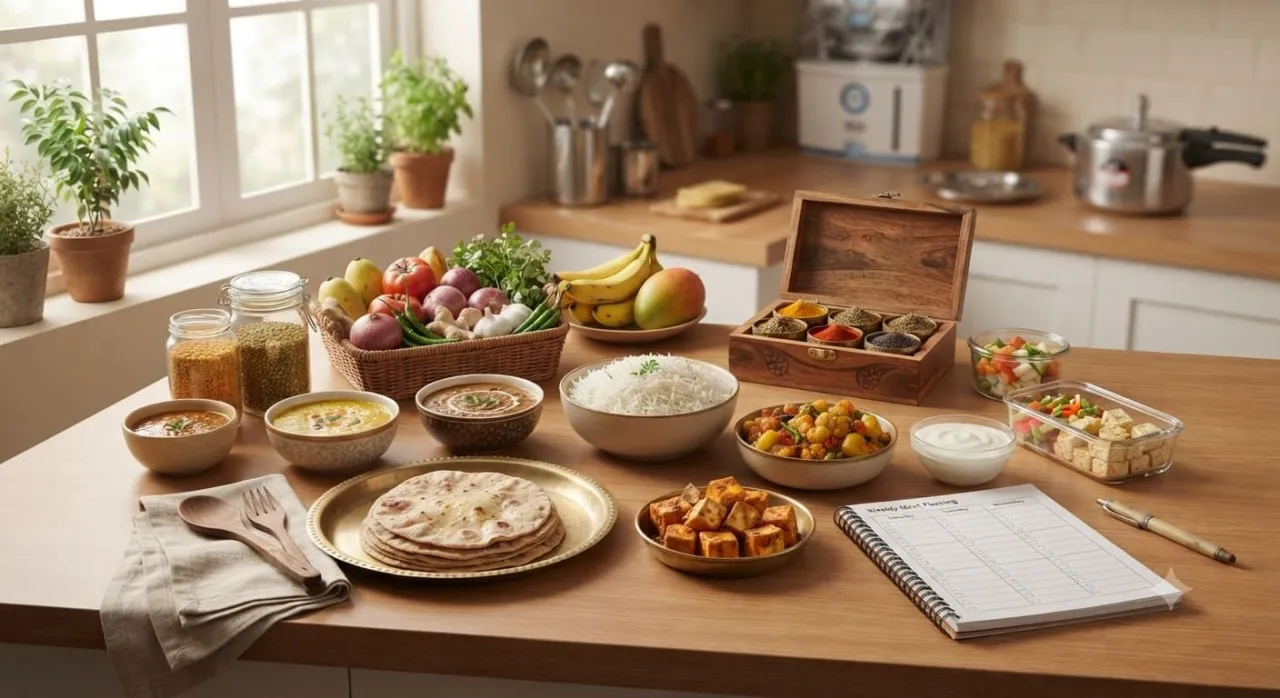
A simple weekly Indian meal plan is a seven-day schedule that organizes meals in advance so you can shop, prepare ingredients, and cook with less daily confusion. A practical plan can include a mix of vegetables, lentils, beans, grains, dairy foods, suitable protein sources, fruits, and snacks based on individual preferences. The goal is not to follow a rigid menu but to create a flexible structure that makes everyday meals easier to manage.
You can rotate dishes such as dal, sabzi, roti, rice, khichdi, poha, upma, idli, or millet-based meals while adjusting portions and ingredients according to your household, routine, and dietary preferences.
Why Plan Indian Meals for the Entire Week?
Indian cooking offers an enormous variety of ingredients and regional dishes, but that variety can sometimes make daily meal decisions difficult. Planning a week ahead can reduce the repeated question of what to cook next.
A weekly plan can also make grocery shopping more organized. Instead of buying ingredients without a clear purpose, you can prepare a list based on the meals you expect to cook.
Planning does not mean that every meal has to be prepared exactly as scheduled. A flexible plan allows you to swap dishes when you have less time, use suitable leftovers creatively, or change meals according to what is available at home.
For beginners, the best approach is to create a basic structure first and then fill it with familiar foods. Once the routine becomes comfortable, you can gradually add new recipes and ingredients.
How to Build a Weekly Indian Meal Plan That Works
A useful weekly Indian meal plan should be realistic for your household. Before choosing dishes, think about how many people you cook for, how much time you have, which ingredients are easily available, and what foods your family enjoys.
Start With Familiar Meal Categories
Instead of selecting seven completely different breakfasts, lunches, and dinners, create a rotation of simple meal categories.
- Breakfast: Poha, upma, idli, dosa, vegetable paratha, oats, or other preferred options.
- Lunch: Dal, rice, roti, sabzi, salad, curd, or suitable combinations.
- Evening snack: Fruit, roasted legumes, yogurt, nuts, seeds, or homemade snacks.
- Dinner: Khichdi, roti with vegetables, dal, soup, millet dishes, or other simple meals.
Creating categories makes meal planning easier because you can change individual dishes without rebuilding the entire week.
Think About the Overall Meal Balance
Rather than focusing on one particular food, consider how different ingredients fit together. A meal may combine a grain or other carbohydrate source with vegetables and a suitable protein source such as dal, beans, lentils, tofu, dairy foods, or another preferred option.
You can explore these balanced Indian meal ideas for inspiration when deciding how to combine familiar foods.
Balance does not mean that every meal must contain exactly the same components. Looking at the overall pattern across the day or week can be a practical way to plan meals.
A Practical 7-Day Weekly Indian Meal Plan
The following sample plan is designed as a flexible starting point rather than a strict diet schedule. You can change dishes, ingredients, and portions according to your preferences, cooking time, and household needs.
| Day | Breakfast | Lunch | Evening Snack | Dinner |
|---|---|---|---|---|
| Monday | Vegetable poha with fruit | Dal, rice, mixed vegetable sabzi, and curd | Roasted chickpeas or fruit | Roti with vegetable curry and dal |
| Tuesday | Vegetable upma with yogurt | Roti, chana masala, salad, and a vegetable side | Fruit with a small portion of nuts | Vegetable khichdi with curd |
| Wednesday | Idli with sambar | Rice, rajma, vegetable salad, and curd | Roasted makhana or homemade snack | Roti with mixed vegetables and lentil soup |
| Thursday | Vegetable paratha with yogurt | Dal, roti, seasonal sabzi, and salad | Fruit or yogurt | Millet khichdi with vegetables |
| Friday | Oats with fruit and suitable toppings | Rice, dal, vegetable curry, and curd | Roasted legumes or nuts | Roti with tofu or paneer vegetable preparation |
| Saturday | Dosa with sambar | Chole, roti, salad, and vegetable side | Fruit or homemade snack | Vegetable soup with roti or another suitable side |
| Sunday | Vegetable uttapam or preferred breakfast | Special homemade meal with vegetables and a suitable protein source | Fruit, yogurt, or nuts | Simple dal, roti, and seasonal vegetables |
This menu is only a starting point. If your household prefers regional foods, you can replace any dish with a similar option. The important part is to create a practical rotation that you can realistically follow.
How to Plan Breakfasts for a Busy Indian Week
Breakfast is often the meal that becomes difficult to plan when mornings are busy. Choose options that match the time you have available rather than selecting recipes that require extensive preparation every day.
Poha, upma, idli, dosa, vegetable paratha, oats, and other familiar breakfast dishes can be rotated throughout the week. You can also prepare some ingredients in advance to reduce morning work.
For example, vegetables can be washed and chopped ahead of time, while dry ingredients can be organized so they are easy to access.
If you want more ideas for vegetarian meals, explore these high-protein vegetarian Indian recipes and choose suitable dishes for breakfast or other meals according to your preferences.
Variety can make breakfast more enjoyable, but you do not need a different recipe every day. Repeating a few reliable meals can make the routine easier.
Planning Lunches With Simple Indian Meal Combinations
Lunch can often be built around a few familiar components. Dal, rice, roti, sabzi, beans, curd, and salads can be combined in different ways to create variety throughout the week.
For example, you might prepare dal on Monday, rajma on Tuesday, and chana on another day. Seasonal vegetables can also be rotated depending on availability.
Lunches can be made more practical by preparing ingredients that work across multiple meals. Cooked lentils or beans, for example, may be used in different recipes depending on the plan.
If lunch needs to be packed for school or work, consider these healthy lunch box ideas for additional inspiration.
When preparing meals for later use, remember to store cooked food appropriately and follow suitable food-safety practices.
Planning Simple Indian Dinners for the Week
Dinner does not need to be the most complicated meal of the day. In fact, a simple dinner routine can make the entire weekly plan easier to maintain.
Roti with dal and vegetables, vegetable khichdi, millet-based meals, soup with a suitable side, or rice with a vegetable and protein source can all be practical options.
Some families may prefer lighter dinners, while others may enjoy a more substantial meal. Personal preference, daily routines, cultural habits, and available cooking time can all influence what works best.
For additional meal inspiration, you can explore these healthy dinner ideas and select meals that fit your own preferences and routine.
Include Variety With Millets and Other Grains
Indian cuisine includes many grains that can be used in different ways. Rice and wheat are familiar staples for many households, but other grains can also add variety to the weekly menu.
Millets can be used in dishes such as khichdi, porridge, rotis, or other preparations depending on the type of millet and the recipe.
If you want to experiment with different grains, try these simple millet recipes for practical ideas that can be added to a weekly meal rotation.
There is no need to replace familiar staples completely. Introducing different grains occasionally can be an easy way to expand your meal options.
How to Plan Snacks Without Making the Week Complicated
Snacks are easy to overlook when creating a meal plan. Having a few simple options available can make it easier to choose something suitable when you want a small meal between main meals.
Depending on your preferences, snacks may include fresh fruit, yogurt, roasted chickpeas, roasted makhana, nuts, seeds, or simple homemade preparations.
Keep portions appropriate for your appetite and consider how snacks fit into your overall daily meals. A snack does not need to be elaborate to be practical.
Preparing a small selection of snack ingredients in advance can also make busy weekdays easier. Choose foods that store well and are convenient to serve.
Use Spices to Create Variety in a Weekly Indian Meal Plan
Indian cooking is naturally suited to meal variety because spices and seasoning combinations can change the character of familiar ingredients.
The same basic vegetables or legumes can taste different when prepared with different spice combinations. For example, you might use cumin and coriander in one dish and experiment with other herbs or spice blends in another.
Learning about using spices in everyday cooking can help you make simple meals more interesting without needing a completely different set of ingredients every day.
You can also explore spice blends and seasoning mixes when you want a convenient way to change the flavor of familiar dishes.
For beginners, it is usually easier to start with spices you already know and gradually experiment with new combinations.
How to Prepare for the Week Before It Starts
A little preparation can make a weekly meal plan much easier to follow. You do not need to cook all seven days of meals in advance. Instead, prepare a few basic ingredients that can save time later.
- Check your pantry and refrigerator before shopping.
- Make a grocery list based on your planned meals.
- Wash and organize vegetables that will be used soon.
- Prepare selected ingredients that can safely be stored for later use.
- Keep commonly used spices and staples easy to access.
- Plan one or two flexible meals for days when schedules change.
- Use suitable leftovers in other meals instead of letting them go unused.
For example, you can prepare a batch of dal or cooked legumes and use them in different meals where appropriate. You can also chop some vegetables in advance if they will be used within a suitable storage period.
Meal preparation should save time, not create additional stress. Keep the process simple enough that you can repeat it each week.
How to Adjust a Weekly Indian Meal Plan for Different Needs
One meal plan will not suit every household. A family with young children may need different foods and portion sizes from a group of adults, while someone with a busy work schedule may prefer meals that require minimal preparation.
You can also adapt the plan according to dietary preferences. Vegetarian households may rely more on lentils, beans, dairy foods, tofu, and other suitable protein sources. Other households may include eggs or different foods according to their preferences.
Seasonal availability is another useful consideration. Replacing vegetables with those that are fresh and easily available can make shopping more practical and may help reduce unnecessary food waste.
The most successful weekly plan is usually one that reflects your actual lifestyle rather than an ideal schedule that is difficult to maintain.
Common Mistakes to Avoid When Planning Weekly Indian Meals
Planning Too Many New Recipes
Trying seven completely new recipes in one week can make meal preparation unnecessarily difficult. Start with familiar meals and introduce new dishes gradually.
Ignoring Preparation Time
A recipe may look simple but still require soaking, chopping, or extended cooking. Consider preparation time before assigning meals to busy weekdays.
Buying Ingredients Without a Plan
Purchasing large amounts of ingredients without knowing how they will be used can lead to unnecessary waste. Create a basic shopping list based on your weekly meals.
Making the Plan Too Rigid
Unexpected events happen. If you cannot cook the planned meal one day, simply swap it with another meal rather than abandoning the entire plan.
Forgetting Snacks and Small Meals
If snacks are part of your household routine, include them in your planning. This helps you keep practical options available when you want something between meals.
Cooking More Than You Can Store Safely
Batch cooking can save time, but preparing excessive quantities may create storage problems. Prepare realistic amounts and store leftovers appropriately.
Beginner-Friendly Weekly Indian Meal Planning Checklist
- Choose breakfast, lunch, dinner, and snack options that fit your routine.
- Include a variety of vegetables across the week.
- Add suitable protein sources to meals according to your preferences.
- Plan a few simple snacks if they are part of your daily routine.
- Use familiar dishes as the foundation of your meal plan.
- Include one or two flexible meals for unexpected schedule changes.
- Prepare a grocery list before shopping.
- Check which ingredients are already available at home.
- Use seasonal vegetables and locally available ingredients when practical.
- Plan preparation tasks that can save time during busy days.
- Store and reheat leftovers according to appropriate food-safety practices.
- Review the plan at the end of the week and adjust what did not work.
How to Make Your Weekly Indian Meal Plan Easier to Follow
A meal plan should reduce decision-making, not create another complicated task. If you find that cooking seven different dishes every day is too much, simplify the rotation.
You might cook one main dal and use it for two meals, or prepare a versatile vegetable dish that can accompany rice one day and roti the next. The goal is to make ingredients work harder without making meals unnecessarily repetitive.
It can also help to assign different levels of effort to different days. Keep quick meals for busy weekdays and reserve more time-consuming recipes for weekends or days when you have extra time.
Another useful strategy is to keep a list of meals your household already enjoys. When planning each week, choose from that list instead of starting from scratch.
Disclaimer: This weekly Indian meal plan is a general food-planning example, not individualized nutrition advice. If you have specific dietary restrictions, food allergies, or a medically advised eating plan, adjust ingredients and meal choices according to your individual needs and appropriate professional guidance.
Reminder: A weekly Indian meal plan works best when it is flexible enough to fit your real schedule. You do not need to follow every meal exactly as written; use the plan as a framework, swap similar dishes when needed, and focus on creating a varied routine that your household can realistically maintain.
Final Thoughts on Building a Weekly Indian Meal Plan
A weekly Indian meal plan can make everyday cooking more organized without taking away the flexibility that makes home cooking enjoyable. By planning familiar breakfasts, varied lunches, simple dinners, and practical snacks, you can reduce daily decision-making and make grocery shopping easier.
The most useful approach is to start small. Choose a few reliable meals, rotate vegetables and protein sources, experiment with different grains and spices, and prepare selected ingredients ahead of time when it is convenient.
Remember that meal planning is a tool, not a strict rulebook. Your schedule, preferences, available ingredients, and household needs may change from week to week. Adjust the plan accordingly and focus on creating a realistic routine that makes Indian home cooking simpler, more varied, and easier to enjoy.
Frequently Asked Questions
How do I create a weekly Indian meal plan?
Start by choosing simple breakfast, lunch, dinner, and snack options for seven days. Include a variety of vegetables, grains, legumes, and suitable protein sources, then create a grocery list based on the meals you have selected.
Can I repeat meals in a weekly Indian meal plan?
Yes. Repeating a few reliable meals can make cooking and preparation easier. You can create variety by changing vegetables, spices, grains, or side dishes while keeping the basic meal structure familiar.
How can I save time while following a weekly meal plan?
Prepare selected ingredients ahead of time, organize your grocery shopping, and choose simpler meals for busy days. Cooking larger quantities of suitable foods can also help when leftovers can be stored safely.
What should I include in a balanced Indian meal?
A balanced Indian meal can include a combination of vegetables, a grain or other carbohydrate source, and a suitable protein source such as lentils, beans, dairy foods, tofu, or other preferred options. The exact combination can vary according to personal preferences and dietary needs.
How often should I change my weekly Indian meal plan?
You can change it as often as your routine requires. Some people prefer a new plan every week, while others repeat a basic rotation for several weeks and make small changes based on seasonal ingredients and personal preferences.
Was this article helpful?
Share your feedback — select a reaction.
Are you satisfied with these answers?
If you'd like to ask something else, you can post your question here.
Comments (0)
Comments are reviewed before they appear.
Loading comments…
More Blogs
Easy One-Pot Meals: Simple Recipes for Busy Days
Healthy Soup Recipes: Easy, Nutritious Ideas for Everyday Meals
Healthy Salad Recipes: Easy, Fresh, and Balanced Ideas for Everyday Meals
Protein-Rich Snack Recipes: Easy and Healthy Ideas for Everyday Eating