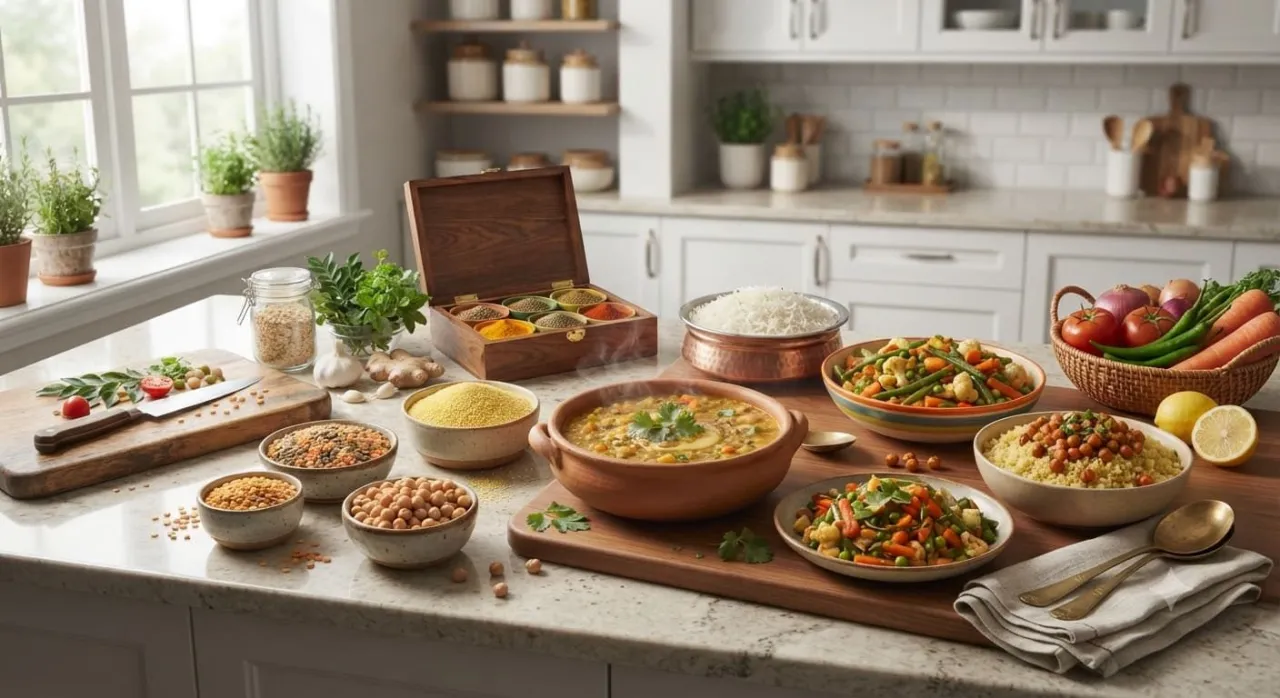
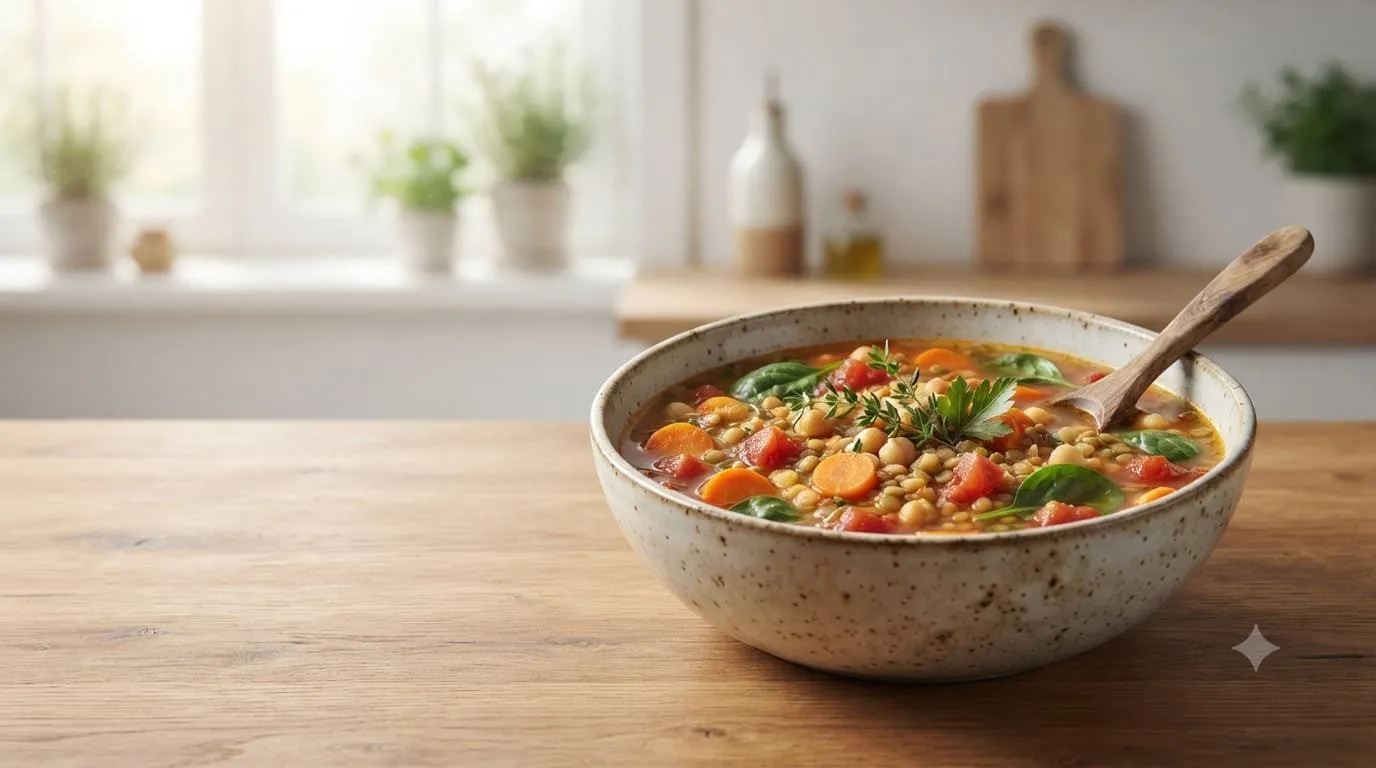
Healthy Soup Recipes: Easy, Nutritious Ideas for Everyday Meals
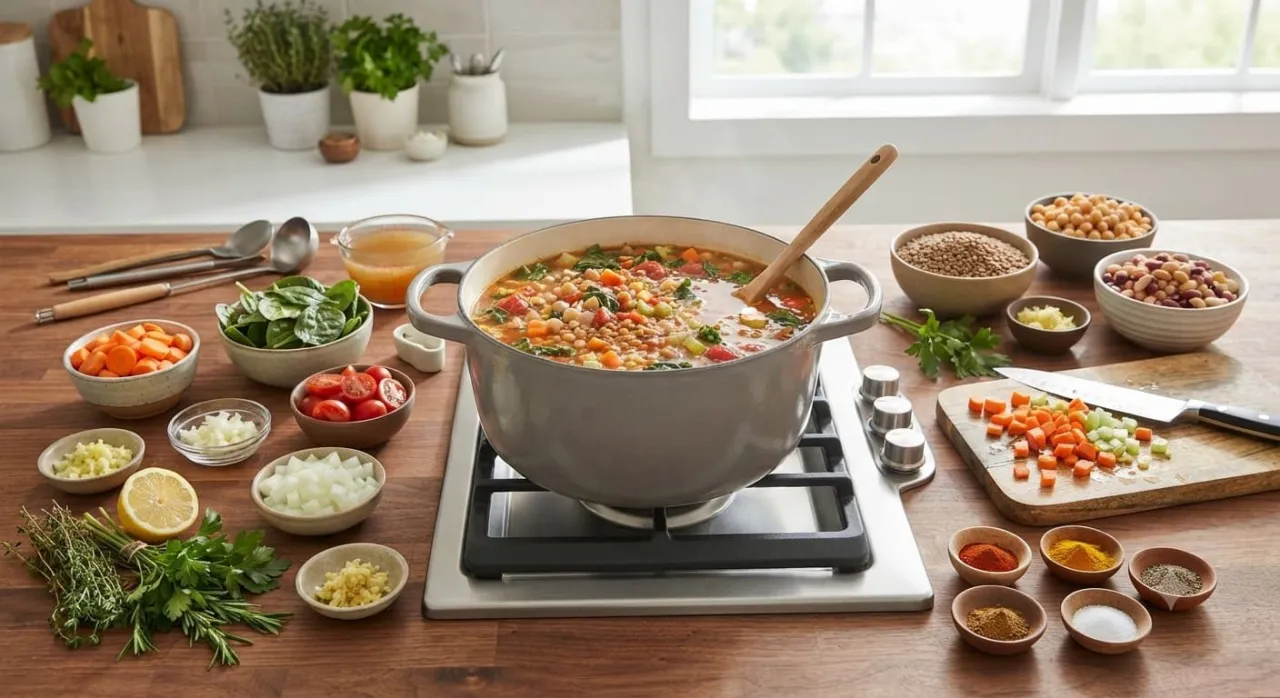
What Makes a Healthy Soup a Balanced Meal?
The best healthy soup recipes combine vegetables, a suitable source of protein, and fiber-rich ingredients to create a satisfying meal without relying heavily on rich sauces or excessive amounts of added fat. Vegetable soups, lentil soups, bean soups, and other plant-based varieties can all be balanced choices depending on individual preferences and dietary needs.
For a more complete meal, consider adding ingredients such as lentils, beans, peas, tofu, or whole grains along with a variety of vegetables. Seasonings such as herbs, spices, garlic, ginger, and lemon can add plenty of flavor without making the soup complicated.
Why Homemade Soup Can Be a Practical Choice
Making soup at home gives you more control over the ingredients, texture, seasoning, and portion size. It also makes it easier to adjust a recipe based on what you already have in the kitchen. A basic soup can be built around a few simple ingredients and then changed with different vegetables, legumes, grains, herbs, or spices.
Soup can also fit into different eating patterns. A light vegetable soup may work well as a starter, while a thicker lentil or bean soup can be served as a main meal. The key is to think about the overall combination rather than assuming that every soup is automatically balanced.
If you are planning meals for the week, soup can be especially convenient because many recipes can be prepared in larger quantities and portioned for later meals. However, ingredients and storage methods should be chosen carefully according to appropriate food-safety practices.
What Makes a Soup Healthy and Satisfying?
A well-rounded soup usually includes several types of ingredients that complement each other. Instead of focusing on one specific ingredient, consider the balance of the whole bowl.
- Vegetables: Carrots, tomatoes, spinach, cabbage, peas, cauliflower, mushrooms, and other vegetables can add variety, texture, and flavor.
- Protein sources: Lentils, chickpeas, kidney beans, peas, tofu, or other suitable ingredients can make soup more filling.
- Fiber-rich ingredients: Beans, lentils, vegetables, and whole grains can contribute to the fiber content of a meal.
- Flavor builders: Garlic, ginger, onions, herbs, and spices can make a simple soup more interesting.
- Liquid base: Water or a suitable homemade or packaged stock can provide the foundation for the soup.
- Healthy fats: Small amounts of ingredients such as seeds, nuts, or cooking oils can be used according to personal preference.
The best combination depends on the type of soup you are making. For example, a tomato and vegetable soup may be lighter, while a lentil and vegetable soup can be more substantial.
Easy Types of Healthy Soup Recipes to Try
Vegetable Soup
A simple vegetable soup is one of the easiest places to start. Use a mixture of seasonal vegetables such as carrots, beans, peas, cabbage, tomatoes, or leafy greens. You can keep the broth light or blend part of the vegetables to create a thicker texture.
This type of soup is also easy to customize. If you prefer more texture, keep the vegetables chopped. If you enjoy a smoother consistency, blend some or all of the cooked vegetables.
Lentil Soup
Lentil soup is a practical option when you want a more filling bowl. Lentils pair naturally with vegetables, tomatoes, garlic, ginger, cumin, coriander, and other seasonings.
For a simple version, cook lentils with onions, tomatoes, carrots, and spices until tender. You can leave the soup chunky or blend part of it for a thicker consistency.
Chickpea and Vegetable Soup
Chickpeas can add texture and make a vegetable soup more substantial. Combine them with tomatoes, carrots, spinach, zucchini, or other vegetables you enjoy.
A mild spice blend can give the soup a warm flavor without making the recipe complicated. This is also a good opportunity to experiment with different herbs and spices based on your taste.
Tomato Soup
Tomato soup can be made with fresh tomatoes or suitable canned tomatoes, depending on availability. For a balanced version, add onions, garlic, carrots, herbs, and spices rather than depending entirely on cream for flavor and texture.
If you want a richer mouthfeel, blending cooked vegetables can provide a naturally thicker consistency. A small amount of yogurt or another suitable topping can also be added according to personal preference.
Mixed Bean Soup
Mixed bean soup combines different beans with vegetables and seasonings. It can be a useful choice when you want a hearty meal with varied textures.
Use beans that are properly cooked and combine them with ingredients such as tomatoes, onions, carrots, celery, or leafy greens. The seasoning can be adjusted to create an Indian-inspired, Mediterranean-style, or simply mild vegetable soup.
Clear Vegetable Soup
Clear vegetable soup is a lighter option made with chopped vegetables and a simple broth. It is easy to prepare and can be adjusted based on the vegetables available in your kitchen.
For more substance, add tofu, beans, peas, or a small amount of whole grains. Fresh herbs, ginger, garlic, and a squeeze of lemon can add brightness to the final bowl.
3 Easy Healthy Soup Recipes for Beginners
Easy Vegetable Soup
Ingredients: Carrots, peas, beans, cabbage, tomatoes, onion, garlic, water or suitable stock, and your choice of herbs and spices.
Method: Sauté the onion and garlic if desired, then add the chopped vegetables and liquid. Simmer until the vegetables are tender. Season gradually and serve chunky, or blend part of the soup for a thicker texture.
This flexible recipe is a good way to use seasonal vegetables and can be adjusted according to what you already have at home.
Simple Lentil and Vegetable Soup
Ingredients: Lentils, onion, tomato, carrot, garlic, ginger, cumin, coriander, water or suitable stock, and optional leafy greens.
Method: Rinse the lentils and cook them with the vegetables, seasonings, and liquid until tender. Add leafy greens toward the end if using. Keep the soup chunky or blend part of it for a thicker consistency.
This is a practical option when you want a more substantial soup built around legumes and vegetables.
Chickpea Tomato Soup
Ingredients: Cooked chickpeas, tomatoes, onion, carrot, garlic, spinach or another leafy green, water or suitable stock, and mild herbs or spices.
Method: Cook the onion, garlic, and carrot until softened. Add tomatoes, chickpeas, and liquid, then simmer until the flavors come together. Add leafy greens near the end and adjust the seasoning before serving.
You can keep this soup chunky or blend a portion of the chickpeas and vegetables to create a thicker texture.
How to Build a Balanced Bowl of Soup
When creating your own healthy soup recipes, think of the bowl as a combination of components rather than following a strict formula.
- Choose a vegetable base: Start with two or more vegetables that complement each other.
- Add a protein source: Consider lentils, beans, chickpeas, peas, tofu, or another suitable ingredient.
- Select a texture: Decide whether you want a clear broth, chunky soup, or smooth blended soup.
- Build flavor: Use onions, garlic, ginger, herbs, spices, or other seasonings that suit the recipe.
- Adjust the consistency: Add more liquid for a lighter soup or blend some ingredients for a thicker texture.
- Taste before serving: Check the seasoning and adjust gradually instead of adding a large amount at once.
This approach makes it easier to create different soups without needing a completely new recipe every time.
Healthy Soup Recipes Compared: Which Type May Suit You?
| Soup Type | Main Ingredients | Texture | Best For |
|---|---|---|---|
| Vegetable Soup | Mixed vegetables and broth | Chunky or lightly blended | A simple everyday meal or starter |
| Lentil Soup | Lentils, vegetables, herbs, and spices | Thick or chunky | A more filling plant-based meal |
| Chickpea Soup | Chickpeas, vegetables, and tomatoes | Chunky | A hearty and flavorful option |
| Tomato Soup | Tomatoes, onions, herbs, and vegetables | Smooth or chunky | A light and comforting meal |
| Clear Vegetable Soup | Vegetables and light broth | Clear and light | A simple, lighter option |
| Mixed Bean Soup | Beans, vegetables, and seasonings | Hearty and chunky | A substantial meal with varied textures |
How to Add More Flavor Without Making Soup Complicated
Good soup does not need a long ingredient list. A few well-chosen seasonings can make a noticeable difference.
Start with a base of onions, garlic, or ginger when appropriate. Then add herbs and spices that match the main ingredients. For example, cumin can work well with lentils and chickpeas, while basil and oregano can complement tomato-based soups.
If you enjoy experimenting with seasonings, learning about different types of spices and how they transform food can help you understand which flavors work well together.
You can also explore simple ways to use spices in everyday cooking to become more comfortable with seasoning homemade meals.
Another useful approach is to think about flavor balance. A small amount of lemon juice can add freshness to some soups, while fresh herbs can provide a lighter finishing note. The goal is to enhance the main ingredients rather than overpower them.
Simple Ways to Make Soup More Filling
If a vegetable soup feels too light to serve as a main meal, consider adding one or more substantial ingredients. Lentils, beans, chickpeas, peas, tofu, or whole grains can change the character of the soup without requiring a completely different cooking method.
You can also serve soup with a suitable side dish. Depending on your meal preferences, a small portion of whole-grain bread, roti, or another balanced accompaniment may make the meal more satisfying.
For more meal inspiration, you can also explore these healthy dinner ideas and adapt the general meal-planning principles to your own preferences.
When choosing ingredients, you may also find it useful to include more high-fiber foods in everyday meals. A variety of vegetables, legumes, and whole grains can be incorporated into soups and other dishes in practical ways.
Practical Tips for Better Homemade Soup
- Use seasonal vegetables: They can make it easier to vary your soup throughout the year.
- Do not overcook every ingredient: Adding vegetables at different stages can help maintain varied textures.
- Season gradually: Taste the soup as it cooks and adjust the seasoning in small amounts.
- Blend strategically: Blending only part of a soup can create a creamy texture while keeping some ingredients whole.
- Use leftovers thoughtfully: Cooked vegetables, beans, or grains can sometimes be incorporated into a new soup.
- Try different spice combinations: The same basic vegetable soup can taste completely different with different herbs and spices.
- Keep portions practical: Serve an amount that suits your appetite and the rest of your meal.
If you are interested in improving your overall cooking habits, these healthy cooking tips can also help you make everyday meals more balanced and practical.
Common Mistakes to Avoid When Making Healthy Soup
Using Too Much Salt Without Tasting
Adding salt early and repeatedly can make it difficult to judge the final flavor. Season gradually and taste the soup before serving.
Adding Too Many Ingredients
A soup with too many competing flavors can become confusing. Start with a few ingredients that naturally work together and build from there.
Making Every Soup Too Thin
A very watery soup may feel less satisfying as a main meal. If you want a heartier bowl, consider adding lentils, beans, chickpeas, tofu, or suitable grains.
Overcooking Vegetables
Cooking everything for the same amount of time can result in vegetables with a uniform, soft texture. Add delicate ingredients later when appropriate.
Depending Too Much on Cream or Rich Additions
Creamy soup can be enjoyable, but you do not always need heavy ingredients to create a smooth texture. Blended vegetables, lentils, or beans can provide body while keeping the recipe centered on whole ingredients.
Ignoring Food Storage and Reheating
Homemade soup should be handled and stored according to appropriate food-safety practices. Cool and refrigerate leftovers promptly, use suitable containers, and reheat thoroughly before serving.
Beginner-Friendly Healthy Soup Checklist
- Choose at least two vegetables for variety.
- Decide whether the soup is a starter or a complete meal.
- Add a suitable protein source if you want a more filling bowl.
- Use herbs and spices to build flavor naturally.
- Taste before adding extra salt or seasoning.
- Adjust the texture to your preference by keeping ingredients chunky or blending them.
- Consider adding legumes or whole grains when you want more substance.
- Use ingredients that are fresh and suitable for the recipe.
- Store leftovers safely and reheat them properly.
- Choose portions that match your appetite and overall meal.
How to Pair Spices With Different Soup Ingredients
Spices can make simple soup recipes more interesting, but the best combination depends on the ingredients and the flavor you want. Earthy spices such as cumin and coriander can complement lentils and chickpeas, while herbs such as basil and oregano often work well with tomato-based soups.
If you want to understand flavor combinations more deeply, this guide on pairing spices with different foods can help you choose seasonings more confidently.
It is also useful to keep a small selection of versatile spices available. A guide to essential kitchen spices for everyday cooking can help beginners build a practical pantry without buying a large number of ingredients at once.
Can Soup Be Part of a Healthy Everyday Meal Plan?
Yes, soup can be part of an everyday meal plan when the ingredients and portion are suitable for your individual needs. A vegetable-based soup may work well as a starter, while a soup containing lentils, beans, chickpeas, or other protein-rich ingredients can be used as a more substantial meal.
The most practical approach is to look at the entire meal. Consider what the soup contains, what you are serving alongside it, and how satisfying the combination is for you. There is no single soup recipe that is ideal for everyone.
For readers looking for more everyday Indian meal ideas, exploring gut-friendly Indian recipes can provide additional meal inspiration using familiar ingredients and cooking styles.
Disclaimer: Healthy soup recipes can be part of a varied diet, but individual nutritional needs differ. If you have a specific medical condition, food allergy, dietary restriction, or medically advised eating plan, choose ingredients and portions according to guidance from a qualified healthcare professional.
Reminder: The healthiest soup choice is not necessarily the one with the fewest ingredients or the lightest texture. Focus on a practical balance of vegetables, protein sources, fiber-rich ingredients, and enjoyable flavors, and choose recipes that fit your personal preferences and everyday routine.
Final Thoughts on Healthy Soup Recipes
Healthy soup recipes can be simple, flexible, and suitable for many different eating preferences. From a light vegetable soup to a hearty lentil or bean-based bowl, the most useful approach is to combine ingredients that provide variety, satisfying texture, and good flavor.
Start with familiar vegetables, add a suitable protein source when needed, and use herbs and spices to create different flavor profiles. Once you understand the basic structure of soup, you can adapt recipes based on seasonal ingredients, leftovers, and your own taste.
Most importantly, keep your cooking practical. A simple homemade soup that you enjoy and can prepare regularly may be more useful than a complicated recipe that rarely fits into your routine.
Frequently Asked Questions
What is a good healthy soup for beginners?
A basic vegetable soup is a good starting point because it requires simple ingredients and is easy to customize. Once you are comfortable with the process, you can try lentil, chickpea, bean, or blended soups.
How can I make vegetable soup more filling?
Add ingredients such as lentils, beans, chickpeas, peas, tofu, or suitable whole grains. These additions can make a vegetable-based soup more substantial and turn it into a more complete meal.
Can I use frozen vegetables in healthy soup recipes?
Yes. Frozen vegetables can be a practical option when fresh produce is unavailable or inconvenient. Choose vegetables that suit the recipe and adjust the cooking time according to their texture.
How can I make soup creamy without using much cream?
You can blend cooked vegetables, lentils, beans, or other suitable ingredients to create a thicker and smoother texture. Blending only part of the soup can also give you a creamy consistency while keeping some vegetables whole.
What spices go well in healthy soup recipes?
The best spices depend on the type of soup. Cumin and coriander can complement lentil and chickpea soups, while herbs such as basil and oregano often suit tomato-based recipes. Ginger, garlic, and mild spice blends can also work well with many vegetable soups.
Was this article helpful?
Share your feedback — select a reaction.
Are you satisfied with these answers?
If you'd like to ask something else, you can post your question here.
Comments (0)
Comments are reviewed before they appear.
Loading comments…
More Blogs
Easy One-Pot Meals: Simple Recipes for Busy Days
Healthy Salad Recipes: Easy, Fresh, and Balanced Ideas for Everyday Meals
Protein-Rich Snack Recipes: Easy and Healthy Ideas for Everyday Eating
Weekly Indian Meal Plan: A Simple 7-Day Guide for Everyday Cooking