Family-Friendly Healthy Recipes for Easy Everyday Meals
What Are the Best Family-Friendly Healthy Recipes for Everyday Meals?
The best family-friendly healthy recipes are simple, balanced, and flexible enough to suit different preferences at the same table. They can include a mix of vegetables, fruits, whole grains, pulses, beans, dairy or suitable alternatives, and other protein-rich ingredients, depending on individual needs. Easy one-pot meals, soups, salads, homemade snacks, and familiar main dishes can all fit into a practical family menu. The goal is not to make every meal perfect, but to build a varied routine with ingredients that your family enjoys and cooking methods that are realistic for your schedule.
How to Build Family-Friendly Healthy Meals Everyone Can Enjoy
Cooking for a family can be challenging because preferences, appetites, schedules, and dietary needs often differ. A meal that one person enjoys may not appeal to another. Instead of preparing completely separate dishes, it can be more practical to create meals with flexible components.
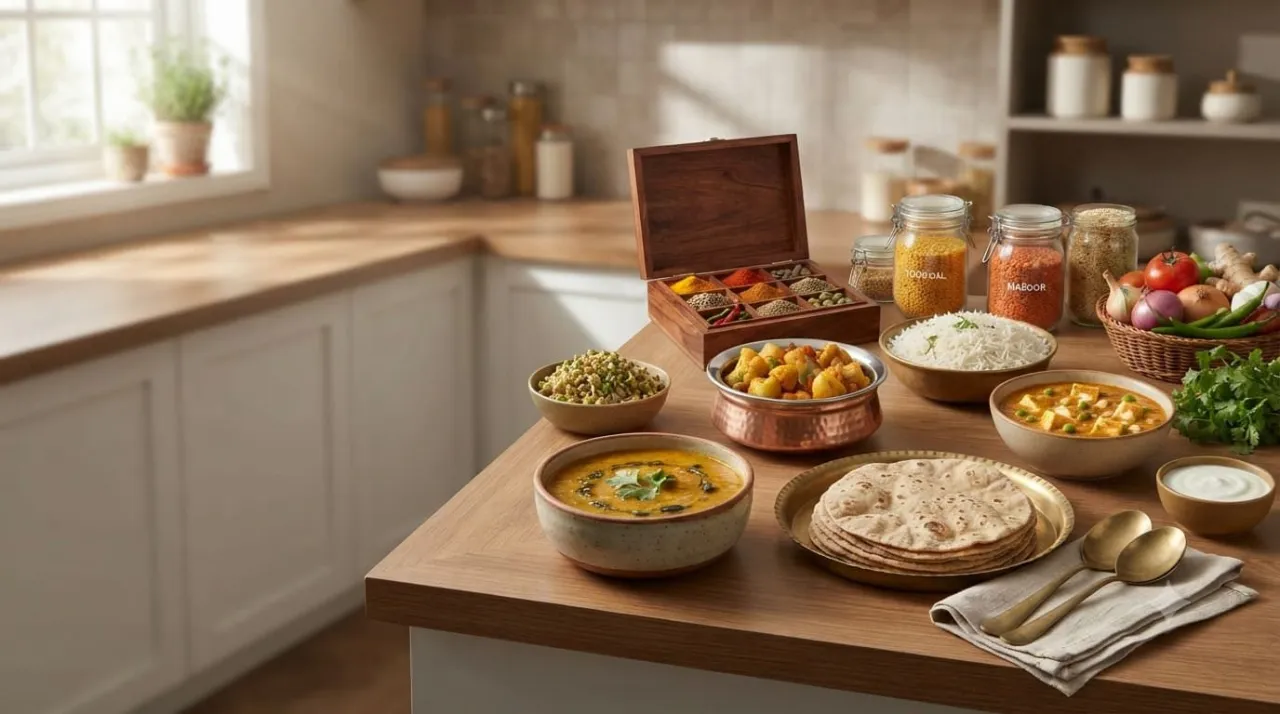
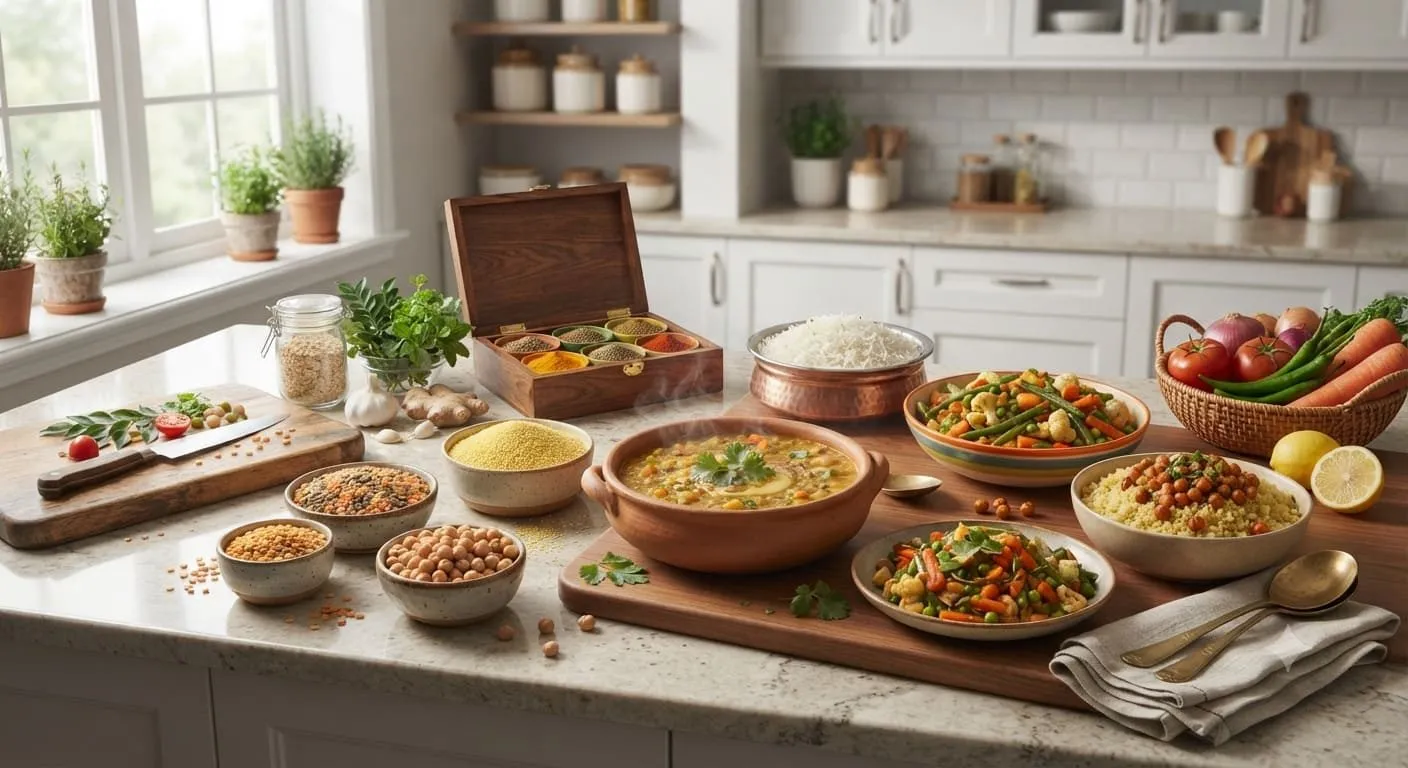
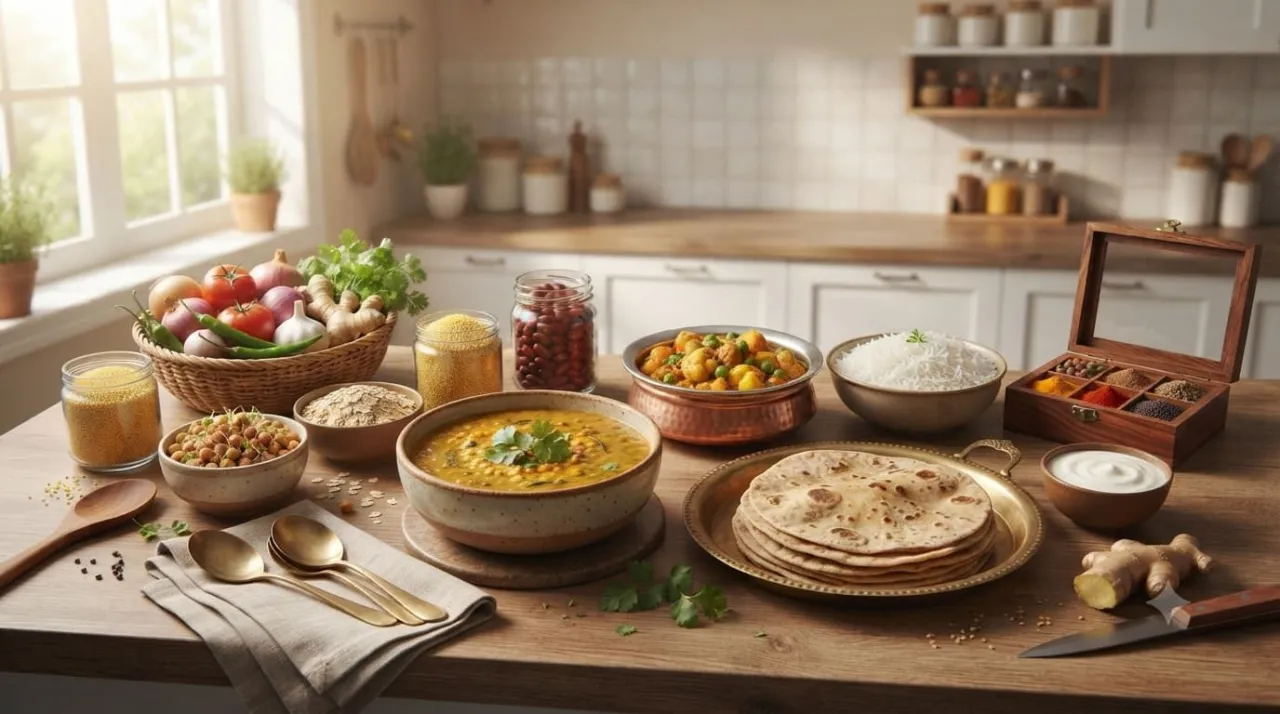
For example, a simple rice or grain bowl can be served with cooked vegetables, dal, beans, yogurt, and mild seasoning. Family members can then adjust portions or add toppings according to their preferences. This approach keeps the main meal similar while allowing small changes at the table.
Another useful strategy is to start with familiar foods and gradually introduce variety. If children or adults are hesitant about a new vegetable, combine it with ingredients they already enjoy rather than making the entire meal unfamiliar.
For everyday planning, variety matters more than complicated recipes. Rotating different vegetables, grains, legumes, and protein sources can make meals more interesting without requiring a completely new cooking method every day.
Simple Types of Family-Friendly Healthy Recipes to Try
A practical family menu does not need dozens of complicated recipes. A small collection of reliable meal types can provide enough variety for most weeks.
One-Pot Meals
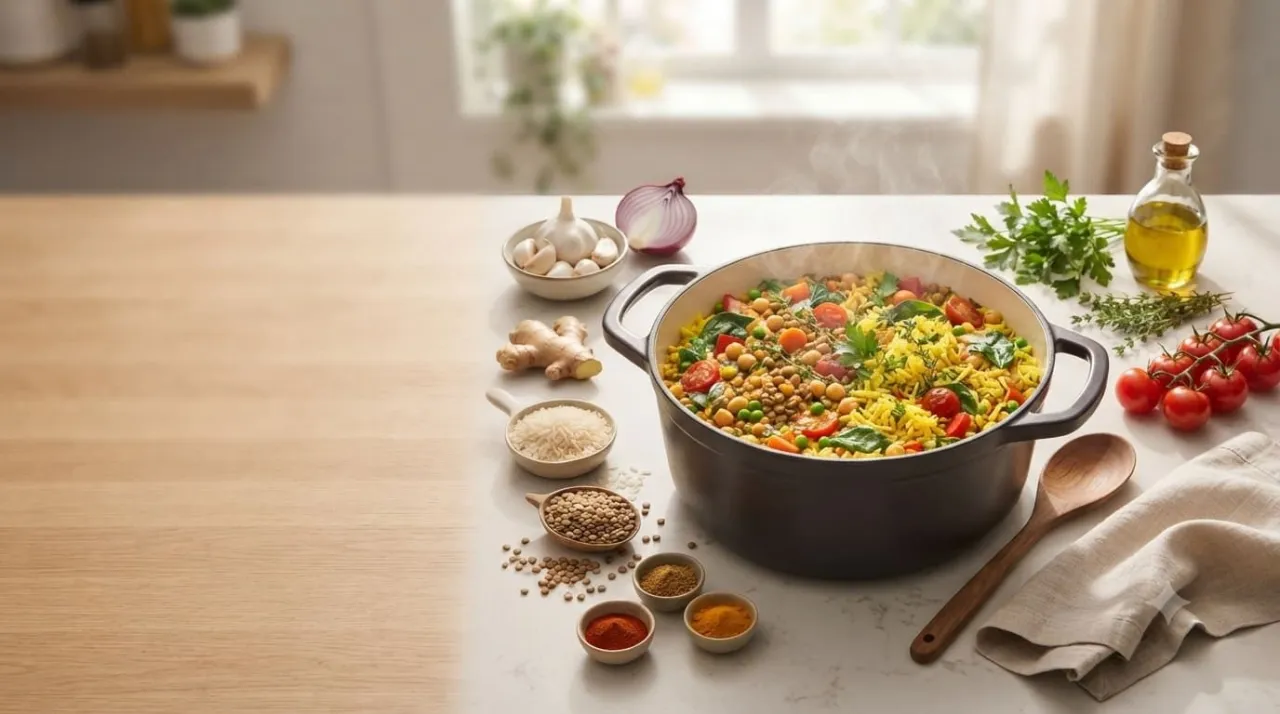
One-pot meals are useful when you want to simplify cooking and cleanup. Rice and lentil combinations, vegetable pulao, khichdi-style dishes, and vegetable-based grain meals can be adapted with different ingredients.
For more ideas, explore these easy one-pot meals for simple cooking options that can work well on busy days.
Soups and Light Meals
Soups can be a flexible option for family meals, especially when prepared with vegetables, lentils, beans, or other filling ingredients. A simple soup can be served with whole-grain bread, roti, or another suitable side to create a more complete meal.
For additional ideas, see these healthy soup recipes that offer practical ways to include different vegetables and ingredients.
Salads and Fresh Side Dishes
Salads do not have to be limited to plain raw vegetables. You can combine fresh produce with cooked grains, beans, lentils, herbs, seeds, or other ingredients to create more substantial options.
These healthy salad recipes can provide inspiration for adding more variety to family meals while keeping preparation simple.
Lunch Box-Friendly Meals
Family meals can also be adapted for school or work lunch boxes. Simple wraps, vegetable sandwiches, rice dishes, homemade snacks, and suitable leftovers can make packing meals easier.
If you regularly prepare packed meals, these healthy lunch box ideas can help you plan practical options for different days.
How to Make Healthy Family Meals More Appealing
A meal is more likely to become part of a regular routine when people actually enjoy eating it. Taste, texture, appearance, and familiarity can all influence food preferences.
One simple approach is to keep the base of the meal familiar while changing one element at a time. For example, you might serve a familiar rice dish with a new vegetable side or introduce a different lentil preparation alongside a commonly enjoyed curry.
Texture can also make a difference. Some people prefer soft cooked vegetables, while others enjoy lightly cooked or crunchy textures. Offering vegetables in different forms can help family members discover preparations they prefer.
Seasoning is another important factor. Mild herbs and spices can add flavor without making a meal overly complicated. If your family enjoys Indian-style cooking, you can learn more about essential kitchen spices every home should have and use them according to personal taste.
For more focused ideas on combining flavors, explore how to pair spices with different foods. Understanding basic flavor combinations can make everyday cooking more interesting without relying on heavy sauces or complicated techniques.
Practical Ingredients for Family-Friendly Healthy Recipes
Keeping a useful selection of basic ingredients at home can make meal planning much easier. The exact ingredients will depend on your family's preferences and dietary needs, but a flexible pantry often includes several categories.
- Vegetables: Choose a mix of fresh or frozen vegetables that your family regularly enjoys.
- Fruits: Keep a variety of seasonal or convenient fruits available for snacks and meals.
- Whole grains: Rice, oats, whole-wheat flour, and other grains can provide different meal options.
- Pulses and legumes: Lentils, beans, and chickpeas are versatile ingredients for many dishes.
- Protein-rich foods: Include suitable options such as dairy foods, tofu, paneer, beans, lentils, eggs where appropriate, or other preferred sources.
- Flavor ingredients: Herbs, spices, lemon, ginger, garlic, and other everyday ingredients can add variety to simple dishes.
The aim is not to buy every ingredient at once. Instead, choose foods that can be combined across several meals. For example, cooked lentils might be used in a curry one day and incorporated into a soup or grain bowl later in the week.
Family Meal Ideas by Meal Type
| Meal | Simple Options | Flexible Additions |
|---|---|---|
| Breakfast | Vegetable poha, oats, idli, dosa, or whole-grain toast | Fruit, yogurt, vegetables, or suitable protein-rich foods |
| Lunch | Dal with rice or roti, vegetable curry, grain bowls | Salad, yogurt, beans, or seasonal vegetables |
| Snack | Fruit, roasted legumes, homemade snack mixes | Yogurt, nuts, seeds, or other suitable additions |
| Dinner | Vegetable soup, khichdi-style meals, roti with vegetables | Dal, beans, salad, or another suitable side |
This type of meal structure provides a starting point rather than a strict menu. Families can adjust ingredients and portions according to age, appetite, cultural preferences, dietary requirements, and daily schedules.
How to Plan Family-Friendly Healthy Recipes for a Busy Week
Meal planning becomes easier when you think in terms of components rather than completely different recipes for every meal.
- Choose a few main meal bases. Select options such as rice, roti, whole grains, or other familiar staples.
- Plan several vegetable choices. Rotate fresh, cooked, roasted, or lightly seasoned vegetables throughout the week.
- Add flexible protein sources. Include pulses, beans, dairy foods, tofu, paneer, eggs where suitable, or other preferred options.
- Prepare a few ingredients in advance. Washing vegetables, cooking grains, or preparing basic sauces can reduce weekday effort.
- Use leftovers thoughtfully. Extra cooked vegetables or grains can often become part of another meal.
- Keep easy backup meals available. A simple soup, dal, one-pot dish, or vegetable meal can be useful when plans change.
Planning this way can reduce the pressure to cook an entirely new dish every day. It also makes it easier to adjust meals when family members have different schedules.
How to Adapt Family Meals for Different Preferences
One of the biggest advantages of flexible cooking is that the same basic meal can often be adapted without creating several separate dishes.
If someone prefers mild flavors, keep the main dish lightly seasoned and provide stronger condiments or spices separately. If someone prefers more vegetables, add an extra vegetable side rather than changing the entire meal.
For children, smaller portions and familiar presentations may feel more approachable. For adults, the same meal can be served with additional vegetables, salads, or other suitable sides.
It can also be helpful to let family members participate in simple food decisions. Asking whether they prefer rice or roti, cooked vegetables or salad, or one fruit over another can make meal planning more collaborative.
Cooking Methods That Work Well for Everyday Family Meals
Cooking methods can affect preparation time, texture, and the amount of added fat used. There is no single best method for every dish, so choosing a practical technique for the ingredient is often the most useful approach.
- Steaming: Useful for vegetables and certain grain-based dishes while keeping preparation simple.
- Pressure cooking: Convenient for lentils, beans, grains, and some one-pot meals.
- Stir-frying: A quick option for vegetables when prepared with a suitable amount of cooking oil.
- Roasting: Can add a different texture and flavor to vegetables and other ingredients.
- Simmering: Suitable for soups, dals, curries, and other dishes that benefit from gentle cooking.
Using different methods throughout the week can also prevent meals from becoming repetitive. The same vegetable may taste quite different when steamed, roasted, or cooked into a curry.
Common Mistakes to Avoid When Preparing Healthy Family Meals
Trying to Make Every Meal Perfect
Family cooking is easier when meals are practical rather than overly complicated. A simple homemade meal can still be a useful choice even if it does not contain every possible food group in one sitting.
Making Separate Meals for Everyone
Constantly preparing different meals can make cooking exhausting. When possible, start with one flexible base meal and allow small adjustments for individual preferences.
Ignoring Flavor
Healthy cooking does not have to mean bland cooking. Herbs, spices, citrus, garlic, ginger, and other flavor ingredients can make simple meals more enjoyable.
Using the Same Ingredients Repeatedly
Even nutritious ingredients can become boring when served in the same way. Rotate cooking methods and combine ingredients differently to create variety.
Planning Too Many Complicated Recipes
A meal plan filled with elaborate recipes may be difficult to maintain. Include quick meals and suitable leftovers alongside more involved dishes so the routine remains realistic.
Beginner-Friendly Checklist for Family-Friendly Healthy Recipes
- Choose meals that your family already enjoys as a starting point.
- Include a variety of vegetables and fruits across the week.
- Rotate different grains, pulses, beans, and other suitable protein sources.
- Keep several quick meal options available for busy days.
- Use herbs and spices to add variety and flavor.
- Plan leftovers so extra food can be used efficiently.
- Adjust meals for allergies, intolerances, dietary preferences, and individual needs.
- Keep portions flexible rather than expecting everyone to eat the same amount.
- Introduce unfamiliar ingredients gradually alongside familiar foods.
- Choose cooking methods that fit your available time and kitchen routine.
How to Keep Family Meals Varied Without Making Cooking Complicated
Variety does not require a completely different recipe every day. You can create a flexible rotation by changing one part of a meal at a time.
For example, serve dal with rice one day, then use a similar combination with roti and a different vegetable the next. A cooked vegetable can be served as a side, added to a wrap, or combined with grains in another meal.
Similarly, a simple soup can become more filling with lentils or beans, while a salad can be adjusted with grains, legumes, or other suitable ingredients. This approach allows a small collection of ingredients to support many different meals.
Seasonal ingredients can also bring natural variety. Choosing produce that is readily available in your area can make shopping and meal planning more straightforward while giving you opportunities to try different foods throughout the year.
Disclaimer: These meal ideas are general food-planning suggestions, not individualized nutrition advice. Families with specific allergies, food intolerances, medical conditions, or special dietary requirements should choose ingredients and portions according to their individual needs and seek professional guidance when appropriate.
Reminder: A family-friendly healthy meal plan should be realistic enough to follow regularly. Focus on variety, enjoyable flavors, practical preparation, and gradual improvements rather than trying to change every eating habit at once.
Final Thoughts on Family-Friendly Healthy Recipes
Family-friendly healthy recipes are most useful when they fit naturally into everyday life. Simple meals made with familiar ingredients can provide a strong foundation, while small changes in vegetables, grains, protein sources, cooking methods, and seasonings can keep the menu interesting.
The most practical approach is to build a flexible collection of meals that your family enjoys and can prepare without unnecessary stress. Use one-pot dishes, soups, salads, lunch box ideas, and adaptable main meals to create variety without making cooking complicated.
Over time, a balanced family food routine can develop through small, consistent choices. The goal is not perfection but a realistic approach that makes home cooking enjoyable, varied, and easier to manage for everyone at the table.
Frequently Asked Questions
What makes a recipe family-friendly?
A family-friendly recipe is generally easy to prepare, uses familiar ingredients, and can be adjusted for different tastes or preferences. Flexible seasoning and optional toppings can make one meal suitable for several people.
How can I make healthy meals that children will enjoy?
Start with foods they already like and introduce new ingredients gradually. Familiar textures, simple presentation, and allowing children to choose between a few suitable options can make mealtimes more approachable.
Can family meals be healthy without taking a lot of time?
Yes. Simple one-pot dishes, leftovers, prepared ingredients, soups, and quick vegetable meals can reduce cooking time. Planning a few basic components in advance can also make busy days easier.
How can I add more variety to family meals?
Rotate vegetables, grains, pulses, beans, and other suitable protein sources. You can also change cooking methods or seasonings while keeping the main ingredients familiar.
How do I plan meals when family members have different food preferences?
Use a flexible base meal and offer optional sides or additions. This allows family members to adjust flavors, portions, or ingredients without requiring a completely separate meal for each person.
Was this article helpful?
Share your feedback — select a reaction.
Are you satisfied with these answers?
If you'd like to ask something else, you can post your question here.
Comments (0)
Comments are reviewed before they appear.
Loading comments…
More Blogs
Easy One-Pot Meals: Simple Recipes for Busy Days
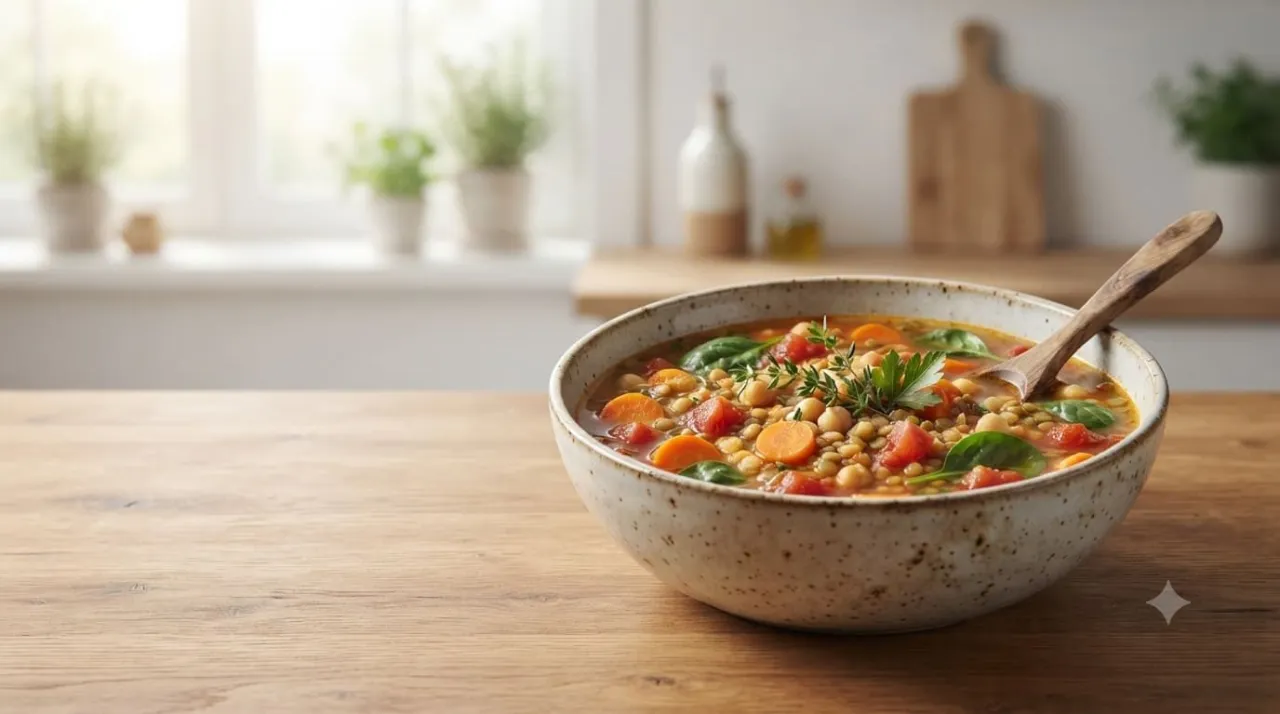
Healthy Soup Recipes: Easy, Nutritious Ideas for Everyday Meals
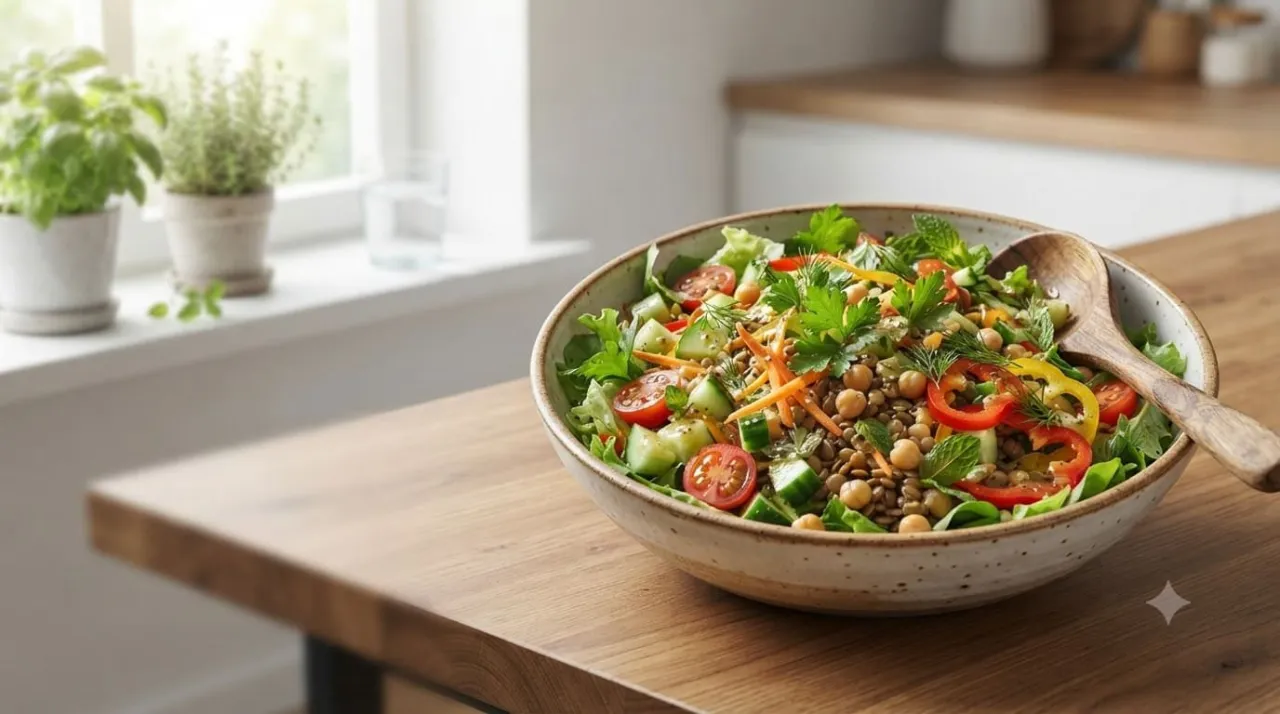
Healthy Salad Recipes: Easy, Fresh, and Balanced Ideas for Everyday Meals
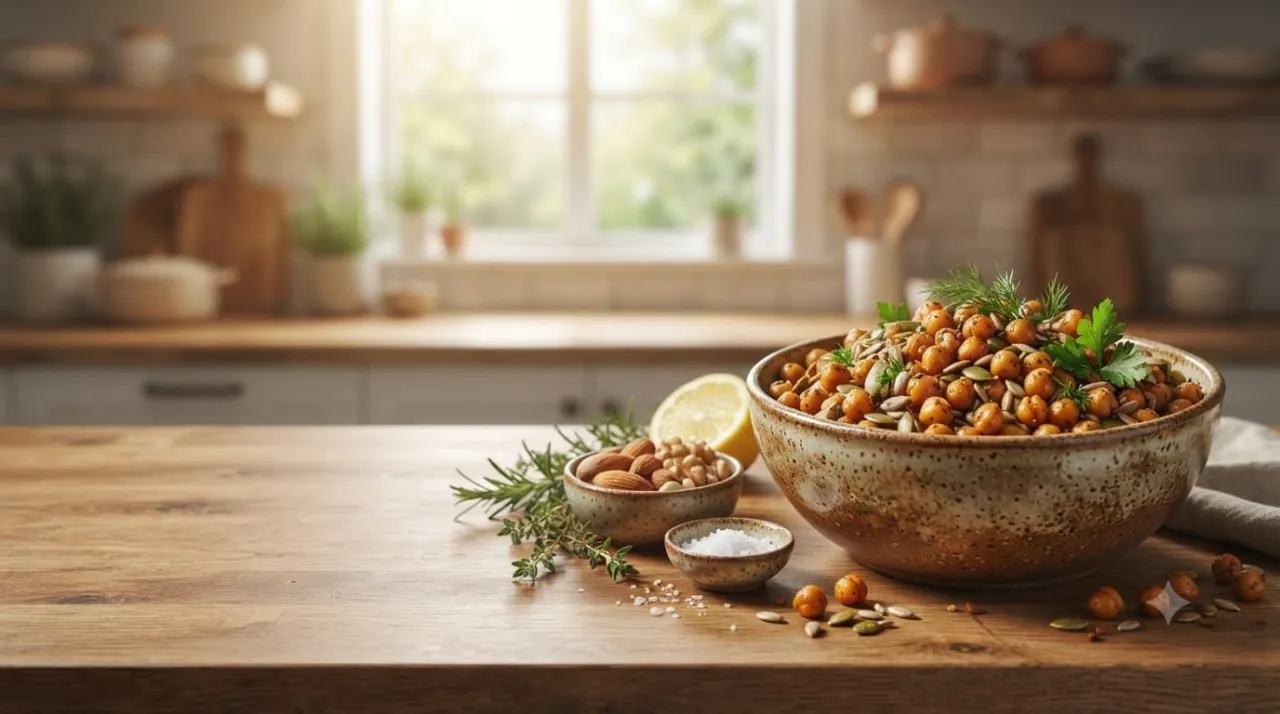
Protein-Rich Snack Recipes: Easy and Healthy Ideas for Everyday Eating