Easy One-Pot Meals: Simple Recipes for Busy Days
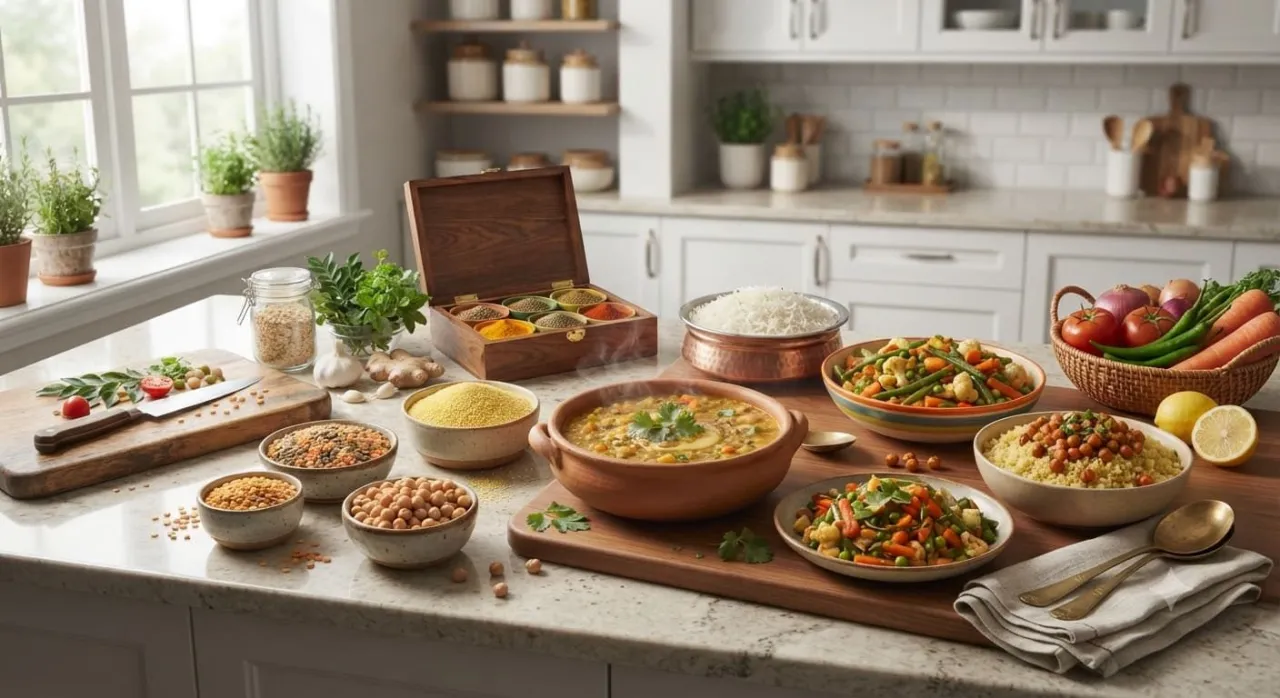
From rice and pasta to lentils, beans, vegetables, and other everyday ingredients, there are many ways to create simple meals without using multiple cooking vessels. With a little planning and an understanding of cooking times, easy one-pot meals can become a convenient part of your regular cooking routine.
What Are the Best Easy One-Pot Meals for Beginners?
The best easy one-pot meals for beginners are simple dishes that combine a protein, vegetables, and a filling ingredient such as rice, pasta, potatoes, or beans in one cooking vessel. Good choices include one-pot chicken and rice, vegetable pasta, lentil curry, bean chili, and simple rice bowls.
These meals are beginner-friendly because they usually require basic preparation, familiar cooking methods, and minimal cleanup. Start with recipes that use ingredients you already enjoy, then adjust seasonings and cooking times as you gain confidence.
One-pot meals are also flexible, making them useful for busy weeknights and casual family cooking. The key is to choose ingredients that work well together and understand when each one should be added.
Why Are One-Pot Meals So Practical?
Cooking a complete meal in one pot is mainly about convenience. Instead of preparing several separate dishes, you can often cook multiple ingredients together while building flavor along the way.
The biggest advantage is reduced cleanup. Fewer cooking vessels mean fewer dishes to wash after the meal. This can make home cooking feel more manageable, especially on busy days.
One-pot meals can also make meal planning easier. A single recipe may combine several food groups, so you can create a satisfying meal without preparing multiple complicated side dishes. For more inspiration, you can also explore healthy dinner ideas for weight loss and adapt suitable dishes to your preferences.
Another benefit is flexibility. Many one-pot recipes can be adjusted according to what you have available. Vegetables can often be swapped, grains can be changed, and seasonings can be modified to create a different flavor profile.
What Ingredients Work Well in One-Pot Cooking?
The best ingredients for one-pot meals are those that cook well together and can absorb or complement the flavors of the other ingredients. A useful starting point is to think in categories rather than following a rigid ingredient list.
- Protein: Chicken, eggs, lentils, beans, chickpeas, tofu, and other suitable protein sources can form the main part of the meal.
- Vegetables: Carrots, peas, spinach, bell peppers, tomatoes, onions, cauliflower, and zucchini are versatile choices.
- Carbohydrates: Rice, pasta, potatoes, quinoa, and other grains can make the meal more filling.
- Flavor builders: Onion, garlic, ginger, herbs, spices, and simple sauces can add depth without requiring complicated techniques.
- Cooking liquids: Water, broth, tomato-based liquids, or suitable sauces help cook grains and pasta while bringing ingredients together.
For beginners, it is often easier to choose ingredients with similar cooking requirements. Ingredients that take much longer to cook may need to be added earlier, while quick-cooking vegetables and leafy greens are usually better added later.
Simple Types of One-Pot Meals to Try
There is no single style of one-pot cooking. You can choose a meal based on your preferred ingredients, available time, and the type of texture you enjoy.
One-Pot Rice Meals
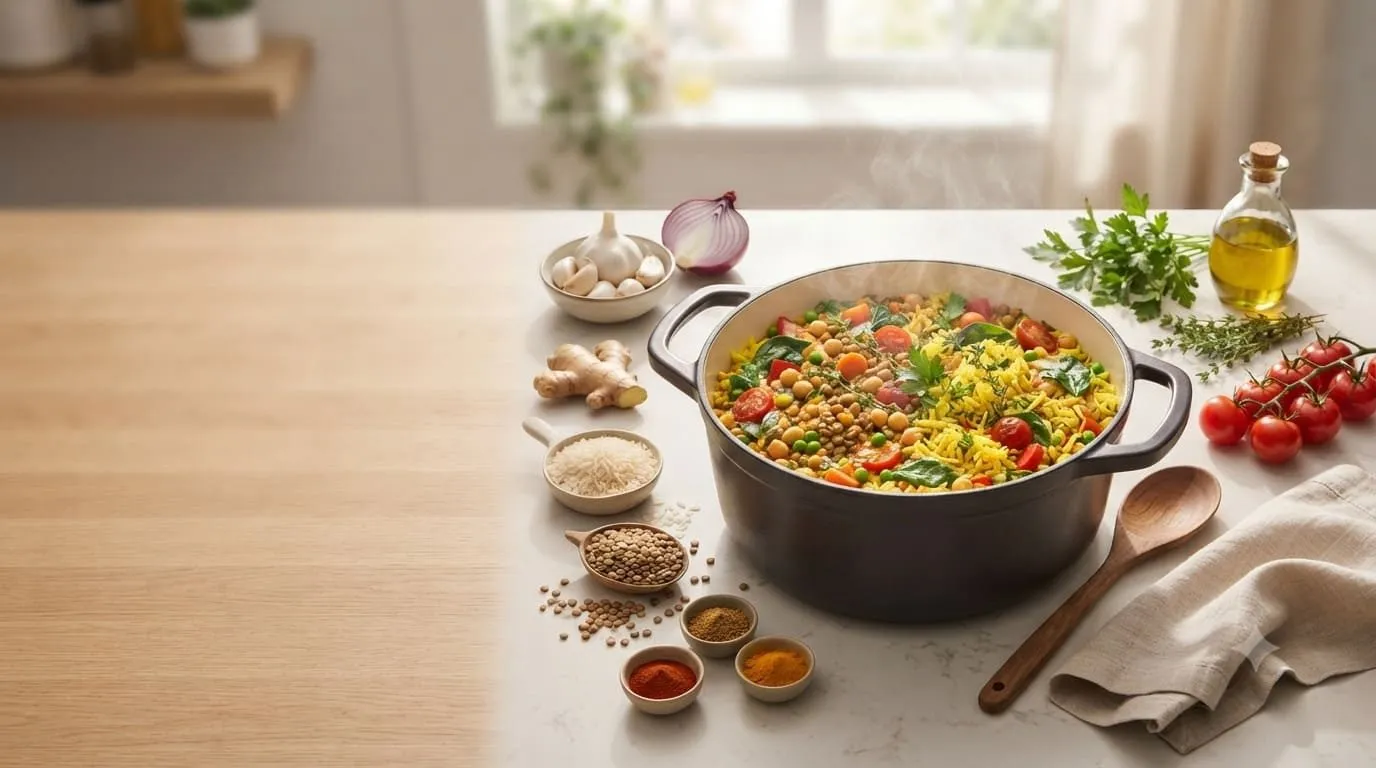
Rice-based dishes are among the easiest options to customize. You can combine rice with vegetables, beans, lentils, chicken, or other ingredients and cook everything together with an appropriate amount of liquid.
Rice dishes are especially useful when you want a filling meal with relatively simple preparation. Seasonings can be changed to create different styles, from mild and herby to warm and spiced.
One-Pot Pasta
One-pot pasta recipes typically cook pasta directly with vegetables, sauces, and other ingredients. The starch released by the pasta can help create a thicker sauce, depending on the recipe.
Because pasta absorbs liquid as it cooks, the amount of cooking liquid matters. Beginners should follow the recipe carefully at first and adjust based on the pasta type being used.
One-Pot Lentil and Bean Meals
Lentils and beans are useful ingredients for hearty one-pot meals. They pair well with vegetables, tomatoes, herbs, and spices and can be used in soups, stews, curries, and chili-style dishes.
If using canned beans, rinse and drain them when appropriate. If using dried lentils or beans, pay attention to their preparation and cooking requirements, as different varieties can take different amounts of time.
One-Pot Vegetable Meals
Vegetable-based dishes can be simple, colorful, and adaptable. You can combine seasonal vegetables with rice, pasta, potatoes, or grains to create a satisfying meal.
If you are planning meals in advance, you can also explore these meal prep ideas for a healthy week to organize your cooking schedule more efficiently.
How Do You Build a Balanced One-Pot Meal?
A simple way to plan a one-pot meal is to combine a protein source, vegetables, and a suitable carbohydrate or grain. You can then add flavor with aromatics, herbs, spices, or a sauce that complements the main ingredients.
| Meal Component | Examples | Beginner Tip |
|---|---|---|
| Protein | Chicken, lentils, beans, chickpeas, tofu, eggs | Choose an option that matches the cooking time of the other ingredients. |
| Vegetables | Carrots, peas, spinach, tomatoes, peppers | Add firm vegetables earlier and quick-cooking vegetables later. |
| Carbohydrate | Rice, pasta, potatoes, quinoa | Check the liquid and cooking time required for the specific ingredient. |
| Flavor | Garlic, ginger, herbs, spices, tomato sauce | Start with moderate seasoning and adjust after tasting. |
| Liquid | Water, broth, tomato-based liquids | Use enough to cook the main ingredients without making the dish overly watery. |
The exact combination depends on your preferences. For inspiration beyond one-pot dishes, you can explore balanced Indian meal ideas and use similar ingredient combinations in a one-pot format.
How to Make an Easy One-Pot Meal Step by Step
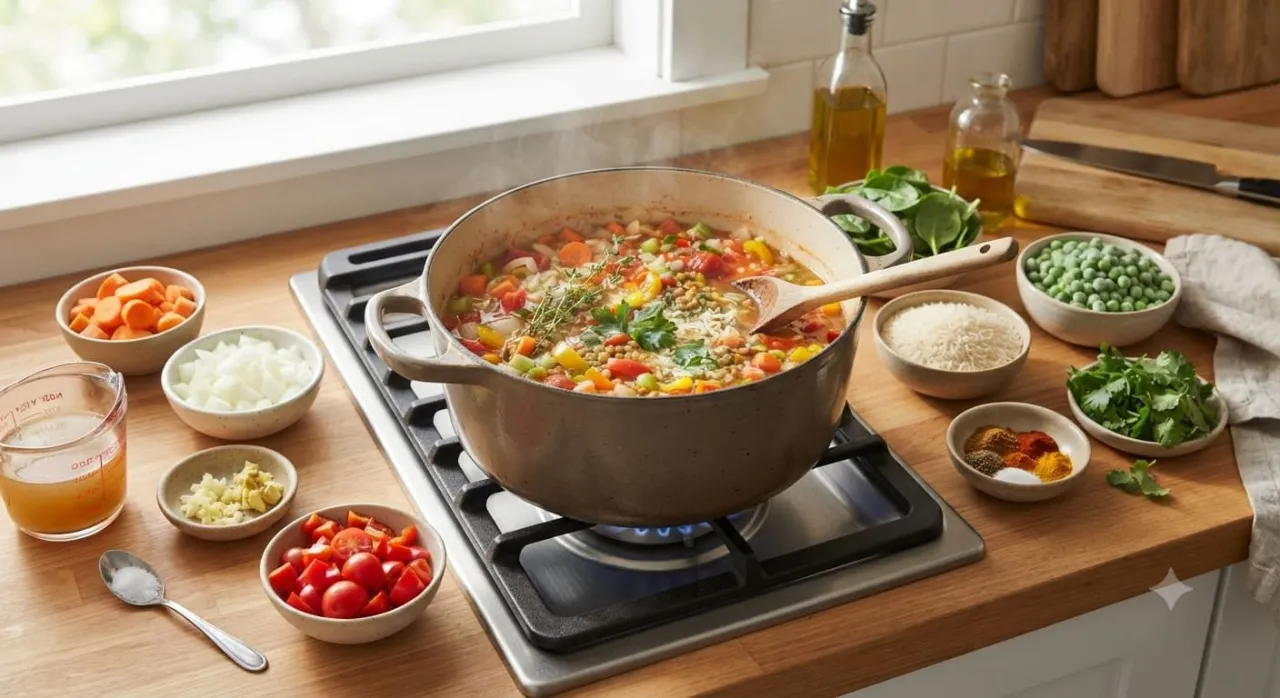
- Choose your main ingredients. Decide whether you want rice, pasta, potatoes, lentils, or another base.
- Prepare your ingredients. Wash, chop, measure, and organize everything before you start cooking.
- Build flavor first. If the recipe calls for onions, garlic, ginger, or spices, cook them according to the recipe before adding the remaining ingredients.
- Add ingredients in the right order. Ingredients that need more time generally go in earlier, while delicate ingredients can be added later.
- Add the required liquid. Use the amount specified by the recipe, especially when cooking rice, pasta, or grains.
- Cook gently. Maintain the recommended heat and stir when necessary to prevent sticking or uneven cooking.
- Check for doneness. Make sure grains, pasta, vegetables, and proteins have reached the appropriate texture before serving.
- Taste and adjust. Add more herbs, spices, or seasoning if needed, based on your personal preference.
Once you become comfortable with the basic process, you can experiment with different combinations. The key is to understand how long each ingredient takes to cook rather than adding everything at exactly the same time.
How Can Spices Improve One-Pot Meals?
Spices can make a simple one-pot meal more interesting without adding complicated preparation steps. Common choices include cumin, coriander, turmeric, paprika, black pepper, cinnamon, chili, and dried herbs, depending on the style of dish.
If you are unsure where to begin, this guide to spices, their types, uses, and how they transform food can help you understand the role different seasonings play in cooking.
It is also useful to learn how to use spices in everyday cooking. Adding some spices during cooking can help develop their flavor, while others may work better toward the end, depending on the recipe.
Pre-made seasoning combinations can also be convenient, but beginners should check the ingredients and salt content of a blend before adding additional seasoning. Learning about spice blends and seasoning mixes can make it easier to understand how different flavors are combined.
You can also experiment with pairing spices with different foods to create one-pot meals that suit your personal taste.
Practical Tips for Better One-Pot Cooking
- Do not overcrowd the pot. Too many ingredients can make cooking uneven and may affect the final texture.
- Cut ingredients into similar sizes. This helps vegetables and other ingredients cook more consistently.
- Use the right pot size. A pot that is too small may make stirring difficult, while an oversized pot can affect how quickly liquid evaporates.
- Read the recipe before starting. One-pot meals often depend on timing, so knowing the full process can prevent mistakes.
- Keep an eye on liquid. Rice, pasta, and grains absorb liquid differently, so follow the recipe and check the texture as cooking progresses.
- Season gradually. It is easier to add more seasoning than to correct a dish that has become too salty or strongly flavored.
- Let the meal rest when appropriate. Some rice and grain dishes benefit from a short resting period after cooking.
- Use leftovers thoughtfully. Store and reheat leftovers according to safe food-handling practices rather than leaving cooked food at room temperature for extended periods.
Common Mistakes to Avoid When Making One-Pot Meals
Adding Everything at Once
Not every ingredient cooks at the same speed. Adding delicate vegetables at the same time as slow-cooking ingredients can leave one component overcooked while another remains undercooked.
Using Too Much Liquid
Extra liquid can turn a dish that should be thick and flavorful into something watery. This is particularly important with rice and pasta, which absorb specific amounts of liquid during cooking.
Stirring Too Often
Some dishes need regular stirring, but others can become sticky or lose their texture if stirred constantly. Follow the cooking method recommended for the specific recipe.
Ignoring Seasoning Balance
One-pot dishes often combine several ingredients, so seasoning should be considered throughout the cooking process. Taste when appropriate and adjust gradually.
Choosing Ingredients Without Considering Cooking Time
A common beginner mistake is combining ingredients that require very different cooking times without adjusting when they are added. A little planning can make the final result much more consistent.
Beginner-Friendly One-Pot Meal Checklist
- Choose one main cooking vessel that is large enough for the recipe.
- Select a protein, vegetables, and a suitable grain, pasta, or starch.
- Check how long each ingredient needs to cook.
- Prepare all ingredients before turning on the heat.
- Measure cooking liquid carefully.
- Use moderate seasoning and adjust gradually.
- Add quick-cooking ingredients later when appropriate.
- Check the texture and doneness before serving.
- Allow the meal to rest when the recipe recommends it.
- Store leftovers safely and refrigerate them promptly when appropriate.
How to Choose the Right One-Pot Meal for Your Day
When deciding what to cook, consider the time you have available, the ingredients already in your kitchen, and how much cooking you want to do. A simple vegetable pasta may suit a busy evening, while a lentil or bean dish may be convenient when you want something that can simmer while you handle other tasks.
Think about texture, too. If you prefer meals with separate grains and clearly defined vegetables, a rice-based dish may work better. If you enjoy a softer, saucier texture, pasta, stews, and curries may be more suitable.
Reminder: The easiest one-pot meal is not necessarily the one with the fewest ingredients. Choose a recipe that matches your available time, cooking equipment, and experience level. Starting with a simple combination you already enjoy is often a practical way to build confidence.
Why Easy One-Pot Meals Are Worth Adding to Your Routine
Easy one-pot meals offer a practical approach to everyday cooking without requiring complicated equipment or elaborate preparation. They can simplify meal planning, reduce cleanup, and give beginners a flexible way to combine familiar ingredients.
The most useful approach is to learn the basics first: understand cooking times, manage liquid carefully, season gradually, and choose ingredients that work well together. From there, you can experiment with different grains, vegetables, proteins, herbs, and spices.
Whether you are cooking for yourself, preparing a family dinner, or planning meals for a busy week, one-pot cooking can become a dependable part of your kitchen routine. Keep the process simple, make thoughtful ingredient choices, and adjust recipes to suit your own preferences.
Frequently Asked Questions
Can I make one-pot meals without a Dutch oven?
Yes. Many one-pot meals can be prepared in a regular saucepan, deep skillet, stockpot, or another suitable cooking vessel. The important factors are having enough space for the ingredients and using cookware appropriate for the cooking method.
What is the easiest one-pot meal for a complete beginner?
A simple rice dish with vegetables and beans is a good starting point because the ingredients are easy to prepare and the cooking process is relatively straightforward. One-pot pasta is another accessible option when the recipe clearly explains the required liquid and timing.
Can I substitute ingredients in one-pot recipes?
Often, yes, but substitutions should account for cooking time, moisture, and texture. For example, replacing a quick-cooking vegetable with a firm one may require adding the replacement earlier so everything finishes at a similar time.
How do I prevent rice from becoming too soft in a one-pot meal?
Use the recommended amount of liquid for the type of rice and avoid excessive stirring unless the recipe requires it. Cooking time, heat level, and the size of the cooking vessel can also affect the final texture.
Are one-pot meals suitable for meal preparation?
Many one-pot meals can work well for meal preparation because they are convenient to portion and store. Choose recipes that maintain a pleasant texture after reheating, and follow appropriate food-storage practices to keep prepared meals safe to eat.
Disclaimer: One-pot meals can be adapted to many eating preferences, but individual nutritional needs and dietary restrictions vary. If you have a food allergy, intolerance, or specific dietary requirement, check every ingredient carefully and make substitutions that are appropriate for your needs.
Was this article helpful?
Share your feedback — select a reaction.
Are you satisfied with these answers?
If you'd like to ask something else, you can post your question here.
Comments (0)
Comments are reviewed before they appear.
Loading comments…
More Blogs
Healthy Soup Recipes: Easy, Nutritious Ideas for Everyday Meals
Healthy Salad Recipes: Easy, Fresh, and Balanced Ideas for Everyday Meals
Protein-Rich Snack Recipes: Easy and Healthy Ideas for Everyday Eating
Weekly Indian Meal Plan: A Simple 7-Day Guide for Everyday Cooking