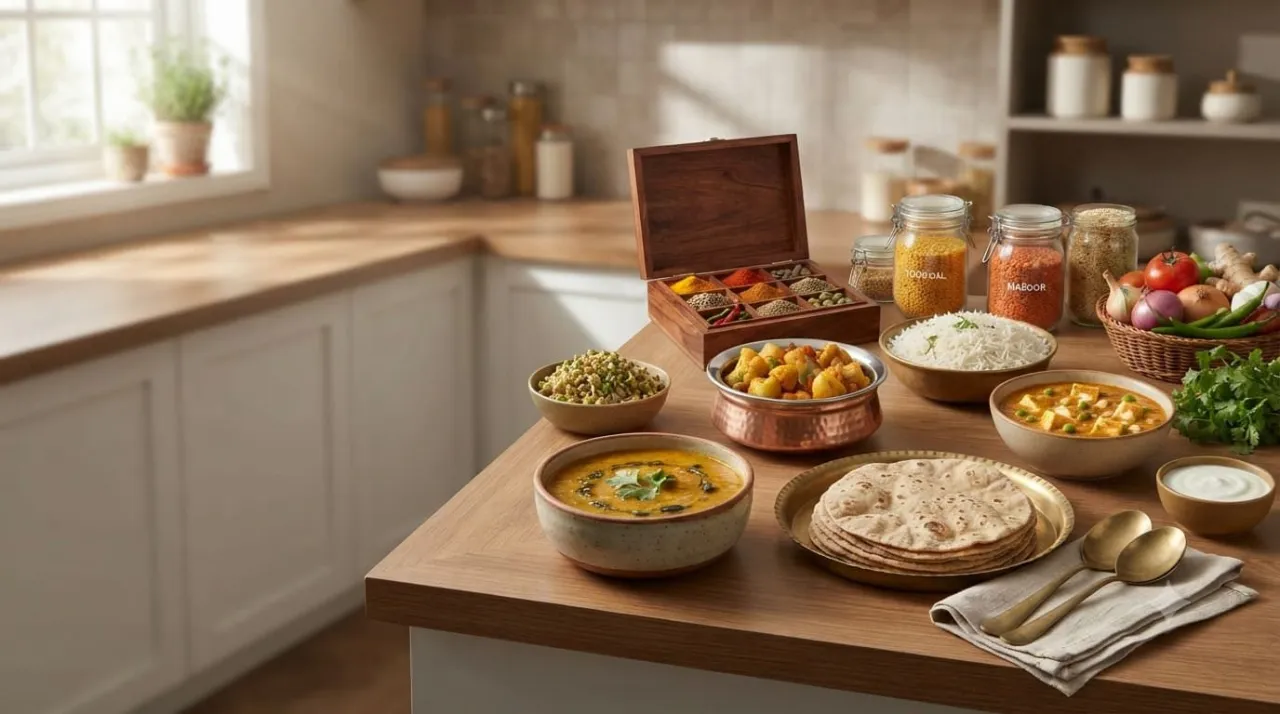
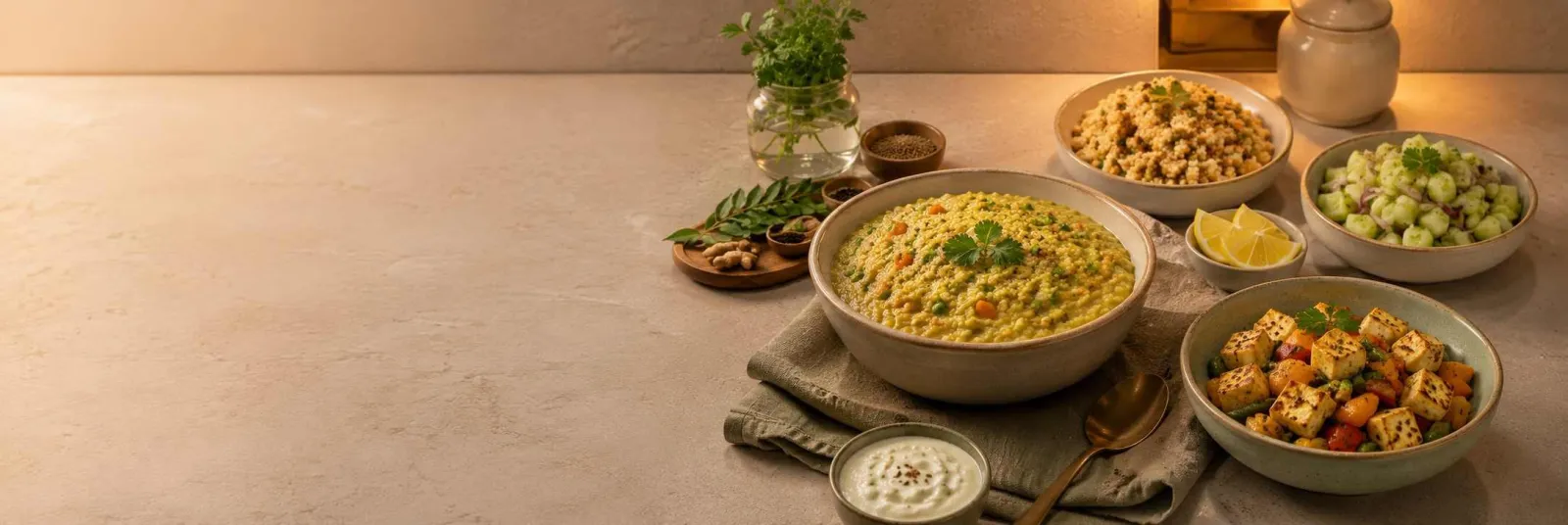
Budget-Friendly Healthy Meals: Simple Ideas for Everyday Cooking
What Are the Best Budget-Friendly Healthy Meals?
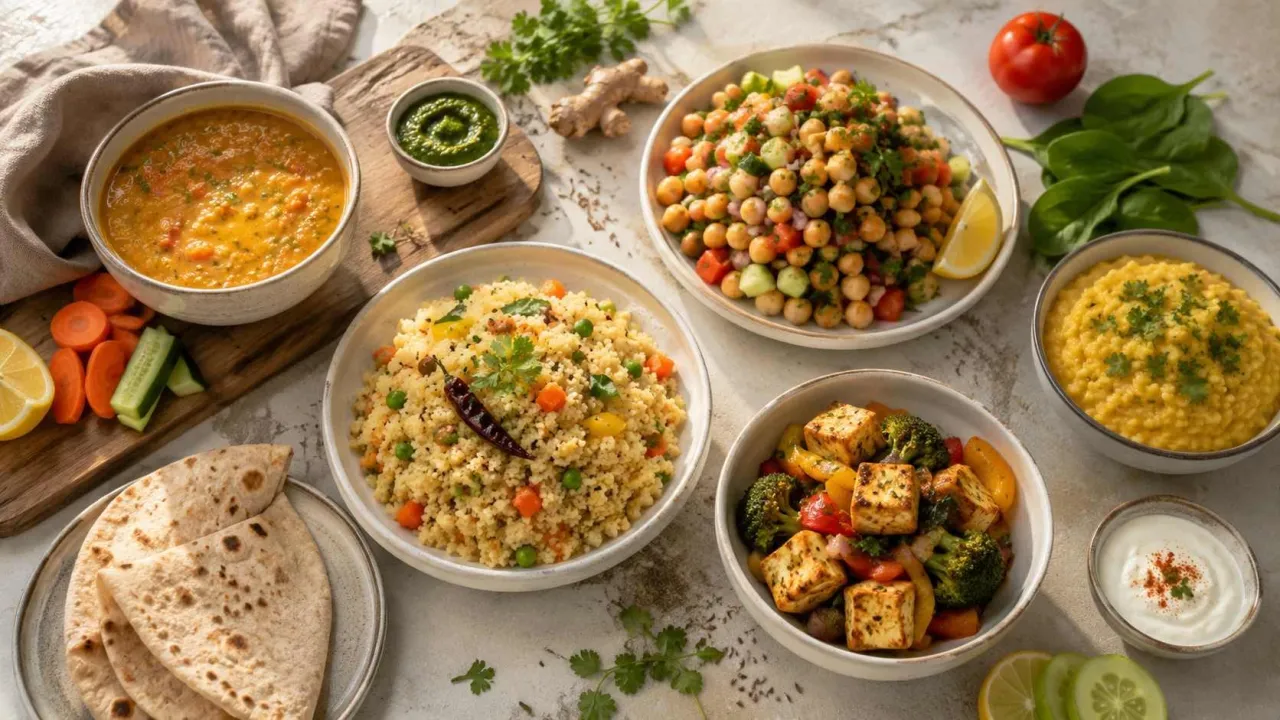
The best budget-friendly healthy meals are simple dishes built around affordable staple ingredients such as grains, beans, lentils, vegetables, and other foods that fit your preferences and budget. Meals such as vegetable rice, lentil-based dishes, bean bowls, vegetable soups, simple millet recipes, and homemade wraps can be adapted to suit different households.
The key is to combine a practical source of protein, vegetables, and a filling staple while using ingredients efficiently. Planning meals before shopping, buying seasonal produce, cooking suitable quantities, and using leftovers thoughtfully can make everyday cooking more manageable and economical.
Why Budget-Friendly Healthy Meals Are Worth Planning
Healthy eating does not have to mean buying specialty ingredients or preparing elaborate dishes every day. A practical approach is to start with foods you already enjoy and build meals around affordable ingredients that are easy to find and store.
Meal planning can also reduce last-minute decisions. When you know what you are likely to cook during the week, it becomes easier to create a focused shopping list and avoid buying ingredients that may go unused.
Another useful approach is to think about meals as combinations rather than individual recipes. A grain, a protein-rich food, vegetables, and flavorful seasonings can become the base for several different meals. This makes it easier to use the same ingredients in different ways without making every meal feel identical.
How Can You Build Budget-Friendly Healthy Meals?
A simple way to build budget-friendly healthy meals is to choose one affordable staple, add a source of protein, include vegetables, and finish with herbs, spices, or a simple homemade dressing. This flexible structure works for many types of meals and can be adjusted based on what is available at home.
- Choose a filling staple: Rice, oats, whole grains, potatoes, or millet can form the base of a meal.
- Add a protein source: Lentils, beans, chickpeas, peas, yogurt, or other suitable options can add variety and substance.
- Include vegetables: Use fresh, frozen, or seasonal vegetables depending on availability and price.
- Add flavor: Homemade spice combinations, herbs, garlic, ginger, lemon, or simple sauces can make basic ingredients more enjoyable.
- Adjust portions: Prepare an amount that suits your household so that food is not unnecessarily wasted.
This approach allows you to create many different combinations without needing a completely different shopping list for every meal.
Affordable Ingredients to Keep in Your Kitchen
A well-planned pantry can make everyday cooking easier. Instead of buying many ingredients for individual recipes, focus on versatile foods that can be used in several meals.
| Ingredient Group | Examples | Ways to Use Them |
|---|---|---|
| Grains and staples | Rice, oats, millet, whole grains | Bowls, porridge, pilafs, and side dishes |
| Pulses and legumes | Lentils, chickpeas, beans, peas | Curries, soups, salads, and fillings |
| Vegetables | Carrots, cabbage, spinach, seasonal vegetables | Stir-fries, soups, curries, and roasted dishes |
| Protein-rich options | Yogurt, lentils, beans, chickpeas, tofu, paneer | Breakfasts, snacks, bowls, and main meals |
| Flavor ingredients | Spices, herbs, garlic, ginger, lemon | Seasoning, dressings, and everyday cooking |
Choosing versatile ingredients is particularly useful when working with a limited food budget. For example, cooked lentils can be used in a main dish, soup, or salad, while leftover cooked vegetables can become part of a wrap or grain bowl.
Simple Meal Ideas for a Limited Food Budget
1. Lentil and Vegetable Meals
Lentils are useful in many everyday dishes because they can be prepared with vegetables and served alongside rice or flatbreads. A simple lentil dish can also be adjusted with different vegetables and seasonings, allowing one basic ingredient to create several variations.
For a satisfying meal, pair lentils with vegetables and a suitable grain or other staple. If you want more variety, change the seasoning rather than buying completely new ingredients.
2. Vegetable Rice Bowls
A vegetable rice bowl is a practical way to combine cooked rice with vegetables and a protein-rich ingredient. Leftover rice can be used with freshly cooked vegetables, beans, peas, or lentils to create a quick meal.
Simple seasonings can change the flavor from one day to another. This makes rice a flexible base for meals that use ingredients already available in the kitchen.
3. Bean and Chickpea Meals
Beans and chickpeas can be used in curries, salads, wraps, soups, and grain bowls. They can also be combined with vegetables and homemade seasonings to create filling meals without requiring a long list of ingredients.
For a different texture, try using cooked chickpeas in a vegetable salad or combining beans with rice and a simple dressing. The same basic ingredients can be prepared in several formats throughout the week.
4. Vegetable Soups
Vegetable soups are another practical option when you have a selection of vegetables that need to be used. Carrots, tomatoes, cabbage, beans, peas, and leafy vegetables can be combined with suitable grains or legumes.
Soup can also be adapted to the season. Use vegetables that are readily available and adjust the consistency depending on whether you want a light soup or a more substantial meal.
5. Simple Millet-Based Meals
Millets can be used in a variety of everyday dishes, including bowls, porridges, savory preparations, and side dishes. If you are new to cooking with them, start with simple recipes and gradually explore different preparations.
For more ideas, you can explore these simple millet recipes and choose options that suit your cooking routine and available ingredients.
6. Oats for More Than Breakfast
Oats do not have to be limited to sweet breakfast dishes. They can also be used in savory preparations, simple patties, or other meals depending on personal preference.
Using one ingredient in multiple ways can help reduce the need to buy separate products for every meal. The key is to choose recipes that use ingredients you are likely to finish rather than purchasing items for one specific dish.
Quick Budget-Friendly Healthy Meal Ideas
Simple recipes can make everyday cooking easier when you are working with a limited budget. These meal ideas use common ingredients and can be adjusted according to your preferences.
- Vegetable Dal Rice: Combine cooked lentils, seasonal vegetables, rice, and simple spices for an easy everyday meal.
- Chickpea Salad Bowl: Mix boiled chickpeas with vegetables, lemon, herbs, and suitable seasonings for a quick meal option.
- Vegetable Khichdi: A simple combination of grains, lentils, and vegetables that can be prepared with basic pantry ingredients.
- Oats Vegetable Bowl: Use oats with vegetables and spices to create a simple savory meal.
- Homemade Vegetable Wrap: Fill roti or flatbread with cooked vegetables, beans, or other suitable fillings.
How to Save Money While Planning Healthy Meals
Good meal planning starts before you enter the kitchen. A few simple habits can make a noticeable difference in how efficiently you use your ingredients and manage your food budget.
- Check your kitchen first: Look through your pantry, refrigerator, and freezer before making a shopping list. This helps you use ingredients that are already available.
- Plan flexible meals: Choose meals that can use similar ingredients in different ways. For example, vegetables, grains, or cooked legumes can often be used in multiple dishes.
- Shop with a list: A focused shopping list can make it easier to avoid unnecessary purchases and help you stay within your planned budget.
- Compare ingredient choices: If a particular vegetable or ingredient is expensive, consider another seasonal option that works well in a similar recipe.
- Use leftovers thoughtfully: Leftover cooked grains, vegetables, or legumes can often become part of another suitable meal instead of going unused.
- Cook practical quantities: Prepare amounts that match your household needs while considering proper storage practices.
- Use homemade seasonings: Combining spices and herbs already available at home can add variety without buying many additional products.
Smart Grocery Shopping Tips for Healthy Meals on a Budget
A practical shopping strategy can make it easier to prepare healthy meals while controlling food expenses. The goal is not only to spend less but also to make sure the ingredients you buy are actually used.
- Create a shopping list before visiting the store.
- Check prices of similar ingredients and choose suitable alternatives.
- Buy seasonal vegetables when possible.
- Choose staple ingredients that can be used in multiple meals.
- Avoid purchasing large quantities of foods that your household may not finish.
- Focus on commonly used ingredients instead of buying items only for one recipe.
- Keep frequently used grains, pulses, and spices organized for easier cooking.
For more ideas on organizing meals throughout the week, explore these meal prep ideas for a healthy week. A simple preparation routine can reduce daily cooking pressure and help you make better use of your groceries.
How to Reduce Food Waste While Eating Healthy on a Budget
Reducing food waste can help lower household expenses while making better use of ingredients you already purchase. Small changes in shopping, storage, and meal planning can improve how efficiently food is used.
- Plan meals around ingredients you already have at home.
- Store vegetables and cooked foods properly to maintain quality.
- Use leftover grains in bowls, wraps, salads, or other suitable meals.
- Prepare realistic quantities based on your household requirements.
- Freeze suitable ingredients before they are no longer useful.
- Organize your refrigerator so older items are used first.
Using ingredients completely can make budget-friendly cooking easier while reducing unnecessary waste.
Simple Budget Meal Prep Ideas for Busy Days
Meal preparation does not require cooking an entire week's food in advance. Small preparation steps can save time and make affordable cooking easier during busy schedules.
- Prepare basic ingredients: Wash vegetables, organize grains, or prepare suitable ingredients that can be used during the week.
- Cook versatile foods: Items such as lentils, beans, grains, or vegetables can often support multiple meals.
- Prepare homemade spice mixes: Simple combinations of commonly used spices can make everyday cooking faster.
- Create quick meal options: Keep ingredients ready for simple meals such as bowls, soups, wraps, or one-pot dishes.
- Plan flexible meals: Choose dishes that can be adjusted when schedules or ingredient availability change.
How Spices Can Add Variety Without Increasing Food Costs
Affordable staple foods can sometimes feel repetitive when prepared in the same way. Spices and herbs provide a practical way to change the character of a dish while continuing to use the same basic ingredients.
For example, the same vegetables, lentils, or grains can taste different when prepared with different seasoning combinations. Learning about essential kitchen spices can help beginners create more variety with a simple collection of ingredients.
Understanding how spices work with different foods can make everyday meals more interesting. Simple combinations can add flavor to vegetables, grains, beans, and lentils without requiring expensive sauces or packaged products.
When buying spices, focus on ingredients that you regularly use. A smaller collection of fresh, useful spices can often be more practical than purchasing many options that remain unused.
Budget-Friendly Healthy Meals: A Simple Weekly Approach
A weekly meal plan does not need to include a completely different recipe for every meal. Instead, choose a few versatile ingredients and use them creatively throughout the week.
| Meal Planning Idea | Example | How It Saves Effort |
|---|---|---|
| Cook one staple | Rice or millet | Use it in bowls, side dishes, or mixed meals |
| Prepare one protein-rich food | Lentils or chickpeas | Use in curries, salads, soups, or fillings |
| Prepare mixed vegetables | Seasonal vegetables | Use in meals, wraps, or soups |
| Keep flavor options ready | Spices and herbs | Change the taste of familiar ingredients |
This type of planning can make everyday cooking easier without requiring a large number of ingredients. You can adjust meals according to your schedule, budget, and available foods.
Common Mistakes When Preparing Budget-Friendly Healthy Meals
Buying Too Many Ingredients at Once
A large shopping trip may seem economical, but buying more food than your household can use can lead to waste. Start with realistic quantities based on your actual cooking habits.
Choosing Recipes Before Checking Your Pantry
Planning meals without checking available ingredients can result in unnecessary purchases. Look at what you already have and build meals around those items whenever possible.
Making Every Meal Completely Different
Preparing a completely new recipe every day can increase cooking time and ingredient costs. A better approach is to use versatile ingredients in different combinations.
Ignoring Seasonal Availability
Some vegetables and ingredients may become more affordable during certain seasons. Being flexible with choices can help you maintain variety while managing costs.
Overcomplicating Healthy Cooking
Healthy everyday meals do not need long ingredient lists or complicated techniques. Simple recipes using familiar foods can be practical and enjoyable.
Beginner-Friendly Checklist for Budget-Friendly Healthy Meals
- Check your pantry and refrigerator before shopping.
- Plan a few flexible meals for the week.
- Choose affordable staple ingredients that can be used in several dishes.
- Include a suitable protein source according to your preferences.
- Add vegetables based on availability, season, and personal choice.
- Use spices and herbs to create variety without increasing costs.
- Buy realistic quantities that your household can use.
- Plan ways to use suitable leftovers in other meals.
- Store prepared food properly and follow appropriate food-safety practices.
- Adjust your meal plan when prices, availability, or routines change.
How to Make Healthy Meals More Affordable Without Losing Variety
Variety does not always require a long shopping list or expensive ingredients. You can create different meals by changing preparation methods, seasonings, textures, and combinations.
For example, cooked chickpeas can become part of a salad one day and a warm spiced dish another day. Vegetables can be added to soups, rice dishes, wraps, or simple side dishes. This approach helps you make better use of ingredients while keeping meals interesting.
Similarly, lentils and grains can be prepared in different ways throughout the week. A simple change in spices or cooking style can create a different experience without requiring completely new ingredients.
It can also help to think about your budget over the entire week rather than judging the cost of one individual meal. Some meals may use very affordable pantry staples, while others may include seasonal or slightly higher-cost ingredients. A flexible weekly approach can help balance your choices.
How to Create a Long-Term Budget-Friendly Meal Routine
A successful budget-friendly meal routine is not based on strict rules. It is built around habits that make everyday cooking easier and more manageable.
- Create a list of meals your household already enjoys.
- Keep a small collection of reliable recipes for busy days.
- Rotate ingredients instead of buying completely new items every week.
- Review which meals worked well and adjust future plans.
- Choose simple cooking methods that fit your available time.
- Build your routine gradually instead of making many changes at once.
Over time, these small improvements can make meal planning easier while helping you manage food expenses more effectively.
Disclaimer: This article provides general food-planning and cooking ideas for educational purposes. Individual dietary needs, allergies, food preferences, and household requirements vary, so choose ingredients and meal combinations that are appropriate for your situation.
Reminder: A budget-friendly meal plan works best when it reflects the foods your household actually enjoys and can regularly prepare. Start with a small group of versatile ingredients, use them efficiently, and adjust your plan as your schedule, budget, and ingredient availability change.
Final Thoughts on Budget-Friendly Healthy Meals
Budget-friendly healthy meals are less about following complicated recipes and more about making thoughtful use of simple ingredients. Affordable staples, seasonal vegetables, legumes, grains, and practical cooking methods can provide plenty of flexibility for everyday meals.
The most useful strategy is to keep your meal plan realistic. Choose ingredients that fit your budget, plan meals around foods you already have, and look for ways to reuse suitable ingredients without making every meal feel the same.
With a little planning, everyday cooking can become more manageable and economical. Start small, keep your shopping list focused, and build a routine that works for your household rather than trying to follow a perfect plan.
Frequently Asked Questions
What are some affordable foods for healthy meals?
Affordable options can include rice, oats, millet, lentils, beans, chickpeas, seasonal vegetables, and other staple foods that suit your preferences. The best choices depend on local prices and what your household regularly eats.
How can I eat healthy meals on a tight budget?
Plan meals before shopping, focus on versatile staple ingredients, choose seasonal produce, and prepare foods that can be used in more than one meal. Using a shopping list can also help keep purchases focused.
Can healthy meals be prepared in advance?
Yes, many meals can be planned or partially prepared ahead of time. Cooked grains, legumes, and some vegetables can be prepared in suitable quantities and stored appropriately for later use.
How can I make inexpensive meals less repetitive?
Try changing seasonings, cooking methods, textures, and combinations. The same staple ingredients can often be used in soups, bowls, salads, wraps, or main dishes with different flavors.
What is the easiest way to start budget-friendly meal planning?
Begin by choosing a few meals your household already enjoys, checking what ingredients you have, and making a short shopping list for the remaining items. Gradually build a weekly routine that fits your schedule and budget.
Was this article helpful?
Share your feedback — select a reaction.
Are you satisfied with these answers?
If you'd like to ask something else, you can post your question here.
Comments (0)
Comments are reviewed before they appear.
Loading comments…
More Blogs
Easy One-Pot Meals: Simple Recipes for Busy Days
Healthy Soup Recipes: Easy, Nutritious Ideas for Everyday Meals
Healthy Salad Recipes: Easy, Fresh, and Balanced Ideas for Everyday Meals
Protein-Rich Snack Recipes: Easy and Healthy Ideas for Everyday Eating