
What are the essential kitchen spices every home should have?
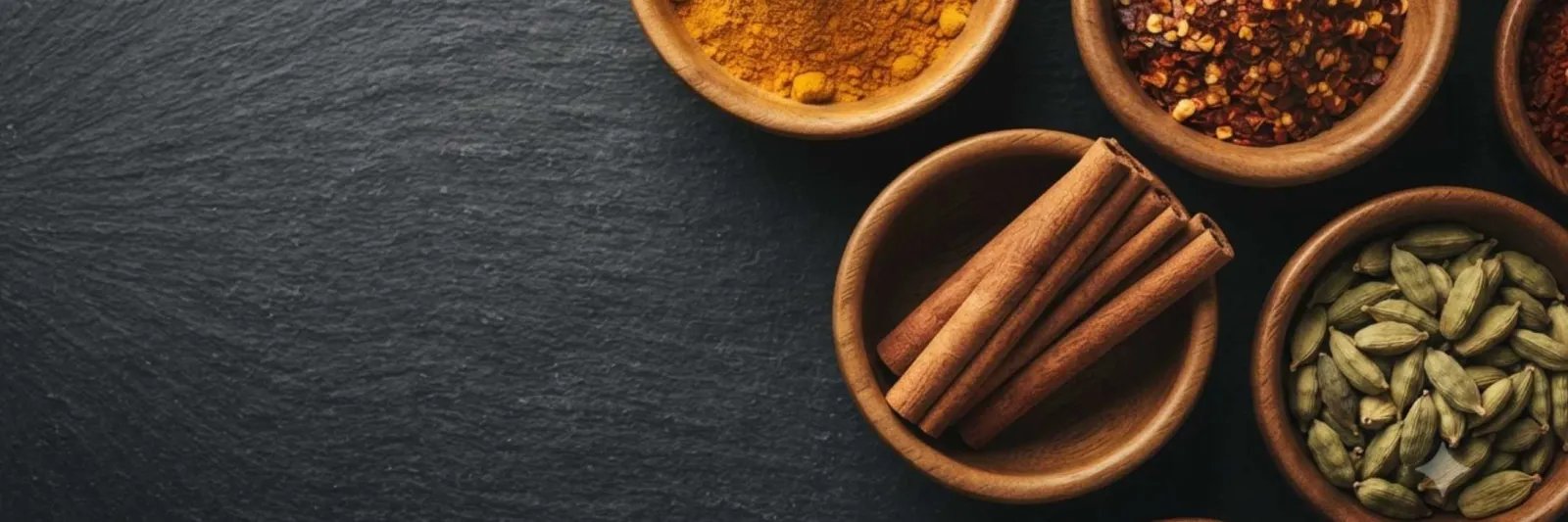
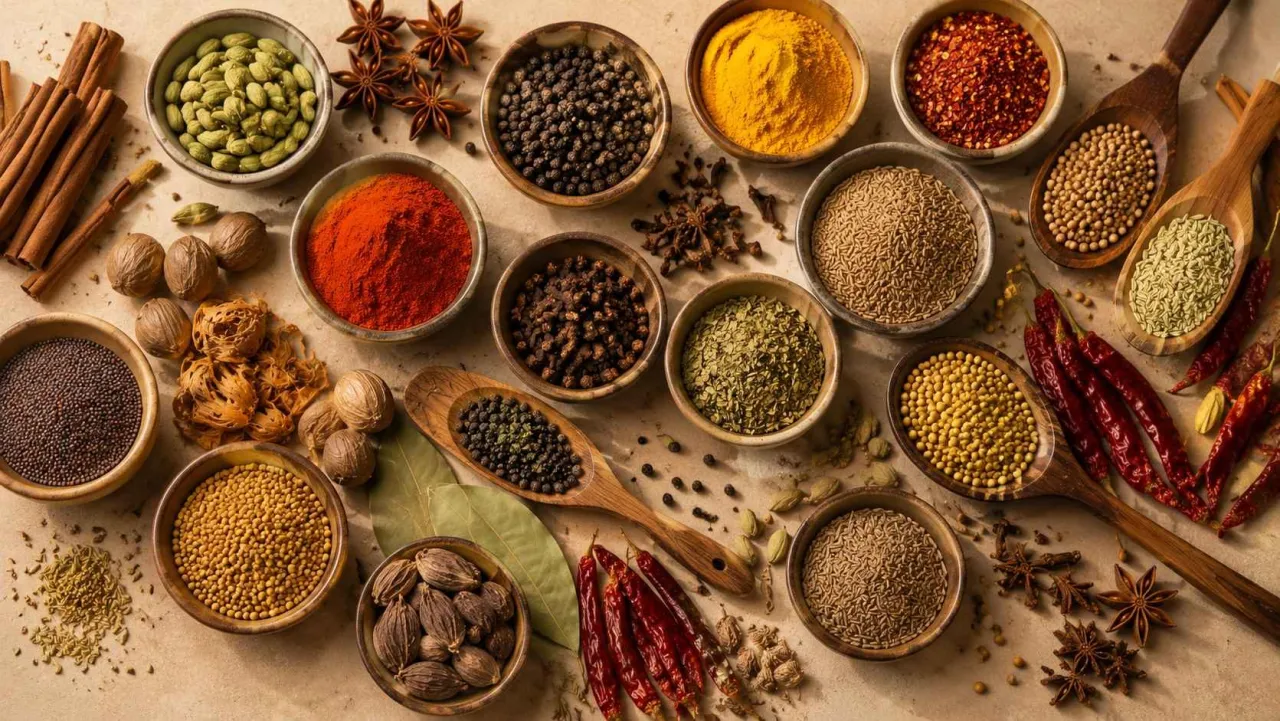
The essential kitchen spices every home should have depend on the food you regularly cook, but a practical starter collection can include cumin, coriander, turmeric, black pepper, cinnamon, cardamom, cloves, and chili powder or flakes. These spices can be used individually or combined to create different flavor profiles across everyday meals. Beginners do not need to buy everything at once. Start with a few versatile spices that match your regular recipes, then gradually add others as your cooking becomes more varied. The best spice collection is one that you actually use, store properly, and refresh when needed.
Why is it useful to keep a basic spice collection at home?
A well-planned spice collection gives you more flexibility when preparing everyday meals. Instead of relying on the same flavors repeatedly, you can adjust aroma, warmth, earthiness, sweetness, or mild heat by changing the spices you use.
Having a few commonly used spices within easy reach can also make cooking more convenient. You do not need a large selection to get started. A small group of versatile spices can cover many common recipes, while less frequently used spices can be added over time.
The right collection will look different from one household to another. A family that regularly prepares Indian dishes may use a different set of spices from someone who mainly cooks Mediterranean, Middle Eastern, Asian, or Western-style food. Personal preference and cooking habits should always guide your choices.
Which spices should beginners add to their kitchen first?
1. Cumin
Cumin is a versatile spice commonly used in many savory dishes. It has a warm, earthy, and distinctive aroma that can work well in curries, lentils, vegetables, rice dishes, soups, and seasoning mixtures.
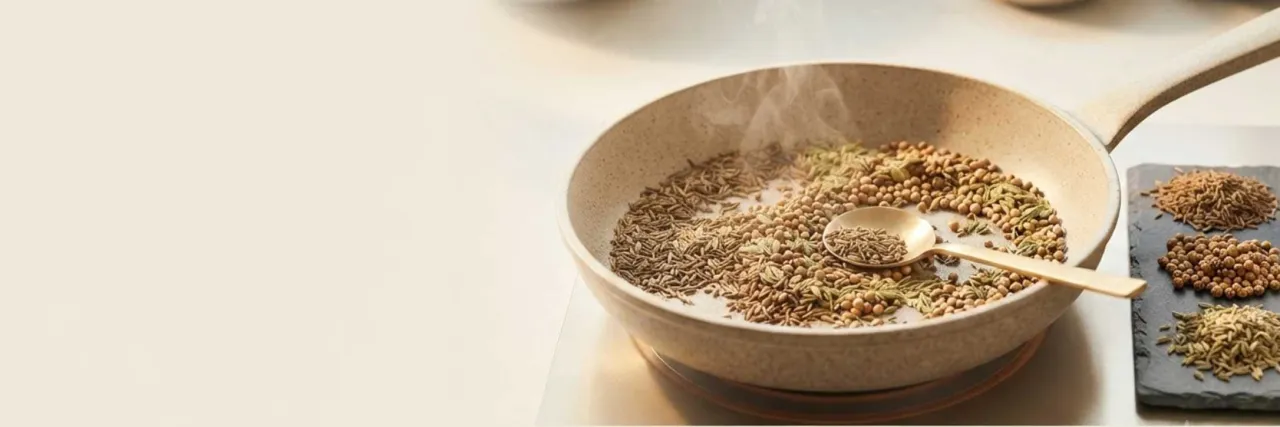
You can find cumin as whole seeds or in ground form. Whole cumin is often used when cooking begins with heating oil or another cooking fat, while ground cumin can be mixed directly into recipes. Keeping one form at home is enough to start, and your choice can depend on how you normally cook.
2. Coriander
Coriander is another useful spice for a basic kitchen collection. Ground coriander has a mild, earthy, and slightly citrus-like character that works well with vegetables, legumes, sauces, and many spice combinations.
Whole coriander seeds can also be useful if you enjoy preparing your own spice combinations. Beginners may find ground coriander more convenient for everyday cooking, while whole seeds provide additional flexibility.
3. Turmeric
Turmeric is commonly included in many savory recipes and spice blends. It has an earthy character and is often used in dishes featuring vegetables, lentils, rice, and sauces.
Because turmeric has a strong natural color, a small amount can noticeably change the appearance of a dish. When buying turmeric, choose a package with clear ingredient information and store it carefully to help maintain its quality.
4. Black Pepper
Black pepper is one of the most versatile seasonings to keep at home. It can add warmth and a sharp, aromatic character to vegetables, soups, salads, sauces, eggs, and many other dishes.
Whole peppercorns and ground black pepper are both useful. Whole peppercorns can be freshly ground when needed, while pre-ground pepper is convenient for quick cooking. If you use black pepper frequently, having a small grinder may give you another practical option.
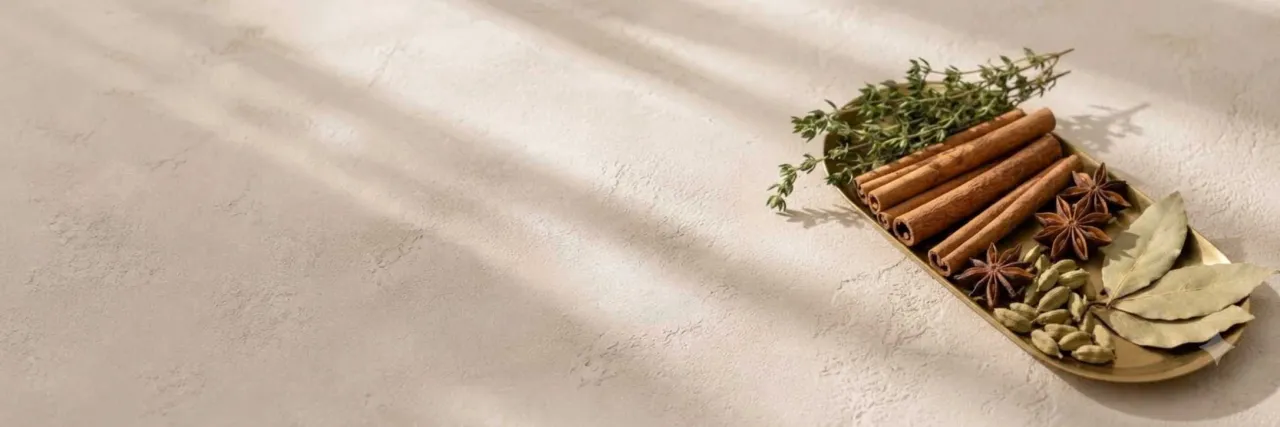
5. Cinnamon
Cinnamon is commonly associated with sweet dishes, but it can also be used in savory cooking. It is often included in rice dishes, warm beverages, baked foods, desserts, and selected spice blends.
You can buy cinnamon as sticks or ground powder. Cinnamon sticks may be useful for recipes where the spice is infused and later removed, while ground cinnamon is convenient for direct mixing.
6. Cardamom
Cardamom has a distinctive aromatic character and is commonly used in both sweet and savory preparations. It can be included in beverages, desserts, rice dishes, and selected spice mixtures.
Whole cardamom pods are useful when you want to control how the spice is added to a dish. Ground cardamom is more convenient when you need a small amount mixed directly into a recipe.
7. Cloves
Cloves have a strong, warm, and aromatic flavor, so they are generally used in relatively small amounts. They are commonly included in rice dishes, spice blends, warm beverages, and some sweet preparations.
Because cloves have a pronounced flavor, beginners may want to start with a small package. This is a good example of why buying according to your actual cooking habits can be more practical than purchasing large quantities.
8. Chili Powder or Chili Flakes
Chili powder and chili flakes can add varying levels of heat and flavor to food. The exact character depends on the type of chili used and how it has been processed.
If you are new to cooking with chili, start with a type and quantity that suits your personal preference. Check the label carefully because products sold under similar names can differ in heat level and ingredients.
What are the most useful spices for everyday Indian cooking?
For households that regularly prepare Indian food, a practical starter collection may include cumin, coriander, turmeric, black pepper, chili powder, cinnamon, cardamom, and cloves. Other useful additions can include mustard seeds, fennel seeds, fenugreek, and bay leaves, depending on the dishes you prepare.
You do not need every spice used in Indian cooking to begin. Start with the ingredients that appear most often in your own recipes. If you regularly prepare dals, vegetables, rice dishes, or curries, your needs may naturally guide which spices you use most.
It can also be helpful to understand the wider range of spice types, their uses, and how they transform food. This can make it easier to expand your collection gradually instead of buying unfamiliar spices without knowing how you will use them.
How should you choose between whole and ground spices?
Both whole and ground spices can be useful, and neither option is automatically better for every home. The right choice depends on convenience, cooking habits, storage, and how frequently you use the spice.
| Spice Form | Advantages | Best For |
|---|---|---|
| Whole spices | Flexible for toasting, infusing, or grinding | Cooks who enjoy preparing spices as needed |
| Ground spices | Convenient and ready to add to recipes | Quick everyday cooking |
| Whole spice seeds | Useful for tempering and adding texture | Many savory dishes and cooking methods |
| Ground spice blends | Combine multiple flavors in one product | Convenient seasoning and specific recipes |
Many kitchens benefit from keeping a mixture of both forms. For example, you might keep ground turmeric and coriander for convenience while using whole cumin seeds or peppercorns when a recipe calls for them.
If you are unsure which form to choose, learning more about whole spices versus ground spices can help you make a choice based on your cooking routine.
How can you build a basic spice collection without buying too much?
The simplest approach is to start with a small group of spices that you already recognize and regularly use. Buying too many unfamiliar spices at once can make your kitchen harder to organize and may leave you with products that are rarely used.
Think about the meals you cook during a typical week. If you often prepare vegetables, lentils, rice, soups, or grilled foods, choose spices that work naturally with those meals. Once you become comfortable with your basic collection, you can add more specialized spices.
A useful starter collection might include:
- Cumin
- Coriander
- Turmeric
- Black pepper
- Cinnamon
- Cardamom
- Cloves
- Chili powder or chili flakes
This is not a strict list. Your ideal collection may be smaller or larger depending on your cuisine preferences and cooking frequency.
How do you choose spices for different types of cooking?
One practical way to organize your spice collection is by thinking about the kinds of dishes you prepare most often.
For everyday savory meals
Cumin, coriander, turmeric, black pepper, and chili are useful starting points. These can be used in different combinations depending on the recipe and desired flavor.
For rice dishes
Cumin, cinnamon, cardamom, cloves, and bay leaves are commonly used in various rice preparations. Whole spices can be particularly useful when you want to infuse their aroma during cooking.
For soups and vegetables
Black pepper, cumin, coriander, and chili can add different layers of flavor to vegetables and soups. The amount and combination can be adjusted according to personal preference.
For sweet dishes and beverages
Cinnamon and cardamom are commonly used in many sweet recipes and warm beverages. Cloves may also be included in selected preparations where a stronger aromatic note is desired.
These categories are only a starting point. Spices are versatile, and their use can vary considerably between cuisines and recipes. Learning how to pair spices with different foods can also help you experiment with your existing collection more confidently.
Should you buy individual spices or spice blends?
Individual spices give you more control over the final flavor of a dish because you can adjust each ingredient separately. This can be particularly useful when you are learning how different spices work together.
Spice blends, on the other hand, can be convenient when you want several flavors in one mixture. They can save preparation time and may be suitable for specific cooking styles or recipes.
| Option | Best Advantage | What to Consider |
|---|---|---|
| Individual spices | Greater control over flavor | Requires choosing and measuring each spice |
| Spice blends | Convenient combination of flavors | Check the full ingredient list |
| Both | Offers flexibility and convenience | Requires more storage space |
If you want to explore the differences between seasoning options, a guide to spice blends and seasoning mixes can help you understand what to look for when selecting them.
How should you store essential kitchen spices?
Choosing useful spices is only part of maintaining a good kitchen collection. Storage also matters. Spices should generally be kept in clean, dry, tightly closed containers and protected from unnecessary exposure to moisture, heat, and direct light.
Avoid placing your spice containers directly beside a stove or another heat source. Steam from cooking can also introduce moisture into containers, so it is better to keep spices in a dry location.
Organize your spices in a way that makes them easy to see and use. This can help prevent duplicate purchases and make it easier to notice which spices you use frequently.
For more practical storage advice, see this guide on how to store spices properly so they remain useful and flavorful for longer.
How can beginners use essential spices more confidently?
Start by using one or two familiar spices in dishes you already enjoy. This makes it easier to understand how each spice changes the aroma and flavor of the food.
Once you become comfortable, try combining spices gradually. For example, cumin and coriander can create a different flavor profile when used together than when either is used alone. Black pepper can add warmth, while cinnamon or cardamom can contribute an aromatic character to selected dishes.
Do not feel that every recipe requires a large number of spices. Sometimes a simple combination works well. The goal is to understand the role of each spice rather than adding many ingredients without a clear purpose.
For practical ideas on using your collection, explore these simple tips for using spices in everyday cooking.
Common mistakes to avoid when building a spice collection
Buying every spice at once
A large collection is not necessarily a useful collection. If you buy many spices that you rarely use, they may remain in storage for a long time. Start with a few versatile choices and expand gradually.
Buying large quantities without considering usage
Buying in bulk may appear convenient, but it is not always practical for spices you use occasionally. Choose quantities based on your actual cooking frequency.
Ignoring storage conditions
Even a carefully selected spice collection can lose freshness when exposed repeatedly to heat, moisture, or air. Good storage habits are an important part of maintaining your kitchen spices.
Choosing only based on appearance
Color and appearance can provide useful clues, but they should not be the only factors you consider. Ingredients, aroma, packaging, freshness, and storage all matter.
Using too many spices without understanding their flavors
Adding many spices at once can make it difficult to identify which flavors you actually enjoy. Beginners may find it easier to start with simple combinations and gradually experiment.
Forgetting to check what you already own
Before buying new spices, check your existing collection. You may already have several useful ingredients that can cover your everyday cooking needs.
Beginner-friendly checklist for essential kitchen spices
Use this checklist when building or reviewing your home spice collection:
- Choose spices that match the food you regularly cook.
- Start with a small collection rather than buying everything at once.
- Keep a few versatile individual spices for everyday use.
- Consider whether whole or ground spices suit your cooking habits.
- Buy smaller quantities of spices you use only occasionally.
- Check ingredient labels when buying blends or seasoning mixes.
- Store spices away from unnecessary heat, moisture, and direct light.
- Keep your spice collection organized and easy to access.
- Review your collection before buying duplicates.
- Add new spices gradually as your cooking interests expand.
How often should you review your spice collection?
There is no universal schedule for reviewing spices because usage varies from one household to another. Instead, check your collection periodically and pay attention to aroma, appearance, and how frequently each spice is used.
If you notice that a spice has been sitting unused for a long time, consider buying a smaller quantity next time. If you use a particular spice frequently, you may prefer to keep a suitable amount available so that you do not run out during everyday cooking.
Keeping track of your actual usage is often more useful than following a fixed rule. Your cooking habits can change over time, so your essential kitchen spices can change with them.
How can you expand your spice collection over time?
Once you are comfortable with your basic spices, consider adding ingredients based on specific cuisines or dishes you enjoy preparing. You might explore additional seeds, dried herbs, aromatic spices, or regional spice combinations.
Try adding one new spice at a time. Learn how it smells, how it tastes, and which foods it commonly complements. This approach can help you build familiarity without making your kitchen collection unnecessarily complicated.
You can also use your existing spices in new ways before buying more. A small collection can offer plenty of variety when you experiment with different combinations and cooking methods.
Disclaimer: This article is intended for general cooking and kitchen guidance. Individual spice preferences, traditional uses, and suitable combinations can vary by cuisine and personal taste, so use the suggestions as a starting point rather than a fixed list that every household must follow.
Reminder: The best essential kitchen spices are not necessarily the ones on the longest list. Choose spices that match your everyday meals, buy quantities you can realistically use, and store them properly so your collection remains practical and enjoyable.
Final thoughts on essential kitchen spices every home should have
Building a useful spice collection does not require filling every shelf or buying dozens of ingredients. A small selection of versatile spices can provide a strong starting point for everyday cooking and give you room to explore different flavors over time.
Cumin, coriander, turmeric, black pepper, cinnamon, cardamom, cloves, and chili are practical options for many kitchens, but your personal list should reflect the food you actually prepare. Some households may need only a few of these, while others may benefit from adding more spices based on their preferred cuisines.
Focus on choosing spices you will genuinely use, deciding between whole and ground forms based on convenience, and storing them carefully. With a thoughtful approach, your essential kitchen spices can become a practical foundation for everyday meals while leaving plenty of room for experimentation and personal taste.
Frequently Asked Questions
What are the most important spices to have in a kitchen?
A practical starter collection can include cumin, coriander, turmeric, black pepper, cinnamon, cardamom, cloves, and chili. The exact selection depends on the cuisines and dishes you prepare most often.
How many spices does a beginner really need?
There is no fixed number. Beginners can start with three to five spices that they regularly use and gradually expand the collection as they become more comfortable cooking different dishes.
Is it better to buy whole spices or ground spices?
Both forms have practical uses. Whole spices offer flexibility for toasting, infusing, or grinding, while ground spices are convenient for quick cooking. Choose according to your routine and preferences.
How can I avoid wasting spices I rarely use?
Buy smaller quantities of less frequently used spices and check your existing collection before shopping. This can help you avoid unnecessary duplicates and reduce the chance of keeping unused spices for too long.
Can I use the same basic spices for different cuisines?
Many spices can be used across different cuisines, although the combinations and cooking methods may vary. Experimenting with familiar spices in different recipes can help you discover new flavor combinations without buying a large collection.
Was this article helpful?
Share your feedback — select a reaction.
Are you satisfied with these answers?
If you'd like to ask something else, you can post your question here.
Comments (0)
Comments are reviewed before they appear.
Loading comments…
More Blogs
How to Buy Good Quality Spices: A Practical Guide to Choosing Better Spices
Spice Blends and Seasoning Mixes: Types, Uses, and How to Choose
How to Pair Spices With Different Foods: A Practical Guide to Better Flavor Combinations
How to Toast and Bloom Spices for Better Flavor: A Practical Guide