Healthy Salad Recipes: Easy, Fresh, and Balanced Ideas for Everyday Meals
What Makes a Healthy Salad a Balanced Meal?
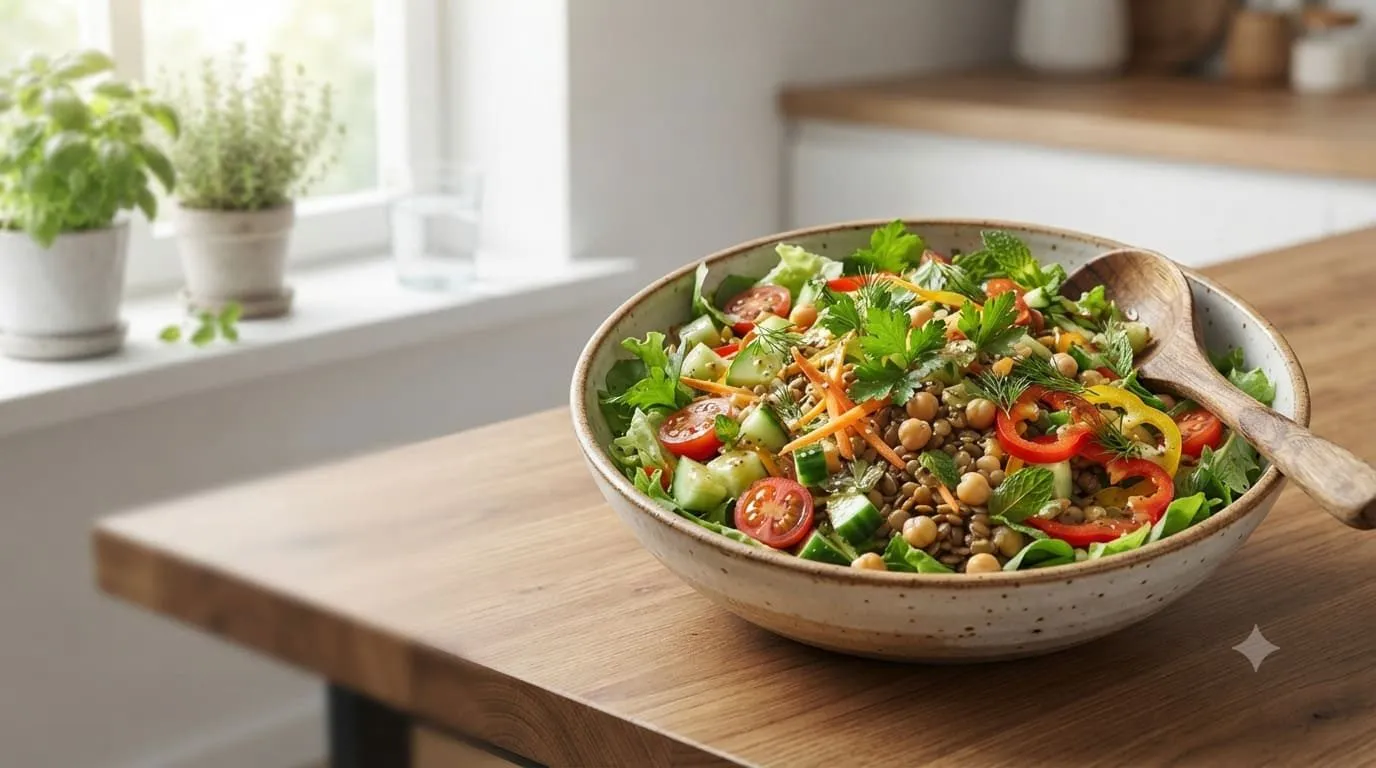
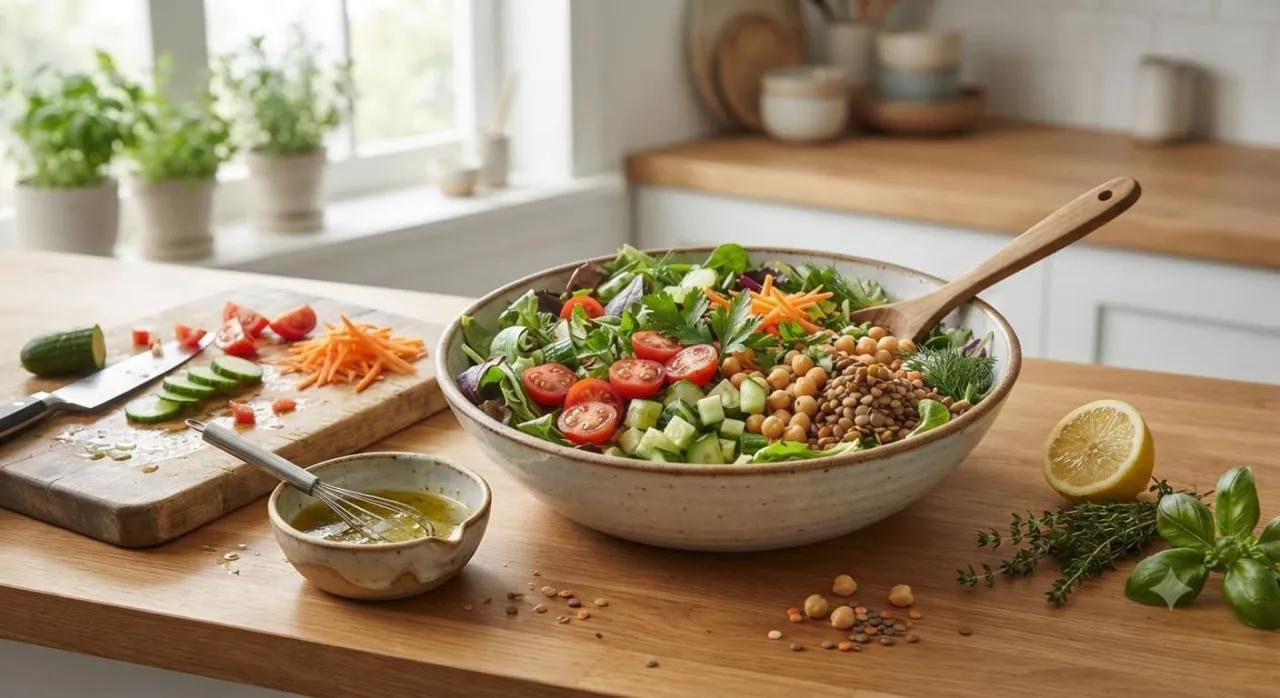
The best healthy salad recipes combine a variety of vegetables with a suitable source of protein, fiber-rich ingredients, and a flavorful dressing. Simple combinations such as leafy greens with chickpeas and vegetables, lentil salads with fresh herbs, or grain salads with roasted vegetables can work well for different preferences.
To make a salad more satisfying, include ingredients such as beans, lentils, tofu, eggs, yogurt-based toppings, nuts, seeds, or whole grains when suitable. A good salad does not need complicated ingredients; the key is to create a balanced combination of textures, flavors, and ingredients that fits your meal.
Why Healthy Salads Are Useful for Everyday Meals
Salads are flexible enough to fit into many types of meals. A simple vegetable salad can be served as a side dish, while a more substantial bowl with legumes, grains, or protein-rich ingredients can work as a main meal.
One of the biggest advantages of making salads at home is the ability to control what goes into the bowl. You can choose the vegetables you enjoy, adjust the amount of dressing, and combine ingredients based on what is available in your kitchen.
Salads can also make it easier to include a wider variety of foods in your meals. Different vegetables, fruits, herbs, legumes, seeds, and grains bring their own flavors and textures, allowing you to create new combinations without relying on complicated recipes.
For beginners, the best approach is to start with familiar ingredients. Once you understand the basic structure of a balanced salad, you can gradually experiment with new combinations and homemade dressings.
What Makes a Salad Balanced and Satisfying?
A salad becomes more substantial when it includes more than just leafy greens. While vegetables are an important foundation, adding other food groups can create a more complete meal.
- Vegetables: Use leafy greens, cucumbers, tomatoes, carrots, cabbage, bell peppers, broccoli, cauliflower, or other vegetables you enjoy.
- Protein-rich ingredients: Beans, lentils, chickpeas, tofu, eggs, yogurt, or other suitable ingredients can make a salad more filling.
- Fiber-rich foods: Vegetables, legumes, fruits, and whole grains can add variety and texture while contributing fiber to the meal.
- Healthy fats: Nuts, seeds, avocado, or a small amount of suitable cooking oil can add richness and flavor.
- Whole grains: Quinoa, brown rice, barley, or other suitable grains can turn a simple salad into a more substantial meal.
- Flavorful additions: Fresh herbs, spices, lemon juice, vinegar, garlic, ginger, or homemade dressings can make the salad more enjoyable.
The right combination depends on the purpose of the meal. A light side salad may need only vegetables and a simple dressing, while a lunch salad may benefit from legumes, grains, and a protein source.
Easy Types of Healthy Salad Recipes to Try
Fresh Vegetable Salad
A fresh vegetable salad is one of the simplest options for beginners. Combine ingredients such as cucumber, tomato, carrot, cabbage, lettuce, and bell pepper with a light dressing.
For extra flavor, add fresh herbs, lemon juice, black pepper, or a mild spice blend. This type of salad is easy to prepare and can be adjusted based on seasonal vegetables.
Chickpea Salad
Chickpea salad is a practical choice when you want something more substantial than a basic vegetable bowl. Combine cooked chickpeas with cucumber, tomato, onion, fresh herbs, and a simple lemon-based dressing.
You can change the flavor profile with different spices. Cumin, coriander, paprika, or other suitable seasonings can create a warm and savory combination without making the recipe complicated.
Lentil Salad
Lentils work well in salads because they can add texture and make the dish more satisfying. Combine cooked lentils with chopped vegetables, fresh herbs, and a simple dressing made with lemon juice, vinegar, or another suitable ingredient.
For a different texture, add seeds or a small amount of chopped nuts. The result can be served warm or chilled, depending on your preference.
Grain Salad
Grain-based salads can be useful when you want a more filling meal. Cooked quinoa, brown rice, barley, or another suitable grain can be combined with vegetables, herbs, legumes, and a light dressing.
Grain salads are also convenient for using leftover cooked grains. Add fresh vegetables just before serving to create a combination of soft and crisp textures.
Fruit and Vegetable Salad
Combining fruit with vegetables can create a refreshing balance of sweet, crisp, and savory flavors. Try combinations such as apple with cabbage, orange with leafy greens, or pear with cucumber and herbs.
A simple dressing made with lemon juice or another mild acidic ingredient can bring the flavors together. Nuts or seeds can also be added according to personal preference.
Bean Salad
Bean salads are flexible and easy to customize. Use cooked kidney beans, black beans, white beans, or another suitable variety with chopped vegetables and fresh herbs.
For a simple dressing, combine lemon juice or vinegar with a small amount of oil and seasonings. You can also add whole grains or corn for additional texture.
3 Easy Healthy Salad Recipes for Beginners
Easy Chickpea Salad
Ingredients: Cooked chickpeas, cucumber, tomato, onion, fresh coriander or parsley, lemon juice, a small amount of suitable oil, cumin, black pepper, and salt according to taste.
Method: Add the chickpeas and chopped vegetables to a bowl. Mix the lemon juice, oil, cumin, black pepper, and salt separately, then pour the dressing over the salad. Add fresh herbs and toss gently before serving.
This simple salad can be served as a light meal or as a side dish alongside other foods.
Simple Lentil Salad
Ingredients: Cooked lentils, cucumber, tomato, carrot, onion, fresh herbs, lemon juice or vinegar, a small amount of suitable oil, and your choice of mild seasonings.
Method: Allow the cooked lentils to cool slightly, then combine them with the chopped vegetables and herbs. Add the dressing and seasonings, mix gently, and adjust the flavor before serving.
You can serve this salad chilled or slightly warm depending on your preference. Seeds or a small amount of chopped nuts can also be added for extra texture.
Easy Grain and Vegetable Salad
Ingredients: Cooked quinoa, brown rice, or barley; cucumber; tomato; bell pepper; leafy greens; fresh herbs; lemon juice; and a simple dressing of your choice.
Method: Combine the cooked grain with chopped vegetables and leafy greens. Add fresh herbs and your preferred dressing, then toss everything together. Taste and adjust the seasoning before serving.
This type of salad is a useful way to combine leftover cooked grains with fresh vegetables and create a more substantial meal.
How to Build Healthy Salad Recipes Step by Step
Once you understand the basic structure, you can create your own healthy salad recipes without following a fixed recipe every time.
- Start with a base: Choose leafy greens, cabbage, or another vegetable base.
- Add colorful vegetables: Include two or more vegetables with different textures and colors.
- Choose a protein source: Add chickpeas, beans, lentils, tofu, eggs, or another suitable ingredient.
- Include something filling: Consider whole grains, legumes, or another substantial ingredient if the salad is your main meal.
- Add healthy fats: Use nuts, seeds, avocado, or a small amount of suitable oil according to your preferences.
- Choose a dressing: Keep the dressing simple and match it to the main ingredients.
- Finish with flavor: Add herbs, spices, lemon juice, or other seasonings to bring the ingredients together.
This method gives you plenty of flexibility. You can change one component at a time and discover combinations that suit your taste.
Healthy Salad Recipes Compared: Which Type May Suit Your Meal?
| Salad Type | Main Ingredients | Texture | Best For |
|---|---|---|---|
| Fresh Vegetable Salad | Leafy greens and fresh vegetables | Crisp and refreshing | A light side dish or simple meal |
| Chickpea Salad | Chickpeas, vegetables, herbs, and dressing | Soft and crunchy | A more substantial plant-based meal |
| Lentil Salad | Lentils, vegetables, herbs, and dressing | Soft and textured | A filling lunch or dinner option |
| Grain Salad | Whole grains, vegetables, and legumes | Chewy and varied | A hearty everyday meal |
| Fruit and Vegetable Salad | Fresh fruit, vegetables, and herbs | Sweet and crisp | A refreshing meal or side dish |
| Bean Salad | Beans, vegetables, herbs, and dressing | Soft and crunchy | A practical plant-based meal option |
How to Make Salad Dressings More Flavorful
A good dressing can completely change the character of a salad. However, you do not need a complicated recipe to create a flavorful combination.
A basic dressing can start with an acidic ingredient such as lemon juice or vinegar, combined with a suitable oil and seasonings. Garlic, herbs, black pepper, and spices can then be added according to the type of salad.
If you want to become more confident with seasonings, learning about different types of spices and how they transform food can help you understand how flavors work together.
You can also learn more about how to pair spices with different foods when creating dressings and seasoning combinations for vegetables, legumes, and grains.
For a creamy dressing, yogurt or blended ingredients can be used according to personal preference. Keep in mind that the dressing is an important part of the overall salad, so use an amount that complements rather than overwhelms the other ingredients.
How to Add More Fiber and Protein to a Salad
If you often find salads too light to serve as a main meal, look beyond leafy greens. Adding legumes such as chickpeas, lentils, and beans can make the bowl more substantial. Whole grains can also provide additional texture and variety.
For more ideas, you can explore these high-fiber foods and simple recipe ideas for ways to include fiber-rich ingredients in everyday meals.
Protein-rich ingredients can also change how satisfying a salad feels. Depending on your dietary preferences, you might add lentils, chickpeas, tofu, eggs, yogurt, or other suitable options.
When choosing ingredients, consider the salad as part of your overall meal rather than focusing on a single nutrient. A combination of vegetables, protein-rich foods, and suitable sources of carbohydrates and fats can create a more balanced plate.
Practical Tips for Making Better Salads at Home
- Wash and dry vegetables properly: Excess water can dilute the dressing and make leafy greens less crisp.
- Cut ingredients into suitable sizes: Similar bite-sized pieces make the salad easier to eat and distribute flavors more evenly.
- Mix different textures: Combine crisp vegetables with softer ingredients such as beans, lentils, or cooked grains.
- Add dressing at the right time: Dress the salad shortly before serving when possible to help maintain freshness.
- Use seasonal ingredients: Changing vegetables and fruits throughout the year can keep salads interesting.
- Prepare components separately: Cook grains and legumes in advance and combine them with fresh ingredients when needed.
- Season gradually: Taste the salad before adding more salt, spices, or dressing.
- Experiment with herbs: Fresh coriander, mint, parsley, basil, or other herbs can change the flavor significantly.
For broader guidance on preparing everyday meals, these healthy cooking tips can also help you make practical choices when planning and preparing food at home.
How to Keep Salads Interesting Without Making Them Complicated
Eating the same salad every day can become repetitive, but you do not need to learn dozens of recipes to create variety. Instead, change one or two components at a time.
For example, keep the same vegetable base but switch between chickpeas, lentils, beans, or tofu. You can also change the dressing from a lemon-based combination to a yogurt-based option or try different herbs and spices.
Another simple method is to rotate the texture. One day, use fresh and crisp vegetables. On another day, add roasted vegetables or cooked grains. This creates variety while keeping your basic preparation routine familiar.
Seasonings can also help transform similar ingredients into different meals. If you are building a practical pantry, learning about essential kitchen spices for everyday cooking can help you keep versatile options available.
Common Mistakes to Avoid When Making Healthy Salads
Using Only Leafy Greens
Leafy greens are a useful base, but a salad made only from lettuce or other greens may not feel substantial enough for a main meal. Add vegetables, legumes, grains, or other suitable ingredients when you want more variety.
Adding Too Much Dressing
A heavy dressing can overpower fresh ingredients and change the overall character of the meal. Start with a small amount, toss the salad, and add more only if needed.
Ignoring Texture
A salad can become less enjoyable when every ingredient has a similar texture. Combining crisp vegetables with softer legumes, grains, or other ingredients can create a more interesting eating experience.
Preparing Everything Too Far in Advance
Some ingredients can become watery or lose their texture when stored together for too long. When preparing salads ahead, consider keeping dressing and delicate ingredients separate until serving.
Adding Too Many Ingredients
A long ingredient list does not automatically make a better salad. Too many flavors can compete with each other. Start with a few ingredients that complement one another and build from there.
Forgetting to Season the Ingredients
Even a well-designed salad can taste flat without proper seasoning. Herbs, spices, lemon juice, vinegar, or a suitable dressing can bring the individual ingredients together.
Beginner-Friendly Healthy Salad Checklist
- Choose a fresh vegetable or leafy green base.
- Add at least two vegetables with different textures or colors.
- Include a protein-rich ingredient if the salad is your main meal.
- Consider legumes or whole grains for a more substantial bowl.
- Add a small amount of nuts, seeds, avocado, or another suitable source of healthy fats if desired.
- Choose a dressing that complements the main ingredients.
- Use herbs and spices to add flavor without making the recipe complicated.
- Keep delicate ingredients and dressing separate if preparing the salad in advance.
- Taste before adding extra salt or dressing.
- Adjust ingredients according to your personal preferences and overall meal.
Can Healthy Salads Be Part of Different Eating Preferences?
Yes, salads can be adapted to many eating preferences because the basic structure is flexible. A vegetarian salad might use chickpeas, lentils, beans, tofu, or yogurt as suitable additions. Someone who prefers grains can build a bowl around quinoa, brown rice, or another whole grain.
The most important consideration is to choose ingredients that fit your dietary preferences and individual needs. If you have food allergies or specific dietary restrictions, check ingredient labels and choose suitable alternatives.
Salads can also be adapted to different meal sizes. A small vegetable salad may work as a side dish, while a larger bowl containing legumes, grains, and other substantial ingredients may be more suitable as a main meal.
Using Seasonings to Create Different Salad Flavors
Seasonings are an easy way to give the same basic salad ingredients a completely different character. A combination of cumin and coriander can work well with chickpeas and lentils, while herbs such as basil and parsley may suit fresh vegetable salads.
You can also explore simple ways to use spices in everyday cooking to experiment with new flavor profiles. Use seasonings according to the ingredients in the salad and your preferred level of flavor.
Start with a small amount and taste as you go. This makes it easier to adjust the flavor without overpowering fresh vegetables or delicate ingredients.
How to Prepare Salads for Busy Days
Salad preparation becomes easier when you separate tasks that can be done ahead from ingredients that are best added just before eating.
Cooked lentils, beans, or grains can often be prepared in advance and stored appropriately. Vegetables can be washed, dried, and cut when convenient, while dressing can be prepared separately.
When you are ready to eat, combine the ingredients and add the dressing. This approach can save time while helping maintain better texture.
It is also useful to prepare versatile components rather than making an entire salad for several days. This gives you the freedom to create different combinations from the same basic ingredients.
Disclaimer: Healthy salad recipes are general food and meal ideas, not individualized nutrition advice. If you have food allergies, specific dietary restrictions, or a medically advised eating plan, choose ingredients and portions according to your individual needs and appropriate professional guidance.
Reminder: A good salad does not need to be complicated or contain every possible healthy ingredient. Focus on freshness, variety, satisfying textures, and a combination that fits your appetite and daily routine.
Final Thoughts on Healthy Salad Recipes
Healthy salad recipes can be simple, flexible, and enjoyable when you look beyond a basic bowl of lettuce. By combining vegetables with legumes, whole grains, protein-rich ingredients, herbs, spices, and suitable dressings, you can create salads that work as side dishes, lunches, or more substantial meals.
The easiest way to get started is to use ingredients you already enjoy. Build a simple base, add a filling component, choose a flavorful dressing, and then experiment with different textures and seasonings.
With a little practice, you can create many different healthy salad recipes from a small selection of everyday ingredients. The goal is not to follow strict rules but to build practical meals that are varied, flavorful, and suitable for your personal preferences.
Frequently Asked Questions
What should I put in a healthy salad?
Start with vegetables or leafy greens, then add a protein-rich ingredient such as chickpeas, lentils, beans, tofu, eggs, or another suitable option. You can also include whole grains, seeds, nuts, fresh herbs, and a simple dressing.
How can I make a salad filling enough for lunch?
Include a combination of vegetables, a protein-rich ingredient, and a suitable source of whole grains or legumes. Adding different textures can also make the meal feel more substantial and enjoyable.
Can I prepare healthy salads in advance?
Yes, many salad components can be prepared ahead. For better texture, store dressing separately and add delicate ingredients shortly before serving when possible.
What is a simple dressing for a healthy salad?
A basic dressing can combine lemon juice or vinegar with a suitable oil and seasonings such as herbs, garlic, or black pepper. Adjust the ingredients according to the salad and your taste preferences.
How can I make healthy salads more interesting?
Change the ingredients, textures, dressings, herbs, and seasonings. You can rotate between fresh vegetables, roasted vegetables, legumes, whole grains, fruits, seeds, and different homemade dressings to create variety.
Was this article helpful?
Share your feedback — select a reaction.
Are you satisfied with these answers?
If you'd like to ask something else, you can post your question here.
Comments (0)
Comments are reviewed before they appear.
Loading comments…
More Blogs
Easy One-Pot Meals: Simple Recipes for Busy Days
Healthy Soup Recipes: Easy, Nutritious Ideas for Everyday Meals
Protein-Rich Snack Recipes: Easy and Healthy Ideas for Everyday Eating
Weekly Indian Meal Plan: A Simple 7-Day Guide for Everyday Cooking