

Oral Care Tips for Healthy Teeth and Fresh Breath

What Are the Best Oral Care Tips for Healthy Teeth and Fresh Breath?
The best oral care tips for healthy teeth and fresh breath include brushing gently twice a day, cleaning between the teeth regularly, caring for the tongue, drinking water throughout the day, and maintaining routine dental visits according to your needs. Use a soft-bristled toothbrush, replace it when the bristles become worn, and avoid using excessive pressure while brushing.
Avoid frequent sugary snacks and drinks when possible, rinse your mouth with water after meals when brushing is not convenient, and clean removable dental appliances according to their instructions. A simple routine followed consistently is usually more practical than depending only on products that provide temporary freshness.
If you experience ongoing tooth pain, repeated gum bleeding, unusual sensitivity, swelling, or persistent bad breath, professional dental advice may be appropriate.
Why a Consistent Oral Care Routine Matters
Food particles, saliva, and natural bacteria are present in the mouth throughout the day. Without regular cleaning, buildup can collect on teeth, near the gumline, and in areas that are difficult to reach with normal brushing.
Daily oral hygiene is an important part of a complete personal hygiene routine. Regular cleaning habits can help maintain a fresher feeling, remove leftover food particles, and keep the mouth feeling cleaner.
Good oral care is not about brushing with maximum force or choosing the strongest-flavored products. Gentle brushing, suitable tools, and regular habits are more useful than aggressive cleaning methods.
Everyone's needs are different. Factors such as dental appliances, sensitive teeth, crowded teeth, dry mouth, and individual comfort can influence which oral care methods work best.
How to Brush Your Teeth Properly
Brushing twice daily is a common foundation of an everyday oral hygiene routine. Many people rush while brushing or focus only on visible front teeth, but a complete routine should include all accessible tooth surfaces.
- Place a suitable amount of toothpaste on a soft-bristled toothbrush.
- Hold the brush comfortably and guide it gently along the teeth and gumline.
- Use small controlled movements instead of harsh scrubbing.
- Clean the outer, inner, and chewing surfaces of the teeth.
- Reach carefully behind the front teeth using the brush tip.
- Follow the toothpaste instructions after brushing.
- Rinse the toothbrush and keep it in a clean place where it can dry.
Following the same brushing pattern each time can make the routine easier and reduce the chance of missing areas. Move slowly enough to clean each section properly instead of brushing quickly.
Applying too much pressure does not make teeth cleaner. Heavy brushing may make the bristles wear faster and can make the gums feel uncomfortable. Allow the toothbrush to work with gentle movements.
How to Choose a Toothbrush and Toothpaste
Manual and Electric Toothbrushes
Both manual and electric toothbrushes can be useful when they are comfortable to use and fit your daily routine. The most suitable choice depends on personal preference, ease of use, and individual needs.
A soft-bristled toothbrush is a practical option for many people. Choose a brush head that allows you to comfortably reach the back teeth without causing discomfort.
Electric toothbrushes may help some people maintain controlled brushing movements. Follow the product instructions and avoid pressing too hard while using them.
Selecting Toothpaste
Choose toothpaste according to your age, preferences, and specific dental needs. Different formulas are available for concerns such as sensitivity, surface stains, or general daily cleaning.
A strong flavor, extra foam, or cooling sensation does not automatically mean better cleaning. If a toothpaste repeatedly causes discomfort, irritation, or an unpleasant reaction, consider discussing alternatives with a dental professional.
Children may need age-appropriate toothpaste guidance and supervision during brushing. Dental professionals can suggest suitable options based on individual needs.
Why Cleaning Between the Teeth Is Important
A toothbrush mainly cleans the surfaces it can reach easily, but small spaces between teeth may need additional attention. Food particles and buildup can remain in these areas even when the visible parts of the teeth look clean.
Dental floss is one common option for cleaning between teeth. Guide the floss gently between the teeth, curve it around each tooth, and move it carefully without forcing it into the gums.
Interdental brushes may be useful for some people, especially when there are wider spaces between teeth or around certain dental appliances. Water-based cleaning devices can also be considered when they suit individual needs.
The best method depends on tooth spacing, comfort, and personal ability to use the tool correctly. If cleaning between teeth repeatedly causes discomfort or bleeding, professional dental guidance may be helpful.
Comparing Common Oral Care Tools
| Tool | Main Purpose | When It May Be Useful | Beginner Consideration |
|---|---|---|---|
| Soft toothbrush | Cleans tooth surfaces and areas near the gumline | For regular daily brushing | Use gentle pressure and replace when the bristles become worn |
| Dental floss | Helps clean narrow spaces between teeth | For areas where teeth are close together | Move slowly and avoid forcing it into the gums |
| Interdental brush | Cleans suitable spaces between teeth | For wider gaps or some dental appliances | Select a size that fits comfortably without pressure |
| Tongue cleaner | Helps remove surface coating from the tongue | When the tongue feels coated or unclean | Use light movements and avoid aggressive scraping |
| Water-based oral cleaner | Helps rinse areas around teeth and appliances | For people who find it useful in their routine | Start with a comfortable setting and follow instructions |
| Mouthwash | Provides an additional mouth rinse | When suitable for personal needs | It should not replace brushing and cleaning between teeth |
You do not need every oral care tool available. A suitable toothbrush and a reliable cleaning method for between the teeth are usually the main starting points. Add extra products only when they have a clear purpose in your routine.
How to Clean Your Tongue for Fresher Breath
The tongue has a naturally uneven surface where food particles and coating can collect. This buildup may affect how the mouth feels and may contribute to unpleasant breath for some people.
You can clean the tongue using a toothbrush or a tongue cleaner. Move gently from the back area toward the front and rinse the tool after each use.
Avoid applying strong pressure while cleaning the tongue. Excessive scraping may make the surface feel sore or uncomfortable. Gentle cleaning is usually enough for a simple daily routine.
If you notice ongoing tongue discomfort, unusual patches, sores, or changes that do not improve, professional advice may be appropriate.
Practical Tips for Fresh Breath
Fresh breath usually comes from maintaining regular oral hygiene rather than only covering odor with flavored products. Brushing, cleaning between teeth, tongue care, and drinking water regularly can support a cleaner mouth routine.
Drink Water Regularly
A dry mouth can sometimes make breath feel less fresh. Drinking water throughout the day according to your activity level and personal needs can help maintain normal mouth comfort.
Clean After Strong-Smelling Foods
Some foods, including onions, garlic, and strongly flavored spices, may temporarily affect breath. Drinking water, rinsing the mouth, and following your regular cleaning routine can help manage this effect.
Do Not Depend Only on Mints
Mints and chewing gum may provide temporary freshness, but they do not replace regular brushing, cleaning between teeth, and tongue care. Choose products according to your personal preference and comfort.
Clean Dental Appliances Properly
Retainers, aligners, mouthguards, and removable dentures need regular cleaning according to their instructions. Keep removable appliances in a clean storage case and wash your hands before handling them.
Food Habits That Support Everyday Oral Care
Daily food choices and eating patterns can influence how often teeth are exposed to sugary and acidic foods. Frequent snacking or sipping sweet drinks throughout the day may leave the mouth exposed for longer periods.
Try to enjoy sugary foods and drinks as part of regular meals rather than consuming small amounts repeatedly throughout the day. Drinking water is a simple everyday habit that can help rinse away loose food particles.
After consuming acidic foods or drinks, rinsing with water can be a gentle step before brushing later. Avoid immediately brushing if your mouth feels sensitive after acidic items.
A balanced eating pattern with a variety of foods supports overall wellbeing. Avoid using extreme diet methods or relying on quick solutions for improving tooth appearance.
Oral Care for Braces, Retainers, and Other Dental Appliances
Braces and dental appliances can create extra areas where food particles may collect. A regular cleaning routine can make these areas easier to manage.
Brush carefully around brackets, wires, attachments, and the gumline. Additional cleaning tools may be useful when recommended by a dental professional and when they are comfortable to use.
Clean removable retainers, aligners, mouthguards, or dentures according to their product instructions. Avoid using unsuitable cleaning methods that may affect the material or shape of the appliance.
Store removable dental items in a clean case and wash your hands before handling them. If an appliance feels damaged, uncomfortable, loose, or difficult to clean, seek appropriate professional guidance.
How Lifestyle Habits Can Affect Teeth and Breath
Daily habits can influence how the mouth feels and how fresh the breath seems. Maintaining regular oral care can help manage the effects of common lifestyle factors.
Tobacco use may affect mouth freshness and can contribute to tooth staining. Anyone who wants support with changing tobacco habits can consider professional guidance.
Some drinks, foods, and lifestyle choices may contribute to temporary staining or dry mouth sensations. Drinking water and following regular oral hygiene habits can help maintain everyday comfort.
Mouth breathing, some medications, and limited fluid intake may contribute to a dry mouth feeling. Do not stop prescribed medicines without professional advice. If dryness continues, discuss it with a healthcare or dental professional.
Stress may also affect daily habits such as skipping nighttime brushing or developing habits like nail biting. Building a simple evening routine can make oral care easier to maintain.
Common Oral Care Mistakes to Avoid
- Brushing too hard: Using excessive pressure may make the gums feel uncomfortable and can wear out toothbrush bristles faster.
- Ignoring the gumline: The area where teeth and gums meet needs gentle attention during brushing.
- Skipping cleaning between teeth: A toothbrush may not reach all narrow spaces between teeth.
- Using mouthwash as a replacement: A rinse can be an additional step but does not replace brushing and cleaning between teeth.
- Brushing too quickly: Rushing may cause some areas to be missed.
- Using a worn toothbrush: Replace toothbrushes or brush heads when the bristles become damaged or spread out.
- Sharing toothbrushes: Toothbrushes are personal hygiene items and should not be shared.
- Cleaning the tongue too aggressively: Heavy scraping may make the tongue feel sore or irritated.
- Ignoring ongoing discomfort: Persistent pain, swelling, bleeding, or unusual changes should receive appropriate attention.
- Expecting whitening products to solve every concern: Natural tooth color varies, and appearance alone does not represent complete oral care.
Beginner-Friendly Oral Care Checklist
- Brush teeth gently twice daily.
- Use a toothbrush that feels comfortable and reaches all areas easily.
- Clean the outer, inner, and chewing surfaces of teeth.
- Brush near the gumline using gentle movements.
- Clean between teeth using a suitable method.
- Clean the tongue gently when needed.
- Drink water regularly throughout the day.
- Limit frequent sugary snacks and drinks.
- Rinse the mouth with water after strongly acidic foods or drinks.
- Clean retainers, aligners, or removable dental appliances according to instructions.
- Replace toothbrushes when bristles become worn.
- Keep oral care tools clean and dry after use.
- Do not share toothbrushes or personal oral care items.
- Maintain dental visits according to individual needs.
- Seek professional advice for ongoing pain, bleeding, swelling, or unusual mouth changes.
How to Make an Oral Care Routine Easier to Follow
A routine becomes easier when it fits naturally into your daily schedule. Keep toothbrushes, toothpaste, floss, and other useful items in a convenient place so they are easy to remember.
Connect oral care habits with existing routines. For example, brushing after waking up and before sleeping can become a regular part of your day.
Prepare for situations where your normal routine may change, such as travel, work, school, or busy schedules. Carry useful items that match your needs, such as floss or other personal oral care products.
Avoid changing many products at the same time. Introducing one new product or habit at a time makes it easier to understand what feels comfortable for you.
Disclaimer: This article provides general information about everyday oral hygiene habits and fresh breath care. It is not a replacement for professional dental advice. Persistent tooth pain, swelling, repeated bleeding, mouth sores, broken teeth, or unusual changes should be discussed with a qualified dental professional.
When Oral Changes Need Professional Attention
Occasional morning breath or temporary sensitivity after certain foods can happen. However, ongoing discomfort, repeated gum bleeding, tooth pain, swelling, loose teeth, or persistent bad breath may require professional evaluation.
Seek dental guidance if you notice changes such as a damaged tooth, a loose filling, difficulty chewing, changes in how your teeth fit together, or unusual areas inside the mouth that do not improve.
Regular dental visits can also help identify areas that may need extra attention and provide personalized suggestions for brushing methods, cleaning tools, and oral care products.
Final Thoughts on Oral Care Tips for Healthy Teeth and Fresh Breath
The most practical oral care tips for healthy teeth and fresh breath are simple: brush gently, clean between teeth, care for the tongue, drink water regularly, and keep oral care tools clean.
A good oral hygiene routine does not need many products. A suitable toothbrush, proper brushing technique, and consistent daily habits are usually the most important steps to begin with.
Every person's oral care needs can be different. Adjust your routine according to your comfort, lifestyle, dental needs, and professional recommendations when required.
Reminder: A consistent and gentle routine is more useful than aggressive cleaning methods or constantly changing products. Small habits followed regularly can make everyday oral care easier to maintain.
Frequently Asked Questions
How many times a day should I brush my teeth?
Many people follow a routine of brushing twice daily. The most suitable schedule can depend on individual needs, oral condition, and advice from a dental professional.
Is mouthwash necessary for fresh breath?
Mouthwash can be an additional part of an oral care routine for some people, but it does not replace brushing, cleaning between teeth, tongue care, and regular dental attention.
Why does my breath still smell after brushing?
Breath odor may be related to areas such as the tongue, spaces between teeth, dry mouth, dental appliances, food choices, or other oral concerns. If it continues regularly, professional dental advice may help identify the possible cause.
Should I floss before or after brushing?
The most important thing is cleaning between the teeth consistently. Choose the order that helps you remember this step and use a gentle technique.
How often should I replace my toothbrush?
Replace your toothbrush or brush head when the bristles become worn, spread out, or damaged. A replacement may also be needed when the brush no longer feels comfortable to use.
Was this article helpful?
Share your feedback — select a reaction.
Are you satisfied with these answers?
If you'd like to ask something else, you can post your question here.
Comments (0)
Comments are reviewed before they appear.
Loading comments…
More Blogs
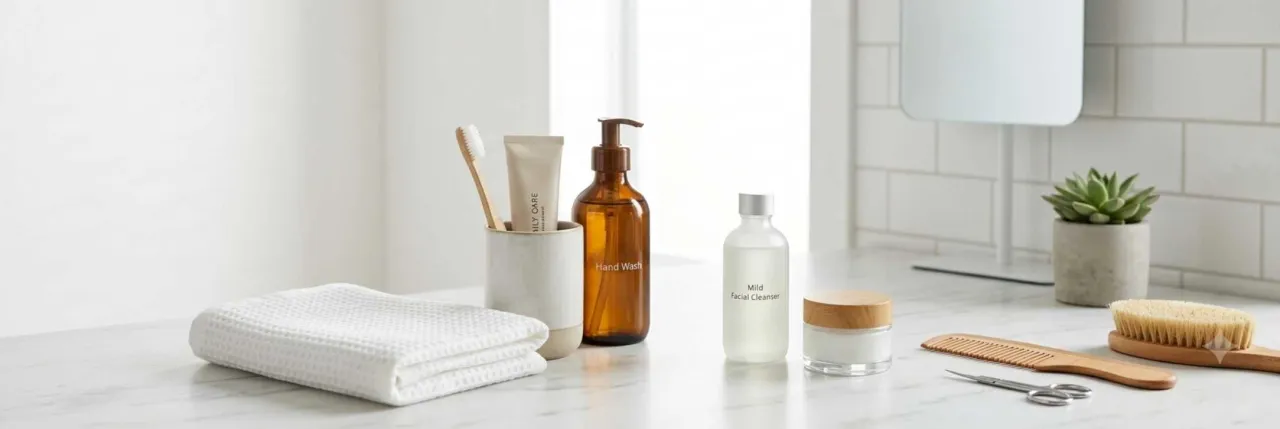
Daily Personal Hygiene Tips for Clean, Comfortable, and Confident Living

DIY Beauty Recipes for Beginners: Simple, Gentle, and Practical Ideas

Hair Care Tips For Healthy Hair: Simple Everyday Routine

Hand and Nail Care Tips for Healthy Hands and Well-Groomed Nails