

Spice Blends and Seasoning Mixes: Types, Uses, and How to Choose
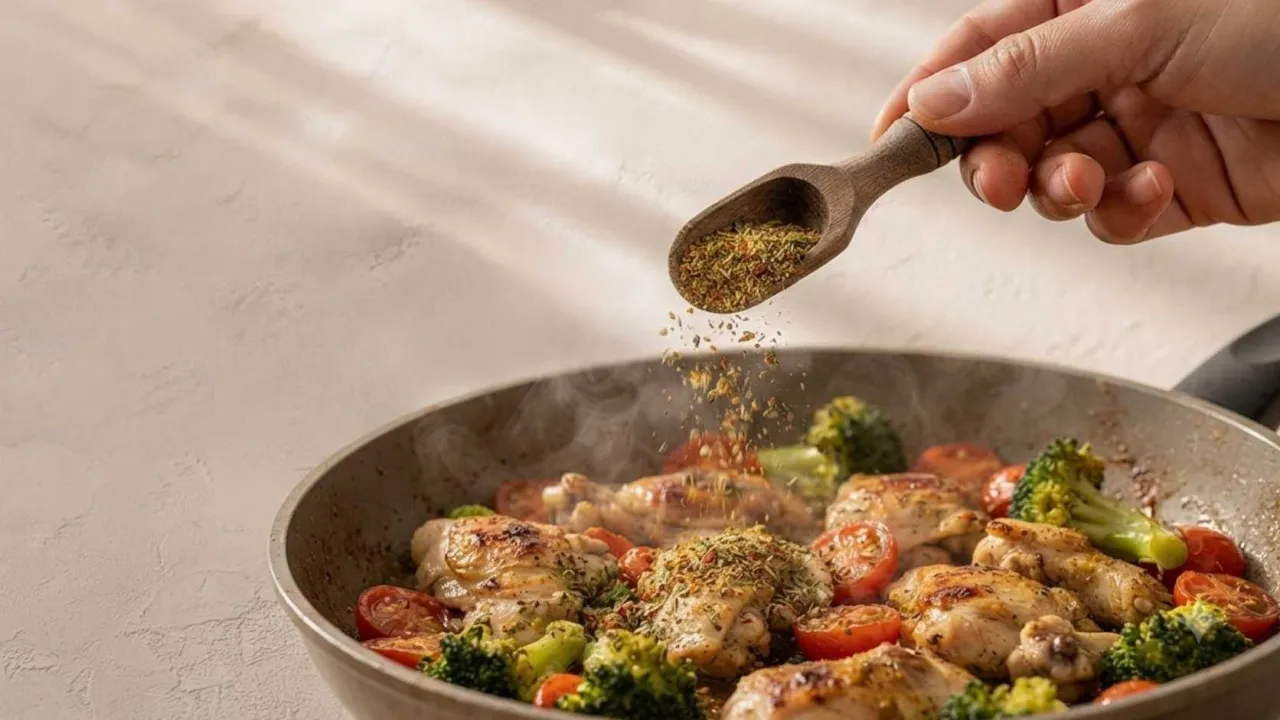
What are spice blends and seasoning mixes, and how do you choose them?
Spice blends and seasoning mixes are combinations of two or more ingredients used to add flavor, aroma, or seasoning to food. They may contain ground spices, dried herbs, salt, or other culinary ingredients, depending on the blend. To choose the right one, first consider the type of food you cook, the flavor you want, the ingredient list, and how much control you prefer over seasoning. Beginners may find ready-made blends convenient, while individual spices offer more flexibility. Checking the label, choosing a suitable quantity, and understanding how the mix is intended to be used can help you make a more informed choice.
Why are spice blends and seasoning mixes useful in everyday cooking?
Cooking with several individual spices can sometimes require choosing, measuring, and balancing multiple ingredients. A well-selected spice blend can simplify that process by bringing several complementary flavors together in one mixture.
This can be particularly useful when preparing quick weekday meals or when you are learning how different spices work together. Instead of measuring several ingredients separately, you can add a suitable amount of a blend according to the recipe and your personal taste.
However, convenience does not mean that every blend is suitable for every dish. Different mixtures are designed around different flavor profiles, so understanding what is inside the package is an important part of choosing one.
Spice blends can also help you explore new cooking styles. Once you become familiar with a particular combination, you may begin to recognize which individual spices contribute to its overall flavor. This can make it easier to experiment with your own combinations over time.
What is the difference between spice blends and seasoning mixes?
The terms "spice blend" and "seasoning mix" are sometimes used interchangeably, but they can describe slightly different types of products. A spice blend generally focuses on combining spices and sometimes dried herbs, while a seasoning mix may contain additional ingredients such as salt or other flavoring components.
There is no universal rule that applies to every product, so the ingredient list is the most reliable way to understand what you are buying. Two mixtures with similar names may have different ingredients and proportions.
| Type | Common Ingredients | Typical Use | What to Check |
|---|---|---|---|
| Spice blend | Two or more spices | Adding a specific flavor profile | Spices included and intended dishes |
| Herb and spice blend | Dried herbs and spices | Vegetables, sauces, soups, and other savory foods | Balance of herbs and spices |
| Seasoning mix | Spices, herbs, salt, and other ingredients | Quick seasoning for specific dishes | Ingredient list and salt content |
| Recipe-specific mix | Ingredients selected for a particular dish | Convenient preparation of a specific style of food | Whether the mix suits your recipe |
For beginners, the simplest approach is to think of a spice blend as a combination designed mainly around flavor, while a seasoning mix may be a broader combination intended to season a particular type of food. The exact definition can vary, so reading the label remains important.
What are the main types of spice blends and seasoning mixes?
There are many types of spice blends and seasoning mixes, and they can be grouped according to their ingredients, intended use, or flavor profile. Understanding these categories can help you choose more confidently.
Everyday spice blends
Everyday spice blends are designed for general cooking and may combine commonly used spices such as cumin, coriander, black pepper, paprika, or other seasonings. They can be useful when you want to add depth to vegetables, grains, lentils, soups, or other savory dishes.
These blends are often versatile, but their exact flavor depends on the ingredients and proportions used. Check the label before deciding how to use them.
Cuisine-inspired spice blends
Some blends are created around the flavor traditions of particular cuisines or cooking styles. They may combine aromatic spices and herbs that are commonly associated with a particular type of dish.
These blends can be convenient when you want to explore a certain flavor profile without purchasing every individual ingredient separately. However, they should be viewed as convenient seasoning options rather than strict definitions of an entire cuisine.
If you want to explore how individual spices are used across different food traditions, you can also learn about popular spices from around the world and their uses.
Herb and spice mixes
These combinations include both dried herbs and spices. They may work well with vegetables, soups, sauces, roasted foods, or other savory preparations.
Because dried herbs can have a different flavor character from spices, these mixes can provide a more balanced aromatic profile. Their best use depends on the specific ingredients in the blend.
Salt-based seasoning mixes
Some seasoning mixes contain salt as one of their main ingredients along with spices and herbs. These can be convenient because they combine seasoning and flavor in one product.
When using a salt-based mix, consider how much additional salt your recipe needs. If you add other salty ingredients as well, adjusting the overall seasoning may be necessary.
Special-purpose seasoning mixes
Some mixes are created for particular types of food, such as vegetables, rice dishes, grilled foods, soups, or snacks. These can be useful when you want a specific flavor direction without creating a combination from scratch.
Before buying a special-purpose mix, consider how frequently you prepare the foods it is designed for. A versatile blend may be more practical if you cook a wide variety of dishes.
How do you choose the right spice blend for your cooking?
Choosing a spice blend becomes easier when you first consider what you want it to do. Instead of buying a blend simply because the name sounds appealing, think about your regular meals and the flavors you enjoy.
Consider the foods you cook most often
If you frequently prepare vegetables, rice, lentils, soups, or other everyday meals, look for blends that can be used across several dishes. A versatile mixture may offer more value than a blend designed for a food you rarely prepare.
If you are still building your basic collection, it can be helpful to first understand which essential kitchen spices are useful for everyday cooking. This can help you decide which blends are genuinely worth adding rather than buying more seasonings than you need.
Think about the flavor profile
Some blends are earthy and warm, while others may be aromatic, smoky, herbal, or spicy. Consider whether you want mild seasoning, noticeable heat, or a more complex combination of flavors.
If you are unfamiliar with the ingredients, start with a small quantity. This gives you an opportunity to understand the flavor before making it a regular part of your cooking.
Read the ingredient list
The ingredient list tells you what the seasoning mix actually contains. This is especially important when you want to know whether a blend includes salt, sugar, dried herbs, or other ingredients.
Reading the label can also help you avoid buying multiple products that contain very similar combinations. This keeps your spice collection more practical and easier to manage.
For more guidance on evaluating freshness, ingredients, packaging, and other factors before purchasing, see this practical guide on how to buy good quality spices.
Check how you plan to use it
Some blends are intended to be added during cooking, while others may be used as a finishing seasoning. Follow the product instructions where available, then adjust the quantity according to your recipe and personal preference.
A blend that works well as a finishing seasoning may not always be the best choice for long cooking, and a mixture intended for cooking may have a different flavor balance. Understanding the intended use can help you get better results.
Should beginners buy spice blends or individual spices?
Both options can be useful, and the better choice depends on your cooking habits. Individual spices give you more control because you can adjust each flavor separately. Spice blends provide convenience by combining several ingredients in one product.
| Option | Main Advantage | Best For | Possible Limitation |
|---|---|---|---|
| Individual spices | Greater control over flavor | Experimenting and customized cooking | Requires more measuring |
| Spice blends | Convenient flavor combinations | Quick everyday cooking | Less control over individual ingredients |
| Seasoning mixes | Simple all-in-one seasoning | Specific dishes and quick preparation | May contain salt or other added ingredients |
| Combination of both | Flexibility and convenience | Most varied cooking routines | Requires more storage space |
A practical kitchen does not have to choose only one approach. You can keep a few individual spices for everyday use and add selected blends when they provide convenience or a flavor you enjoy.
If you want to understand the difference between these forms in more detail, learning about whole spices versus ground spices can also help you decide how to organize your basic spice collection.
How should you use spice blends and seasoning mixes?
The best way to use a blend depends on its ingredients and intended purpose. Start with a small amount and taste the dish as you cook, where appropriate. You can add more gradually if the flavor needs to be stronger.
Use blends to season vegetables
Spice blends can add variety to everyday vegetables without requiring several separate ingredients. Try using a suitable blend with roasted, sautéed, or cooked vegetables, adjusting the amount according to the dish.
Add them to rice and grains
Many aromatic blends can work well with rice and other grains. The mixture can be added during cooking or used as part of the seasoning, depending on the recipe and ingredients.
Use them in soups and sauces
Spice blends can provide a convenient way to build flavor in soups and sauces. Start with a modest amount, particularly if the mix contains salt or strong spices.
Season snacks and simple meals
Some seasoning mixes can be used to add flavor to simple foods or snacks. However, always check whether the mixture contains salt before adding additional seasoning.
Combine them with individual spices
You do not have to use a blend on its own. If a mixture provides the basic flavor you want, you can sometimes adjust the final dish with a small amount of an individual spice or herb.
For more practical ideas, exploring simple ways to use spices in everyday cooking can help you become more comfortable experimenting with different combinations.
How can you tell if a seasoning mix is suitable for you?
A suitable seasoning mix should fit your cooking style, taste preferences, and regular meals. The first thing to consider is whether you can realistically use it often enough to justify keeping it in your kitchen.
Next, check the ingredient list. If you prefer to control salt or other ingredients separately, an unsalted spice blend may give you greater flexibility. If convenience is your priority, a complete seasoning mix may be more practical.
Also consider the intensity of the blend. Strongly flavored mixtures may need only a small amount, while milder blends may be easier to adjust gradually. There is no single correct choice because personal taste and cooking habits vary.
How can you create your own spice blend at home?
Making a homemade spice blend can be a useful way to learn how individual spices work together. Start with a few ingredients that you already enjoy rather than combining a large number of spices at once.
For example, you might combine two or three complementary spices and adjust the proportions gradually. Keep notes if you are experimenting so you can recreate a combination you particularly enjoy.
Homemade blends also allow you to control each ingredient. You can decide whether to include salt, adjust the level of heat, or change the balance between aromatic and earthy spices.
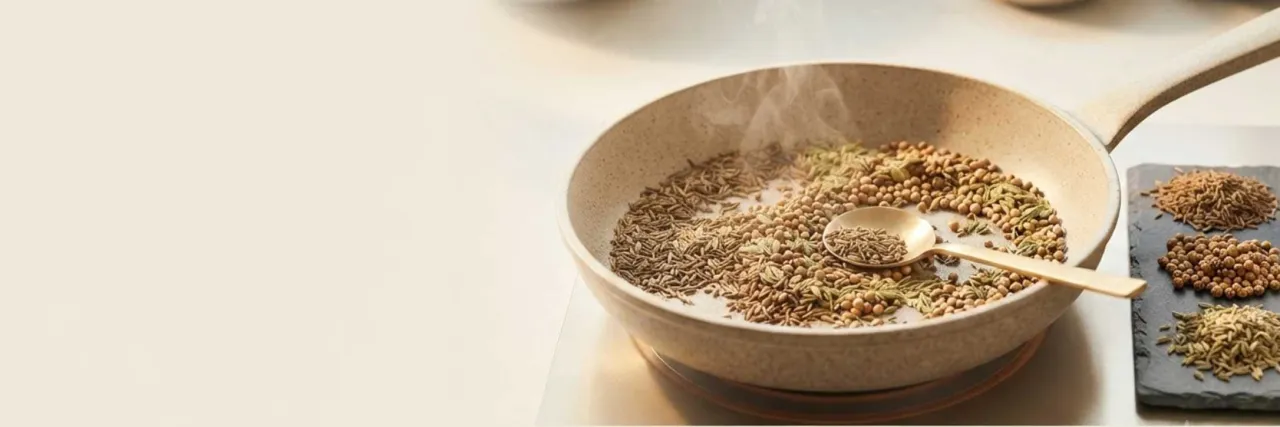
Another useful technique is to gently toast or bloom certain spices before using them in cooking. Learning how to toast and bloom spices for better flavor can help you understand how preparation methods can influence the aroma and character of individual spices.
However, homemade blends should also be stored carefully. Use clean, dry containers and avoid preparing more than you can reasonably use while the mixture remains fresh and aromatic.
What should you check before buying spice blends and seasoning mixes?
A few simple checks can make shopping easier and help you choose products that suit your needs.
- Read the complete ingredient list before buying.
- Check whether salt is included and how prominent it is in the ingredients.
- Consider whether the blend is suitable for the foods you regularly cook.
- Choose a package size that matches your actual usage.
- Look for intact and properly sealed packaging.
- Check relevant date information on the package.
- Consider whether you prefer a blend with only spices and herbs or a broader seasoning mix.
- Choose a flavor profile that matches your personal preferences.
- Buy smaller quantities when trying an unfamiliar blend for the first time.
- Store the mixture properly after opening.
How should you store spice blends and seasoning mixes?
Proper storage can help maintain the useful qualities of spices and seasoning mixes. Keep containers tightly closed and store them in a clean, dry place away from unnecessary heat, moisture, and direct light.
Avoid keeping spice containers directly beside a stove or another heat source. Steam and repeated exposure to heat can affect the quality of the contents over time.
It is also helpful to label homemade blends with the ingredients and preparation date. This makes it easier to identify the mixture later and decide how quickly it should be used.
For more practical guidance, see how to store spices properly to help keep your spice collection organized and useful.
What are common mistakes beginners make with seasoning mixes?
Adding too much at once
Using a large amount immediately can make it difficult to adjust the flavor later. Start with a smaller quantity and add more gradually when appropriate.
Ignoring the salt content
Some seasoning mixes already contain salt. Adding extra salt without checking the label can make a dish more heavily seasoned than intended.
Buying too many specialized blends
It can be tempting to collect different mixes for every type of food. However, many may remain unused if they do not match your regular cooking habits. Start with a few versatile options and expand gradually.
Assuming similar names mean identical ingredients
Two seasoning products with similar names may contain different ingredients and flavor balances. Always check the label instead of relying only on the product name.
Using the same quantity in every recipe
Different dishes require different amounts of seasoning. The quantity that works for a large pot of soup may not be suitable for a small serving of vegetables. Consider the amount of food being prepared and adjust gradually.
Storing blends incorrectly
Even a good seasoning mix can lose aroma when exposed repeatedly to heat, moisture, or air. Keep containers tightly closed and store them in a suitable location.
Beginner-friendly checklist for choosing spice blends and seasoning mixes
Use this simple checklist when choosing a blend for your kitchen:
- Identify the types of food you cook most often.
- Choose a blend that matches your usual meals and preferred flavors.
- Read the full ingredient list before buying.
- Check whether salt or other ingredients are included.
- Consider whether you want a spice-focused blend or a complete seasoning mix.
- Start with a small package when trying an unfamiliar product.
- Compare the intended use with the recipes you actually prepare.
- Store opened blends in clean, dry, tightly closed containers.
- Keep individual spices available when you want more control over flavor.
- Expand your collection gradually instead of buying more blends than you can use.
How can you get more variety from a small spice collection?
You do not need a large number of blends to create variety in everyday cooking. A few individual spices combined with one or two versatile seasoning mixes can provide many options.
For example, you can use the same basic spice collection in different proportions depending on whether you are preparing vegetables, rice, lentils, soups, or other dishes. Changing the cooking method can also affect how the flavors come together.
Learning how to pair spices with different foods can help you make better use of what you already have before purchasing additional blends.
It can also be useful to explore different spice types and understand how they contribute to food. A broader guide to spices, their uses, and how they transform food can help you become more familiar with individual ingredients and their roles in cooking.
How do you decide whether a spice blend is worth buying?
A spice blend may be worth buying when it offers a flavor combination you enjoy, saves preparation time, and fits naturally into the meals you regularly prepare. Convenience is most useful when the product actually gets used.
Before purchasing, consider whether you already have the individual spices needed to create a similar combination. If you enjoy customizing your food, individual spices may offer better flexibility. If you prefer quick preparation, a ready-made blend may be more convenient.
The best choice is therefore not necessarily the blend with the longest ingredient list or the most specialized name. It is the option that fits your cooking habits, preferences, and practical needs.
Disclaimer: Spice blends and seasoning mixes can vary considerably in ingredients, proportions, salt content, and intended use. Always check the product label and adjust quantities according to your recipe and personal preferences, especially when cooking for people with specific dietary requirements or ingredient sensitivities.
Reminder: When choosing spice blends and seasoning mixes, focus on what you will actually use rather than building the largest possible collection. A few well-chosen blends, combined with versatile individual spices, can give you plenty of flexibility while keeping your kitchen organized and practical.
Final thoughts on spice blends and seasoning mixes
Spice blends and seasoning mixes can be useful tools for both beginners and experienced home cooks. They simplify the process of combining flavors and can make everyday cooking more convenient, but choosing the right mixture still requires some attention to ingredients, intended use, and personal preference.
Understanding the difference between spice blends and broader seasoning mixes can help you make better choices. Individual spices remain valuable when you want complete control, while blends can save time and introduce convenient combinations of flavors.
The most practical approach is to start with the foods you already cook, choose blends that genuinely suit your meals, and read the ingredient list before buying. Use smaller quantities when trying something new, adjust seasoning gradually, and store your blends properly.
With a thoughtful approach, spice blends and seasoning mixes can become a useful part of your kitchen without replacing the flexibility of individual spices. The goal is not to collect every available mixture but to find a few options that make your everyday cooking easier, more varied, and enjoyable.
Frequently Asked Questions
What is the difference between a spice blend and a seasoning mix?
A spice blend usually combines multiple spices and may include dried herbs, while a seasoning mix can contain spices, herbs, salt, and other culinary ingredients. The exact meaning can vary, so checking the ingredient list is the best way to understand a specific mixture.
Are spice blends better than individual spices?
Neither is automatically better. Spice blends are convenient and provide a ready-made combination of flavors, while individual spices give you greater control over the taste and amount of each ingredient. Many kitchens benefit from using both.
How do I know which seasoning mix to buy?
Consider the foods you cook most often, the flavor profile you prefer, and the ingredients included in the mix. Choose a quantity you can realistically use and check whether the product contains salt or other ingredients you may want to manage separately.
Can I make my own spice blends at home?
Yes. You can combine a few individual spices and adjust the proportions according to your taste and cooking needs. Starting with a small combination can make it easier to understand how different flavors work together.
How should I store spice blends after opening?
Keep spice blends in tightly closed containers in a clean, dry place away from unnecessary heat, moisture, and direct light. Proper storage can help maintain their aroma and useful qualities for longer.
Was this article helpful?
Share your feedback — select a reaction.
Are you satisfied with these answers?
If you'd like to ask something else, you can post your question here.
Comments (0)
Comments are reviewed before they appear.
Loading comments…
More Blogs
How to Buy Good Quality Spices: A Practical Guide to Choosing Better Spices
Essential Kitchen Spices Every Home Should Have
How to Pair Spices With Different Foods: A Practical Guide to Better Flavor Combinations
How to Toast and Bloom Spices for Better Flavor: A Practical Guide