

How to Pair Spices With Different Foods: A Practical Guide to Better Flavor Combinations
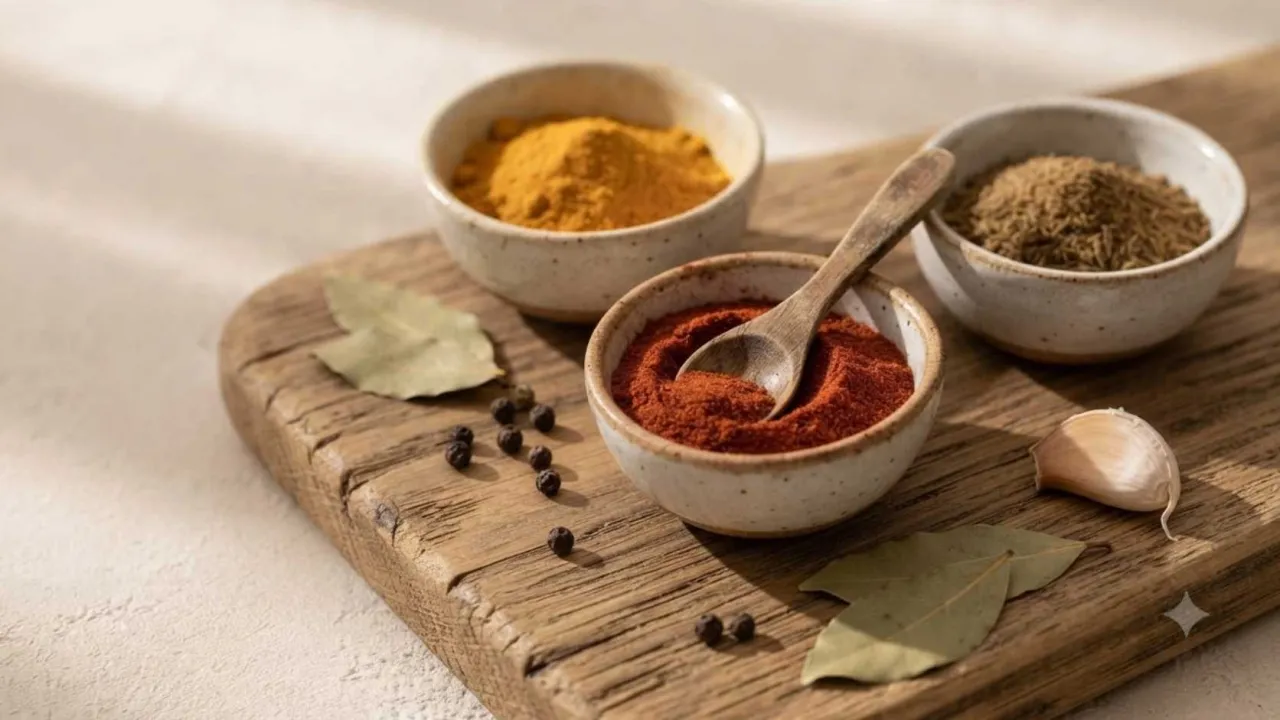
How can you pair spices with different foods?
To pair spices with different foods, start by considering the natural flavor of the main ingredient and choose spices that complement rather than overpower it. Earthy spices such as cumin and coriander can work well with vegetables, lentils, and legumes, while warm spices such as cinnamon, cardamom, and cloves are often suitable for rice dishes, desserts, and beverages. Black pepper can add warmth to savory foods, while herbs and lighter seasonings may suit delicate ingredients. Learning how to pair spices with different foods is mainly about understanding flavor balance, cooking methods, and personal preference. Start with small amounts, taste as you cook, and adjust gradually.
Why does spice pairing matter in everyday cooking?
Spices can change the aroma, warmth, depth, and overall character of a dish. The right combination can bring different ingredients together, while an unsuitable or overly strong combination may make the original flavors harder to notice.
Good spice pairing does not mean following a strict list of rules. The same spice can work with many different foods depending on how it is prepared. For example, cumin may be used with vegetables, lentils, rice, or soups, while cinnamon can appear in both sweet and savory dishes.
For beginners, it is useful to think of spices as ingredients that support the main food rather than ingredients that should dominate every dish. Understanding different types of spices and how they transform food can make it easier to recognize the role each spice plays in cooking.
What are the basic principles of pairing spices with food?
There are a few simple principles that can help you become more confident when combining spices. You do not need to memorize hundreds of combinations. Instead, start by understanding the main flavor characteristics of the spices you already have.
Match the intensity of the spice with the food
Strong spices generally work better with foods that can handle their bold character. For example, cloves and star anise have pronounced aromas, so they are often used in small amounts. More delicate foods may need lighter seasoning so that their natural flavors remain noticeable.
Think about the cooking method
The way a food is prepared can influence which spices work well with it. A spice used in a slow-cooked curry may behave differently from the same spice sprinkled over a finished salad or soup.
Toasting or blooming certain spices can also change their aroma and help integrate them into a dish. If you want to understand this technique, learning how to toast and bloom spices for better flavor can be a useful next step.
Consider the natural flavor of the main ingredient
Before choosing spices, think about whether the main ingredient is mild, sweet, earthy, rich, or naturally aromatic. Mild vegetables may work well with cumin, coriander, or black pepper, while naturally sweet foods may complement cinnamon, cardamom, or nutmeg.
Use complementary flavors rather than too many spices
A common beginner mistake is adding many spices at once. A simpler combination of two or three well-matched spices can often be easier to understand and adjust than a long list of ingredients.
Start with a familiar combination and change one element at a time. This approach allows you to learn which flavors you actually enjoy.
Which spices pair well with vegetables?
Vegetables have a wide range of natural flavors, so the best spice combination depends on the specific vegetable and cooking method. Roasted vegetables, stir-fries, curries, and soups may all benefit from different seasoning approaches.
| Vegetable Type | Spices to Consider | Flavor Direction |
|---|---|---|
| Potatoes | Cumin, coriander, turmeric, black pepper | Earthy, warm, and savory |
| Carrots | Cumin, cinnamon, black pepper | Warm and aromatic |
| Cauliflower | Cumin, coriander, turmeric, chili | Earthy and mildly warm |
| Spinach and leafy greens | Cumin, black pepper, coriander | Warm and balanced |
| Sweet potatoes | Cinnamon, cumin, black pepper | Warm, earthy, and slightly sweet |
| Tomatoes | Black pepper, cumin, coriander | Warm and savory |
These combinations are starting points rather than strict rules. You can adjust them according to the dish, cooking method, and your personal taste.
If you are new to cooking with spices, exploring simple ways to use spices in everyday cooking can help you become more comfortable with seasoning vegetables and other everyday foods.
How should you pair spices with rice and grains?
Rice and grains have relatively mild flavors, which makes them useful for carrying aromatic spices. The right combination can add fragrance and warmth without making the dish overly complicated.
Cumin with rice
Cumin is commonly used with rice because its earthy aroma can complement the mild flavor of cooked grains. Whole cumin seeds can be added during cooking, while ground cumin may be mixed into prepared dishes depending on the recipe.
Cinnamon and cardamom with aromatic rice
Cinnamon and cardamom can add a warm, fragrant character to rice dishes. They are often used with other aromatic ingredients and can be particularly suitable when preparing more richly seasoned rice.
Black pepper with grains
Black pepper can add warmth to rice, quinoa, and other grains. It is especially useful when you want a simple seasoning that does not significantly change the overall character of the dish.
Coriander with grain-based meals
Coriander can provide an earthy and slightly citrus-like note that works well with many savory grain dishes. It can be used alone or combined with other spices depending on the recipe.
When deciding between whole and ground spices for rice dishes, your cooking method and convenience matter. A guide to whole spices versus ground spices can help you choose the form that fits your routine.
Which spices pair well with lentils and legumes?
Lentils, beans, and other legumes are naturally mild and can take on a wide range of flavors. This makes them particularly suitable for experimenting with spice combinations.
Cumin and coriander are common choices for lentil dishes because they provide earthy and aromatic notes. Turmeric can add a distinctive color and earthy character, while black pepper can bring warmth.
For a stronger flavor profile, chili can be added according to personal preference. The amount should be adjusted based on the type of chili and the desired level of heat.
When preparing beans or lentils, consider the complete dish rather than focusing only on the main ingredient. If the recipe already includes strongly flavored ingredients, you may need fewer spices to maintain balance.
How can you pair spices with soups and stews?
Soups and stews are flexible dishes that can accommodate many different spice combinations. Because they often cook for longer periods, spices can gradually blend with other ingredients and create a more integrated flavor.
For vegetable soups
Cumin, coriander, black pepper, and mild chili can complement many vegetable-based soups. The choice depends on whether you want the final dish to taste earthy, warm, aromatic, or mildly spicy.
For creamy soups
Black pepper, nutmeg, cumin, or mild warming spices may work well in selected creamy soups. Use stronger spices carefully so they do not overpower the main ingredients.
For bean and lentil soups
Cumin, coriander, turmeric, and black pepper are practical starting points. You can adjust the combination depending on the vegetables, herbs, and other ingredients already present.
For hearty stews
Warm spices such as cinnamon, cloves, cumin, or coriander may complement certain hearty stews. These spices are usually best used thoughtfully because their aromas can become prominent during longer cooking.
What spices pair well with chicken, meat, and other savory foods?
Different savory foods can work with a broad range of spices. The best combination depends on the type of protein, cooking method, and cuisine you are preparing.
Black pepper is a versatile choice for many savory dishes. Cumin and coriander can provide earthy depth, while paprika or chili can add color and warmth. Cinnamon, cloves, and cardamom may be used in selected dishes where a more aromatic flavor profile is desired.
For beginners, it can be helpful to start with one main spice and one supporting spice. For example, black pepper can provide warmth while coriander adds an earthy note. Once you understand how the combination tastes, you can gradually experiment with additional ingredients.
Learning about different spice pairings and how they complement specific foods can help you build confidence when experimenting with savory dishes.
How do you pair spices with fruits and sweet foods?
Spices are not limited to savory cooking. Many warm and aromatic spices can complement naturally sweet foods and desserts.
Cinnamon with apples and other fruits
Cinnamon is commonly paired with apples and other sweet fruits. Its warm character can complement the natural sweetness of fruit without requiring a complicated spice combination.
Cardamom with desserts and beverages
Cardamom has a distinctive aroma that can work well in desserts, baked foods, and warm beverages. It is often used in small amounts because its flavor can be quite noticeable.
Cloves with selected sweet preparations
Cloves have a strong aromatic character and may be suitable for certain desserts, fruit preparations, and warm beverages. Because of their intensity, a small amount may be enough.
Nutmeg with creamy and baked foods
Nutmeg can complement selected creamy dishes, baked foods, and desserts. It is generally used sparingly because of its strong aroma.
| Food Type | Spices to Consider | General Flavor Character |
|---|---|---|
| Apples and pears | Cinnamon, cardamom | Warm and aromatic |
| Rice puddings | Cardamom, cinnamon | Fragrant and warm |
| Chocolate desserts | Cinnamon, cardamom, chili | Warm and layered |
| Warm beverages | Cinnamon, cardamom, cloves | Rich and aromatic |
| Baked foods | Cinnamon, nutmeg, cardamom | Sweet and warming |
These pairings are flexible, and personal preference plays an important role. You can experiment with small amounts to find combinations that suit your taste.
How can you pair spices with beverages?
Warm spices are commonly used in beverages because their aromas can blend naturally with hot liquids. Cinnamon, cardamom, cloves, ginger, and nutmeg are examples of spices that may be used in different drink preparations.
For a simple combination, cinnamon and cardamom can create a warm and aromatic profile. Cloves can add a stronger character, while ginger can provide a sharper and warmer note.
When combining multiple spices in a beverage, start with small amounts. A drink can quickly become dominated by one strong spice, especially when using cloves or cardamom.
Which spices work well together?
Some spices naturally complement one another because their flavor characteristics create a balanced combination. However, there is no universal rule that every spice must be paired with a specific ingredient.
| Spice Combination | Common Flavor Character | Foods to Consider |
|---|---|---|
| Cumin and coriander | Earthy and aromatic | Vegetables, lentils, beans, rice |
| Cinnamon and cardamom | Warm and fragrant | Rice dishes, desserts, beverages |
| Black pepper and cumin | Warm and earthy | Soups, vegetables, savory dishes |
| Coriander and chili | Earthy with heat | Curries, vegetables, legumes |
| Cinnamon and cloves | Strong and aromatic | Beverages, selected desserts, rice dishes |
When using combinations, consider the intensity of each spice. If two strong spices are used together, smaller quantities may be more suitable than using both generously.
How can beginners learn to pair spices with different foods?
The easiest approach is to experiment gradually. Choose one familiar food and try it with one or two spices. Pay attention to how the aroma and flavor change.
- Choose the main ingredient or dish you want to season.
- Think about its natural flavor and intensity.
- Select one main spice that complements the ingredient.
- Add a second spice only if it supports the flavor you want.
- Start with a small amount and taste as you cook.
- Adjust the seasoning gradually rather than adding many spices at once.
- Make a note of combinations you enjoy so you can recreate them later.
This simple process helps you understand spices through experience rather than memorizing complicated lists.
How does the form of a spice affect food pairing?
Whole and ground spices can behave differently during cooking. Whole spices may be toasted or infused, while ground spices can distribute more evenly throughout a dish.
For example, whole cumin seeds may be used at the beginning of cooking to build aroma, while ground cumin can be mixed directly into a sauce, soup, or spice blend.
The choice between whole and ground spices should depend on the recipe and your cooking habits. Understanding the differences between the two forms can help you decide which option is most practical for each dish.
What are common mistakes when pairing spices with food?
Using too many spices at once
Adding many spices does not automatically create better flavor. Too many strong ingredients can make it difficult to identify individual flavors and may overwhelm the main food.
Ignoring the strength of individual spices
Not all spices have the same intensity. Cloves, cardamom, and some chili varieties can be particularly noticeable, so beginners may want to use them carefully.
Choosing spices without considering the main ingredient
A spice that works beautifully in one dish may not be the best choice for another. Think about the natural flavor and texture of the food before selecting your combination.
Adding all spices at the same stage
Some spices may benefit from early cooking, while others are better added later. The timing can affect the final aroma and flavor of the dish.
Not tasting while cooking
Recipes provide useful guidance, but personal preferences vary. Tasting as you cook allows you to adjust the balance before serving.
Following combinations too rigidly
Traditional pairings can provide helpful starting points, but they are not the only possibilities. Experimenting with familiar spices can help you discover combinations that suit your own cooking style.
Beginner-Friendly Checklist for Pairing Spices With Different Foods
Use this simple checklist when you are unsure which spices to choose:
- Identify the main ingredient before selecting your spices.
- Think about whether the food is mild, earthy, sweet, rich, or naturally aromatic.
- Choose one main spice that complements the ingredient.
- Add a second spice only when it supports the overall flavor.
- Consider the cooking method before deciding when to add the spice.
- Start with small amounts, especially when using strong spices.
- Taste during cooking and adjust gradually.
- Do not assume that more spices will always create better flavor.
- Experiment with both traditional and simple combinations.
- Keep track of combinations that work well for your personal taste.
How can you improve your spice pairing skills over time?
Becoming comfortable with spice pairing is mainly a matter of observation and practice. Instead of trying to learn every possible combination, focus on understanding a few spices at a time.
Start by learning the basic character of commonly used spices such as cumin, coriander, turmeric, black pepper, cinnamon, cardamom, and cloves. Once you know how each one tastes and smells, it becomes easier to predict which foods may complement them.
You can also explore different cuisines to see how spices are traditionally combined. A guide to popular spices from around the world and their uses can introduce you to new flavor ideas without requiring you to change your cooking style completely.
Another useful approach is to experiment with one familiar food in several ways. For example, roasted vegetables can be seasoned with cumin and coriander one day and cinnamon with black pepper on another occasion. Comparing the results can help you understand how different spice combinations affect the same ingredient.
How should you choose spices for a new recipe?
When trying a new recipe, begin by following the basic seasoning direction provided by the recipe. Once you understand the intended flavor, you can make small adjustments according to your preference.
If you are purchasing new spices for a recipe, choose quantities that match how often you expect to use them. A practical guide on how to buy good quality spices can help you consider freshness, packaging, ingredients, and quantity before making a purchase.
You can also check whether you already have similar spices at home. Many recipes can be adapted using familiar ingredients, although substitutions may change the final flavor.
How should you store spices after choosing them?
Good spice pairing begins with spices that still have a useful aroma and flavor. Proper storage can help maintain the quality of the spices you use regularly.
Keep spices in clean, tightly closed containers and protect them from unnecessary moisture, heat, and direct light. Avoid storing them directly beside a hot stove or in areas where cooking steam frequently reaches the containers.
Organizing spices so that frequently used ingredients are easy to find can also make everyday cooking more convenient. For more practical guidance, see how to store spices properly so they stay fresh and flavorful longer.
What is the best way to practice spice pairing at home?
The best approach is to start with familiar foods and make small changes. Choose a simple dish such as roasted vegetables, lentils, rice, or soup and season it with one or two spices you already know.
Pay attention to how the food changes when you adjust the amount or introduce a second spice. Over time, you will begin to recognize which combinations suit your preferences and which flavors work best with particular ingredients.
Do not worry about getting every combination right on the first attempt. Spice pairing is flexible, and personal taste is an important part of cooking. The goal is to become comfortable enough to make thoughtful choices rather than relying on a fixed list of rules.
Disclaimer: Spice pairings in this guide are general cooking suggestions rather than strict rules. Flavor preferences and traditional combinations can vary between cuisines and individuals, so adjust ingredients and quantities according to the specific dish and your personal taste.
Reminder: When learning how to pair spices with different foods, start with simple combinations and make gradual adjustments. A few well-matched spices can be easier to balance than a large number of strong flavors, so focus on understanding what each spice contributes to the dish.
Final Thoughts on How to Pair Spices With Different Foods
Learning how to pair spices with different foods does not require memorizing a complicated list of rules. Start by considering the natural flavor of the main ingredient, the intensity of the spices, and the way the food is being cooked.
Cumin, coriander, black pepper, cinnamon, cardamom, cloves, and other familiar spices can be used in many different ways depending on the dish. Vegetables, lentils, rice, soups, savory foods, desserts, and beverages can all provide opportunities to experiment with new combinations.
The most useful approach is to start small, taste as you cook, and adjust gradually. Over time, you will become more familiar with the character of individual spices and gain a better understanding of which combinations suit different foods.
Ultimately, good spice pairing is about balance rather than complexity. Choose spices that complement the main ingredient, use strong flavors thoughtfully, and allow your personal taste to guide your choices. With practice, pairing spices with different foods can become a simple and enjoyable part of everyday cooking.
Frequently Asked Questions
How do I know which spices go well together?
Start by considering the flavor characteristics of each spice. Earthy spices such as cumin and coriander often complement one another, while warm spices such as cinnamon and cardamom can work well in aromatic dishes and beverages. Begin with small combinations and adjust according to taste.
What is the easiest way for beginners to learn spice pairing?
Choose familiar foods and experiment with one or two spices at a time. Taste the dish as you cook and make notes about combinations you enjoy. This gradual approach can help you understand how different spices affect flavor.
Can the same spice be used with different types of food?
Yes. Many spices are versatile and can be used with vegetables, grains, legumes, soups, or other dishes. The amount, cooking method, and combination with other ingredients can change the final flavor considerably.
Should I use whole or ground spices when pairing flavors?
Both forms can be useful. Whole spices may be suitable for toasting or infusing, while ground spices are convenient for mixing directly into recipes. Choose the form based on the dish and your cooking routine.
How many spices should I use in one dish?
There is no fixed number because recipes and cuisines vary. For beginners, starting with one or two complementary spices can make it easier to understand the flavor. You can gradually add more as you become comfortable with the combination.
Was this article helpful?
Share your feedback — select a reaction.
Are you satisfied with these answers?
If you'd like to ask something else, you can post your question here.
Comments (0)
Comments are reviewed before they appear.
Loading comments…
More Blogs
How to Buy Good Quality Spices: A Practical Guide to Choosing Better Spices
Essential Kitchen Spices Every Home Should Have

Spice Blends and Seasoning Mixes: Types, Uses, and How to Choose
How to Toast and Bloom Spices for Better Flavor: A Practical Guide