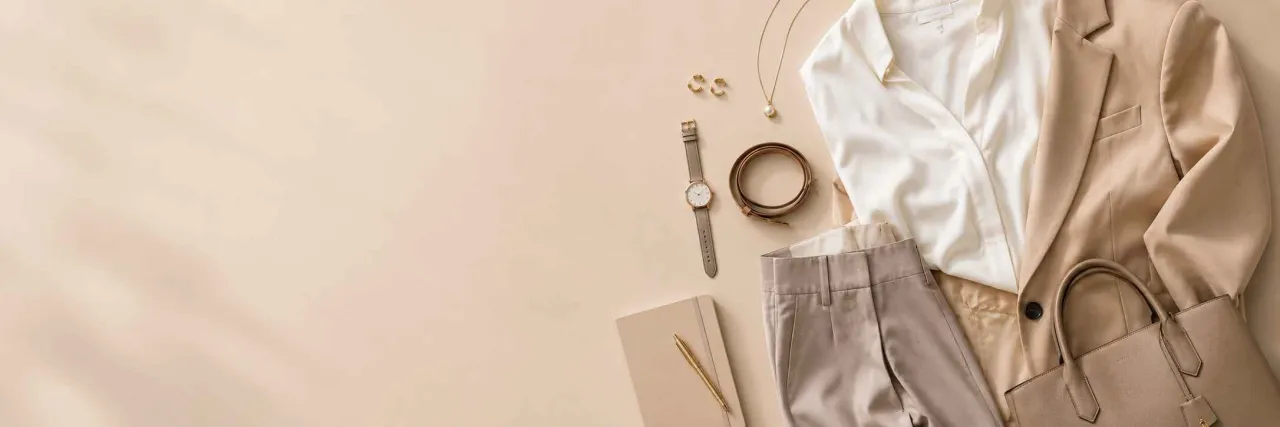
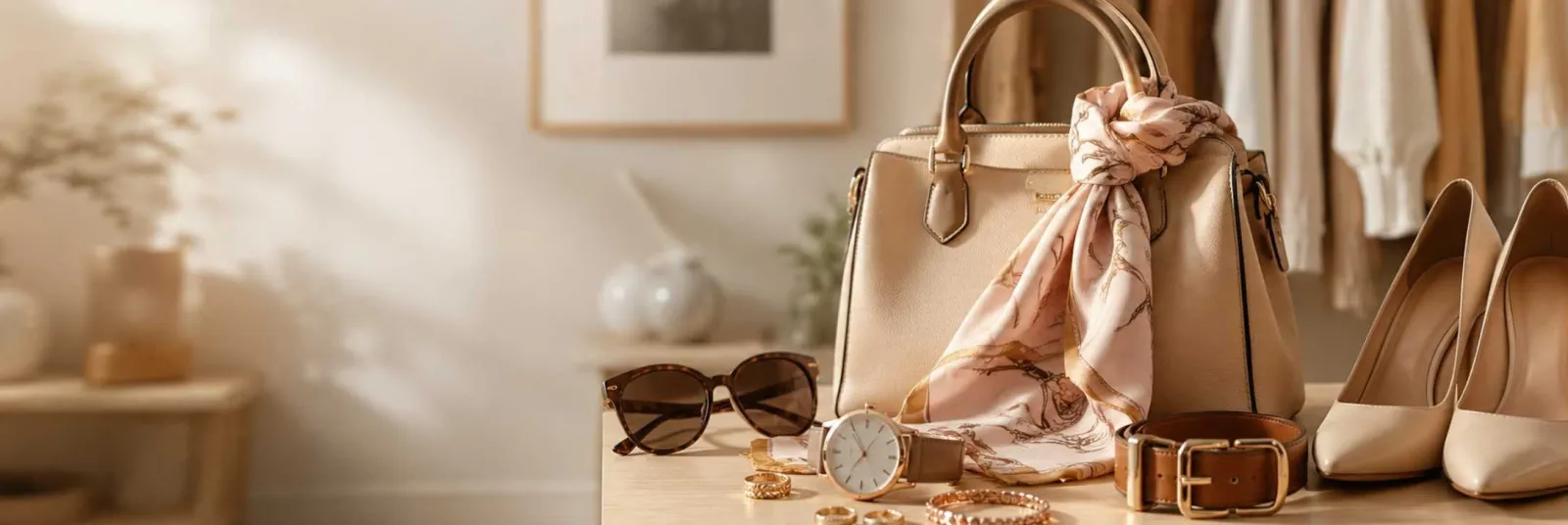
Essential Fashion Accessories Guide for Every Wardrobe
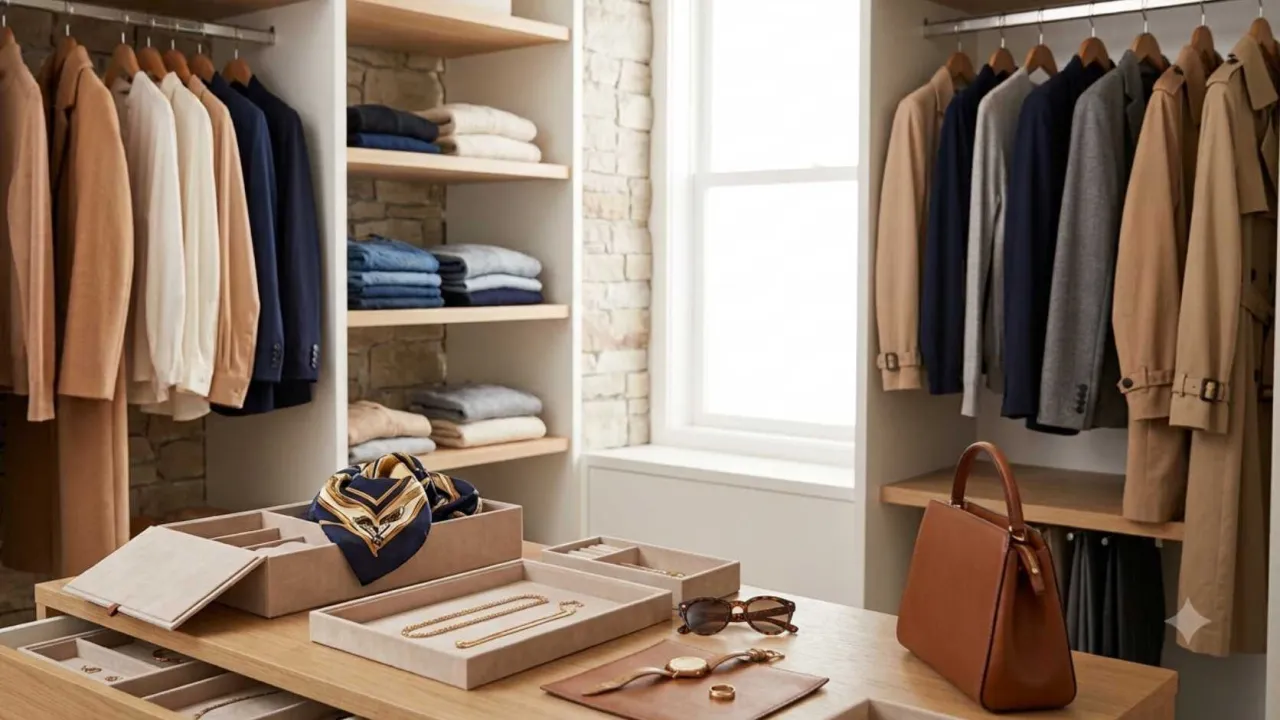
What Are the Essential Fashion Accessories for Every Wardrobe?
Essential fashion accessories usually include a practical everyday bag, a versatile belt, simple jewelry, a comfortable watch, a weather-appropriate scarf, and suitable eyewear or headwear when needed. The right selection depends on your lifestyle, climate, clothing style, work requirements, and personal preferences.
Choose accessories that coordinate with several outfits, feel comfortable, and serve a clear purpose. You do not need every popular accessory or several versions of the same item. A small, thoughtful collection can make basic outfits feel more complete while keeping your wardrobe organized, wearable, and easy to maintain.
Why Fashion Accessories Matter
Fashion accessories may be smaller than your main garments, but they can influence how an outfit looks and functions. A belt can shape a loose dress, a scarf can add color, and a structured bag can make casual clothing feel more polished.
They also allow you to repeat the same clothes in different ways. Changing a necklace, bag, shoes, or scarf can alter the mood of an outfit without requiring an entirely new set of clothing.
Fashion accessories can also solve practical everyday needs. Bags carry daily essentials, hats provide weather coverage, belts adjust fit, and watches help with timekeeping. The most useful accessories combine function with personal style.
However, more accessories do not automatically create a better outfit. The goal is to choose a few pieces that feel intentional and support the clothes you already wear.
Start With Your Lifestyle and Daily Needs
Before creating an accessory collection, consider how you spend a typical week. A person who commutes with a laptop may need a strong, spacious bag, while someone who carries only a phone and keys may prefer a smaller crossbody style.
Think about your work environment, social activities, climate, transportation, and comfort. Formal offices, casual workplaces, outdoor routines, travel, and family responsibilities can all require different accessories.
Ask yourself:
- What do I carry every day?
- Do I need hands-free bags for walking or commuting?
- Which colors appear most often in my clothes?
- Do I prefer minimal, classic, bold, or decorative details?
- Which accessories do I already use regularly?
- What weather conditions do I need to dress for?
If you are organizing a smaller clothing collection, a capsule wardrobe guide can help you identify accessories that coordinate with several outfits rather than serving only one look.
Choose a Practical Everyday Bag for Your Wardrobe
An everyday bag should hold your regular essentials without becoming uncomfortable or difficult to organize. The ideal size depends on whether you carry items such as a wallet, water bottle, notebook, makeup pouch, tablet, or laptop.
Check the strap length, handle comfort, weight, closures, pockets, lining, and overall structure. A bag may look attractive when empty but become heavy or awkward when filled.
Common everyday options include tote bags, shoulder bags, backpacks, crossbody bags, and structured handbags. Each serves a different purpose:
- A tote offers space but may need internal organizers.
- A crossbody bag keeps the hands free and may suit travel or walking.
- A backpack distributes weight across both shoulders.
- A structured handbag may suit professional or polished outfits.
- A small shoulder bag works well when you carry only a few essentials.
Choose a color that works with much of your wardrobe. Neutral shades are versatile, but a deep green, burgundy, blue, or another favorite color can also function as an everyday option when it coordinates with your clothes.
Use Belts for Fit, Shape, and Visual Balance
Belts can be functional or decorative. They may secure trousers, define the waist, shape a dress, or add contrast to a simple outfit.
A medium-width belt in a versatile color is a useful starting point. Check whether it works with your trouser loops and whether the buckle feels comfortable when sitting.
Narrow belts create light definition and often work with dresses, skirts, or tailored clothing. Wider belts make a stronger visual statement and may suit longer shirts, coats, or loose dresses.
Belt placement also changes proportions. Wearing one at the natural waist can create a different visual line through an outfit. Guidance on how to dress according to your body type may offer useful proportion ideas, but the final choice should reflect your comfort and preferred style.
Select Everyday Jewelry That Matches Your Routine
Jewelry can add detail, texture, shine, and personality to an outfit. Beginners do not need a large collection. A few comfortable pieces can cover many situations.
Useful starting options may include small earrings, a simple necklace, a bracelet, a ring, or one statement piece. Choose categories you genuinely enjoy rather than buying every suggested essential.
Consider scale and comfort. Small jewelry may suit daily wear and busy outfits, while larger pieces can become the main focus of a simpler look.
Check clasps, posts, edges, weight, and materials before purchasing. Heavy earrings or sharp details may become uncomfortable after several hours.
Store jewelry in a dry place where pieces do not rub, tangle, or snag. Keep delicate chains separated and remove jewelry before activities that may expose it to water, chemicals, or impact when appropriate.
Compare Common Fashion Accessories
| Accessory | Main Purpose | Versatile Starting Option | What to Check |
|---|---|---|---|
| Everyday bag | Carries personal items and supports the outfit | Medium-sized bag in a frequently worn color | Weight, straps, pockets, closures, and capacity |
| Belt | Adjusts fit or defines shape | Medium-width belt with a simple buckle | Length, hole placement, flexibility, and loop width |
| Jewelry | Adds detail, shine, or personality | Simple earrings or a lightweight necklace | Comfort, edges, clasps, weight, and material |
| Scarf | Adds warmth, color, or texture | Medium-weight scarf in a coordinating shade | Fabric feel, size, care needs, and climate |
| Watch | Provides timekeeping and visual structure | Comfortable design suited to daily activities | Strap fit, readability, weight, and maintenance |
| Hat | Offers weather coverage and styling detail | Simple shape suited to the local climate | Fit, comfort, storage, and outfit compatibility |
Add Scarves for Color, Texture, and Warmth
Scarves are flexible accessories because they can serve both practical and decorative purposes. A lightweight scarf may add color during mild weather, while a heavier style can provide warmth in colder conditions.
Choose a size that feels easy to manage. Very large scarves offer several styling options but may feel bulky, while narrow scarves create lighter detail.
Consider fabric texture and maintenance. Wool and thick knits may provide warmth, while cotton, linen, or lightweight blends may suit warmer weather. Delicate materials may require careful washing or storage.
Scarves can be worn around the neck, over the shoulders, tied to a bag, or used as a head covering when appropriate. Avoid complicated styling if it feels uncomfortable or requires constant adjustment.
Choose a Watch That Fits Your Lifestyle
A watch can be practical, decorative, or both. The most suitable design depends on your work, hobbies, comfort, and preferred level of formality.
Check whether the display is easy to read and whether the strap fits without pinching or sliding excessively. A lightweight watch may be more comfortable for long daily wear.
Simple designs often coordinate with casual and formal clothing, but a colorful or distinctive watch can also become part of your personal style.
Consider maintenance requirements such as battery replacement, charging, strap cleaning, or water exposure. Avoid assuming that a more complicated design is automatically more useful.
Use Sunglasses and Eyewear as Functional Accessories
Sunglasses combine practical eye coverage with style. Choose a pair that fits securely at the bridge, sits comfortably behind the ears, and does not slide when you move.
Frame shape can influence the proportions of the face, but personal comfort and preference are more important than strict style rules. Try several sizes and designs to see which feel balanced.
Store sunglasses in a protective case to reduce scratches and avoid placing them face down on hard surfaces. Clean the lenses with a suitable soft cloth rather than rough fabric.
Prescription glasses can also function as part of an outfit. If you wear them daily, consider how the frame color and shape coordinate with your usual clothing and accessories.
Select Hats According to Climate and Purpose
Hats can provide warmth, shade, rain coverage, or a finishing detail. The right type depends on your environment and daily activities.
Warm-weather options may include wide-brimmed hats, caps, or lightweight woven styles. Cold-weather choices may include knitted hats or structured wool designs.
Check whether the hat stays secure without feeling tight. Consider how it works with your hairstyle, outerwear, and transportation needs.
Store structured hats where they will not be crushed. Clean them according to the material and care instructions rather than placing every style in a washing machine.
Choose Footwear as Part of Your Accessory Plan
Footwear is sometimes treated as a clothing category, but it also plays the role of an accessory by changing the formality, color balance, and overall direction of an outfit.
A practical wardrobe may include everyday walking shoes, a smarter option, weather-appropriate footwear, and activity-specific shoes. The exact number depends on your routine.
Comfort should be evaluated while standing and walking. Check toe space, heel movement, sole flexibility, fastenings, and how the shoes work with your usual trousers, skirts, or dresses.
Do not buy uncomfortable shoes only because they match an outfit. A versatile pair should support both appearance and realistic movement.
Coordinate Accessories Without Matching Everything
Accessories do not need to be exactly the same color or material. An outfit often feels more natural when the pieces relate to one another without appearing perfectly matched.
You can create coordination by repeating one color, texture, metal tone, or level of formality. For example, a brown belt may work with tan shoes even when the shades are not identical.
When an outfit contains a bold print, simpler accessories may allow the clothing to remain the focus. With plain garments, a brighter bag, scarf, or necklace can add interest.
Try removing one item when an outfit feels crowded. Accessories should support the overall look rather than compete for attention.
Build a Small but Versatile Fashion Accessory Collection
Begin with accessories that solve regular needs. You may need one dependable work bag, one casual crossbody bag, two belts, a scarf, simple jewelry, and suitable seasonal items.
Create outfit combinations using what you already own before shopping. A new accessory should ideally work with several garments and situations.
Use smart shopping tips for buying quality clothes when evaluating accessories as well. Inspect stitching, hardware, lining, fastenings, materials, comfort, and maintenance instead of judging value only by appearance or price.
A smaller collection can still offer variety when the pieces have different functions. One structured bag, one relaxed bag, and a few jewelry options may be more useful than several nearly identical items.
Care for Fashion Accessories Properly
Fashion accessories collect dust, moisture, skin oils, makeup, and dirt during regular use. Regular care can help preserve their appearance and function.
Empty bags before storage and wipe the interior when needed. Support structured bags with clean filling so they keep their shape, but avoid overstuffing them.
Roll or loosely coil belts instead of folding them sharply. Store scarves clean and dry, and keep jewelry separated to reduce tangling and scratches.
Allow damp hats, shoes, and bags to dry fully before storing them. Avoid placing wet items near direct heat unless their care instructions allow it.
The same principles found in practical clothing care tips also apply to many accessories: follow material-specific instructions, reduce unnecessary heat and friction, and address small damage early.
Common Fashion Accessory Mistakes to Avoid
- Buying accessories without a purpose: Attractive items may remain unused when they do not suit your routine.
- Matching every piece exactly: Perfect color matching is not necessary for a coordinated outfit.
- Ignoring comfort: Heavy jewelry, tight belts, or awkward bags may be difficult to wear.
- Choosing the wrong bag size: A bag should hold your essentials without becoming unnecessarily heavy.
- Wearing too many focal pieces: Several bold accessories can compete with one another.
- Following every trend: Popular accessories may not suit your existing wardrobe or personal style.
- Buying poor fastenings: Weak clasps, zippers, and buckles can reduce usefulness.
- Neglecting maintenance: Dirt, moisture, and careless storage may affect materials and shape.
- Keeping uncomfortable footwear: Shoes should support real movement, not only appearance.
- Assuming essentials are universal: Your climate, lifestyle, culture, and preferences determine what is useful.
Beginner-Friendly Fashion Accessories Checklist
- Review the accessories you already use regularly.
- Identify practical gaps before shopping.
- Choose an everyday bag based on what you carry.
- Select belts that fit your clothing loops and waist comfortably.
- Begin with jewelry that feels lightweight and easy to wear.
- Choose scarves according to climate and fabric preference.
- Check watch comfort, readability, and maintenance needs.
- Try sunglasses for fit rather than shape alone.
- Select hats for realistic weather and activities.
- Choose shoes that support walking and movement.
- Coordinate accessories without matching everything exactly.
- Test each new item with several existing outfits.
- Inspect stitching, hardware, closures, and lining.
- Store accessories clean, dry, and properly supported.
- Remove one item if an outfit feels overcrowded.
How to Develop a Personal Accessory Style
Pay attention to the accessories you naturally repeat. You may prefer small jewelry, structured bags, colorful scarves, simple watches, or bold eyewear.
These patterns can become part of your personal style. You do not need to change accessories constantly for outfits to feel intentional.
Choose one or two signature elements and allow the rest of the outfit to remain flexible. A consistent metal tone, preferred bag shape, or regular use of scarves can make your wardrobe feel connected.
Your preferences may change with age, work, climate, or lifestyle. Review your collection occasionally and keep the pieces that remain comfortable, useful, and enjoyable.
Disclaimer: This guide offers general fashion and wardrobe-planning ideas. Accessory needs vary according to personal style, comfort, climate, culture, accessibility, occupation, and budget.
Final Thoughts on Essential Fashion Accessories
Essential fashion accessories should make your wardrobe more functional and expressive. A useful collection may include a dependable bag, comfortable belt, simple jewelry, scarf, watch, eyewear, hat, and footwear suited to your lifestyle.
Reminder: You do not need to own every accessory described as essential. Begin with the pieces that solve real needs, coordinate with your clothes, and feel comfortable enough to use regularly.
The best fashion accessories are not necessarily the most expensive or noticeable. Choose pieces that suit your wardrobe, daily routine, comfort, and personal style.
Frequently Asked Questions
How many accessories should I wear with one outfit?
There is no fixed number. Begin with one or two useful focal pieces, then add or remove items depending on the clothing, occasion, and level of detail you prefer.
Do my bag, belt, and shoes need to match?
No. They can coordinate through similar tones, materials, or formality without being identical. Slight variation often creates a more natural and flexible outfit.
Which accessory should a beginner buy first?
Start with the item that solves your most frequent need. For many people, this may be a comfortable everyday bag, a useful belt, or simple jewelry that works with several outfits.
Can bright accessories work in a neutral wardrobe?
Yes. A colorful bag, scarf, pair of shoes, or piece of jewelry can create a clear focal point and add variety to neutral clothing.
How should I store accessories in a small space?
Use hooks, drawer dividers, small boxes, shelf organizers, and protective cases. Keep items visible when possible, but avoid crowding, tangling, crushing, or storing them while damp.
Was this article helpful?
Share your feedback — select a reaction.
Are you satisfied with these answers?
If you'd like to ask something else, you can post your question here.
Comments (0)
Comments are reviewed before they appear.
Loading comments…
More Blogs
Complete Guide to Women's Ethnic Fashion: Traditional Outfit Ideas for Every Occasion
Everyday Fashion Tips for Looking Stylish Without Buying New Clothes
Men’s Fashion Guide: Essential Wardrobe Pieces For A Stylish Look
Modern Fashion Trends: Modern Style Ideas and Outfit Tips for Everyday Life