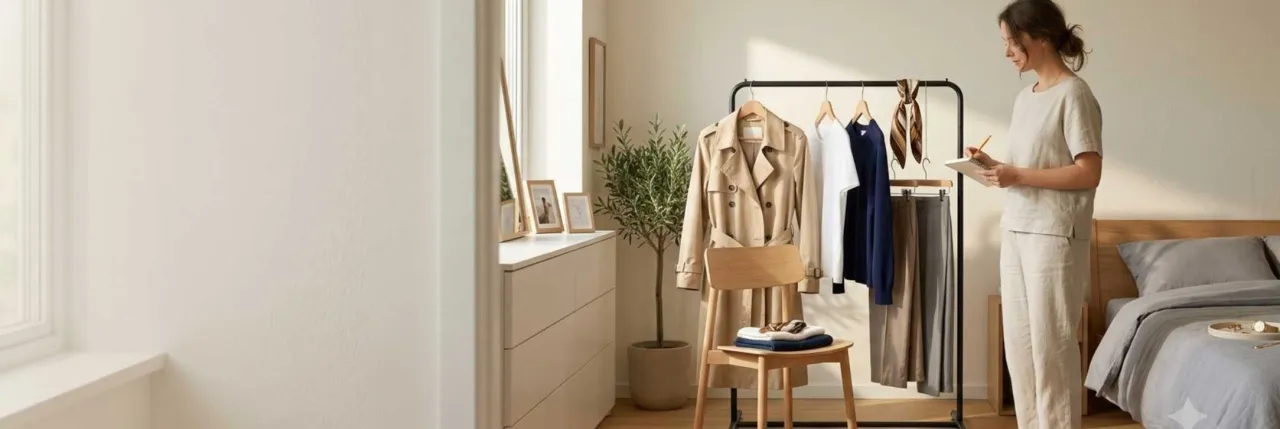
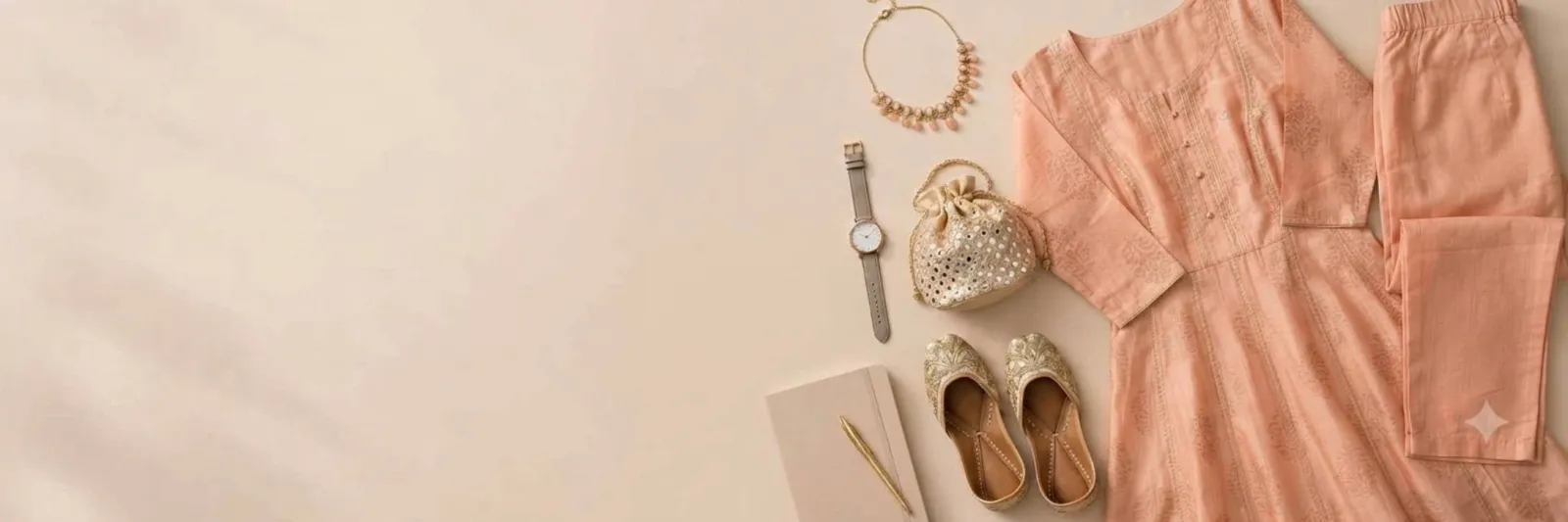
How to Style Ethnic Wear for Daily Life: Easy Outfit Ideas
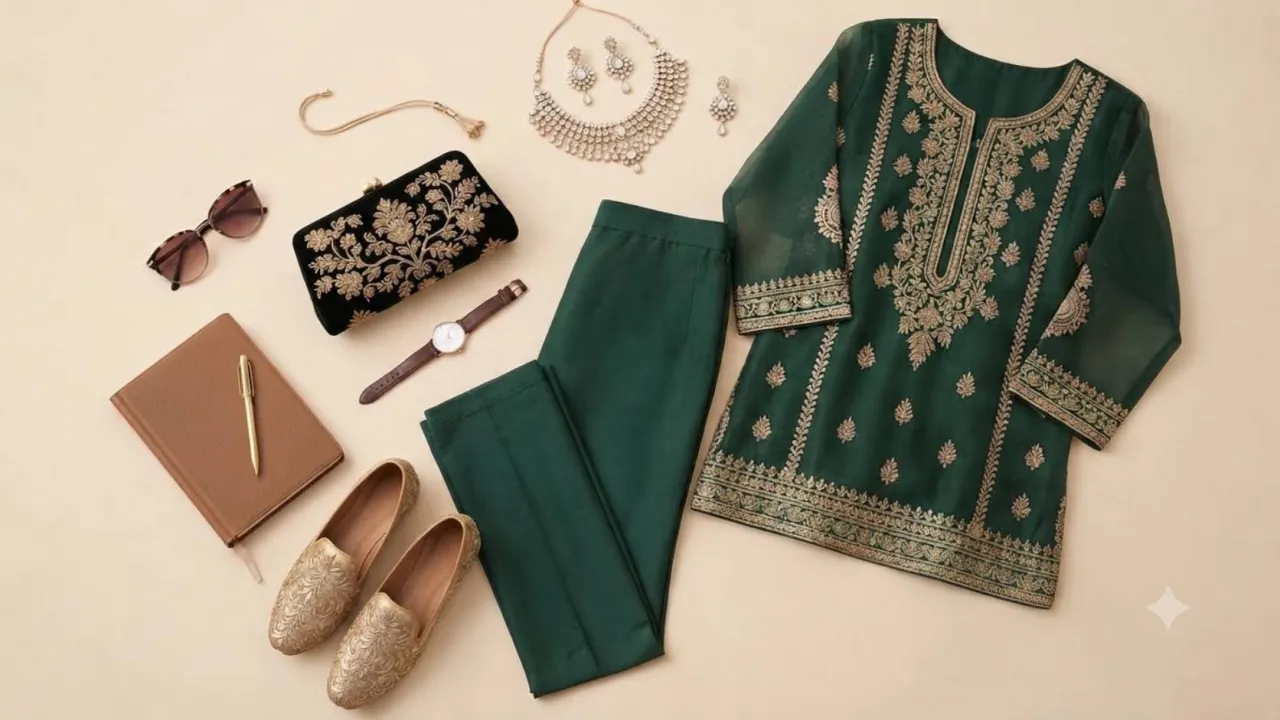
Learning how to style ethnic wear for daily life is mainly about finding the right balance between traditional details and modern practicality. You do not need a large wardrobe or heavily decorated outfits. A few versatile kurtas, comfortable bottoms, simple accessories, and easy color combinations can give you plenty of options for everyday dressing.
How to Style Ethnic Wear for Daily Life
To style ethnic wear for daily life, start with comfortable clothing that suits your routine. A straight kurta can be paired with trousers, straight pants, leggings, or other comfortable bottoms depending on the look you prefer. A lightweight kurta set is another easy option when you want a coordinated outfit without spending too much time deciding what to wear.
For a more relaxed look, pair an ethnic top with simple everyday bottoms. Keep accessories minimal, choose footwear that allows comfortable movement, and use colors that can be combined with several pieces in your wardrobe.
The easiest approach is to let one part of your outfit stand out while keeping the remaining elements relatively simple. A printed kurta can work well with solid trousers, while a plain kurta gives you more freedom to experiment with a colorful dupatta or accessories.
Why Is Ethnic Wear Suitable for Everyday Dressing?
Ethnic wear does not have to be limited to weddings, festivals, or celebrations. Many traditional clothing styles are versatile enough for daily use when you choose uncomplicated designs and fabrics that suit your environment.
A simple kurta, for example, can be styled in several ways. Pair it with straight pants and flats for a regular workday, or add a lightweight dupatta and slightly more noticeable earrings when you are visiting family. The same basic clothing can look different simply by changing the supporting pieces.
If you want to explore traditional clothing beyond everyday outfits, this guide to women's ethnic fashion and traditional outfit ideas can help you understand how styling choices can change for different occasions.
Daily ethnic dressing also gives you the flexibility to create a traditional look, a modern ethnic outfit, or a combination of both. The key is to choose clothing that fits your activities, comfort preferences, and personal style.
Choose Ethnic Clothing That Fits Your Daily Routine
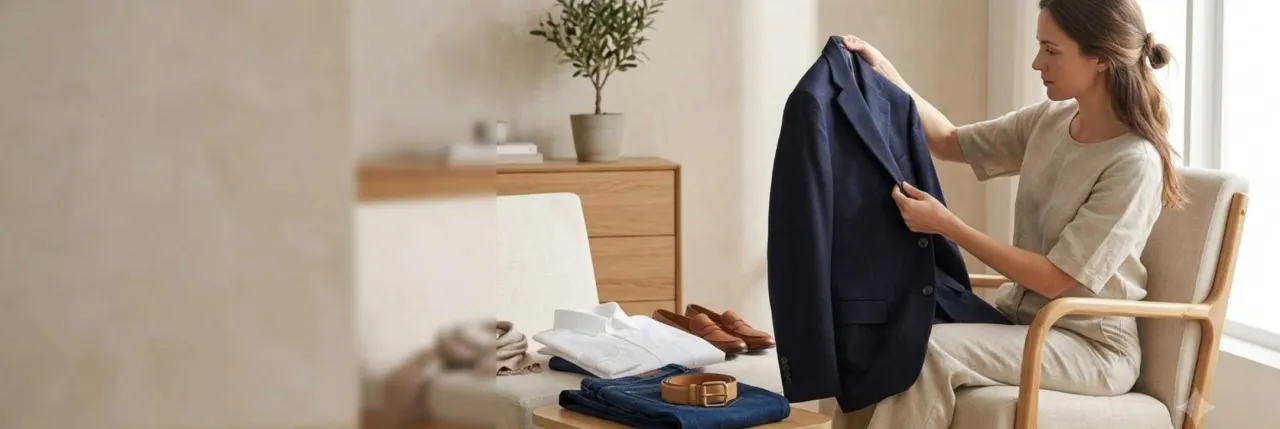
The best everyday ethnic outfits usually begin with practical clothing choices. Before selecting an outfit, think about where you are going, how much movement your day requires, the weather, and how much maintenance the clothing needs.
Fit and proportion also influence how an outfit feels and looks. Instead of following strict fashion rules, consider the silhouettes and cuts you personally enjoy wearing. If you are exploring different fits and proportions, this guide on how to dress according to your body type may offer additional ideas for choosing clothing that suits your individual preferences.
For Regular Workdays
For work, simple kurtas, straight-fit kurta sets, and understated ethnic separates can create a polished appearance without feeling too formal. Solid colors, subtle prints, and clean patterns are generally easy to combine with different bottoms and accessories.
If your workplace has a relaxed dress code, try a printed kurta with neutral trousers or a simple kurta set with minimal accessories. Keeping the outfit visually balanced can help it feel appropriate for a regular workday.
For Casual Outings
Casual ethnic dressing can be as simple as pairing a comfortable kurta with straight pants or relaxed trousers. Cotton and other lightweight fabrics may be practical choices when you want an outfit that feels comfortable for several hours.
You can also create an Indo-western look by pairing an ethnic top with simple everyday bottoms. This approach works well when you want to include traditional elements without wearing a complete ethnic outfit.
For Family Gatherings
For a small family gathering, you can add a little more detail without choosing a heavily embellished outfit. A printed kurta set, coordinated dupatta, or a pair of slightly more noticeable earrings can make a simple outfit feel more occasion-appropriate.
For Everyday Errands
When you are shopping, attending appointments, or handling routine activities, prioritize ease of movement. A simple kurta with comfortable pants or a relaxed ethnic top can provide a practical balance between traditional style and everyday convenience.
Three Easy Ethnic Outfit Formulas for Beginners
If you are new to everyday ethnic styling, outfit formulas can make choosing clothes much easier. These combinations are simple starting points that you can adapt to your own wardrobe.
| Situation | Outfit Formula | Accessories | Footwear |
|---|---|---|---|
| Regular workday | Solid or subtle-print straight kurta + straight pants | Small earrings + simple watch | Flats or comfortable sandals |
| Casual outing | Printed kurta + neutral trousers | Minimal jewelry | Comfortable sandals or slip-ons |
| Family gathering | Simple kurta set + lightweight dupatta | Coordinated earrings or bracelet | Polished flats or traditional-inspired sandals |
| Everyday errands | Relaxed ethnic top + comfortable pants | Simple watch or small earrings | Practical flats or slip-ons |
These formulas are not strict rules. You can change the colors, fabrics, accessories, and footwear according to the season, your location, and your personal preferences.
How to Build a Simple Ethnic Wardrobe
You do not need a large collection of ethnic clothing to create different everyday looks. A small selection of versatile pieces can provide many combinations when the colors and silhouettes work well together.
- Simple kurtas: Keep a few comfortable styles in solid colors and subtle prints.
- Neutral bottoms: Straight pants and trousers can work with several different kurtas.
- Lightweight dupattas: A few easy-to-style options can change the appearance of a basic outfit.
- Comfortable footwear: Choose options that suit the amount of walking and standing in your routine.
- Minimal accessories: Simple earrings, bracelets, or a watch can complete an everyday outfit.
When building your wardrobe, think about combinations rather than individual pieces. A kurta that works with two or three different bottoms may be more useful for daily styling than a highly specific outfit that can only be worn one way.
This approach can also help you make better use of clothing you already own. Instead of always buying something new, try changing the way you combine existing pieces, switch the accessories, or add a different layer. You can find more practical ideas in these everyday fashion tips without buying new clothes.
Match Ethnic Wear With the Right Bottoms
The bottom you choose can significantly change the overall appearance of an ethnic outfit. The right pairing depends on the length and shape of your kurta, as well as the level of formality you want.
| Ethnic Top or Kurta Style | Suitable Bottom Options | Overall Look | Best For |
|---|---|---|---|
| Short ethnic top | Straight pants, trousers, or comfortable jeans | Casual and contemporary | Casual outings |
| Straight kurta | Matching pants, straight trousers, or leggings | Simple and polished | Workdays and everyday wear |
| Long kurta | Straight pants or narrow trousers | Clean and balanced | Everyday and semi-casual occasions |
| Printed kurta | Solid neutral bottoms | Easy and coordinated | Casual days |
| Simple kurta set | Coordinated matching bottoms | Effortless and put-together | Workdays and family gatherings |
The main principle is visual balance. If your kurta has a bold print or detailed design, a simpler bottom can keep the outfit comfortable to look at. If your top is plain, you have more freedom to experiment with patterned bottoms or accessories.
Use Easy Color Combinations for Everyday Ethnic Wear
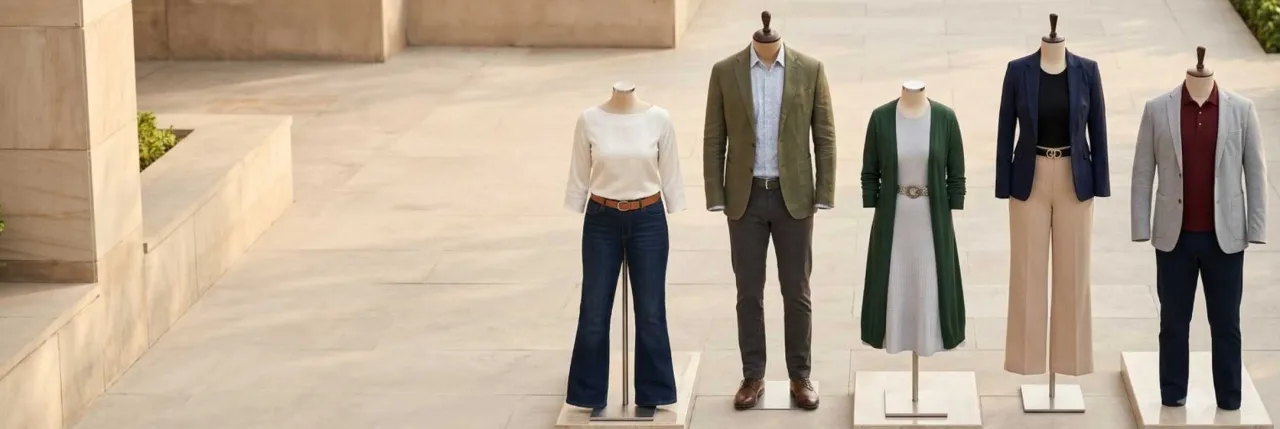
Color coordination can make everyday ethnic dressing much easier. If you are building a beginner-friendly wardrobe, start with shades that can be mixed and matched with several other pieces.
Neutral colors such as white, beige, grey, navy, black, and earthy tones can provide a flexible foundation. You can then introduce brighter colors through kurtas, dupattas, scarves, or accessories.
For example, a neutral pair of trousers can work with several different colored kurtas. Similarly, a plain kurta can take on a different appearance when you change the dupatta or accessories.
When combining multiple colors, try to keep one element visually dominant. If your kurta, dupatta, footwear, and accessories are all highly noticeable, the outfit may feel unnecessarily busy. A simpler combination often works better for everyday dressing.
Keep Accessories Simple for Daily Ethnic Outfits
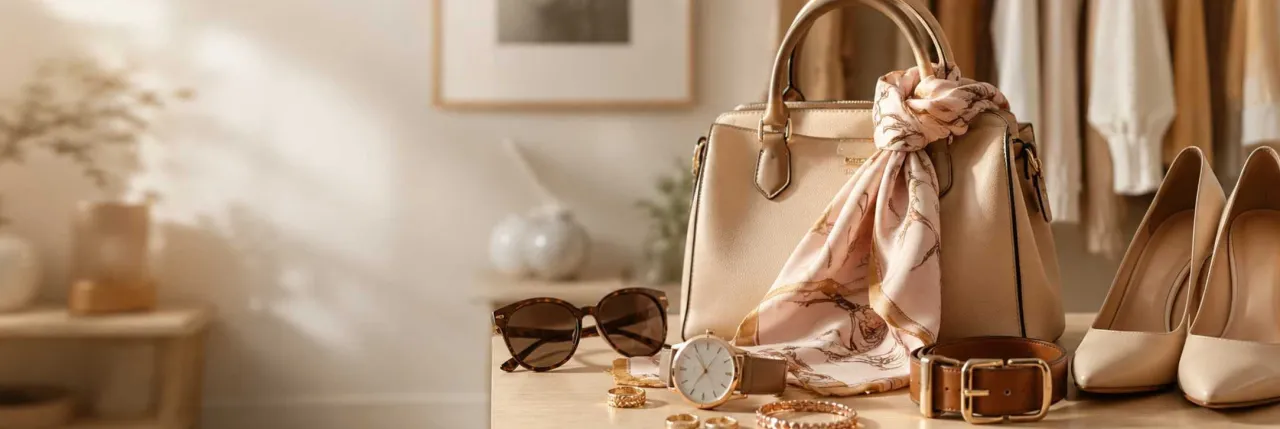
Accessories can change the character of an outfit, but everyday dressing usually benefits from moderation. You do not need several statement pieces to make an ethnic outfit feel complete.
- Choose small or medium-sized earrings for a simple everyday appearance.
- Use a lightweight dupatta or scarf when you want an additional layer.
- Add a simple watch or bracelet if it suits your personal style.
- Use one statement accessory when you want to make a plain outfit more noticeable.
- Match accessories with the occasion rather than automatically adding everything at once.
A useful approach is to start with the outfit and add accessories one at a time. If the clothing already has a strong print or decorative detail, you may only need one or two simple accessories.
For more ideas on choosing and coordinating finishing touches, you can also explore this essential fashion accessories guide.
Choose Practical Footwear With Ethnic Outfits
Footwear should complement your outfit while remaining suitable for your daily routine. Traditional-inspired sandals, simple flats, comfortable slip-ons, and other practical options can work with many ethnic looks.
For long days, prioritize comfort and stability. For casual occasions, a simple pair of flats can keep the outfit relaxed. If you are dressing for a slightly more polished setting, choose footwear with subtle decorative details while maintaining practicality.
You do not need to match your footwear color exactly with your outfit. Neutral footwear is often useful because it can work with several ethnic outfits in your wardrobe.
How to Create Different Looks From One Ethnic Outfit
One of the easiest ways to make ethnic wear more practical is to style the same basic pieces in different ways. This helps you get more variety without constantly buying new clothes.
Look 1: Simple Everyday Style
Start with a plain or subtly printed kurta, comfortable straight pants, and simple footwear. Add minimal accessories for a clean everyday appearance.
Look 2: Casual Modern Ethnic Style
Pair an ethnic top with simple everyday bottoms and comfortable footwear. Keep the accessories understated to maintain a relaxed appearance.
Look 3: Slightly Dressed-Up Ethnic Style
Take a basic kurta set and add a coordinated dupatta, slightly more noticeable earrings, and polished footwear. This can make the same foundation suitable for a small gathering or casual celebration.
Look 4: Layered Ethnic Style
Use a lightweight dupatta or scarf as an additional layer over a simple outfit. Changing the color or pattern of the layer can give the outfit a different visual character.
The goal is not to make every outfit completely different. Small changes in accessories, layering, footwear, and color combinations can make familiar clothing feel fresh.
Simple Ways to Make Ethnic Wear Feel More Modern
If traditional outfits feel too formal for your daily routine, you can introduce contemporary elements without losing their ethnic character.
- Pair a simple ethnic top with modern trousers.
- Choose clean silhouettes instead of heavily decorated designs.
- Use neutral footwear for a more understated appearance.
- Combine traditional prints with simple solid-colored pieces.
- Keep accessories minimal for a more contemporary finish.
- Experiment with lightweight scarves or dupattas as layers.
A modern ethnic outfit is often about proportion and balance rather than adding more decorative elements. Simple styling can make traditional clothing easier to incorporate into everyday life.
Common Mistakes to Avoid When Styling Ethnic Wear Daily
Choosing Style Over Comfort
An outfit may look attractive but still be unsuitable for your daily routine if it restricts movement or requires constant adjustment. Everyday clothing should be practical enough for the activities you regularly perform.
Over-Accessorizing
Adding too many accessories can make a simple daily outfit feel unnecessarily formal. Start with one or two accessories and add more only if the outfit needs them.
Ignoring Fabric and Weather
The fabric you choose should make sense for the environment and the amount of time you will spend wearing the outfit. Lightweight materials may feel practical in warm conditions, while other fabrics may be more suitable for cooler weather.
Matching Everything Too Closely
Your footwear, bag, accessories, and outfit do not have to be identical in color. Coordinating the overall look is usually enough. Slight variation can make the outfit appear more natural.
Buying Pieces That Do Not Work Together
Before buying new ethnic clothing, think about what you already own. A beautiful piece may have limited everyday value if it cannot be combined easily with your existing wardrobe.
Beginner-Friendly Checklist for Styling Ethnic Wear
- Choose an outfit that suits your daily activity level.
- Check whether the fabric feels comfortable for the weather.
- Pair printed tops with simpler bottoms when you want a balanced look.
- Keep a few neutral bottoms that work with multiple kurtas.
- Choose practical footwear for the amount of walking or standing involved.
- Add accessories gradually rather than wearing several statement pieces together.
- Use a dupatta or scarf when you want to change the look of a basic outfit.
- Consider whether each new clothing piece can be styled in at least two or three ways.
- Keep your personal preferences in mind instead of following every fashion trend.
- Try the complete outfit before wearing it for an important occasion.
How to Make Everyday Ethnic Styling Easier
The easiest way to simplify your routine is to organize your wardrobe around combinations that you already know work well. You might keep a few ready-to-wear combinations in mind, such as a printed kurta with neutral trousers or a plain kurta set with a contrasting dupatta.
Planning a few outfits in advance can also reduce daily decision-making. You can prepare combinations based on your schedule, the weather, and the level of formality required.
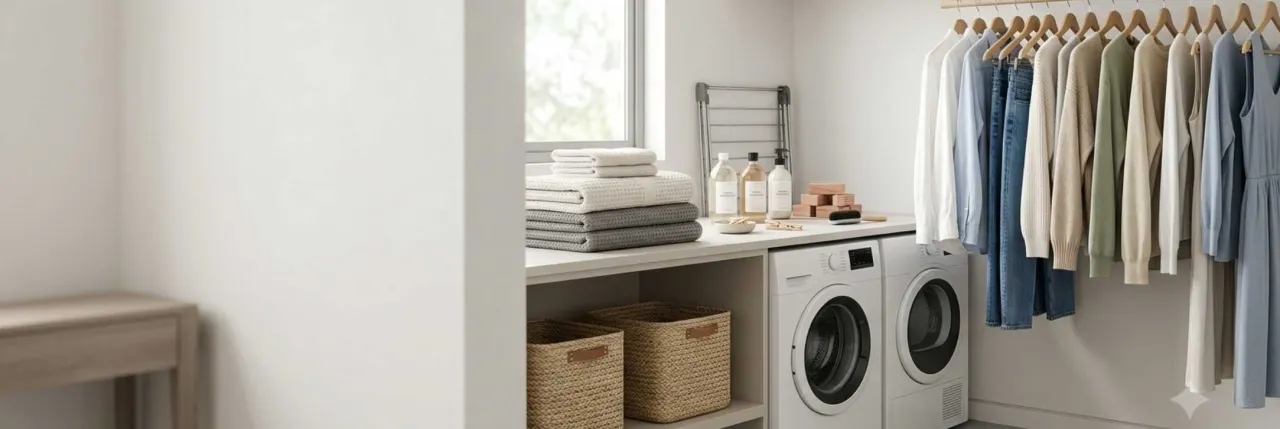
It is also useful to pay attention to clothing care. Everyday ethnic wear may be worn frequently, so choosing pieces that are practical to maintain can make your wardrobe easier to manage over time.
What Should You Consider Before Buying Ethnic Wear for Daily Use?
Before purchasing an ethnic outfit, consider whether it fits your lifestyle rather than focusing only on its appearance. Think about comfort, fabric, ease of movement, maintenance, versatility, and how often you are likely to wear it.
Ask yourself whether the piece works with clothing you already own. If you can create several outfits from one item, it may be more useful for everyday dressing than a highly specialized piece designed for one particular occasion.
Personal style also matters. Some people prefer simple solid colors, while others enjoy prints and brighter combinations. There is no single correct way to style ethnic wear for daily life, so choose options that make sense for your comfort and routine.
Final Thoughts on How to Style Ethnic Wear for Daily Life
Learning how to style ethnic wear for daily life is mainly about finding a comfortable balance between traditional details, modern practicality, and personal style. Simple kurtas, versatile bottoms, coordinated colors, practical footwear, and minimal accessories can create a wide range of everyday looks.
You do not need an extensive wardrobe to dress well in ethnic clothing. Start with a few versatile pieces, learn which combinations suit your routine, and gradually experiment with layering, colors, and accessories. With thoughtful choices, ethnic wear can become a comfortable and flexible part of your everyday wardrobe rather than something reserved only for special occasions.
Frequently Asked Questions
Can Ethnic Wear Be Worn Every Day?
Yes. Simple kurtas, comfortable kurta sets, ethnic tops, and versatile bottoms can be suitable for everyday use. The best choice depends on your routine, workplace, weather, and personal comfort.
How Can I Make a Simple Ethnic Outfit Look Stylish?
Try changing one element at a time, such as adding a lightweight dupatta, choosing coordinated footwear, or wearing simple accessories. Small styling changes can give a basic outfit a more finished appearance without making it look overly formal.
What Colors Are Easiest to Mix and Match With Ethnic Wear?
Neutral shades are generally versatile and can be combined with many colors and prints. You can use neutral bottoms as a foundation and introduce brighter colors through kurtas, dupattas, or accessories.
How Do I Style Ethnic Wear Without Looking Overdressed?
Choose simple silhouettes, subtle prints, practical footwear, and minimal accessories. Avoid combining several heavily decorative elements when you want a relaxed everyday appearance.
How Can I Wear the Same Ethnic Clothes in Different Ways?
You can change the look by switching the bottom, adding or removing a dupatta, changing accessories, or choosing different footwear. These small adjustments can create different outfits from the same basic clothing pieces.
What Is the Best Ethnic Wear for a Regular Workday?
A simple straight kurta with comfortable trousers or straight pants is an easy option for many work environments. You can complete the look with minimal accessories and practical footwear, adjusting the colors and fabrics according to your workplace and weather.
How Can I Style Ethnic Wear for a Casual Outing?
For a casual outing, try a printed or simple kurta with neutral trousers, comfortable sandals, or flats. Keep accessories understated for a relaxed look that still includes traditional elements.
How Many Ethnic Outfits Do I Need for Everyday Wear?
You do not need a large collection. A few versatile kurtas, neutral bottoms, one or two lightweight dupattas, comfortable footwear, and simple accessories can create many combinations when mixed and matched thoughtfully.
Was this article helpful?
Share your feedback — select a reaction.
Are you satisfied with these answers?
If you'd like to ask something else, you can post your question here.
Comments (0)
Comments are reviewed before they appear.
Loading comments…