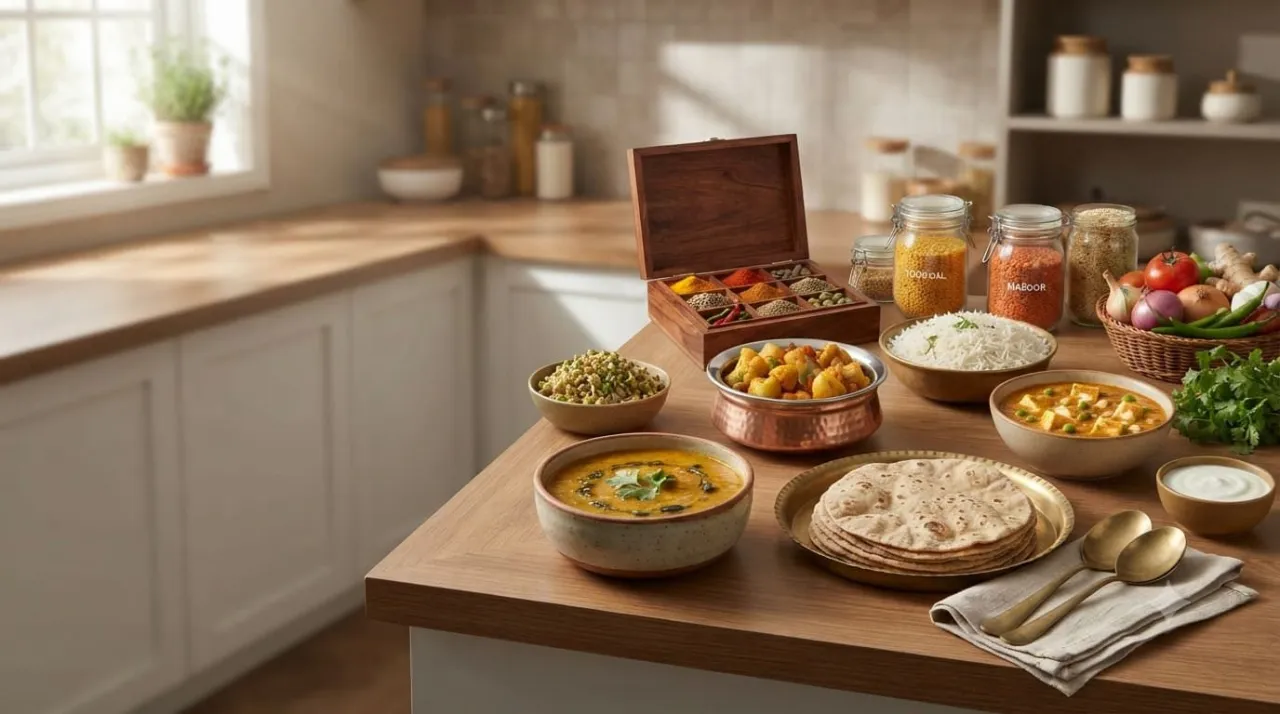
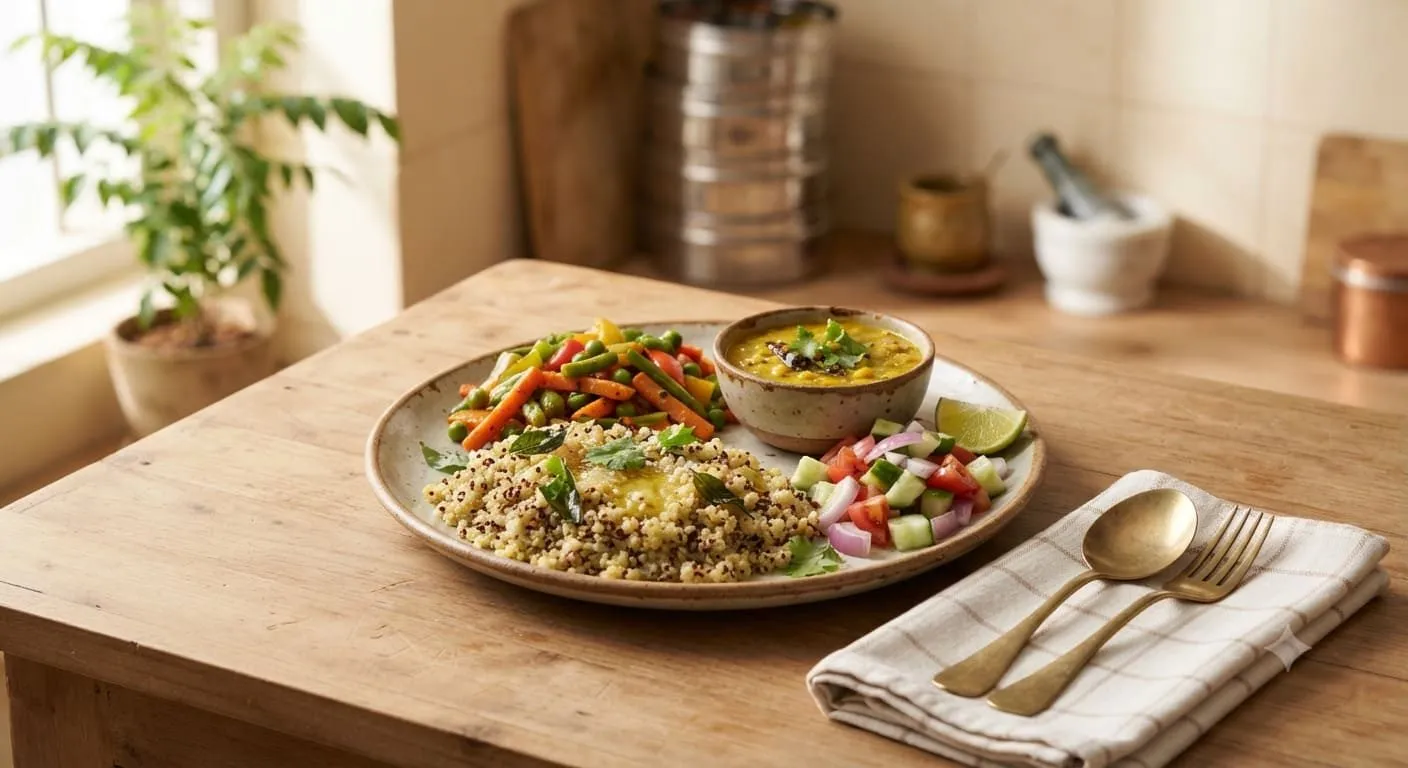
Healthy Rice Alternatives for Everyday Meals
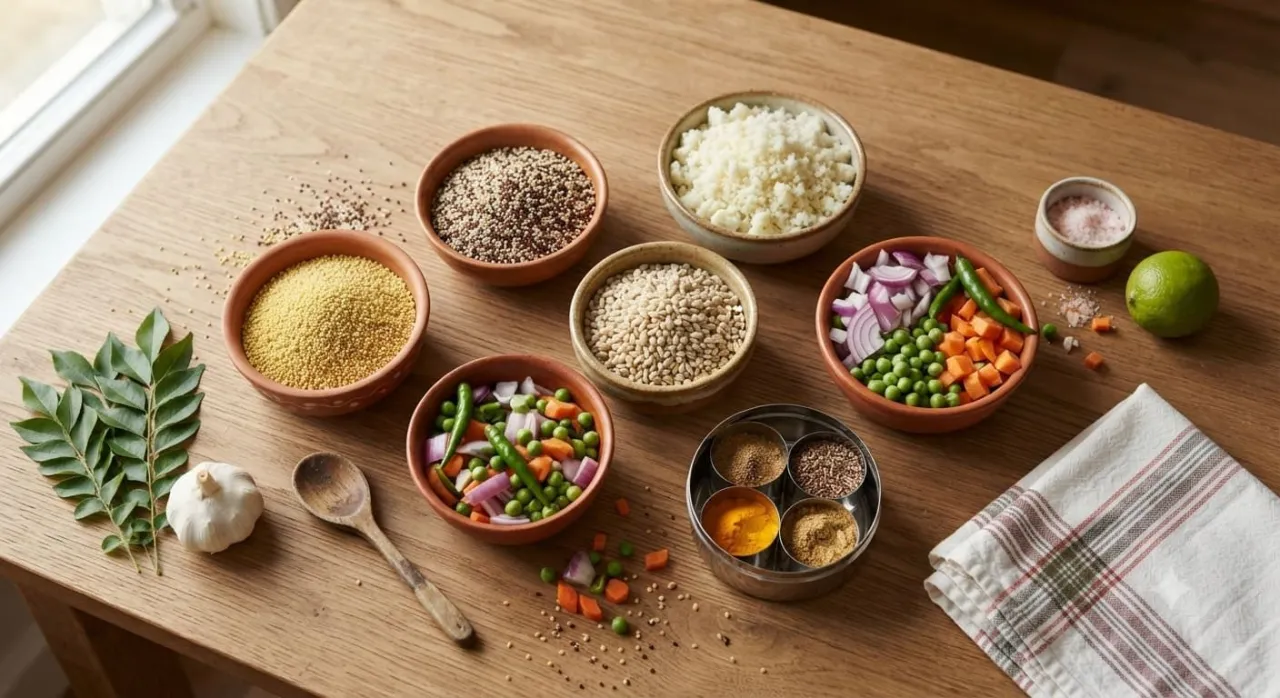
What Are the Best Healthy Rice Alternatives for Everyday Meals?
The best healthy rice alternatives depend on your taste, cooking time, budget, and the type of meal you are preparing. Millets, quinoa, barley, bulgur, whole-grain couscous, and cauliflower rice are some popular options, while oats can also work in selected savory dishes. For Indian-style meals, millets are particularly versatile because they can be cooked and served with vegetables, lentils, curries, or yogurt-based sides.
When choosing healthy rice alternatives, it is helpful to consider the complete meal rather than focusing on one ingredient alone. A balanced meal can combine a suitable grain or vegetable-based substitute with vegetables, protein-rich foods, and flavorful seasonings. The right choice is ultimately the one that suits your dietary preferences, cooking routine, and overall meal.
Why Consider Alternatives to Rice?
Rice is a familiar and useful staple, but including different grains and meal bases can make everyday cooking more interesting. Different alternatives offer distinct flavors and textures, which can help you experiment with new recipes without completely changing the way you prepare meals.
Some people choose rice alternatives because they want to explore a wider range of grains, include more variety in their meals, or reduce repetition in their weekly menus. The best choice depends on personal preference and how the food fits into the rest of the meal.
For Indian households, variety can be especially practical. A meal can use millet one day, another grain on a different day, and rice whenever preferred. This flexible approach allows you to enjoy different meal bases without treating one ingredient as the only option.
Popular Healthy Rice Alternatives to Try
There is no single best rice substitute for everyone. Each option has its own cooking method, texture, flavor, and ideal uses. Here are some practical choices to consider.
1. Millets
Millets are among the most versatile healthy rice alternatives for everyday Indian cooking. Varieties such as foxtail millet, little millet, pearl millet, finger millet, and barnyard millet can be used in different ways depending on the dish and the type of millet.
Some millets can be cooked and served in a similar role to rice alongside dal, vegetables, or curries. Others are commonly used in porridges, savory preparations, or flour-based recipes. If you are new to millets, start with a simple preparation and follow the recommended cooking method for the specific variety.
You can also explore these simple millet recipes for practical ideas that fit into everyday cooking.
2. Quinoa
Quinoa has a light texture and mild flavor, making it suitable for salads, bowls, and meals where you might normally use rice as a base. It can be combined with vegetables, beans, lentils, or other protein-rich foods.
Because quinoa has a distinct texture, it may take some experimentation to find the preparation you enjoy most. Rinsing quinoa before cooking can help improve its taste. Herbs, spices, and vegetables can also make it more suitable for savory meals.
3. Barley
Barley has a chewy texture and a more noticeable grain flavor than rice. It can be used in soups, salads, grain bowls, and other warm meals. Its hearty texture makes it useful when you want a more filling meal base.
Barley may require more cooking time than some quicker alternatives, so preparing a batch in advance can make it more practical for busy weekdays.
4. Bulgur
Bulgur is a convenient whole-grain option with a light, slightly chewy texture. It can be used in salads, grain bowls, and savory dishes with vegetables and herbs.
Because it is generally quick to prepare, bulgur can be useful when convenience matters. You can prepare it ahead of time and combine it with different ingredients depending on the meal.
5. Whole-Grain Couscous
Whole-grain couscous can be a convenient meal base when you want something quick to prepare. It works well with roasted vegetables, legumes, herbs, and lightly seasoned sauces.
Unlike rice, couscous is a wheat-based pasta product. However, whole-grain couscous can still serve a similar role as a meal base in many dishes depending on your preferences.
6. Cauliflower Rice
Cauliflower rice is a vegetable-based rice substitute made by finely chopping or grating cauliflower into small pieces. It can be cooked with vegetables and seasonings or used as part of a mixed dish.
Because it has a lighter texture than grains, it may work well in vegetable-focused meals. Pairing it with beans, lentils, tofu, paneer, or other suitable protein-rich foods can create a more complete meal.
7. Oats for Selected Savory Meals
Oats are not a direct replacement for rice in every recipe, but they can work well in certain savory dishes. Savory oats can be prepared with vegetables, herbs, and spices for a simple breakfast or light meal.
You can explore these healthy recipes using oats for practical sweet and savory meal ideas.
How Do Healthy Rice Alternatives Compare?
The best choice depends on what you want from your meal. Some options are quick to cook, while others are better suited to meal preparation. Some have mild flavors, while others have a stronger grain taste.
| Rice Alternative | Texture | Best Used For | Cooking Consideration |
|---|---|---|---|
| Millets | Varies by type, from fluffy to soft | Indian meals, bowls, savory dishes | Cooking method varies by millet type |
| Quinoa | Light and slightly firm | Salads, bowls, vegetable dishes | Rinse before cooking for better flavor |
| Barley | Chewy and hearty | Soups, salads, grain bowls | Usually needs longer cooking time |
| Bulgur | Light and slightly chewy | Quick grain bowls and salads | Generally easy to prepare |
| Whole-grain couscous | Light and fluffy | Vegetable dishes and bowls | Quick preparation |
| Cauliflower rice | Light and vegetable-like | Vegetable-focused meals | Cook briefly for better texture |
3. Barley
Barley has a chewy texture and a slightly nutty flavor, making it a useful alternative to rice in soups, salads, and warm grain-based meals. It can add variety to everyday cooking when you want to try a different type of grain.
Because barley generally requires more cooking time compared with some other alternatives, preparing it in advance can make weekday cooking easier. Cooked barley can be stored appropriately and used in different meals throughout the week.
4. Bulgur
Bulgur is a quick-cooking whole grain option with a light texture and mild flavor. It works well in grain bowls, salads, and simple vegetable-based meals where you want a different base instead of rice.
It can be combined with herbs, vegetables, legumes, and suitable seasonings to create flexible meal options. Its shorter preparation time makes it practical for people who want convenient everyday cooking.
5. Whole-Grain Couscous
Whole-grain couscous can be used as a quick meal base when you want something easy to prepare. It pairs well with roasted vegetables, herbs, beans, and lightly seasoned dishes.
Although couscous is wheat-based and different from traditional grains like rice or quinoa, it can still be used in similar ways as a base for different meals. The overall quality of the meal depends on the ingredients combined with it.
6. Cauliflower Rice
Cauliflower rice is a vegetable-based alternative made by cutting cauliflower into small rice-like pieces. It can be cooked with vegetables, herbs, and spices to create lighter meal options.
Since cauliflower rice has a different texture compared with grain-based alternatives, many people prefer combining it with other filling ingredients such as lentils, beans, tofu, paneer, or vegetables.
7. Oats for Selected Savory Meals
Oats are not a direct replacement for rice in every recipe, but they can work well in some savory preparations. Vegetable oats with herbs and spices can provide a different meal experience.
If you enjoy experimenting with oats, you can explore these healthy recipes using oats for more practical ideas.
How Do Healthy Rice Alternatives Compare?
Each rice alternative has different characteristics. Some options cook quickly, while others are better for meal preparation. Texture, flavor, and cooking method should be considered before choosing an option for regular meals.
| Rice Alternative | Texture | Best Used For | Cooking Consideration |
|---|---|---|---|
| Millets | Soft to fluffy depending on variety | Indian meals, bowls, curries | Cooking method varies by millet type |
| Quinoa | Light and slightly firm | Salads, bowls, vegetable meals | Rinse before cooking for better taste |
| Barley | Chewy and hearty | Soups, salads, warm meals | Requires longer cooking time |
| Bulgur | Light and slightly chewy | Quick meals and grain bowls | Easy preparation option |
| Whole-grain couscous | Soft and fluffy | Vegetable dishes and bowls | Usually quick to prepare |
| Cauliflower rice | Light vegetable texture | Vegetable-focused meals | Cook briefly to maintain texture |
How to Choose the Right Rice Alternative
Selecting a rice alternative becomes easier when you consider the type of meal, cooking time, texture preference, and your regular eating habits.
Consider the Type of Meal
For Indian meals with dal, vegetables, and curries, millets or quinoa may work well. For soups and salads, barley or bulgur can provide a different texture and structure.
Think About Cooking Time
If you have a busy routine, choose alternatives that cook quickly or prepare larger quantities in advance. Batch cooking can make slower-cooking grains easier to include in weekly meals.
Match the Texture You Prefer
Texture plays an important role when trying new foods. Some people prefer soft and fluffy grains, while others enjoy chewy textures. Trying small portions of different options can help you find suitable choices.
Consider Dietary Requirements
Different alternatives have different characteristics. For example, barley, bulgur, and couscous contain gluten, while options like rice, quinoa, and many millets are naturally gluten-free. Always check labels when choosing packaged products according to specific dietary needs.
Focus on the Complete Meal
A healthy meal is not decided only by replacing rice. Vegetables, protein sources, cooking methods, portion sizes, and seasonings all contribute to creating a balanced meal.
For more practical combinations, you can explore these balanced Indian meal ideas.
How to Use Healthy Rice Alternatives in Indian Meals
Using healthy rice alternatives does not mean completely changing traditional meals. Many alternatives can be served with familiar Indian dishes such as dal, vegetables, curries, and yogurt-based sides.
- Serve cooked millet with dal and seasonal vegetables.
- Use quinoa as a base for vegetable bowls with beans or lentils.
- Add barley to soups or combine it with cooked vegetables.
- Prepare bulgur with herbs and vegetables for a quick grain bowl.
- Use cauliflower rice with vegetables and suitable protein-rich foods.
- Try savory oats with vegetables and mild spices for a different meal option.
Simple ingredients such as ginger, garlic, lemon, herbs, and spices can help improve the flavor of different grains and make them easier to include in everyday cooking.
You can also explore the ultimate guide to spices to understand how seasonings can add variety to everyday meals.
Simple Ways to Make Rice Alternatives More Flavorful
Trying a new grain or substitute becomes easier when you know how to add suitable flavors. Small changes in preparation can make a big difference in taste and texture.
Use Aromatic Ingredients
Ingredients such as onion, ginger, garlic, fresh herbs, and lemon can add freshness and depth to simple grain-based meals.
Add Suitable Spices
Spices can help create different flavors without making recipes complicated. Cumin, turmeric, coriander, black pepper, and other commonly used spices can complement grains and vegetables.
Learning how to pair spices with different foods can help you create better combinations.
Include Vegetables
Adding vegetables can improve both taste and variety. Seasonal vegetables, leafy greens, carrots, peas, and other options can work well with different meal bases.
Create Different Textures
A meal can feel more interesting when different textures are combined. Soft grains, crunchy nuts, fresh vegetables, or roasted ingredients can add variety according to your preference.
Healthy Rice Alternatives for Different Meal Situations
| Meal Situation | Options to Consider | Simple Pairing Ideas |
|---|---|---|
| Everyday Indian lunch | Millets, quinoa | Dal, vegetables, yogurt-based sides |
| Quick weekday meal | Bulgur, whole-grain couscous | Vegetables and herbs |
| Warm soups | Barley | Vegetables and legumes |
| Light vegetable meals | Cauliflower rice | Stir-fried vegetables and suitable protein sources |
| Breakfast or light meal | Oats | Vegetables, herbs, and spices |
Common Mistakes When Switching From Rice
Expecting Every Alternative to Cook Like Rice
Different grains and substitutes have different cooking methods. Using the same water ratio and technique as rice may not always give the expected texture.
Choosing Without Considering the Meal
Every alternative has its own best uses. Choose an option that matches the dish you are preparing instead of selecting only based on popularity.
Changing Too Many Ingredients Together
When trying new foods, start with one alternative at a time. This helps you understand the taste, texture, and cooking method better.
Ignoring Personal Preference
A practical meal plan should include foods you enjoy eating. If one option does not suit your taste, you can try another alternative.
Focusing Only on the Substitute
Replacing rice alone does not decide the quality of a meal. Consider the complete plate, including vegetables, protein sources, and overall preparation.
Beginner-Friendly Checklist for Choosing Rice Alternatives
- Choose an option according to the meal you want to prepare.
- Learn the correct cooking method for each alternative.
- Start with small quantities when trying something new.
- Consider taste and texture preferences.
- Check dietary requirements when necessary.
- Combine grains with vegetables and suitable protein sources.
- Use herbs and spices for better flavor.
- Try batch cooking when it saves time.
- Rotate different options instead of using only one.
- Keep your household preferences in mind.
Practical Tips for Beginners
If you are starting with rice alternatives, begin with familiar cooking styles. For Indian meals, millets can be a practical option because many varieties can be served with traditional dishes.
Prepare small portions first and experiment with different combinations. Once you understand the flavor and texture, you can include them more regularly.
Keeping seasonings simple in the beginning can help you understand the natural taste of each ingredient. Later, you can experiment with different spices and recipes.
For more everyday meal ideas, explore high-fiber foods and simple recipes.
Disclaimer: This article provides general food and meal-planning information for educational purposes. Individual dietary needs, allergies, intolerances, and food preferences can vary. Choose ingredients according to your personal requirements and seek professional guidance when needed.
Reminder: Healthy rice alternatives are not about completely avoiding rice. They are about adding variety to your meals with ingredients that suit your taste, routine, and cooking style.
Final Thoughts on Healthy Rice Alternatives
Healthy rice alternatives provide many options for making everyday meals more varied. Millets, quinoa, barley, bulgur, cauliflower rice, and oats can each be used in different ways depending on your cooking preferences.
The best approach is to experiment slowly, understand how each ingredient works, and combine it with foods you already enjoy.
A flexible meal routine that includes different grains, vegetables, and protein-rich foods can make everyday cooking more interesting and practical.
Frequently Asked Questions
What is the healthiest alternative to rice?
There is no single healthiest option for everyone. Millets, quinoa, barley, and other alternatives can all be useful depending on your dietary preferences and meal style.
Can I replace rice with millet in Indian meals?
Yes, millet can be used with many Indian dishes such as dal, vegetables, and curries. Cooking methods depend on the millet variety.
Are rice alternatives good for meal preparation?
Many alternatives can be prepared in advance and used in different meals when stored properly.
Can I eat rice while using rice alternatives?
Yes. You do not need to remove rice completely. Rotating different meal bases can simply add variety.
What can I use instead of rice with Indian curry?
Millets and quinoa can work well with many curries. The best choice depends on your preferred taste and texture.
Was this article helpful?
Share your feedback — select a reaction.
Are you satisfied with these answers?
If you'd like to ask something else, you can post your question here.
Comments (0)
Comments are reviewed before they appear.
Loading comments…
More Blogs
Easy One-Pot Meals: Simple Recipes for Busy Days
Healthy Soup Recipes: Easy, Nutritious Ideas for Everyday Meals
Healthy Salad Recipes: Easy, Fresh, and Balanced Ideas for Everyday Meals
Protein-Rich Snack Recipes: Easy and Healthy Ideas for Everyday Eating