
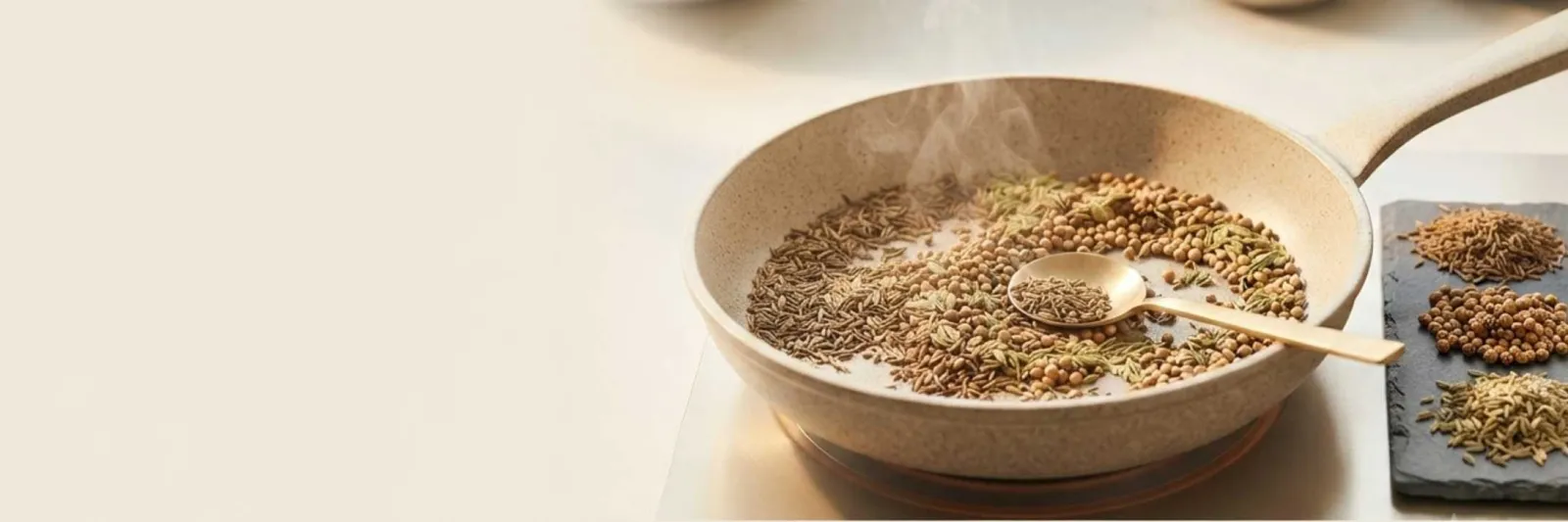
How to Toast and Bloom Spices for Better Flavor: A Practical Guide
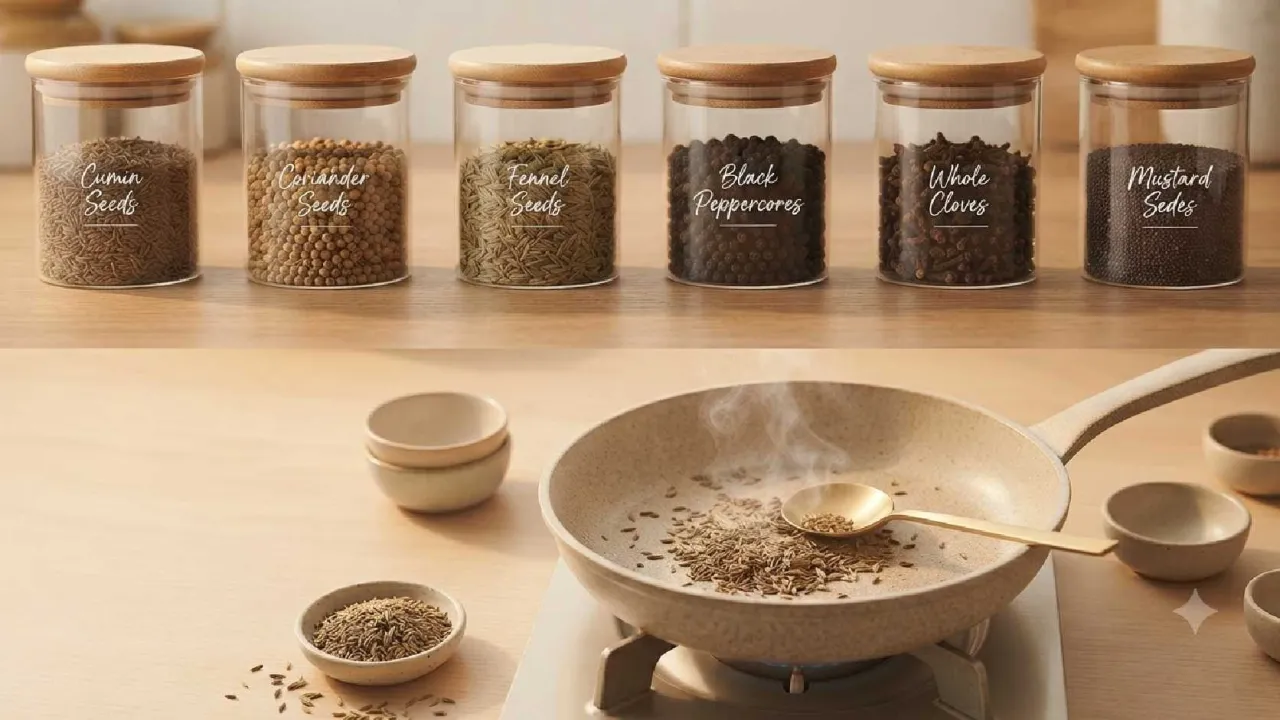
How Do You Toast and Bloom Spices for Better Flavor?
To toast and bloom spices for better flavor, use dry heat for whole spices or gently cook ground spices in oil or another suitable cooking fat. Toasting whole spices in a dry pan can bring out their aroma before they are added to a dish, while blooming ground spices in warm oil can help release their aromatic qualities into the cooking fat. The key is to use moderate heat, keep a close eye on the spices, and stop cooking as soon as they become fragrant. The exact method depends on the type of spice and the recipe.
Why Does Toasting and Blooming Spices Matter in Cooking?
Spices can taste and smell different depending on how they are prepared. Adding a spice directly to a dish is often convenient, but gently heating it can change how its aroma develops and how it blends with other ingredients.
Toasting and blooming are two different techniques, although both involve using heat to enhance the way spices contribute to a dish. Toasting generally refers to heating whole or sometimes ground spices in a dry pan, while blooming usually means gently cooking spices in oil or another cooking fat.
These techniques are especially useful when you want to build flavor from the beginning of a recipe. However, they are not necessary for every dish. The right approach depends on the recipe, the type of spice, and the flavor you want to create.
If you are still learning about the role of spices in cooking, exploring different types of spices and how they transform food can give you a better understanding of how spices contribute aroma, warmth, earthiness, and character to different dishes.
What Is the Difference Between Toasting and Blooming Spices?
Although the terms are sometimes used interchangeably, toasting and blooming are different cooking techniques. Understanding the difference makes it easier to choose the right method for your recipe.
| Technique | How It Works | Commonly Used For | Main Consideration |
|---|---|---|---|
| Toasting | Spices are heated in a dry pan without oil | Whole spices and some ground spices | Requires careful attention because spices can burn quickly |
| Blooming | Spices are gently cooked in oil or cooking fat | Ground spices and spice mixtures | Use moderate heat to prevent scorching |
| Direct Addition | Spices are added directly to the dish during cooking | Many everyday recipes | Timing affects how the flavor develops |
Toasting is often a good option when working with whole spices because the dry heat can make their aroma more noticeable before they are added to a recipe. Blooming is particularly useful when a recipe begins with oil and aromatics, allowing spices to become part of the flavorful cooking base.
How Do You Toast Whole Spices in a Dry Pan?
Toasting whole spices is a simple technique, but it requires attention because spices can go from fragrant to burnt relatively quickly.
1. Choose a Suitable Pan
Use a clean, dry pan that allows the spices to spread out in a reasonably even layer. A pan that is too large may make it harder to monitor a small quantity of spices, while a very crowded pan can heat the spices unevenly.
2. Start With Moderate Heat
Place the pan over low to medium heat before adding the spices. There is usually no need to use high heat. Gentle heating gives you more control and reduces the chance of burning delicate spices.
3. Add the Whole Spices
Add the whole spices to the dry pan and spread them out as evenly as possible. Depending on the recipe, you may toast one spice at a time or several compatible spices together.
4. Keep the Spices Moving
Stir or shake the pan regularly so that the spices heat evenly. Pay attention to changes in aroma rather than relying only on timing. Different spices vary in size and composition, so one fixed cooking time does not work for every situation.
5. Remove Them When Fragrant
Once the spices become noticeably aromatic, remove the pan from the heat. If you leave them in the hot pan for too long, they may continue cooking and become bitter or burnt.
If you plan to grind the toasted spices, allow them to cool before using a spice grinder or another suitable method. This can make handling easier and helps you avoid working with spices that are still very hot.
Which Whole Spices Are Commonly Toasted?
Many whole spices can be toasted, although the method and timing may vary. Common examples include cumin seeds, coriander seeds, fennel seeds, mustard seeds, black peppercorns, cardamom, cloves, and cinnamon.
Some spices are more delicate than others, so it is useful to learn how each one responds to heat. Smaller spices may become fragrant quickly, while larger whole spices may take longer to warm through.
For beginners, it is often easier to start with one spice at a time. Once you become familiar with the aroma and appearance of individual spices, you can experiment with combinations that suit your recipes.
If you are unsure whether to buy spices whole or ground, understanding the differences between whole spices and ground spices can help you choose the form that best suits your cooking habits.
How Do You Bloom Ground Spices in Oil?
Blooming ground spices is a common technique for recipes that begin with oil, cooking fat, or an aromatic base. The process is simple, but temperature control is important.
1. Warm the Oil Gently
Begin by heating the oil over low to medium heat. The oil should be warm enough to cook the spices but not so hot that they immediately darken or burn.
2. Add the Ground Spices
Add the ground spices to the warm oil according to the recipe. Depending on the dish, you may add one spice or a combination of several spices.
3. Stir Quickly and Evenly
Stir the spices into the oil so they are distributed evenly. Ground spices can cook quickly because of their smaller particle size, so avoid leaving them unattended.
4. Watch for Aroma and Color Changes
The spices should become aromatic as they warm in the oil. In some recipes, the color may deepen slightly, but a very dark or burnt appearance is usually a sign that the heat is too high or the spices have been cooked for too long.
5. Continue With the Recipe
Once the spices have been gently bloomed, continue with the next ingredients as directed by your recipe. Adding ingredients at the right time can help prevent the spices from continuing to cook excessively in the hot oil.
Blooming works particularly well as part of a larger cooking process. If you are learning how to use spices more confidently, these simple tips for using spices in everyday cooking can help you understand when and how to add different spices to your meals.
Should You Toast Whole Spices or Bloom Ground Spices?
The choice depends mainly on the form of the spice and the recipe you are preparing. Whole spices are often suitable for dry toasting, while ground spices are commonly bloomed in oil. However, there are exceptions, and some recipes use different methods depending on the desired result.
| Cooking Situation | Technique to Consider | Why It May Be Suitable |
|---|---|---|
| Preparing whole cumin or coriander seeds | Dry toasting | Can bring out a noticeable roasted aroma before use |
| Starting a dish with cooking oil | Blooming | Allows ground spices to cook gently in the oil |
| Making a spice powder from whole spices | Toast, cool, then grind | Provides flexibility in preparing the spice for later use |
| Adding spices to a quick everyday meal | Direct addition | Simple and convenient when the recipe does not require preheating |
| Using delicate or easily scorched spices | Gentle heating or direct addition | Reduces the risk of overcooking |
There is no universal rule that every spice must be toasted or bloomed. The best method is the one that fits the recipe and allows you to control the heat effectively.
How Can You Tell When Spices Are Properly Toasted?
Aroma is one of the most useful indicators. As whole spices warm, their natural fragrance often becomes more noticeable. The exact aroma will depend on the spice, but you should generally notice a clear change from the raw smell.
Visual changes can also provide clues, although they should not be the only guide. Some spices may become slightly darker, while others may show little visible change. This is why paying attention to smell and heat is often more useful than relying on color alone.
If you are new to toasting spices, keep the heat moderate and remove the pan as soon as the aroma becomes clear. With practice, you will become more comfortable recognizing the point at which a spice is ready.
How Can You Tell If Ground Spices Are Properly Bloomed?
Properly bloomed ground spices generally become aromatic after being gently cooked in warm oil. The mixture may also change slightly in appearance as the spices disperse through the oil.
The most important thing is to avoid excessive heat. If the spices darken very quickly, develop a burnt smell, or stick aggressively to the pan, the temperature may be too high.
Because ground spices can cook quickly, it is helpful to have the next ingredients prepared before you begin blooming. This allows you to continue cooking without leaving the spices exposed to heat for too long.
What Is the Best Heat Level for Toasting and Blooming Spices?
Low to medium heat is generally a practical starting point for both techniques. The exact setting depends on the type of pan, the quantity of spices, and the cooking method.
High heat is usually unnecessary for this process. It can make it harder to control the spices, particularly when working with small quantities. A slower approach gives you more time to notice changes in aroma and stop the cooking when needed.
Remember that pans retain heat even after you reduce or turn off the flame. If the spices are already fragrant, moving them away from the heat source can help prevent further cooking.
Can You Toast Spices Before Grinding Them?
Yes, whole spices can be toasted before grinding when a recipe calls for a freshly prepared spice powder. A common approach is to toast the spices gently, allow them to cool, and then grind them.
This method can be useful when preparing a custom spice mixture or when a recipe benefits from freshly ground spices. However, it is important to avoid overheating the spices, as burnt spices can affect the flavor of the final mixture.
Once ground, spices should be stored appropriately. If you prepare more than you need, use a clean, dry, airtight container and keep it away from unnecessary heat, moisture, and direct light. You can learn more about how to store spices properly so they stay fresh and flavorful longer for practical storage guidance.
How Does Toasting or Blooming Affect Different Types of Spices?
Not every spice responds to heat in exactly the same way. The size, form, and characteristics of a spice can influence how quickly it becomes aromatic and how carefully it needs to be handled.
Seeds
Seeds such as cumin, coriander, and fennel are commonly toasted because their whole form is easy to heat in a dry pan. They can be used whole or cooled and ground after toasting.
Whole Spices
Whole spices such as cinnamon, cloves, cardamom, and black peppercorns can be gently heated to develop their aroma. Larger pieces may need slightly more time than small spices, but close attention is still important.
Ground Spices
Ground spices generally cook more quickly than whole spices. They are often suitable for blooming in oil, but they should be watched carefully to prevent scorching.
Spice Blends
Spice blends may contain ingredients with different sizes and cooking characteristics. Some blends can be added directly to a dish, while others may work well when gently cooked in oil. Always consider the recipe instructions and the ingredients in the blend.
If you regularly use mixed seasonings, learning more about spice blends and seasoning mixes can help you understand how different combinations are used in everyday cooking.
How Can You Use Toasted and Bloomed Spices in Everyday Cooking?
Toasted and bloomed spices can be used in many types of dishes, depending on the ingredients and cooking style. Toasted whole spices may be added to rice dishes, soups, stews, curries, vegetable preparations, or homemade spice mixtures.
Bloomed ground spices can be incorporated into sauces, gravies, lentil dishes, vegetable preparations, and other recipes that begin with oil or cooking fat.
The key is to think about the role of the spice in the overall dish. Some spices are used mainly for aroma, while others contribute warmth, earthiness, sweetness, or a more pronounced character. Learning how to pair spices with different foods can make it easier to decide which spices and preparation methods suit a particular meal.
Common Mistakes to Avoid When Toasting and Blooming Spices
Using Heat That Is Too High
High heat can make spices burn before their aroma has properly developed. Start with moderate heat and adjust as needed.
Leaving Spices Unattended
Spices can change quickly once they become hot. Stay near the pan and pay attention to aroma, color, and sound.
Toasting for Too Long
Longer cooking does not necessarily mean better flavor. Once the spices become fragrant, continuing to heat them may lead to an unwanted burnt taste.
Adding Ground Spices to Very Hot Oil
Ground spices can scorch quickly when added to oil that is too hot. Use moderate heat and stir them promptly.
Cooking Too Many Spices at Once
A crowded pan can make it difficult to heat spices evenly. When experimenting, start with smaller quantities and use a pan that gives the spices enough room.
Ignoring the Recipe
Not every recipe requires toasted or bloomed spices. Sometimes a spice is intentionally added later to preserve a particular aroma or flavor character. Follow the cooking method that best suits the dish.
Using Old or Poorly Stored Spices
Toasting or blooming cannot replace good-quality ingredients. If spices have already lost much of their aroma because of age or poor storage, heating them may not produce the result you expect. Choosing spices carefully and storing them properly can make your cooking routine more consistent.
If you are buying new spices for your kitchen, it can also help to understand how to choose good quality spices by considering freshness, aroma, packaging, ingredients, and quantity.
Beginner-Friendly Checklist for Toasting and Blooming Spices
Before you start, use this simple checklist to make the process easier:
- Identify whether you are using whole spices or ground spices.
- Choose dry toasting for suitable whole spices when the recipe calls for it.
- Use blooming when the recipe calls for spices to be gently cooked in oil.
- Start with low to medium heat rather than high heat.
- Keep whole spices moving in the pan so they heat evenly.
- Stir ground spices promptly after adding them to warm oil.
- Pay attention to aroma as an important sign of readiness.
- Remove toasted spices from the heat once they become fragrant.
- Avoid cooking spices until they become very dark or smell burnt.
- Prepare the next ingredients before blooming spices so you can continue cooking promptly.
- Allow toasted spices to cool before grinding them.
- Store unused prepared spices in a clean, dry, suitable container.
- Adjust your method according to the spice, recipe, and cooking equipment.
How Can You Practice Toasting and Blooming Spices?
The easiest way to become comfortable with these techniques is to start with small amounts and simple recipes. Choose one familiar spice, such as cumin or coriander seeds, and toast a small quantity in a dry pan while paying attention to how its aroma changes.
For blooming, try using a small amount of ground spice in warm oil as part of a recipe you already know. This lets you focus on temperature and timing without having to manage too many unfamiliar ingredients at once.
Keep notes about what you observe. You may find that some spices become fragrant quickly, while others need more gentle heating. Over time, these observations can help you develop better control and confidence in the kitchen.
How Should You Store Spices After Toasting or Grinding?
If you toast whole spices and do not use them immediately, allow them to cool completely before storing them. Storing warm spices in a closed container can introduce unwanted moisture through condensation.
For homemade spice powders, use a clean, dry, airtight container and store it in a cool, dry place away from direct sunlight and unnecessary heat. Labeling the container can also help you remember when the spice was prepared.
It is generally practical to prepare only the amount you expect to use within a reasonable period. This can help you maintain a more manageable spice collection and reduce the chance of keeping homemade spice powders for longer than necessary.
When Should You Skip Toasting or Blooming Spices?
Toasting and blooming are useful techniques, but they are not essential for every recipe. If a dish requires a spice to be added later in the cooking process, changing the timing may alter the intended character of the recipe.
Some delicate spices may also be better added toward the end of cooking, especially when their aroma is an important part of the finished dish. In other cases, convenience may simply be the priority.
The best approach is to understand the purpose of the technique rather than treating it as a strict rule. If the recipe benefits from gently developing the spice's aroma, toasting or blooming may be worth trying. Otherwise, direct addition may be perfectly suitable.
How Can You Build Better Spice Habits in the Kitchen?
Good spice habits are less about using complicated techniques and more about paying attention to timing, heat, storage, and quantity. Start by learning how a few spices behave, then gradually expand your knowledge.
Keep frequently used spices organized and easy to reach, but store them away from direct heat and moisture. Buy quantities that match your cooking habits and avoid keeping more spices than you can reasonably use.
A practical collection of everyday spices can also make experimentation easier. If you are building your kitchen spice cupboard, a guide to essential kitchen spices for everyday cooking can help you decide which basic options are useful for your routine.
Disclaimer: Toasting and blooming techniques can vary depending on the spice, recipe, cooking equipment, and heat source. The guidance in this article is for general cooking education, so use your own judgment and follow specific recipe instructions when they differ.
Reminder: The goal of toasting or blooming spices is not to cook them for as long as possible. Pay attention to aroma, use moderate heat, and remove the spices from the heat when they are ready rather than relying only on a fixed cooking time.
Final Thoughts on How to Toast and Bloom Spices for Better Flavor
Learning how to toast and bloom spices for better flavor can make everyday cooking more interesting and give you greater control over how spices contribute to a dish. Toasting whole spices in a dry pan and blooming ground spices in oil are simple techniques that can be practiced gradually.
The most important skills are temperature control, timing, and observation. Use moderate heat, keep an eye on the spices, and pay attention to changes in aroma. With experience, you will become more comfortable recognizing when a spice is ready and when it needs to be removed from the heat.
There is no need to use these techniques in every recipe. Choose them when they make sense for the ingredients and cooking method you are using. With a little practice, understanding how to toast and bloom spices can become a useful part of your everyday cooking routine.
Frequently Asked Questions
What Is the Difference Between Toasting and Blooming Spices?
Toasting usually means heating spices in a dry pan, while blooming generally means gently cooking spices in oil or another cooking fat. Both methods use heat but are suited to different situations.
Can I Toast Ground Spices?
Yes, some ground spices can be gently toasted, but they usually require more attention because their smaller particles can heat and scorch quickly. For many recipes, blooming ground spices in oil may be a more suitable method.
How Long Should I Toast Whole Spices?
There is no single time that works for every spice. The best guide is usually the aroma and the heat level. Toast the spices gently until they become noticeably fragrant, then remove them from the heat.
Can Toasted Spices Be Ground After Cooking?
Yes. Allow toasted whole spices to cool completely before grinding them. You can then use the resulting powder immediately or store it in a clean, dry, airtight container.
Why Do My Spices Taste Burnt After Toasting?
The heat may have been too high, or the spices may have been left in the pan for too long. Try using lower heat, stirring more frequently, and removing the spices as soon as they become fragrant.
Was this article helpful?
Share your feedback — select a reaction.
Are you satisfied with these answers?
If you'd like to ask something else, you can post your question here.
Comments (0)
Comments are reviewed before they appear.
Loading comments…
More Blogs
How to Buy Good Quality Spices: A Practical Guide to Choosing Better Spices
Essential Kitchen Spices Every Home Should Have
Spice Blends and Seasoning Mixes: Types, Uses, and How to Choose
How to Pair Spices With Different Foods: A Practical Guide to Better Flavor Combinations