Healthy Cooking Tips: Simple Ways to Prepare Better Everyday Meals
What Are the Best Healthy Cooking Tips for Everyday Meals?
The best healthy cooking tips focus on simple habits that can be used consistently. Start with a variety of vegetables, legumes, whole grains, and suitable protein sources, then choose cooking methods such as steaming, baking, roasting, grilling, or sautéing with an appropriate amount of oil. Use herbs, spices, garlic, ginger, and other flavorful ingredients to make meals enjoyable without relying only on salt or heavy sauces. Planning meals ahead, being mindful of portions, reading ingredient labels, and avoiding unnecessary food waste can also make everyday cooking more practical. The right approach depends on your dietary preferences, cooking skills, budget, and routine.
Why Healthy Cooking Habits Matter in Everyday Life
Healthy cooking is not about following strict rules or making every meal perfect. It is about developing practical habits that make it easier to prepare enjoyable meals regularly.
The way food is prepared can influence its texture, flavor, and overall composition. For example, roasting vegetables can create a different taste and texture from boiling them, while steaming can be useful when you want to keep cooking simple.
Cooking at home also gives you more control over the ingredients you use. You can decide how much oil, salt, sugar, seasoning, and sauce goes into a dish and adjust recipes according to your preferences.
For beginners, the most useful approach is to make small changes instead of trying to completely change the way they cook overnight. Simple improvements can become lasting habits when they are realistic and easy to maintain.
Choose a Variety of Ingredients for Everyday Cooking
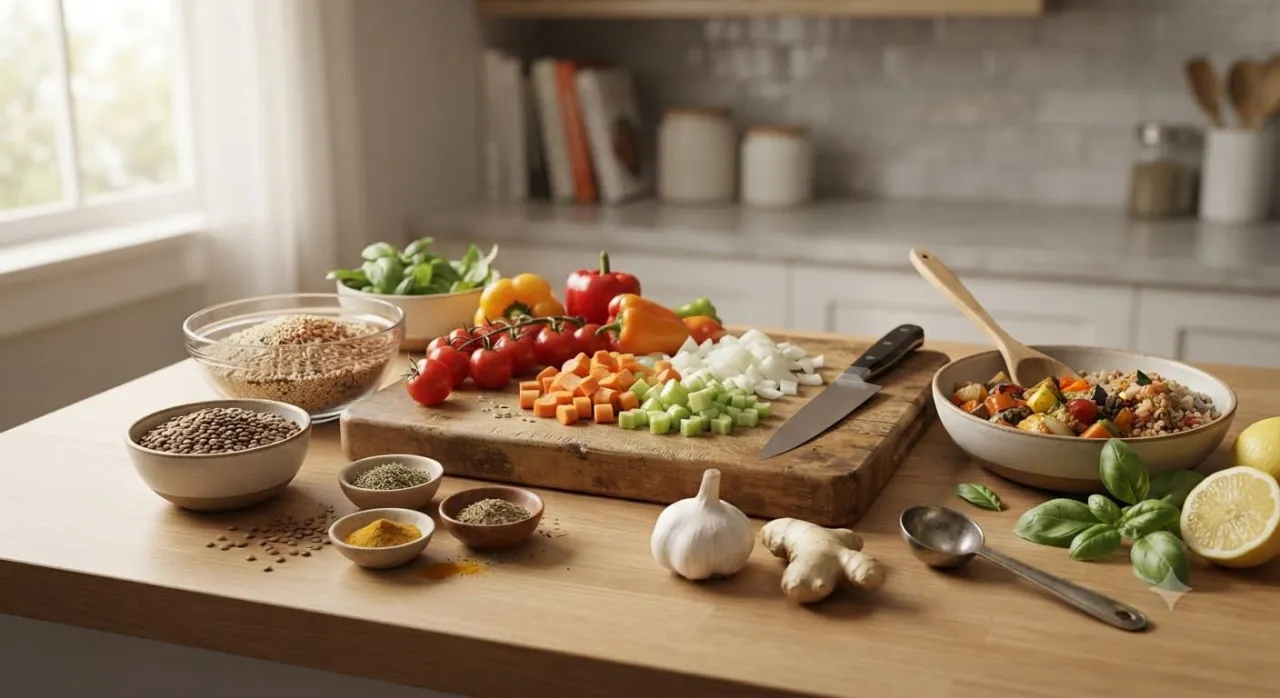
A practical approach to healthy cooking begins with variety. Instead of depending on the same few ingredients every day, try to include different types of foods across your meals.
- Vegetables: Use a mixture of fresh or frozen vegetables such as leafy greens, carrots, tomatoes, cabbage, beans, cauliflower, and bell peppers.
- Legumes: Lentils, chickpeas, peas, and beans can be used in soups, curries, salads, and other dishes.
- Whole grains: Brown rice, oats, whole-grain breads, and other suitable grains can add variety to meals.
- Protein sources: Choose suitable options such as lentils, beans, tofu, dairy foods, eggs, or other foods that fit your dietary preferences.
- Healthy fats: Nuts, seeds, avocado, and suitable cooking oils can be included according to personal preference and overall meal balance.
- Herbs and spices: These can add flavor and variety to simple ingredients.
There is no need to include every food group in every dish. Think about the overall meal and how different ingredients work together.
Which Cooking Methods Are Suitable for Healthy Everyday Meals?
Different cooking methods can work well for different ingredients. Choosing a method depends on the food, the desired texture, the recipe, and your personal preferences.
Common Cooking Methods for Everyday Meals| Cooking Method | How It Works | Suitable For | Practical Consideration |
|---|---|---|---|
| Steaming | Food is cooked using steam | Vegetables, dumplings, and some grains | Simple method that does not require much added fat |
| Roasting | Food is cooked with dry heat in an oven | Vegetables, potatoes, and other suitable ingredients | Can create a deeper, roasted flavor |
| Baking | Food cooks gradually in an oven | Vegetable dishes, breads, and baked meals | Useful for preparing larger portions |
| Sautéing | Food is quickly cooked in a pan with a small amount of cooking fat | Vegetables, tofu, and many everyday dishes | Requires attention to heat and cooking time |
| Boiling | Food cooks in hot water | Grains, legumes, vegetables, and pasta | Easy for many basic ingredients |
| Grilling | Food cooks using direct or indirect heat | Vegetables, tofu, paneer, and suitable protein sources | Can add a distinct grilled flavor |
No single cooking method is best for every ingredient. Rotating different techniques can make meals more interesting while helping you discover which methods suit your routine.
Use Oil Thoughtfully Instead of Avoiding It Completely
Cooking oils can be useful ingredients, but the amount used can vary significantly between recipes. Instead of adding oil automatically, consider how much the dish actually needs.
Measure oil when you are learning a recipe rather than pouring directly from the bottle. This makes it easier to understand how much you are using and helps maintain consistency between meals.
You can also use cooking techniques that require less added fat when appropriate. Steaming, baking, boiling, and roasting can all be useful options depending on the ingredients.
The type of oil you choose may depend on your cooking method, availability, cultural cooking practices, and personal preference. There is no need to rely on one cooking method for every meal.
Build Flavor With Herbs and Spices
Healthy cooking does not have to mean bland food. Herbs and spices can make simple ingredients more enjoyable and allow you to create variety without relying entirely on rich sauces.
Start with familiar seasonings such as cumin, coriander, black pepper, turmeric, ginger, garlic, basil, mint, or other herbs and spices that suit your cooking style.
If you want to improve your everyday seasoning skills, explore these simple tips for using spices in everyday cooking.
You can also learn how to toast and bloom spices to understand how different preparation techniques can change their aroma and flavor.
Another useful skill is knowing when to use whole spices versus ground spices. The choice can depend on the recipe, cooking time, texture, and the type of flavor you want.
Reduce Excess Salt Without Losing Flavor
Salt plays an important role in cooking, but many dishes can become overly salty when it is added without tasting the food first.
One simple habit is to season gradually. Add a small amount during cooking, taste when appropriate, and adjust near the end if necessary.
Other ingredients can also contribute to flavor. Lemon juice, vinegar, fresh herbs, garlic, ginger, roasted spices, and aromatic vegetables can make a dish more interesting.
When cooking with packaged ingredients, remember that some may already contain added salt. Reading labels can help you understand what you are adding to the overall meal.
Choose Simple Ingredient Swaps When They Make Sense
You do not need to completely change a recipe to make it fit your preferences. Small ingredient swaps can sometimes make cooking more practical.
For example, you might add more vegetables to a dish, replace part of a refined grain with a whole-grain alternative, or use beans and lentils in place of some ingredients in suitable recipes.
These changes should still preserve the enjoyment of the meal. If a substitution changes the texture or flavor too much, it may be better to use the original ingredient and focus on another aspect of the recipe.
The goal is not to make every meal identical. Variety and flexibility are important parts of practical everyday cooking.
How to Create Balanced Meals at Home
A balanced meal usually works best when different types of ingredients complement one another. Rather than focusing on one ingredient, consider the overall combination on the plate.
- Start with vegetables: Include one or more vegetables that fit the meal.
- Add a protein source: Choose legumes, dairy foods, eggs, tofu, or another suitable option.
- Include a suitable carbohydrate source: Consider whole grains, rice, potatoes, or other foods that fit your meal preferences.
- Add flavor: Use herbs, spices, garlic, ginger, or a suitable dressing.
- Consider texture: Combine soft, crisp, or roasted ingredients to make the meal more enjoyable.
- Adjust portions: Serve amounts that suit your appetite and overall eating pattern.
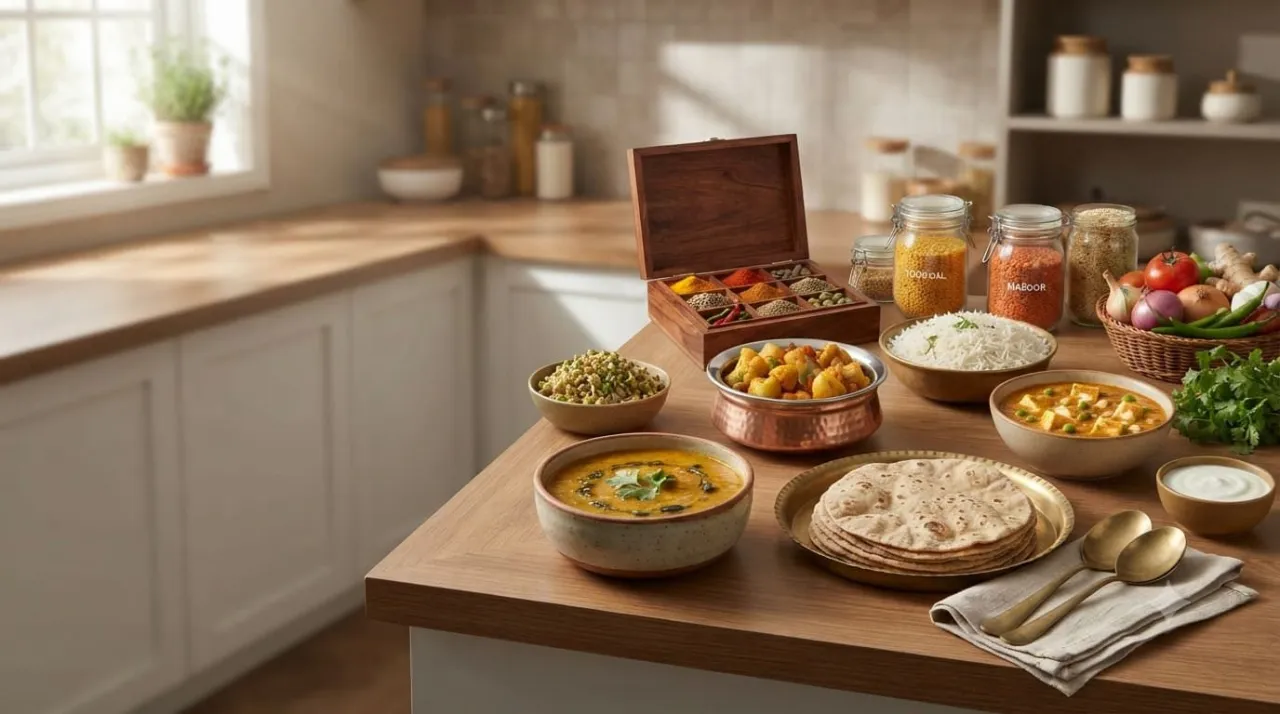
If you want more inspiration for everyday meals, these balanced Indian meal ideas can provide practical examples of combining familiar foods into complete meals.
Make Meal Preparation Easier With Simple Planning
Meal planning does not need to involve creating a detailed schedule for every meal. Even basic preparation can save time and make cooking easier during busy days.
Start by deciding on a few meals for the week. Make a short shopping list based on those meals and choose ingredients that can be used in more than one dish.
For example, cooked vegetables can be used in a grain bowl one day and added to a soup or curry later. Cooked lentils can be used in a salad, soup, or other suitable recipes.
Preparing a few basic ingredients in advance can also reduce daily cooking time. These meal prep ideas for a healthy week can help you organize ingredients without making your routine unnecessarily complicated.
Keep food storage and refrigeration practices in mind when preparing meals ahead. Use suitable containers and handle cooked foods according to appropriate food-safety guidance.
Use One-Pot Cooking for Simple Everyday Meals
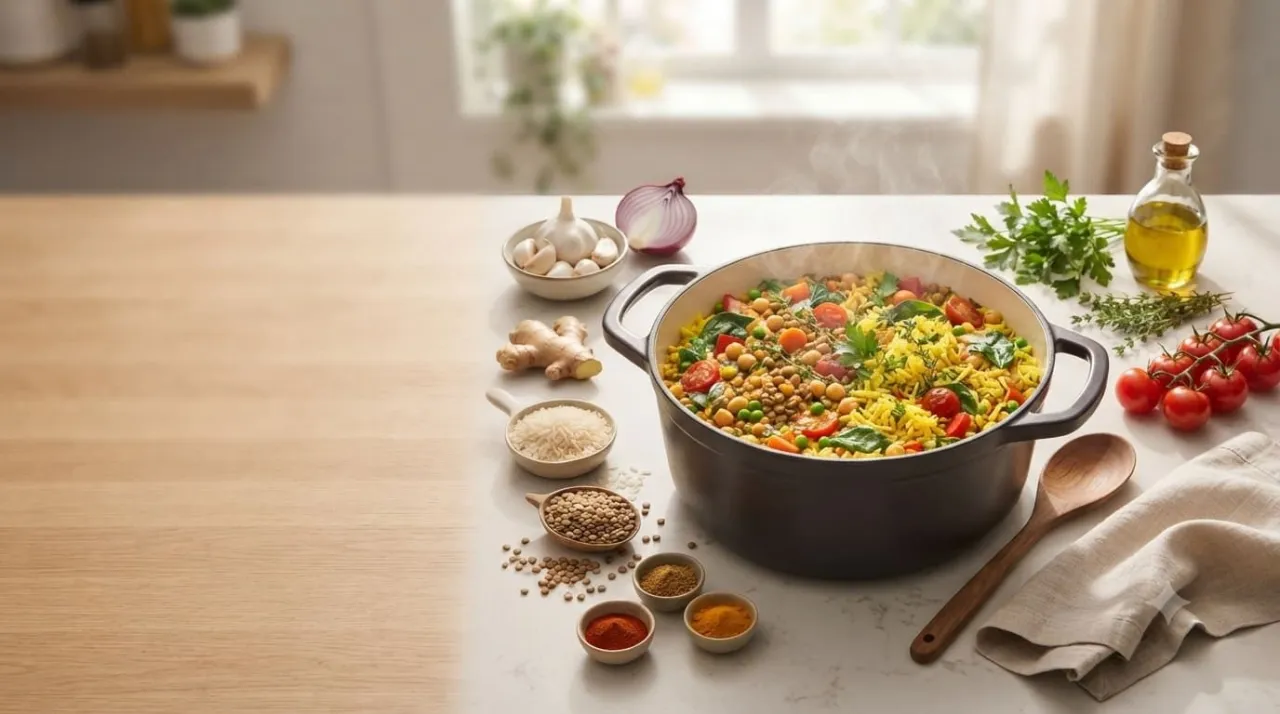
One-pot cooking can be useful when you want to reduce preparation and cleanup. Soups, stews, rice dishes, lentil meals, and vegetable combinations can often be adapted to one-pot methods.
The key is to add ingredients at the appropriate stage. Ingredients that take longer to cook may need to go in first, while delicate vegetables or herbs may be added later.
If you enjoy simple cooking methods, explore these easy one-pot meal ideas for practical inspiration.
One-pot cooking can also make it easier to prepare larger portions for later meals, provided leftovers are cooled, stored, and reheated safely.
How to Pair Spices With Different Ingredients
Using the same seasoning combination for every meal can become repetitive. Learning basic flavor pairing can help you create variety without buying many new ingredients.
For example, cumin and coriander can complement legumes, while basil and oregano may work well with tomato-based dishes. Ginger and garlic can add warmth to many vegetable and grain-based recipes.
You can learn more about pairing spices with different foods to become more confident when creating your own recipes.
Start with small amounts when experimenting. It is easier to add more seasoning than to correct a dish that has become too strongly flavored.
Practical Healthy Cooking Tips for Beginners
- Plan before cooking: Read the recipe and gather ingredients before turning on the stove.
- Keep basic ingredients available: Stock a practical selection of vegetables, grains, legumes, herbs, and spices.
- Use measuring tools: Measuring cups and spoons can help beginners learn consistent portions and seasoning.
- Taste as you cook: When appropriate, taste the dish at different stages and adjust seasoning gradually.
- Do not overcomplicate recipes: Simple meals can still be flavorful and satisfying.
- Cook extra when practical: Larger batches can save time on busy days when stored properly.
- Use leftovers creatively: Turn suitable leftovers into soups, salads, wraps, bowls, or other meals.
- Keep your kitchen organized: Knowing where ingredients and tools are stored can make cooking less stressful.
- Clean as you go: Washing tools and clearing surfaces during cooking can reduce cleanup afterward.
- Learn from each meal: Note what worked well and what you would change next time.
Common Mistakes to Avoid When Cooking Healthier Meals
Thinking Healthy Cooking Means Bland Food
Removing flavor is not the goal. Herbs, spices, aromatics, citrus, and suitable cooking techniques can create flavorful meals without relying only on rich sauces.
Changing Too Many Things at Once
Trying to completely redesign your cooking routine can become difficult to maintain. Start with one or two changes and build from there.
Using Too Much Oil Without Measuring
It is easy to add more oil than intended when pouring directly from a bottle. Measuring the amount can help you become more aware of your cooking habits.
Overcooking Vegetables
Cooking vegetables for too long can change their texture and make meals less enjoyable. Try different cooking times and methods to find the texture you prefer.
Ignoring Seasoning Balance
Healthy meals can still taste flat when they are not seasoned properly. Taste as you cook and use herbs, spices, and acidic ingredients thoughtfully.
Preparing More Food Than You Can Store Safely
Meal preparation is useful, but cooking excessive quantities can create storage problems. Prepare amounts that you can realistically store and consume while following appropriate food-safety guidance.
Beginner-Friendly Healthy Cooking Checklist
- Include a variety of vegetables throughout the week.
- Add suitable protein sources to your meals.
- Choose cooking methods that fit the ingredients and recipe.
- Measure cooking oil when you want better control over the amount used.
- Use herbs and spices to create flavor variety.
- Season gradually and taste when appropriate.
- Read labels on packaged ingredients when relevant.
- Plan a few meals before grocery shopping.
- Prepare versatile ingredients that can be used in several dishes.
- Store and reheat leftovers using appropriate food-safety practices.
- Make changes gradually so your cooking routine remains practical.
How to Make Healthy Cooking Easier to Maintain
The most useful cooking habits are the ones you can continue over time. If a recipe requires too many ingredients or complicated techniques, it may not fit comfortably into a busy schedule.
Instead, build a collection of simple meals that you enjoy. Keep a few reliable recipes for busy days and experiment with new dishes when you have more time.
It can also help to keep your pantry organized. Store frequently used ingredients where they are easy to find, and check your supplies before shopping so you do not buy unnecessary duplicates.
Cooking skills also improve with practice. You do not need to master everything at once. Learning how to season food, control heat, prepare vegetables, and adjust textures can gradually make everyday cooking more confident and enjoyable.
Healthy Cooking Tips for Everyday Dinner Planning
Dinner can become easier to manage when you think about the meal as a combination of simple components rather than one complicated recipe.
For example, you can prepare a vegetable dish, a suitable protein source, and a grain or other carbohydrate separately. These components can then be combined in different ways throughout the week.
If you need practical dinner inspiration, explore these healthy dinner ideas for simple meal combinations that can be adapted to your preferences.
Remember that dinner does not have to be elaborate. A simple meal prepared with fresh ingredients and appropriate seasoning can be just as practical as a complex recipe.
Disclaimer: These healthy cooking tips are general food-preparation guidance and are not individualized nutrition advice. If you have a food allergy, specific dietary restriction, or medically advised eating plan, choose ingredients and cooking methods according to your individual needs and appropriate professional guidance.
Reminder: Healthy cooking is a flexible practice, not a requirement to prepare every meal perfectly. Focus on small, realistic improvements such as adding more variety, using suitable cooking methods, seasoning thoughtfully, and planning meals in a way that fits your daily routine.
Final Thoughts on Healthy Cooking Tips
Healthy cooking tips are most useful when they make everyday meals easier to prepare and enjoy. You do not need complicated recipes or strict rules to improve your cooking habits. Simple choices such as using more vegetables, including suitable protein sources, choosing different cooking methods, and seasoning food thoughtfully can make everyday cooking more practical.
Start with the habits that feel easiest to maintain. Learn one new cooking technique, try a different vegetable, experiment with spices, or prepare a few ingredients ahead of time.
Over time, these small steps can help you become more comfortable in the kitchen and create meals that are practical, varied, and suited to your personal preferences. The best healthy cooking tips are the ones that fit naturally into your everyday life.
Frequently Asked Questions
What is the healthiest way to cook food?
There is no single cooking method that is best for every ingredient. Steaming, baking, roasting, sautéing, boiling, and grilling can all be useful depending on the food and recipe. Using a variety of cooking methods can make everyday meals more flexible and enjoyable.
How can I make healthy meals taste better?
Use herbs, spices, garlic, ginger, fresh citrus, vinegar, and other suitable flavor-building ingredients. Cooking methods such as roasting can also create different flavors and textures.
How can beginners start cooking healthier meals?
Start with simple changes such as adding more vegetables, using suitable protein sources, measuring cooking oil, being mindful of added salt, and trying different cooking methods. Build new habits gradually.
Is meal preparation useful for healthy cooking?
Meal preparation can make cooking more convenient by allowing you to prepare ingredients ahead of time. Keep portions manageable and follow appropriate food-storage and food-safety practices.
Can healthy cooking still include traditional recipes?
Yes. Traditional recipes can remain part of everyday meals. You can adjust portions, add more vegetables where appropriate, and use cooking methods or ingredient combinations that suit your preferences without losing the character of the dish.
Was this article helpful?
Share your feedback — select a reaction.
Are you satisfied with these answers?
If you'd like to ask something else, you can post your question here.
Comments (0)
Comments are reviewed before they appear.
Loading comments…
More Blogs
Easy One-Pot Meals: Simple Recipes for Busy Days
Healthy Soup Recipes: Easy, Nutritious Ideas for Everyday Meals
Healthy Salad Recipes: Easy, Fresh, and Balanced Ideas for Everyday Meals
Protein-Rich Snack Recipes: Easy and Healthy Ideas for Everyday Eating